Jessica Carey
Interdisciplinary Artist, Writer, and Art Educator
I create across materials, disciplines, and forms, following a recurring question: what could this become?
My practice brings together interdisciplinary art, material experimentation, creative reuse, storytelling, education, accessibility, and community-building.
I am especially interested in possibilities that are easy to overlook: a discarded material, an unfamiliar process, a person excluded from traditional creative spaces, or an experience that does not fit neatly into an established category.
Rather than committing myself to a single medium, I choose materials according to what each idea needs.
Artist Statement
I am an interdisciplinary artist who explores creativity, belonging, human connection, and possibilities hidden within overlooked materials and experiences.
I work across drawing, painting, ceramics, jewelry, fiber arts, digital art, mixed media, creative reuse, and a growing list of mediums, choosing materials according to what each idea needs.
Curiosity and experimentation guide my process. I often begin with a question: what could this become?
I combine traditional materials with scraps, samples, discarded objects, and unfamiliar processes.
Through the Materials Lab, I document these experiments and share what I discover.
My process also extends beyond the studio. I build relationships with local businesses to redirect usable offcuts, samples, and surplus materials into artwork and experimentation rather than allowing their creative potential to be lost.
My background in art education, particularly Teaching for Artistic Behavior, shapes both what I create and how I share it.
Years of supporting children with different learning, communication, and regulation needs have also taught me the importance of trust, flexibility, and environments designed around actual people.
I want art to feel inviting rather than intimidating, especially for people excluded by cost, disability, limited experience, or conventional ideas about artistic ability.
My work invites people to look again at what has been overlooked and imagine what might become possible with room to explore.
Selected Work
Phoenix Rebirth
2026 | Mixed media | 11x14"
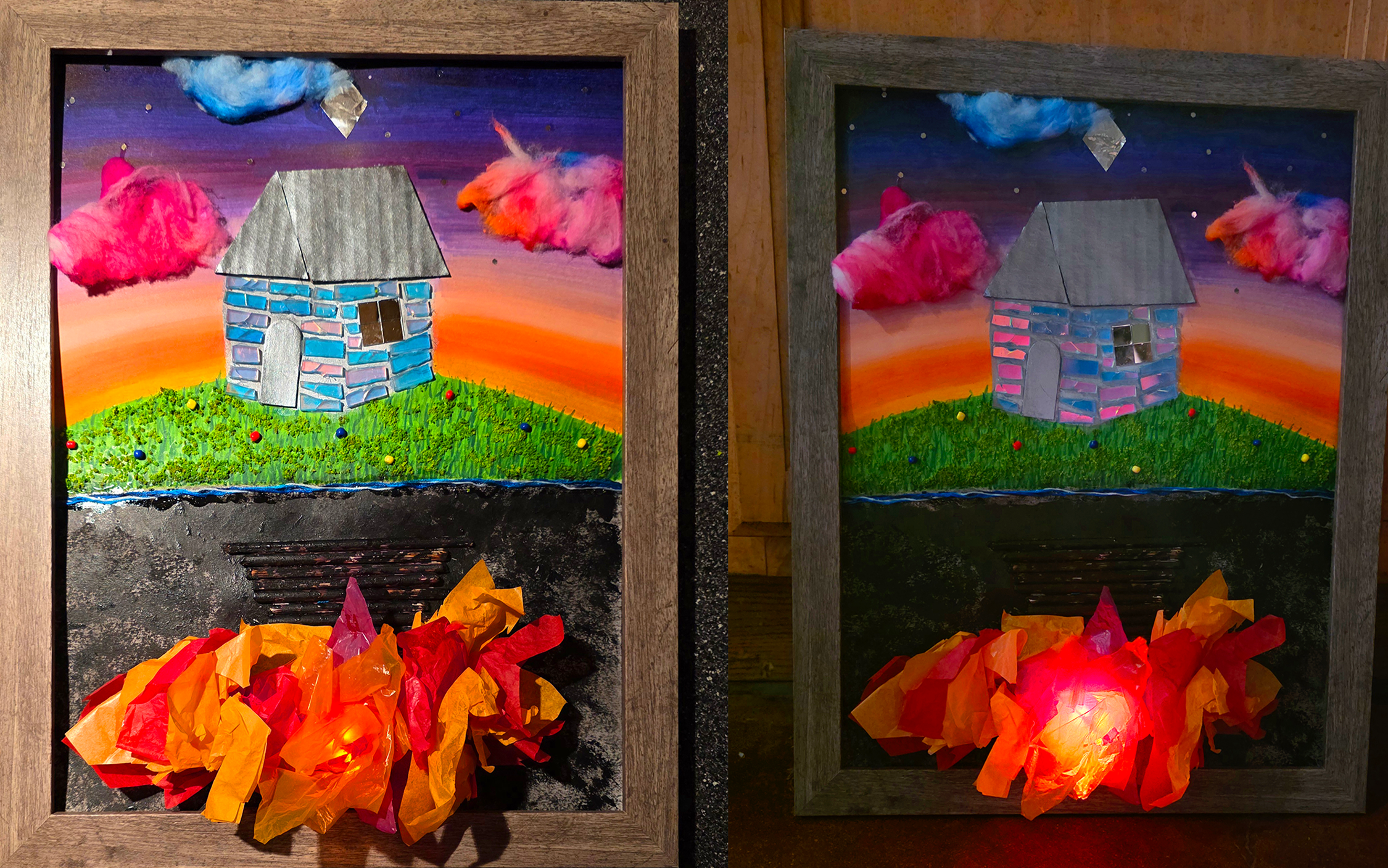
Phoenix Rebirth explores what it means to build a life when the place called home was never truly safe.
The work contrasts destruction with possibility: a burned structure, ash, and barren ground exist alongside a home still being built, emerging light, new growth, and a guiding star. Made partly from found, borrowed, reclaimed, and improvised materials, the piece also reflects the resourcefulness required to continue creating when ideal conditions and supplies are unavailable.
Its visible materials do not conceal where they came from. Cardboard, foil, plastic, wood, fibers, and other ordinary objects become part of a larger story about survival, creative reuse, and building something beautiful from what remains.
Made from Many Colors
2026 | Reclaimed flooring samples and mixed media | 8x10"
Created from commercial color samples that might otherwise have been discarded, Made from Many Colors transforms material associated with selection, comparison, and industry into an exploration of color, difference, and collective beauty.
The work reflects my interest in creative reuse and in what becomes possible when materials are separated from their expected purpose. Rather than treating the samples as waste, I approached them as a palette—one made from objects that already carried their own histories, shapes, limitations, and possibilities.
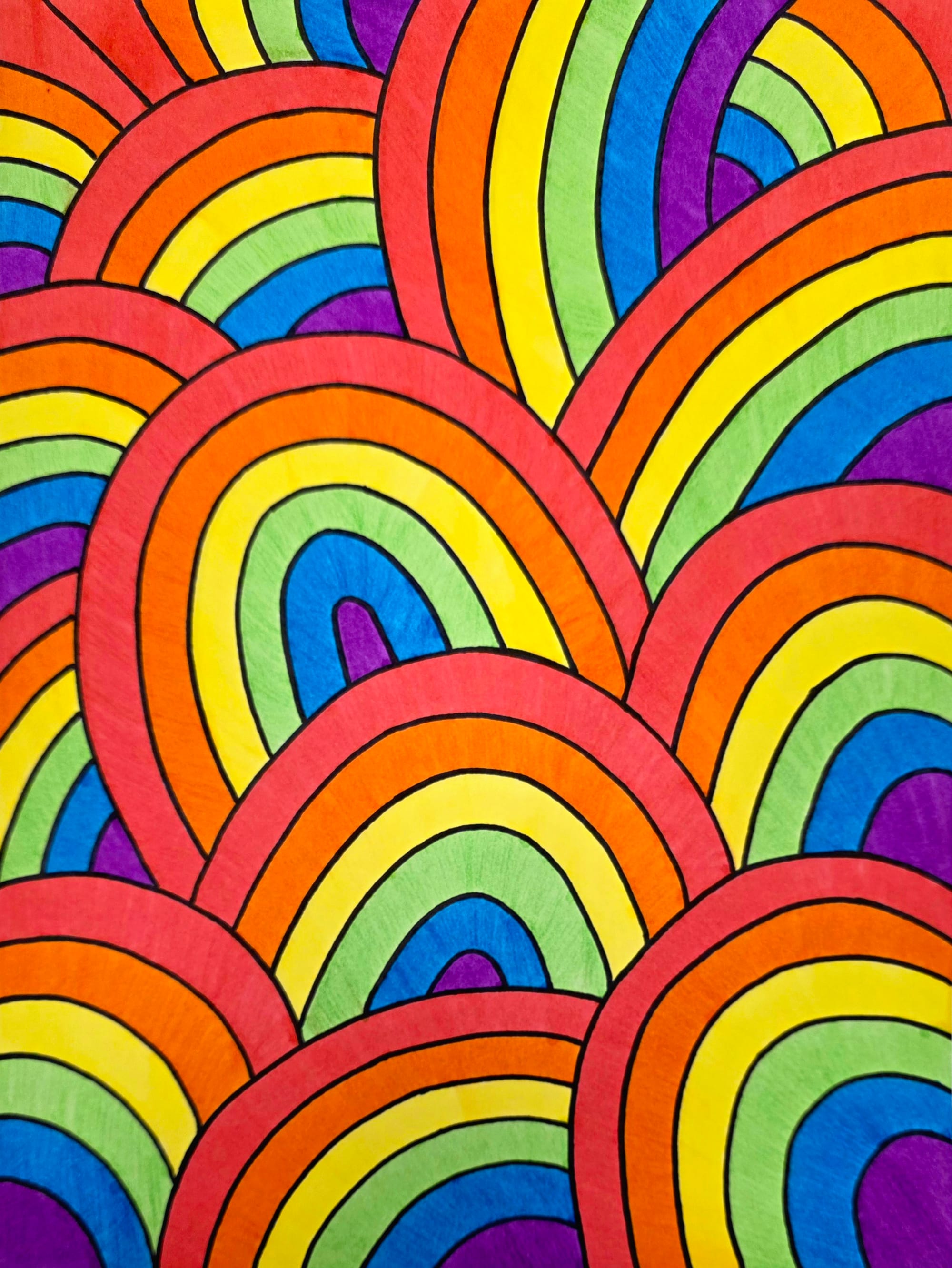
Spectrum Coded
2026 | Marker | 9x12"
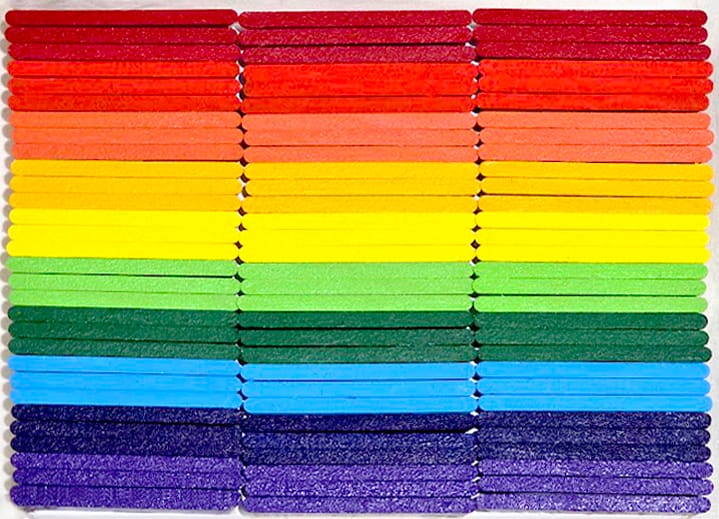
Spectrum Coded uses color and various markers to explore identity, visibility, variation, and belonging. The work considers how colors can be categorized or separated while still becoming part of something larger when brought together.
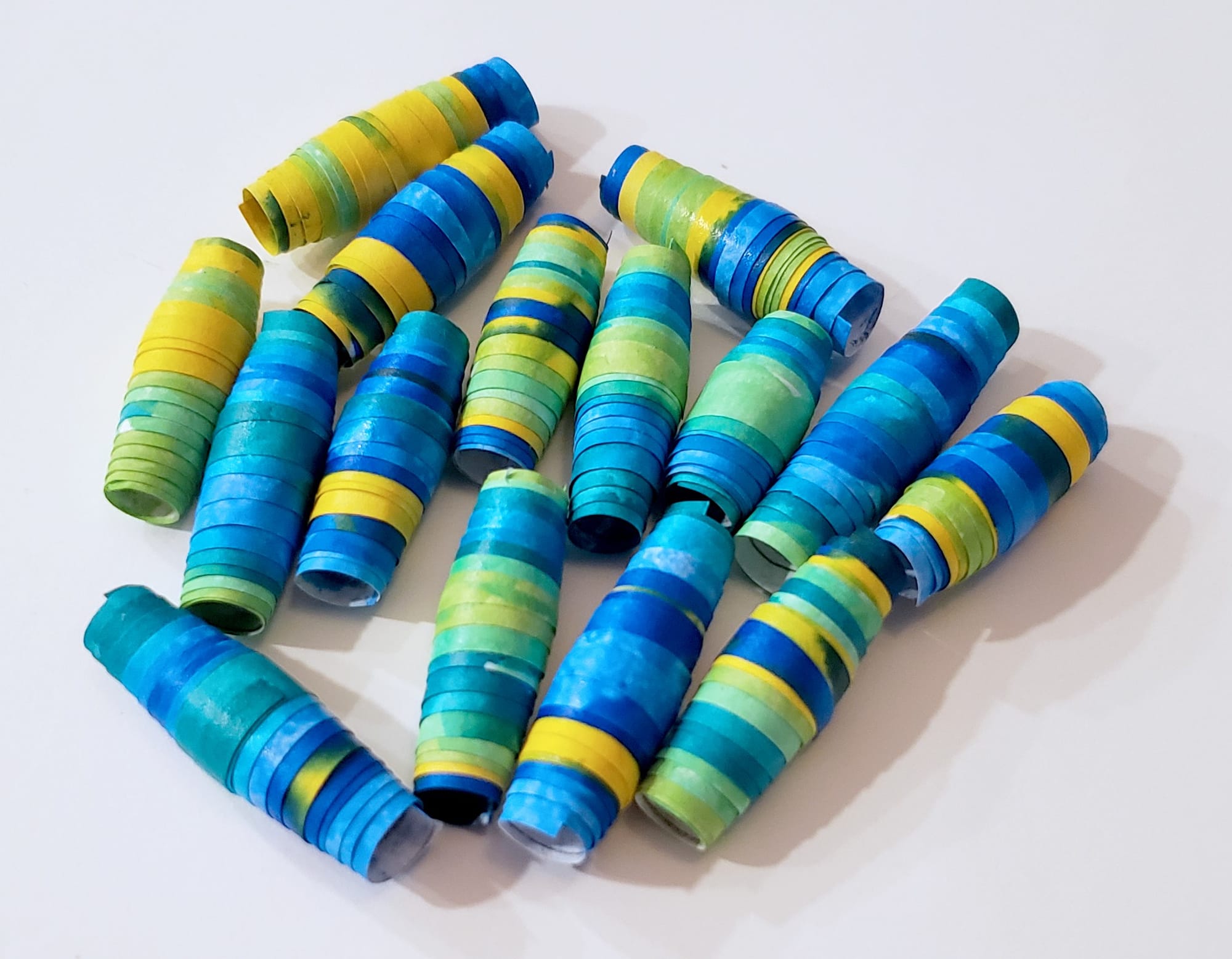
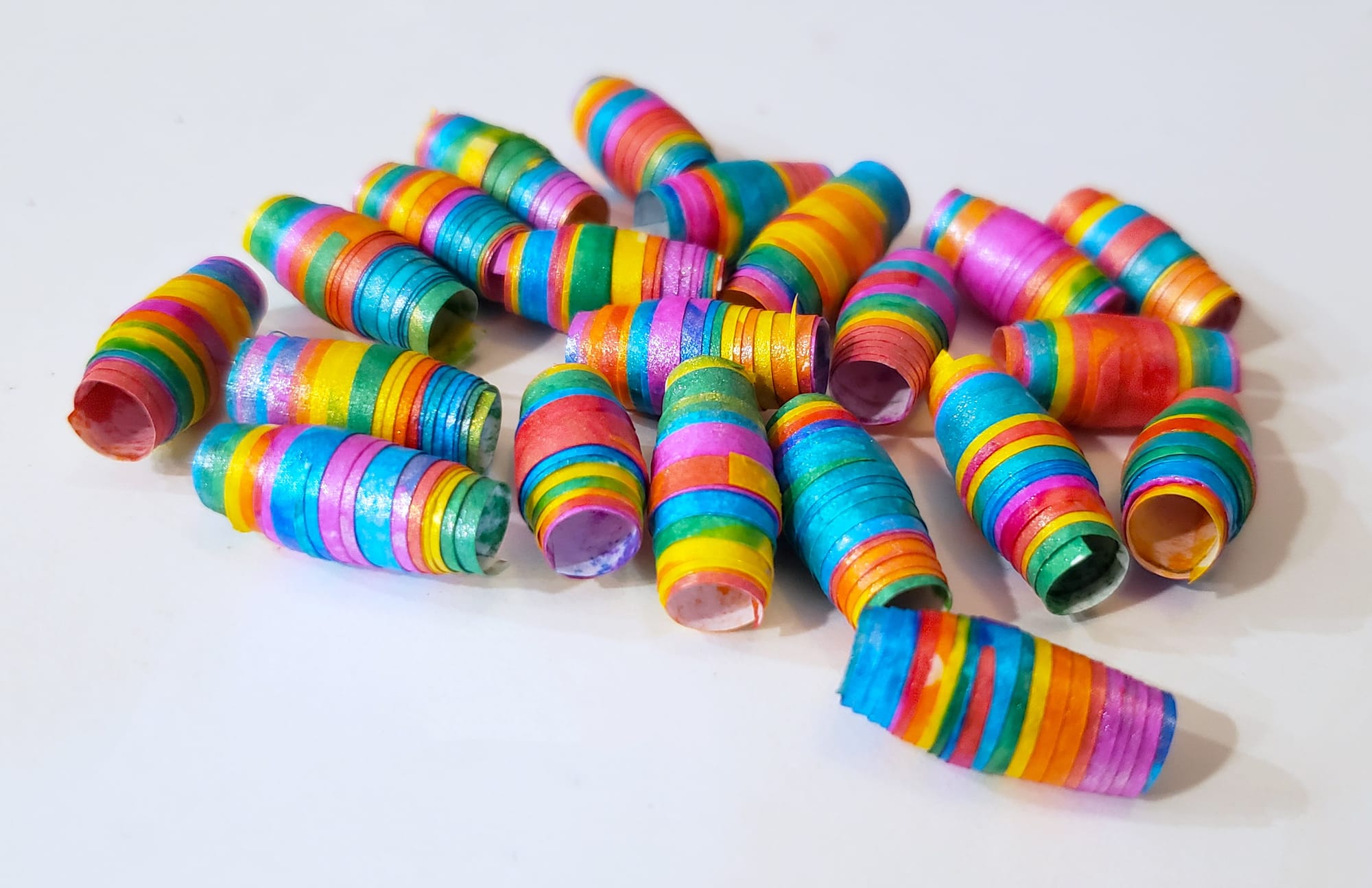
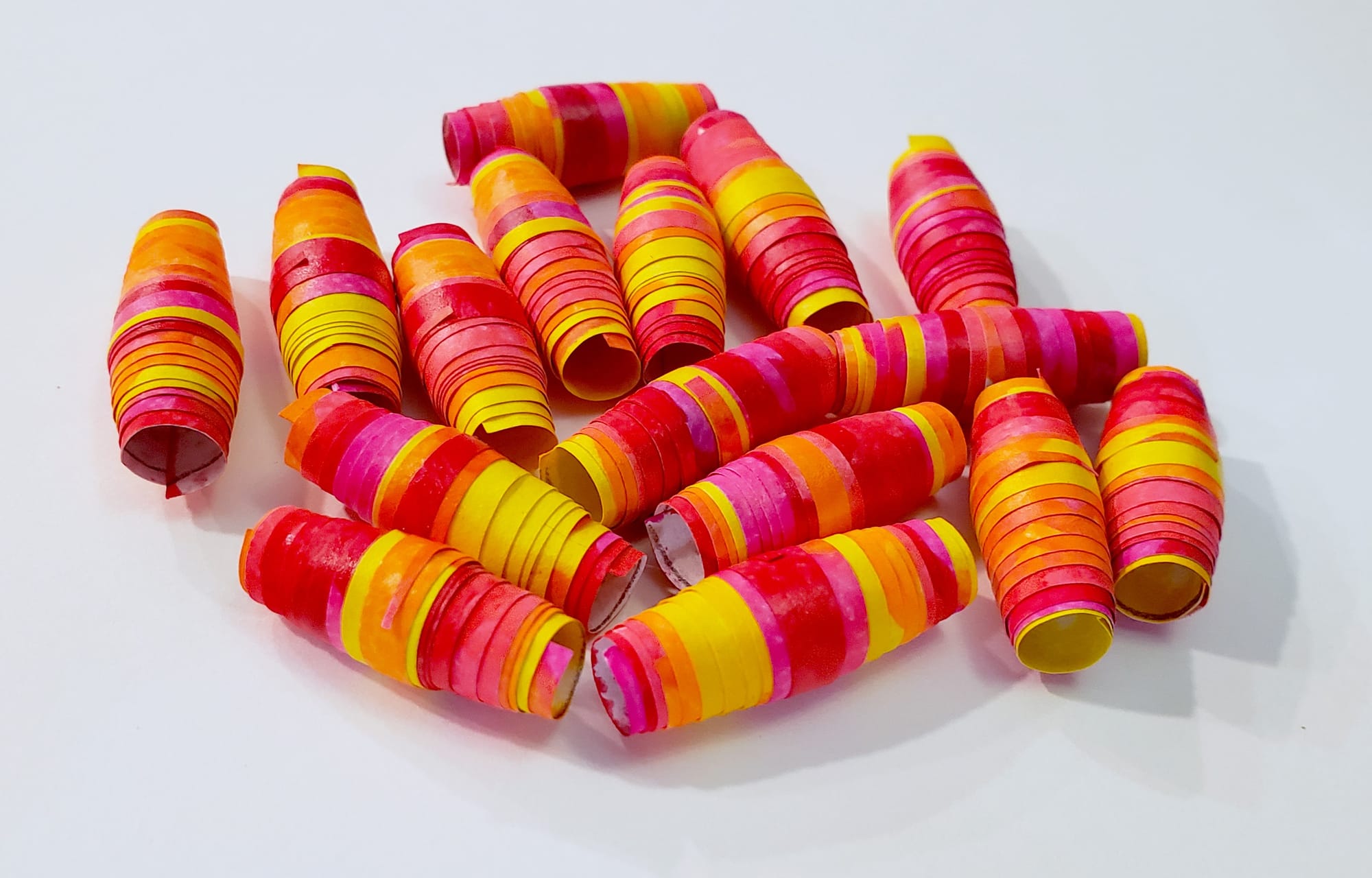
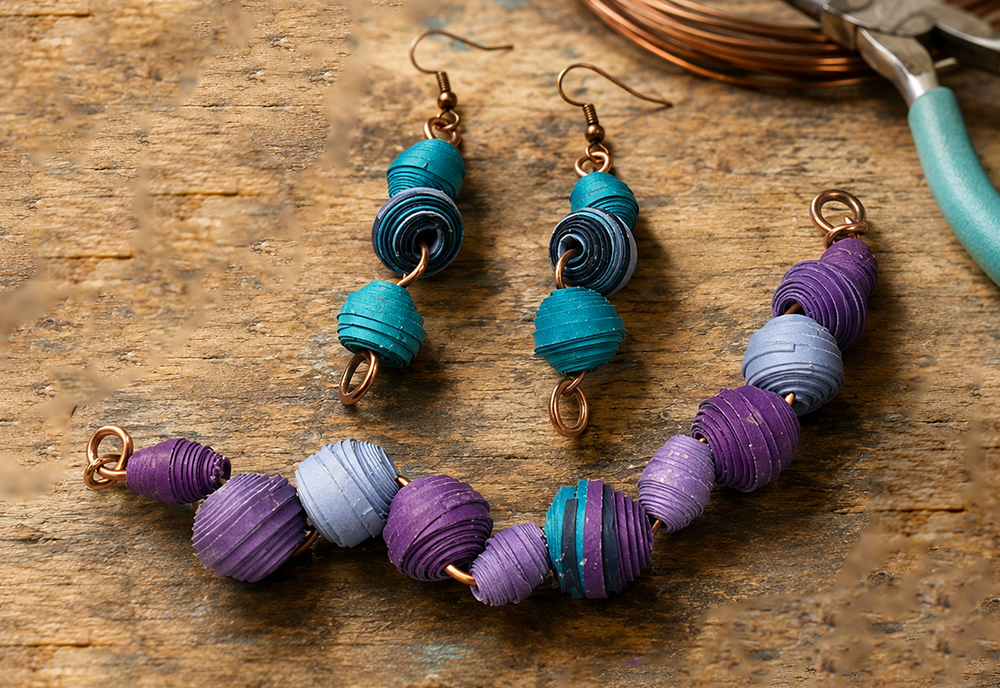
Paper Beads
[2021-2026] | Reclaimed paper and mixed media | Varied Sizes
These handmade beads explore paper as something more than a surface for writing or drawing. Scraps, magazines, discarded pages, and previous artwork can be cut, rolled, sealed, and transformed into wearable or sculptural components.
The work begins with a Materials Lab question: What else can paper become?
Some examples:
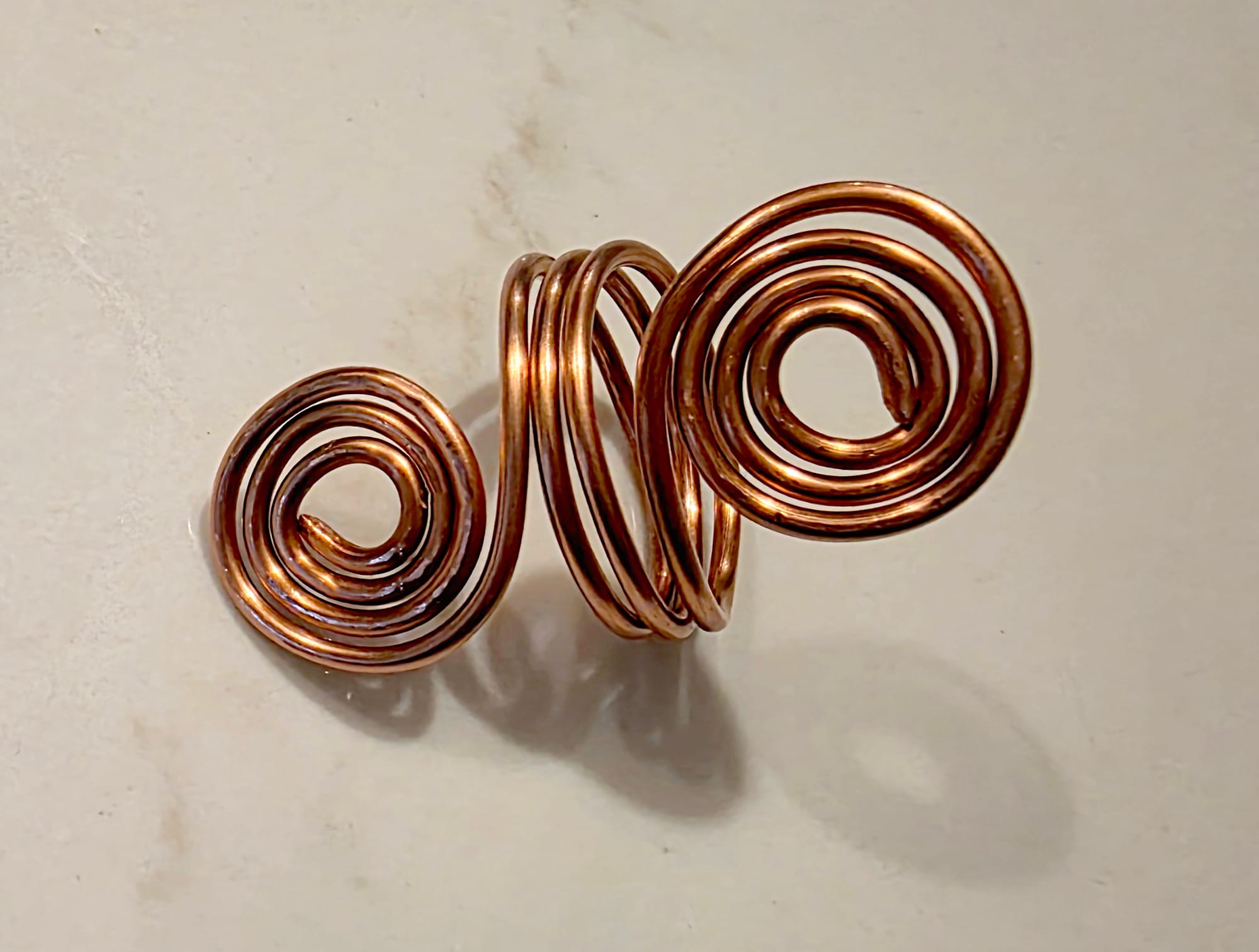
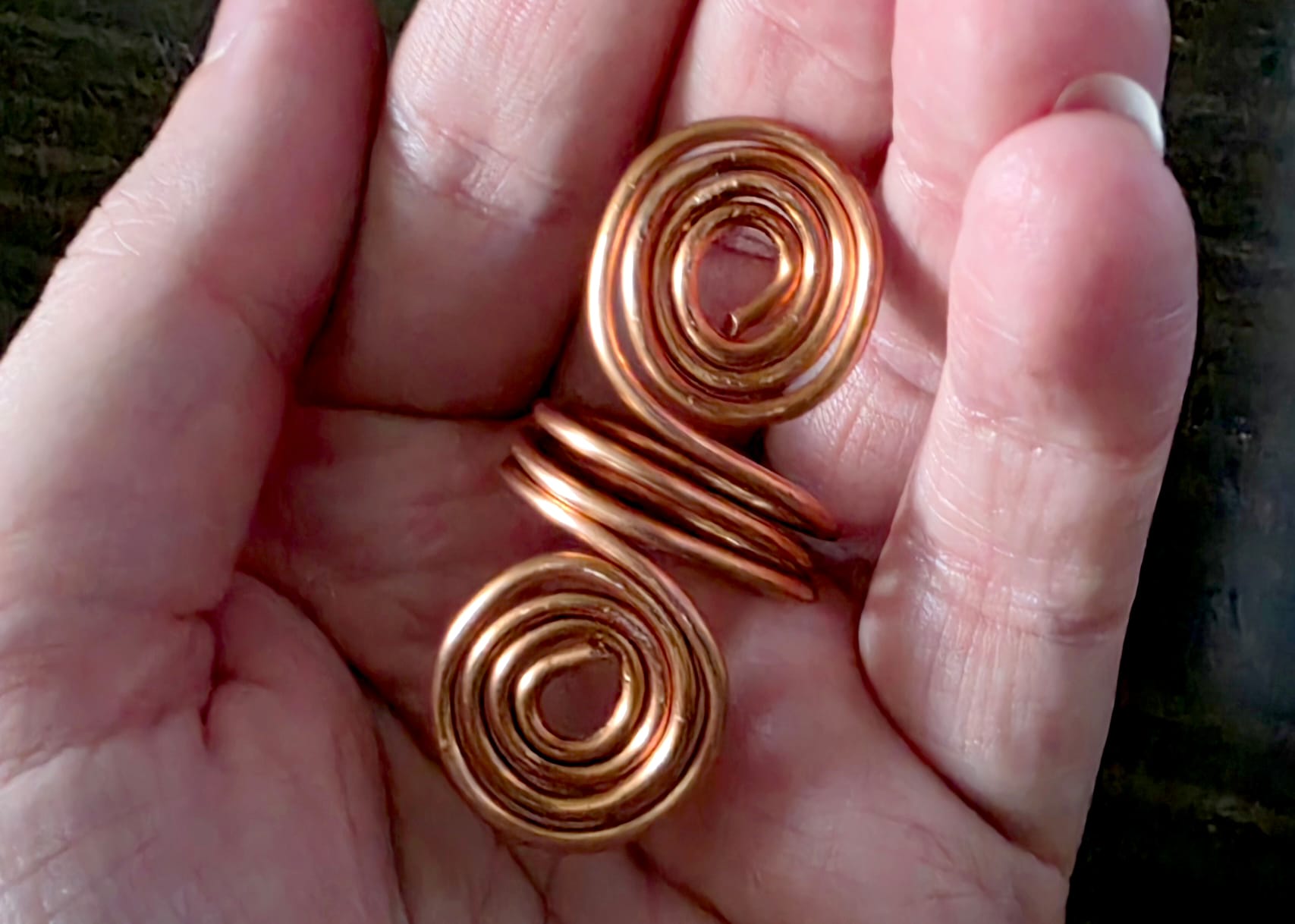
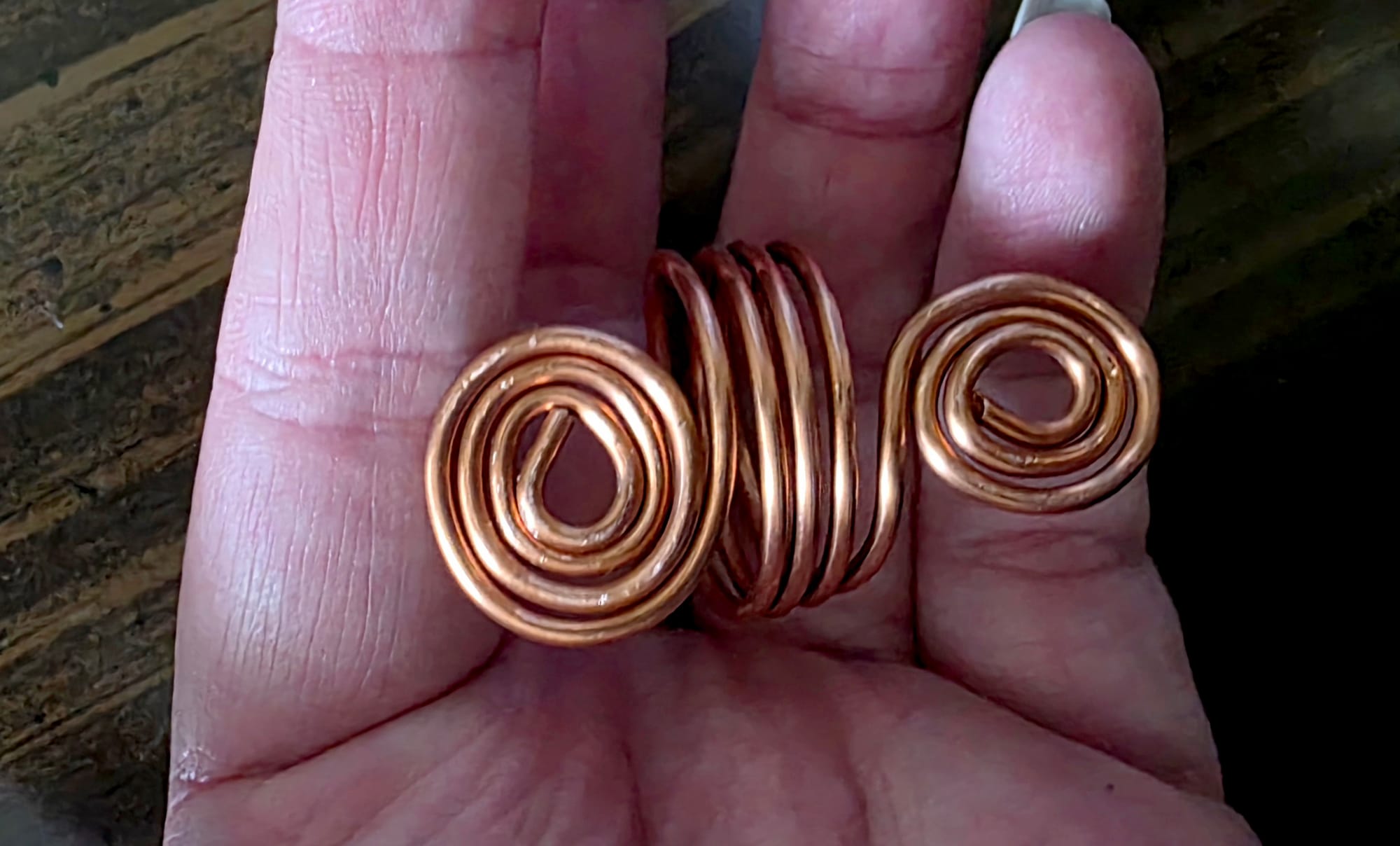
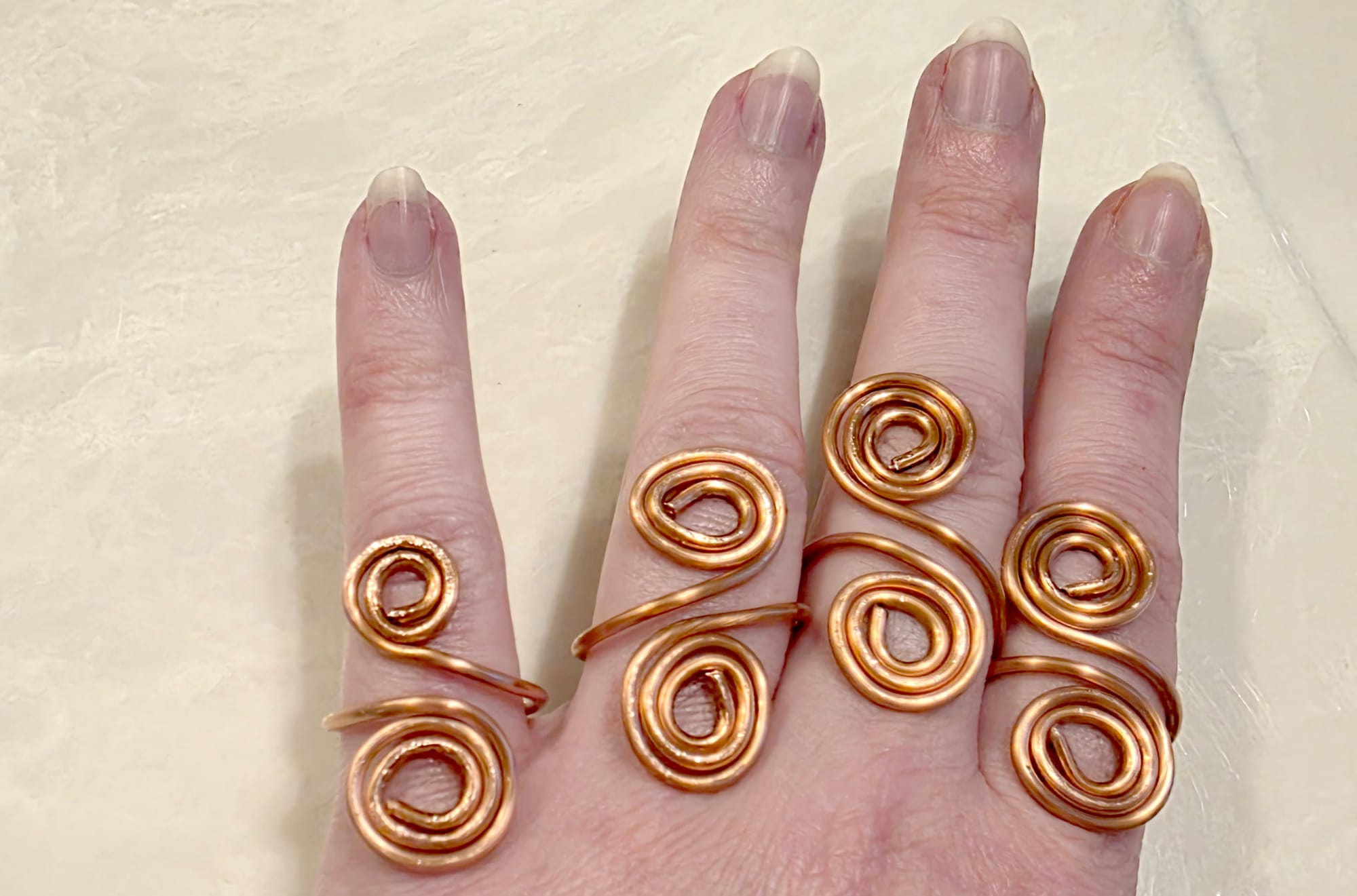
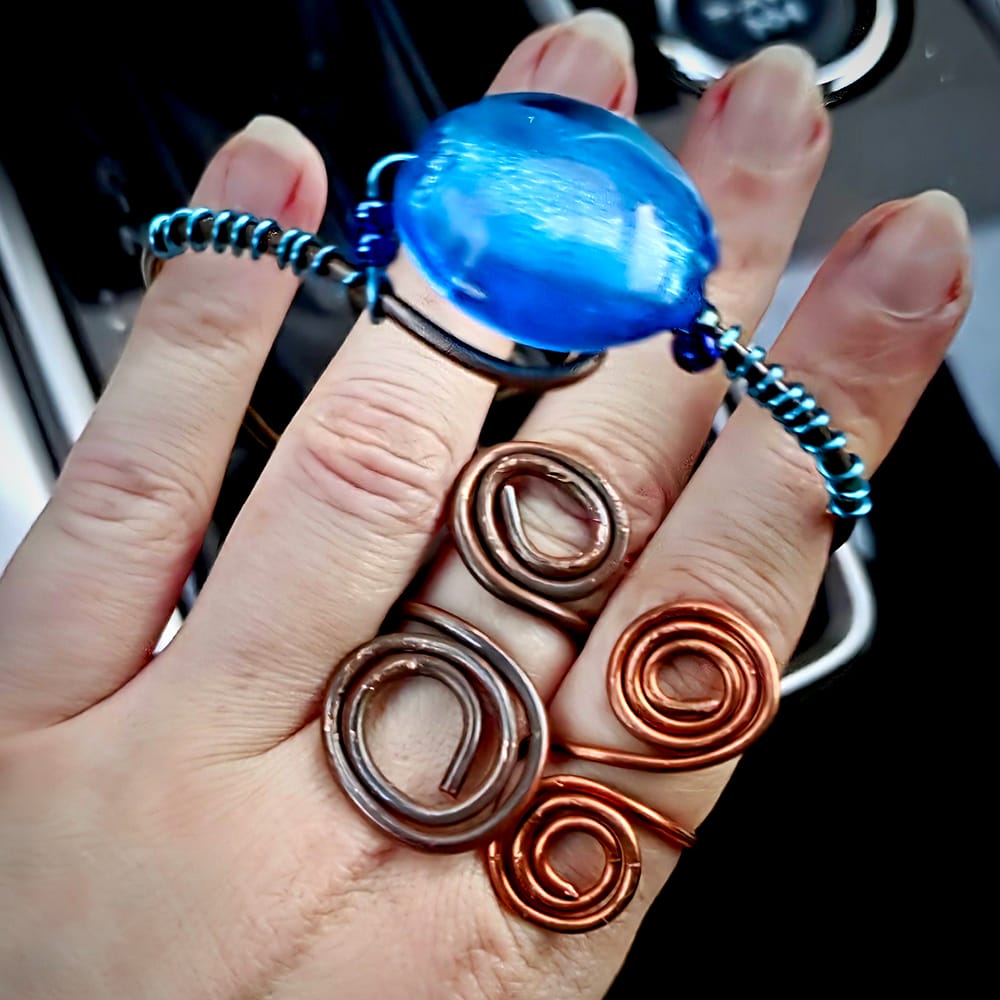
Copper Rings
2026 | Reclaimed copper wire | Varied Sizes
These rings emerged through experimentation with reclaimed copper and the process of transforming industrial or discarded material into something personal and wearable.
The work reflects the value of learning through direct contact with materials: bending, shaping, adjusting, responding, and allowing the properties of the copper to influence the finished form.
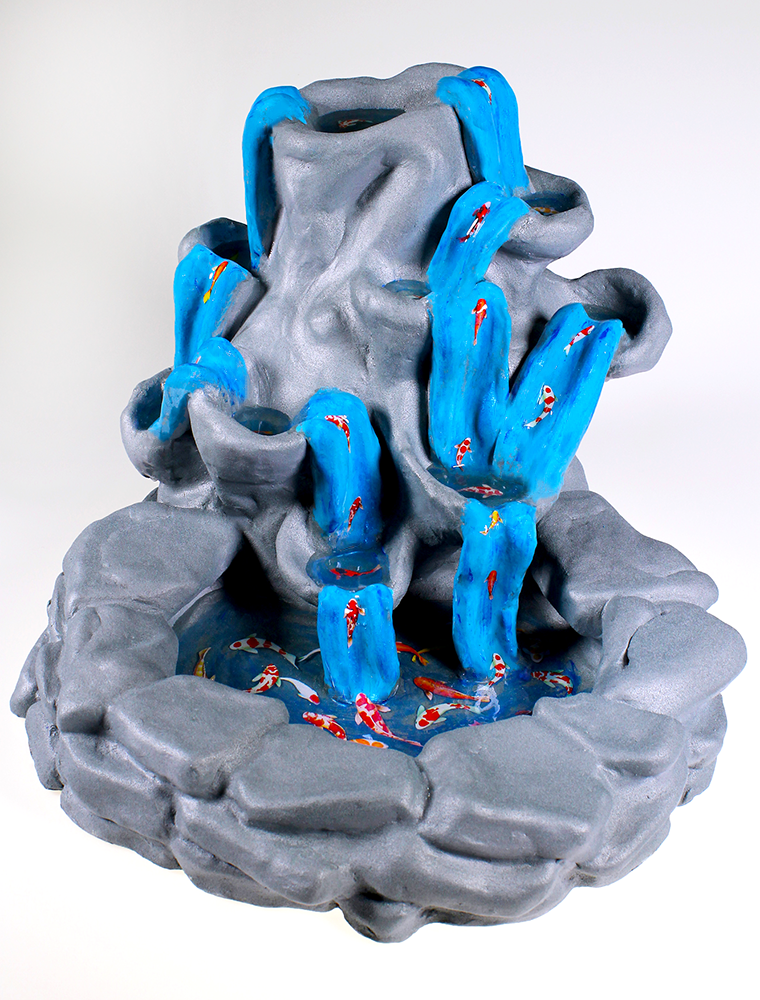
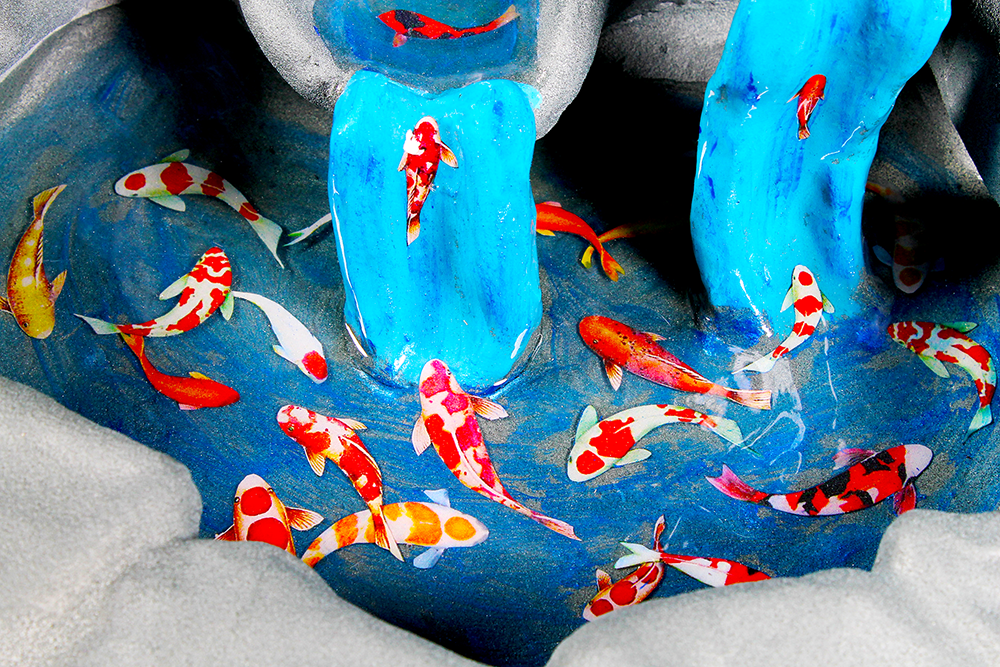
Ceramic Koi Fish Waterfalls
[2015] | Ceramic and mixed media | 24x18x12"
This ceramic piece reflects the myth of the Dragon's Gate, where koi fish swim up waterfalls, hoping to reach the top. By reaching the top after overcoming the adversity of the falls, they are able to obtain a form of self-actualization and become dragons. This piece tied into my education courses, pulling from Maslow's Hierarchy of Needs.
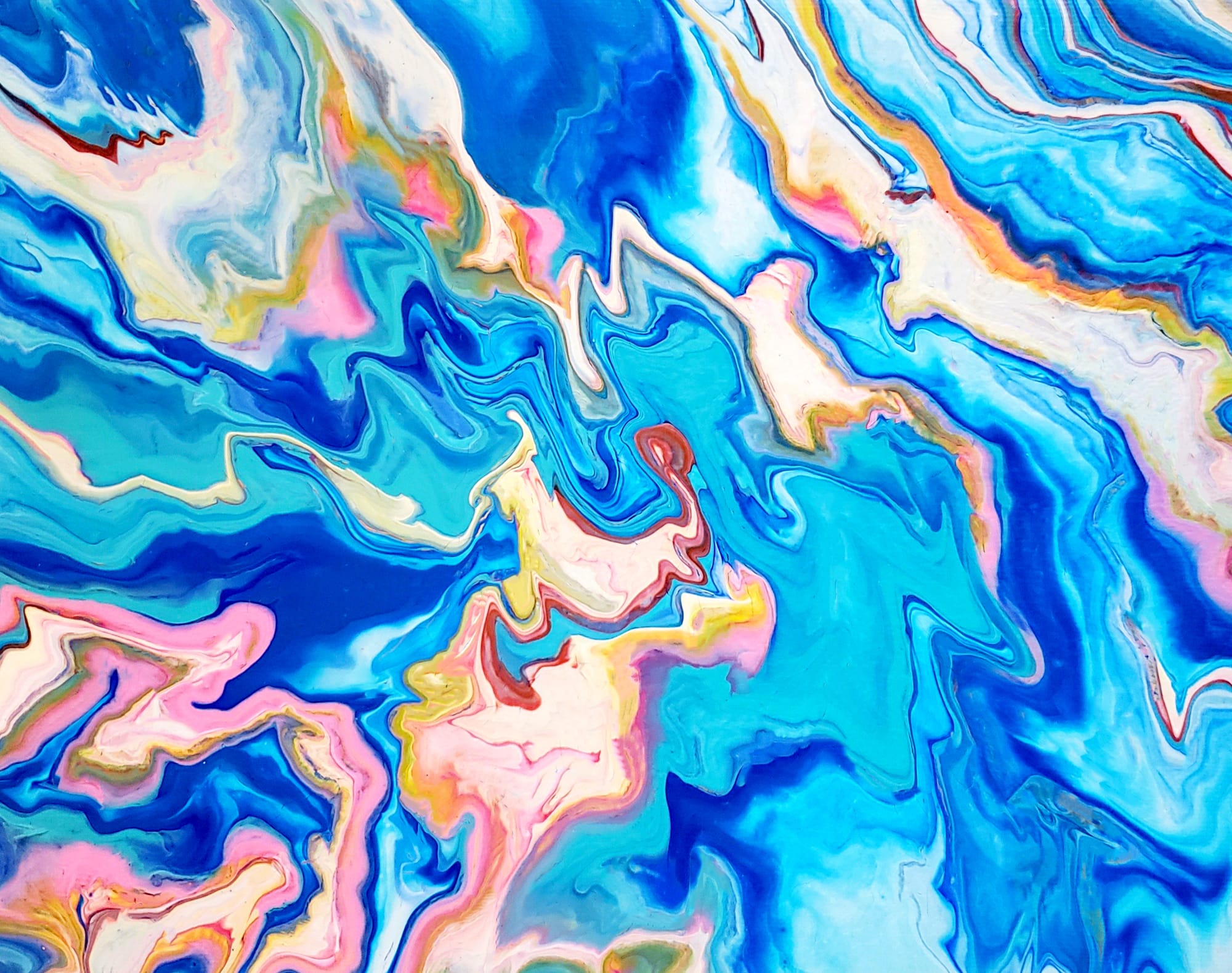
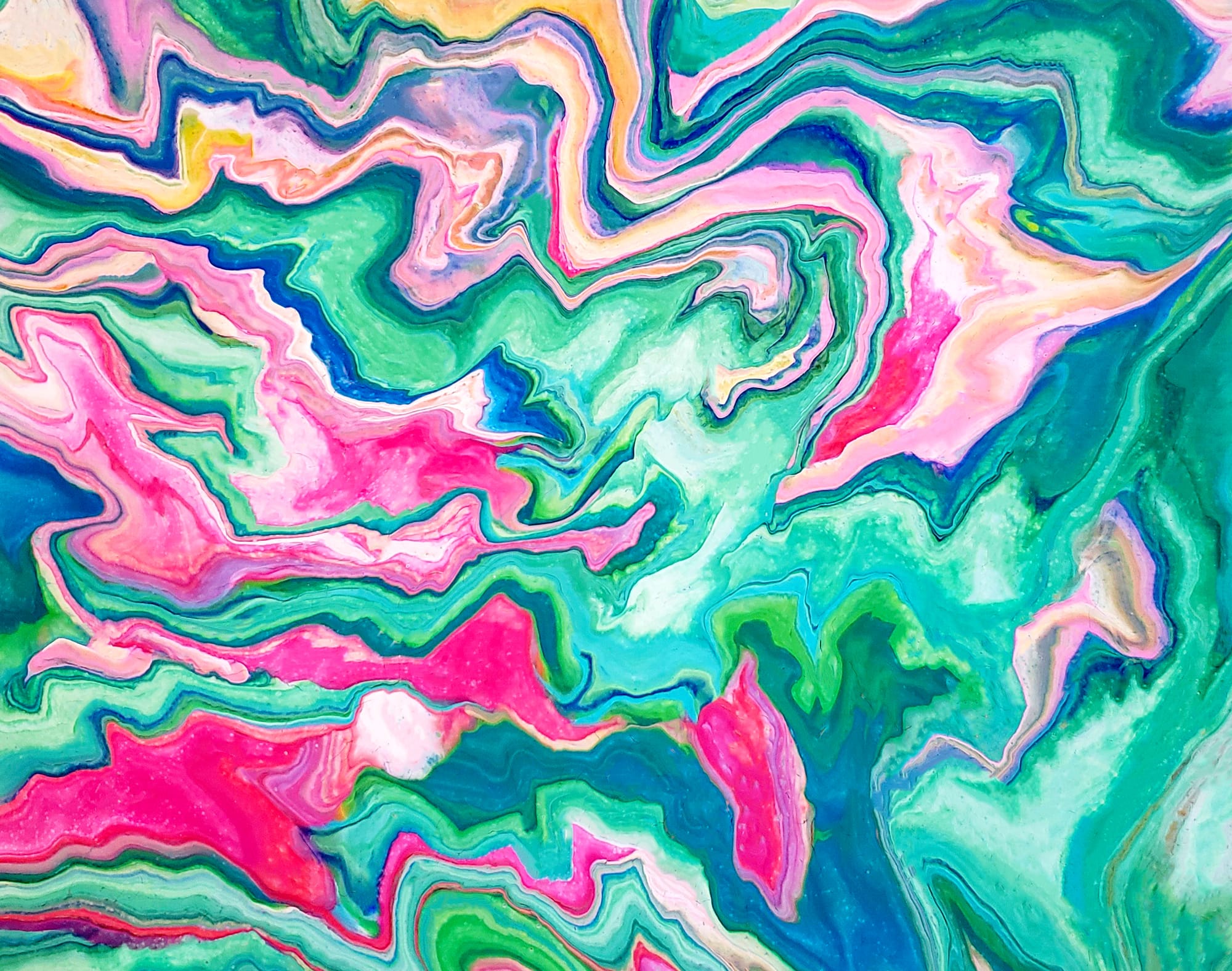
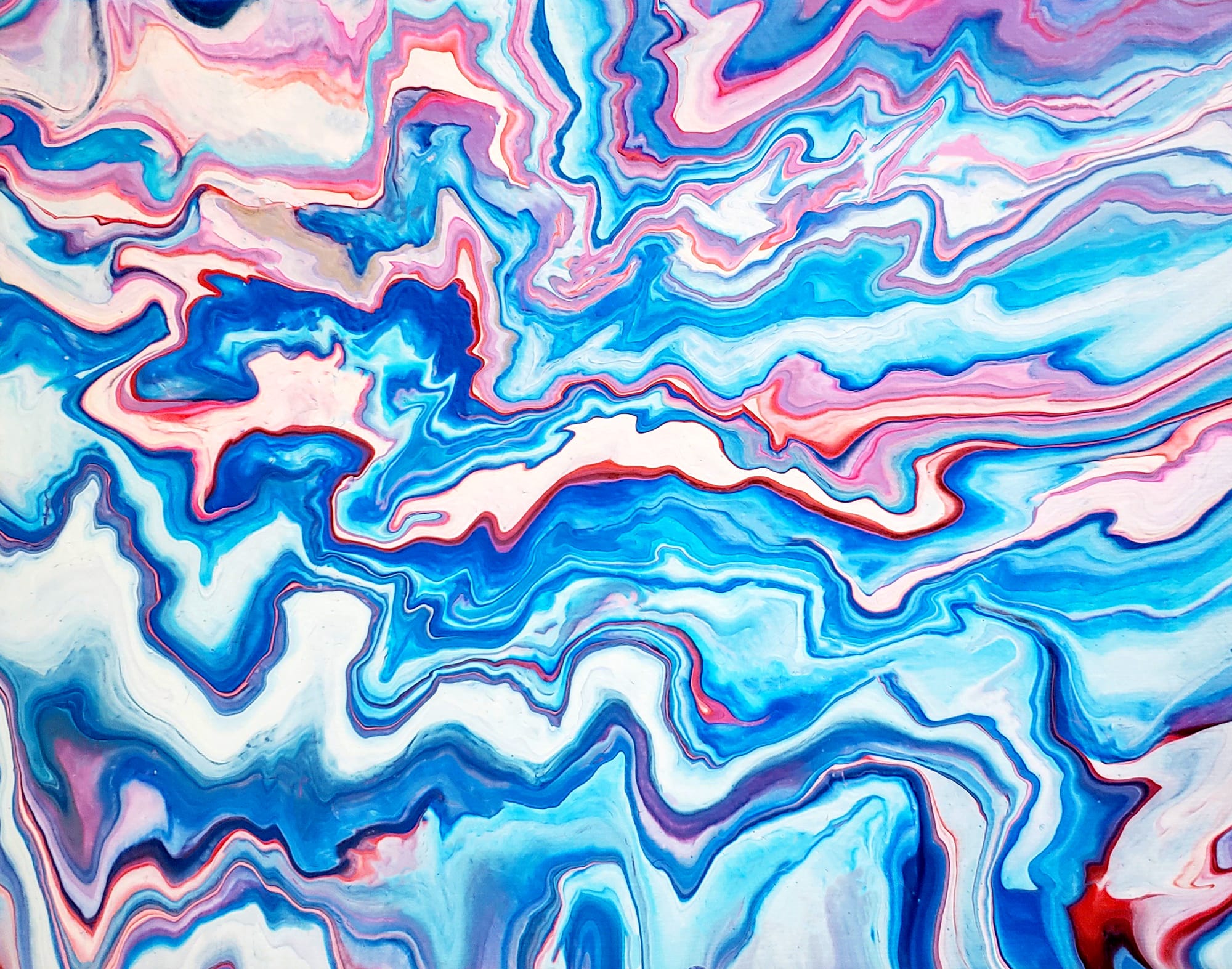
Abstract Pour Painting
2020-2022 | Acrylic on canvas | 9x12"
This abstract work explores movement, color interaction, unpredictability, and the balance between artistic intention and material behavior.
Rather than controlling every detail, the process required responding to the movement of the paint and allowing unplanned forms to become part of the finished work.
Some examples:
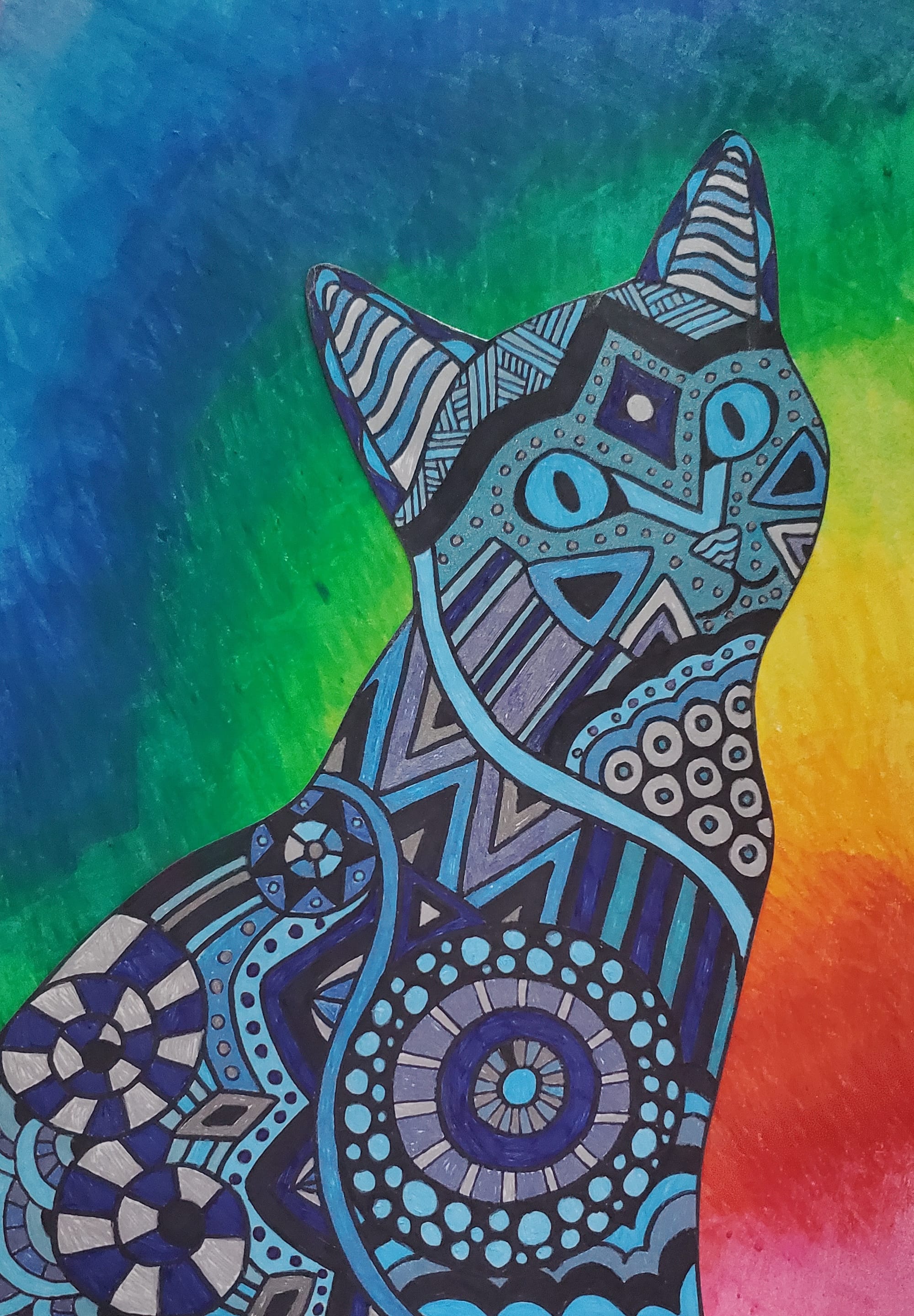
Mosaic Cat
2022 | Mixed-media drawing and collage | 9x12"
Mosaic Cat explores how individual fragments can become part of a unified image without losing their distinct colors, textures, and shapes.
The work reflects a theme that appears throughout my practice: separate pieces do not have to become identical in order to belong together.
The Materials Lab
The Materials Lab is an ongoing exploration of art materials, everyday objects, unconventional surfaces, creative reuse, and hands-on experimentation.
It begins with questions such as:
- What else can this material do?
- Can something normally discarded become useful or beautiful?
- What happens when materials are combined in an unexpected way?
- Can an inexpensive or accessible alternative accomplish something meaningful?
- What can we create with the materials already available to us?
- What can an unsuccessful experiment teach us?
Materials may come from traditional art suppliers, local businesses, thrift stores, previous projects, packaging, manufacturing scraps, discontinued samples, or objects that simply seemed too full of possibility to discard.
The Materials Lab documents successful discoveries, unexpected results, mistakes, adaptations, and the creative thinking that happens between an initial question and a finished piece.
Creative Reuse and Community Relationships
My creative reuse practice extends beyond collecting discarded materials; it involves building relationships between artists, businesses, organizations, educators, and communities.
I work with local businesses and organizations to identify scraps, samples, offcuts, discontinued materials, and other usable resources that might otherwise enter the waste stream.
I then experiment with those materials, transform them into artwork, document what I learn, and share possibilities that may help other artists and educators create more affordably.
This work brings together environmental responsibility, material curiosity, accessibility, resource-sharing, and community connection.
Creative reuse is not simply about making art from trash; it is about recognizing value where value has been overlooked.
Explore our Community Support and Partners
Art Education and Accessibility
I hold a Bachelor of Fine Arts and a master’s degree in art education.
My background includes elementary, middle, high-school, preschool, after-school, museum, community, and individualized educational settings.
Teaching for Artistic Behavior has had a particularly meaningful influence on my philosophy.
Its emphasis on choice, exploration, artistic thinking, and student agency affirmed something I had felt throughout my own life: people learn and create more meaningfully when they have room to follow their questions rather than being required to reproduce one predetermined result.
Accessibility is therefore not separate from my artistic practice; it influences how I explain processes, select materials, design experiences, share resources, and imagine creative communities.
I believe artistic participation should not depend upon wealth, conventional ability, formal training, or comfort within institutions that were not designed for everyone.
Everyone Creates
Everyone Creates is my developing vision for a more inclusive creative community.
The long-term goal is to create welcoming opportunities for people of different ages, abilities, backgrounds, financial circumstances, and levels of experience to make art, access materials, experiment, learn, rest, connect, and belong.
The vision includes choice-based studio experiences, accessible creative resources, material-sharing, scholarships, take-home art kits, community gathering spaces, and support for people who are often expected to adapt themselves endlessly to environments that do not consider their needs.
Everyone Creates grows from the same belief underlying the rest of my practice:
Creativity belongs to everyone.
[Learn More About Everyone Creates]
About Jessica
Jessica Carey is a St. Louis-area interdisciplinary artist, writer, and art educator whose work explores creativity, belonging, human connection, and overlooked possibilities.
Working across drawing, painting, ceramics, jewelry, fiber arts, digital art, mixed media, and creative reuse, she allows each idea to guide her choice of materials.
Her process centers curiosity, experimentation, and the recurring question: “What could this become?”
Jessica holds a BFA and a master’s degree in art education.
Her educational background shapes her belief that creativity belongs to everyone and should not be limited by finances, disability, experience, or access to traditional art spaces.
In 2026, she joined the Artist INC St. Louis cohort and continued developing her interdisciplinary practice through local arts organizations and creative communities.
Her commitment to accessible arts education also includes more than 1,700 volunteer hours at The Magic House, where she supported art-making, school visits, outreach preparation, and interactive exhibits.
She is the creator of Creativity Chronicles, where she writes about art, accessibility, community, and creative growth.
Her current projects include the Materials Lab, which documents experiments with conventional and reclaimed materials, and the developing Everyone Creates Project, a vision for a more accessible and inclusive creative community.
Across her work, Jessica invites people to look more closely at what has been overlooked and imagine what else might be possible.
Exhibitions and Professional Experience
Jessica’s selected exhibitions include:
- Phoenix Rebirth, It’s My Life: It’s Personal. It’s Political. It’s Poetic, Marnie’s Creative Outlet, Webster Groves, Missouri, 2026
- Made from Many Colors, Dolly Parton-themed group exhibition, Artists First, Maplewood, Missouri, 2026
- Spectrum Coded, Pride-themed group exhibition, Artists First, Maplewood, Missouri, 2026
- Maryville University Senior and Graduate Capstone Exhibition, Morton J. May Foundation Gallery, Maryville University, St. Louis, Missouri, 2016
- Maryville Student Photography Showcase, Longview Farm House Art Gallery, Town and Country, Missouri, 2015
- Kirkwood High School AP Studio Art Senior Exhibition, Historic Kirkwood Train Station, Kirkwood, Missouri, 2011
In 2026, Jessica was selected for the Artist INC St. Louis cohort, presented by the Regional Arts Commission of St. Louis and Mid-America Arts Alliance.
[View or Download Jessica’s Artist Resume]
Connect
I welcome thoughtful connections with artists, educators, community organizations, arts spaces, material manufacturers, reuse-oriented businesses, and people interested in making creative participation more accessible.
Potential areas of connection include:
- Exhibitions and artistic opportunities
- Artist features and interviews
- Materials Lab experiments
- Donated or reclaimed materials
- Creative-reuse partnerships
- Educational resources
- Accessible arts programming
- Community collaborations
- The developing Everyone Creates Project
Written communication works best for me.
 Jessica Carey