When the host of my art club encouraged me to participate in Inktober for the first time at the start of this month, I expected to spend October responding to 31 drawing prompts.
I did not expect those prompts to lead across cardstock, discarded tile samples, wood offcuts, paint-color samples, scrapbook paper, stone, and even a ceramic plate.
I also did not expect the official list to inspire six additional pieces of my own.
By the end of the month, I had created interpretations of all 31 official prompts—along with six bonus artworks—for a total of 37 pieces.
The finished collection includes alcohol markers, alcohol ink, paint markers, gel pen, dot markers, and woodburning.
Some pieces are larger drawings developed on 9 × 12-inch cardstock.
Others are small experiments shaped by the surface beneath them: a penguin painted on a blue color sample, a delicate autumn leaf placed upon a stone, a flamingo drawn on a ceramic plate, and a tiny ghost burned into a scrap of wood.
From a distance, the month might appear to be a simple exercise in consistency: receive one word, create one artwork, and repeat until all 31 prompts are complete; the actual experience was far less uniform.
Some words produced an idea almost immediately; when that happened, creating could feel easy and absorbing.
A prompt might open into a character, scene, visual joke, symbolic image, or material experiment, and I could spend far more time developing it than the challenge required.
Other prompts felt surprisingly difficult to enter; I could understand the word perfectly well and still find no idea that made me want to begin.
The presence of an assigned prompt did not automatically produce inspiration—and sometimes the knowledge that I was supposed to respond made creative engagement feel even farther away.
That tension taught me that my creativity does not operate like a machine capable of producing the same kind of energy on command.
It responds strongly to curiosity, autonomy, meaningful connections, and the excitement of discovering what something could become.
When that current is present, I can follow it deeply.
When it is absent, simply demanding more effort from myself does not necessarily make it appear.
Instead of treating the prompt list as a rigid set of instructions, I gradually learned to use it as a collection of starting points.
I researched unexpected interpretations, connected words with animals and characters, played with literal and symbolic meanings, and asked whether a different surface might make an unappealing prompt more interesting.
Sometimes the solution was not to force the first obvious idea, but to change the question I was asking.
One of the prompts I initially struggled with most was “stinky.”
None of the predictable subjects interested me, so I began researching things known for unpleasant smells and discovered ginkgo berries.
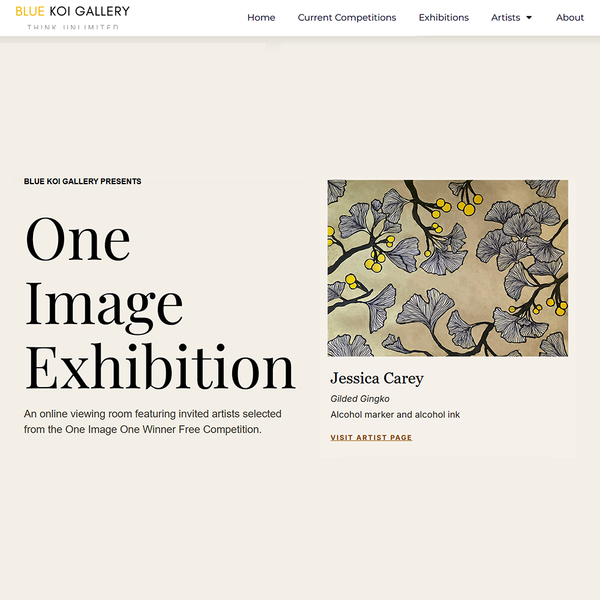
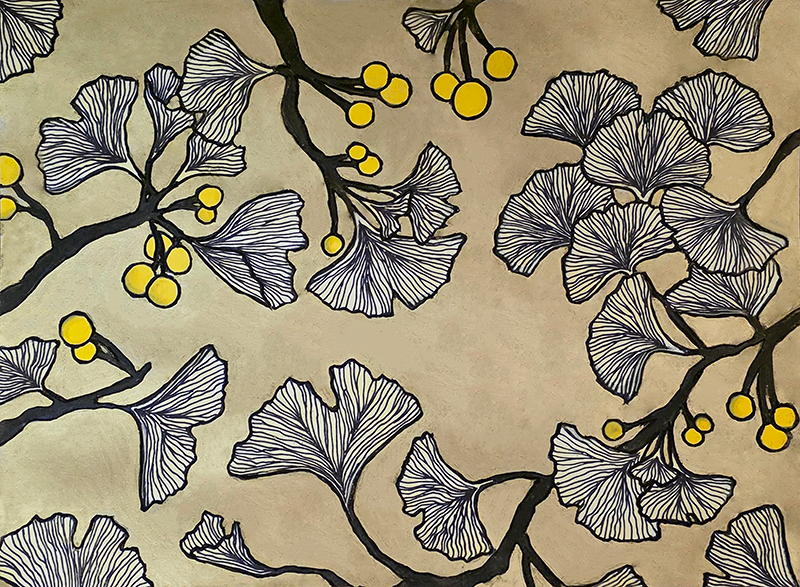
I already loved the distinctive shape of ginkgo leaves, and that unexpected connection eventually became Gilded Ginkgo—a drawing that later traveled far beyond the original challenge.
That experience captures much of what my first Inktober became.
It was not only a test of whether I could complete 31 assigned words; it was an exploration of what happens when external structure meets a creative mind that depends heavily upon interest, freedom, experimentation, and genuine inspiration.
A prompt can tell an artist where to begin, but it does not have to determine the route—or the destination.
The collection of my Inktober art pieces can be found at the end of this piece.
Accepting My First Inktober Challenge
Inktober is an annual creative challenge built around a list of 31 prompts—one for each day of October.
Its original emphasis is drawing in ink, although participants can choose different levels of intensity: completing the full daily list, creating every other day, or following a weekly schedule.
The rules are simple enough to understand.
Choose the day’s word, make an ink-based drawing inspired by it, and share the result if desired.
Yet a single word can open an enormous number of possibilities.
Even before making the first mark, an artist has to decide whether to approach it literally, symbolically, emotionally, humorously, or through some unexpected association.
I had never participated before the host of my art club encouraged me to try the 2026 challenge; being invited mattered.
I began without deciding that every response needed to share one style, size, surface, or process.
I wanted to work primarily with ink-based materials while leaving room for the prompts themselves to suggest what each piece might become.
That flexibility quickly proved essential.
Some ideas wanted the space of a full sheet of cardstock; others belonged on tile, wood, stone, patterned paper, or an existing field of color.
Accepting the challenge therefore meant accepting two things at once: the structure of a shared prompt list and the freedom to find my own route through it.
 Jessica Carey
When Inspiration Cannot Be Commanded
One of the clearest lessons from my first Inktober was that willingness and creative access are not always the same thing.
I had chosen to participate. I wanted to complete the challenge, and I cared about following through.
Even so, wanting to create a response did not guarantee that I could generate an idea on demand.
Some prompts immediately opened a path into the work, while others seemed to close every door I tried.
When a word connected with something that genuinely interested me, the process could feel almost effortless.
Ideas multiplied, decisions connected naturally, and I could become absorbed enough to spend far more time on the piece than anyone had asked of me.
The challenge was not motivating me through obligation in those moments; curiosity itself supplied the momentum.
When a prompt felt arbitrary or disconnected from my interests, the experience could reverse; the more it felt like something I was supposed to do, the harder it sometimes became to approach—even though participation had originally been my choice.
An autistic friend who has a PDA profile has believes I share some of those traits.
PDA is often described in terms of an intense need for autonomy and a nervous-system response that can make perceived demands unusually difficult to approach.
I do not currently know whether that framework fully describes me, and I do not want to claim a conclusion I have not established.
However, I do recognize the underlying tension my friend noticed: once an activity begins to feel like a demand, access to it can become much more difficult.
That difficulty is not accurately explained by laziness, indifference, or an unwillingness to work.
When inspiration is present, I may devote extraordinary attention, energy, and time to an idea.
The difference is not how deeply I care about creating; it is whether I can find an authentic point of connection that allows me to enter the process.
Creative challenges often present consistency as though it means producing with the same energy every day.
Human creativity rarely works that evenly, and neurodivergent motivation can be especially dependent upon interest, autonomy, novelty, urgency, personal meaning, and available capacity.
Recognizing that did not mean abandoning every prompt that failed to inspire me immediately; it meant that force was not always the most useful response.
I could research the word, reinterpret it, introduce humor, connect it with a character or animal, change the scale, choose a new material, or temporarily step away and return from another direction.
Those choices were not ways of avoiding the challenge; they were ways of creating access to it.
My creativity is less like a machine that produces identical results whenever someone presses a button and more like a current.
When I can enter that current, it may carry me farther than expected.
When I cannot, ordering the water to move does not make it flow.
Inktober helped me begin replacing the question: “Why can’t I simply make myself do this?” with a more useful one: “What would help this become something I can genuinely enter?”
Treating the Prompt as a Doorway, Not a Command
When a prompt did not immediately inspire me, the most useful shift was to stop treating it as a command with one correct response.
A word such as “apple” offered an obvious subject, but many of the prompts were less straightforward.
Words such as “flimsy,” “contraption,” “gangly,” or “stinky” could lead in countless directions.
That ambiguity sometimes made beginning difficult, but it also created room for interpretation.
Instead of asking only: “What am I supposed to draw for this word?” I began asking different questions:
- What does this word remind me of?
- Is there an animal, character, object, or memory connected with it?
- Could I make the interpretation humorous?
- Would research reveal something unexpected?
- Could the surface itself become part of the meaning?
- What would make me genuinely curious to create this?
Those questions helped transform several prompts that might otherwise have remained inaccessible.
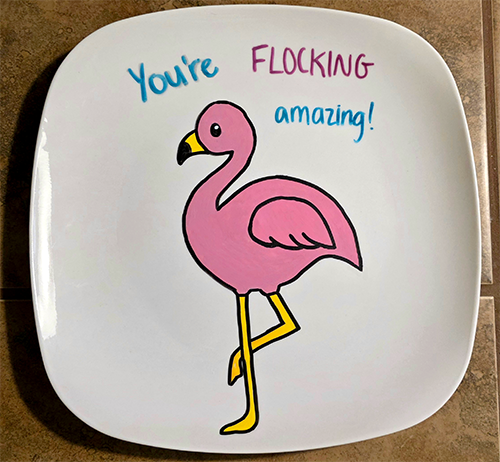
For “gangly,” I chose a flamingo.
Its long legs and recognizable silhouette allowed the word to become playful rather than awkward, and painting it on a ceramic plate made the response feel like a complete object instead of another drawing on paper.
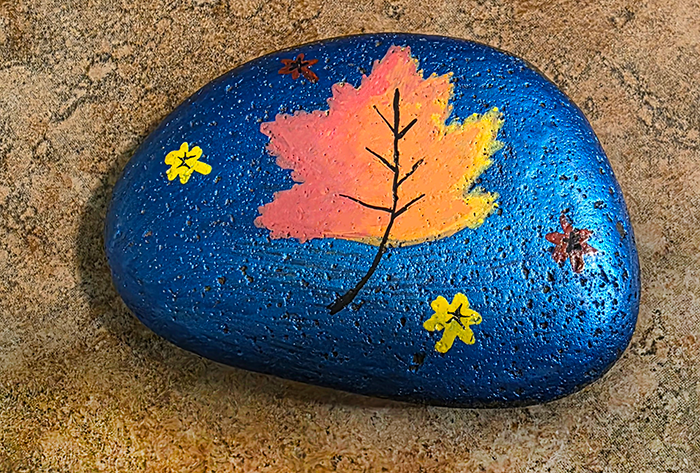
“Flimsy” became a small autumn leaf painted on a stone.
The contrast interested me: the image represented something thin, delicate, and temporary, while the surface beneath it was solid, heavy, and enduring.
The material did not merely hold the drawing; it complicated the meaning of the prompt.
For “flightless,” I created a penguin on a blue paint-color sample.
The existing color gave the animal an immediate environment and allowed a discarded commercial sample to become part of the finished composition.
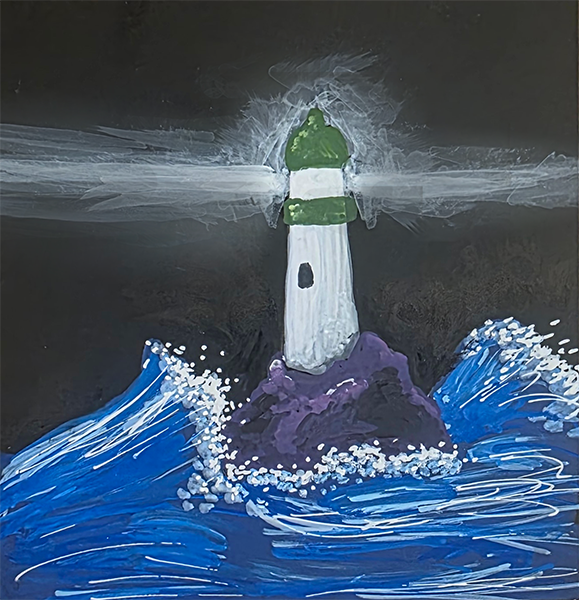
“Rescue” led me to a lighthouse surrounded by rough waves.
Rather than illustrating a dramatic rescue already taking place, I focused on the light that guides people toward safety.
The image became less about a single event and more about the presence of direction within danger.
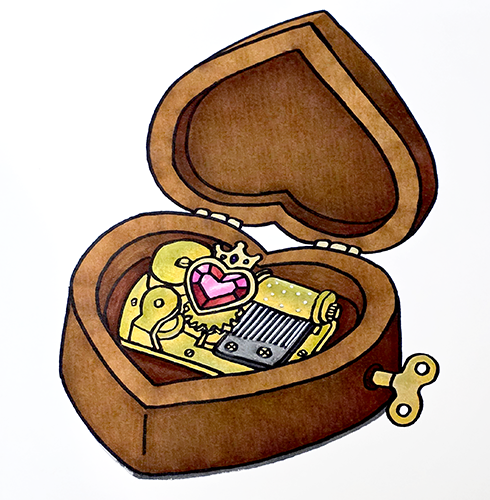
“Contraption” opened into a small, fantastical treasure-filled mechanism.
Because the word did not require a real or functional invention, I could build something from imagination—an object that seemed capable of holding its own unexplained purpose and story.
Other prompts required research before I found a route that interested me.
The most consequential example was “stinky,” whose unexpected transformation into Gilded Ginkgo would eventually carry one daily challenge piece far beyond Inktober.
Not every interpretation needed to be profound.
Some prompts became visual jokes, familiar characters, cute animals, or direct illustrations.
Others developed symbolism that I only fully recognized after the piece was underway.
The goal was not to prove that I could find a complicated meaning behind every word; it was to find an honest route into creating.
Once I stopped approaching each prompt as though it contained a hidden answer I was expected to discover, the list became more expansive.
A prompt could be literal or metaphorical, serious or silly, researched or spontaneous; it could lead to a full composition or a small experiment.
The word provided the doorway; I still had the freedom to decide how—or whether—to walk through it.
Also, being able to create many artworks connected with a strong interest did not mean I had equal capacity for every part of daily life; autistic capacity can be profoundly uneven: something chosen, regulating, familiar, or deeply engaging may remain accessible while administrative, social, sensory, or externally imposed tasks do not.
Creative output should not be mistaken for an unlimited supply of energy.
 Jessica Carey

Taking Ink Beyond Paper
Creative freedom did not only come from choosing an unexpected meaning for a difficult word; it also came from deciding that an apparently obvious prompt did not have to produce an obvious artwork.
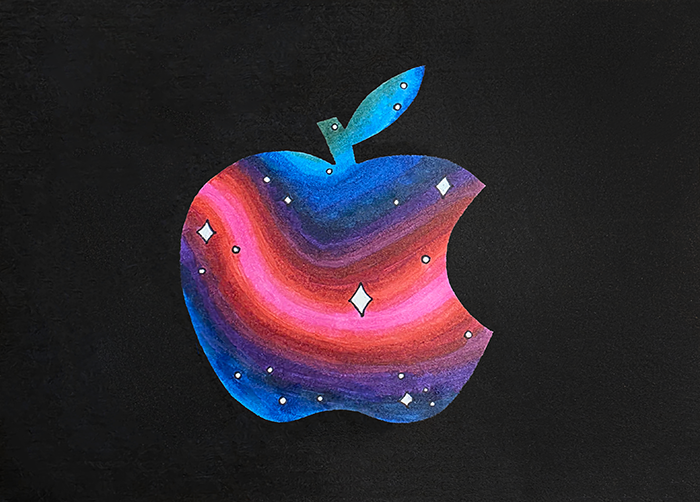
“Apple,” for example, could easily have become a traditional still-life study.
Instead, I turned it into a cosmic apple—glowing with saturated color against a dark, star-like background.
The central subject remained recognizable, but it belonged to a world created through my own visual interests rather than the most literal environment associated with the word.
That choice became representative of the month; I could honor a prompt without surrendering the freedom to transform it.
I approached the physical surfaces in much the same way.
Although paper and cardstock remained important throughout the challenge, I did not want every response to begin with the same white rectangle.
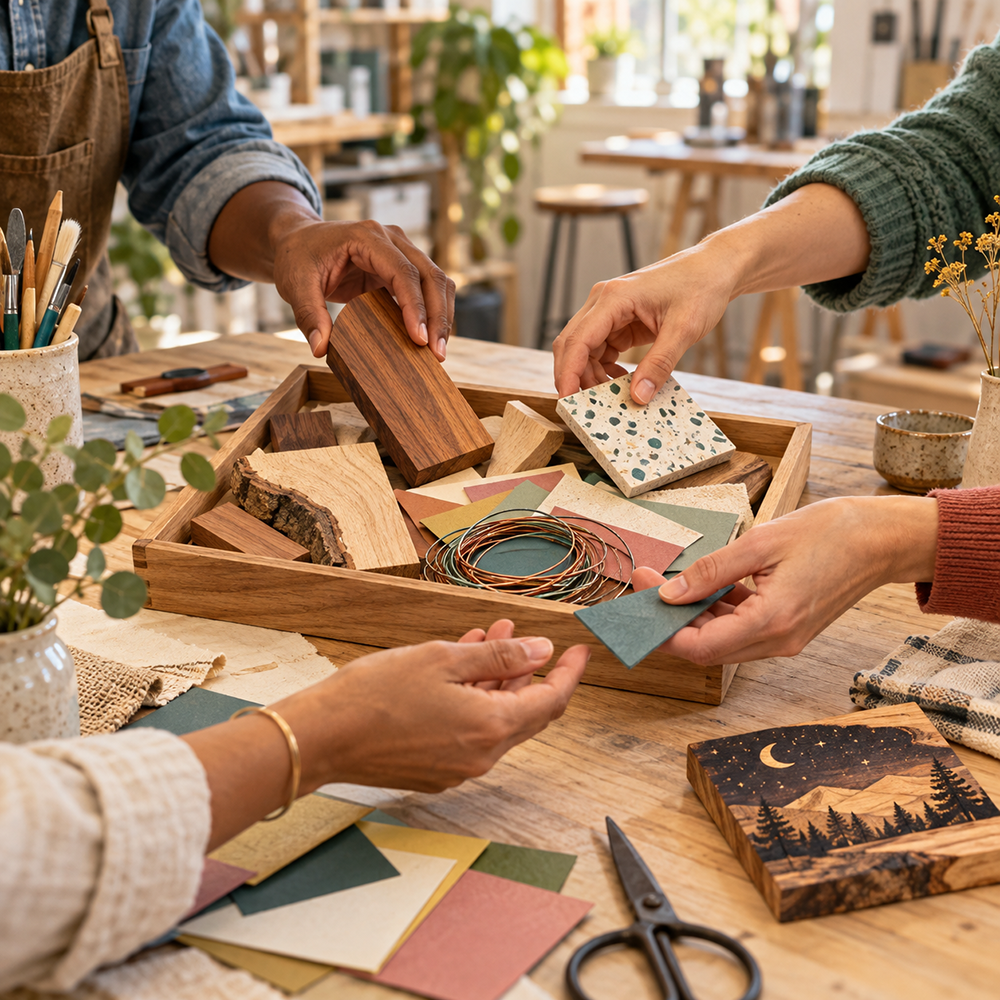
I had access to wood offcuts, discarded tile samples, paint-color samples, scrapbook paper, stone, and a ceramic plate.
Each material offered its own colors, textures, limitations, and possibilities.
 Jessica Carey
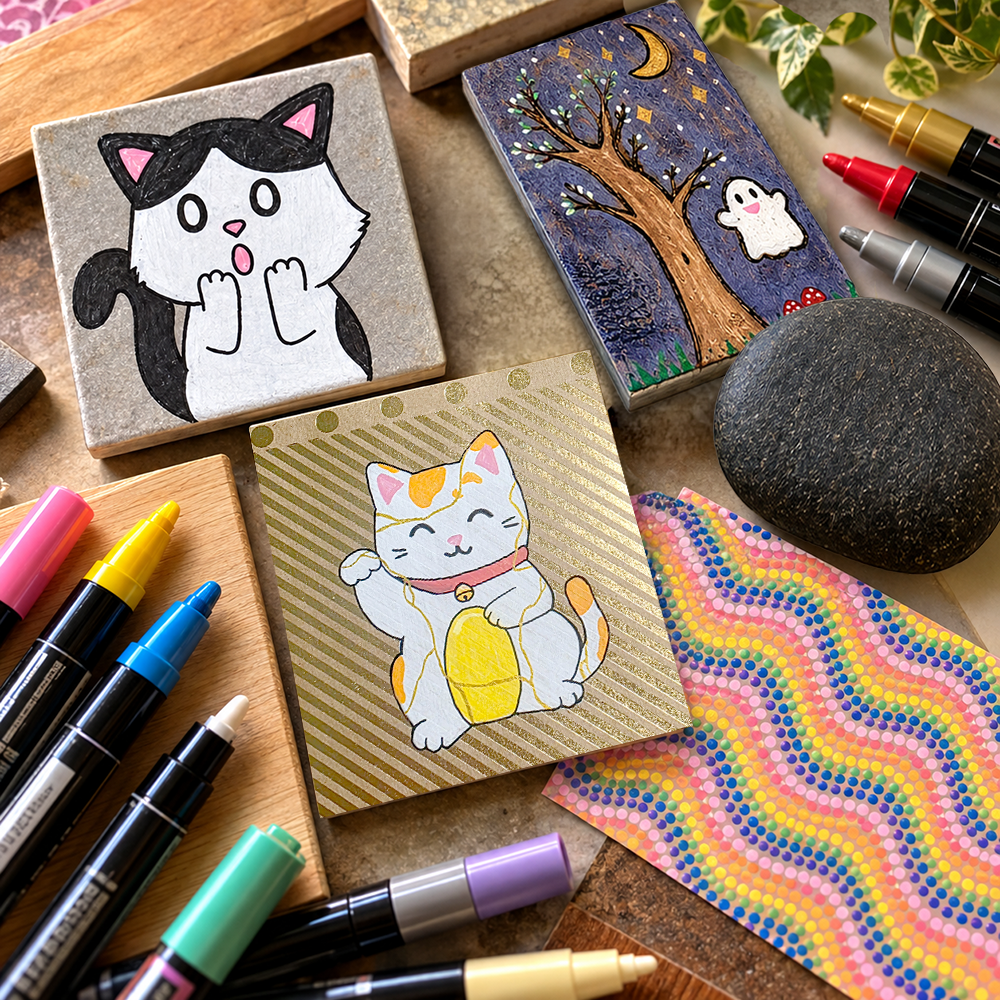
Discarded Tile Samples
Smooth tile gave paint markers a very different presence than paper.
The colors remained bright and opaque, and the hard surface made the finished pieces feel closer to small decorative objects.
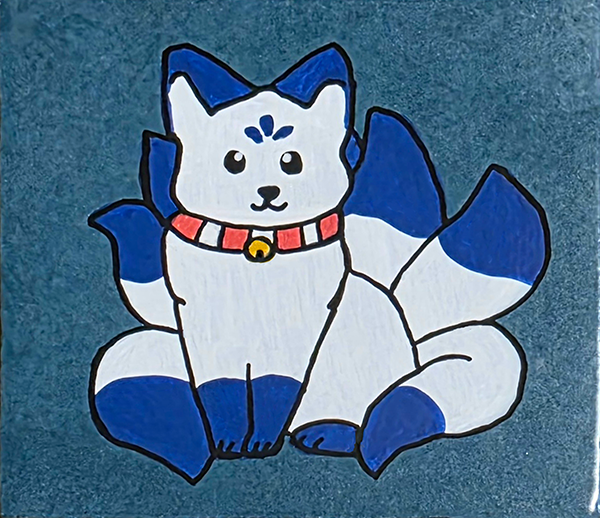
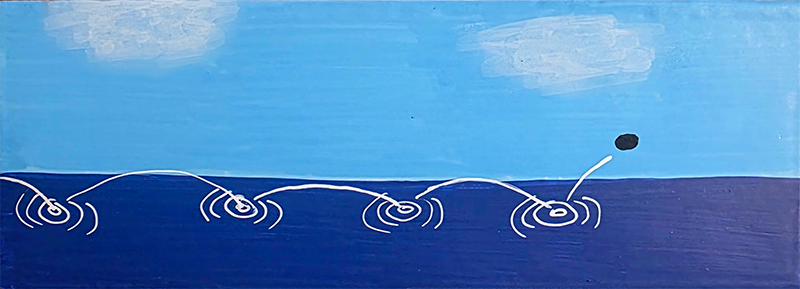
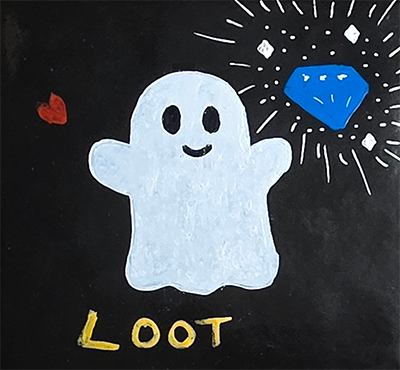
I used tile for “cactus,” “panic,” “mystical,” and “toss,” as well as the bonus Ghost Loot piece.
The same basic material supported a desert landscape, an expressive cat, stylized animals, a horizontal scene, and a playful ghost.
Working repeatedly on tile showed me that an unconventional surface does not dictate one kind of image; it can become a foundation for many visual approaches.
Wood Offcuts
Wood introduced qualities I could not have drawn onto a blank sheet.
Its grain, irregular shape, warmth, and previous history remained present beneath the image.
For “miniature,” I used woodburning and alcohol ink to create a tiny ghost in a forest scene on a small wood offcut.
The limited space suited the prompt, while the burned lines connected the image physically to the surface.
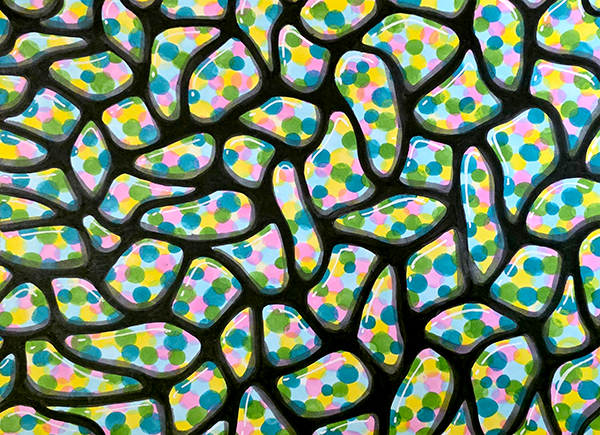
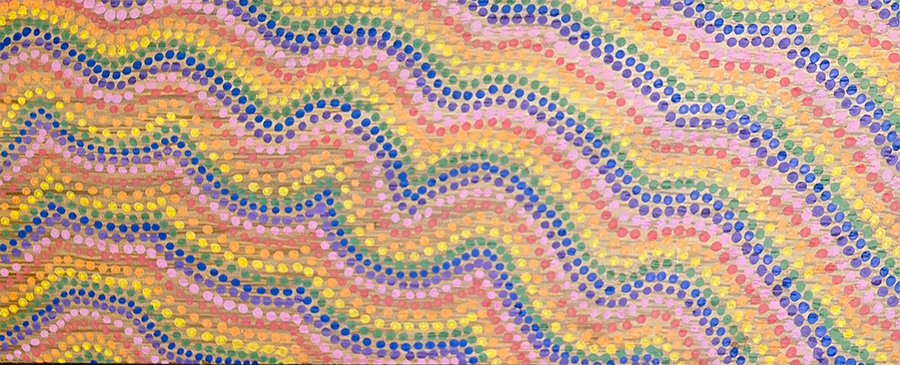
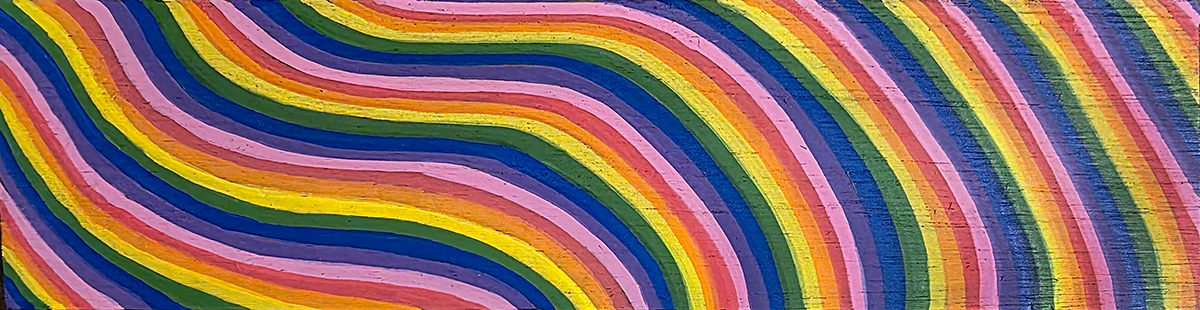
I also created two bonus pattern pieces on wood—one composed of colorful dots and another built from flowing rainbow lines.
These experiments allowed the material to remain visible rather than disguising it.
The artwork did not simply sit on top of the wood; it developed in conversation with what the wood already was.
Paint-Color Samples
Paint samples arrived with color already built into them.
Instead of choosing a completely neutral surface, I had to consider how an existing field of color could support or shape the image.
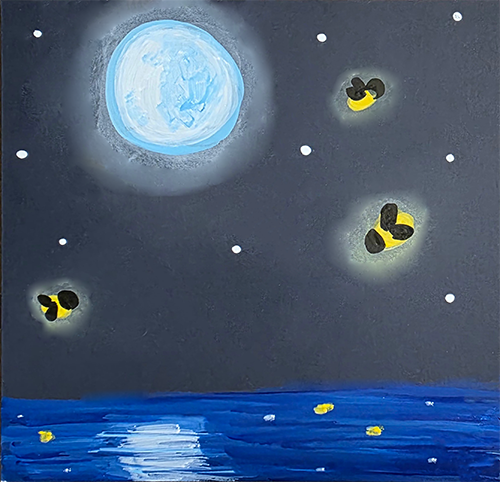
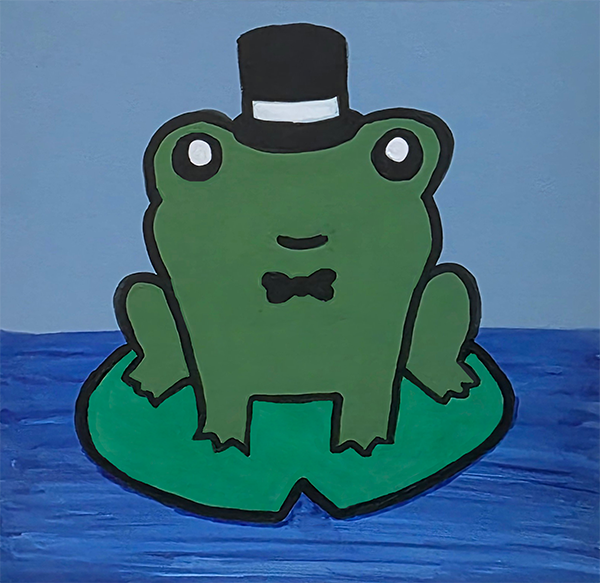
“Rescue,” “flightless,” “beacon,” and “dapper” each became small compositions on color samples.
A blue strip could suggest water or sky.
A dark background could become night.
The sample’s original purpose—to help someone imagine paint on a wall—was replaced by a new one, but its color continued contributing to the result.
Scrapbook Paper, Stone, and Ceramic
Other prompts led to surfaces I used only once.
For “relic,” patterned scrapbook paper became part of the environment surrounding the object.
Its existing design meant that I was not beginning from emptiness; I was responding to marks and colors already present.
“Flimsy” became a leaf painted on a stone, allowing the material to create a contrast between delicacy and weight.
“Gangly” became a flamingo painted on a ceramic plate.
The circular form framed the long-legged bird in a way that rectangular paper would not, while transforming an ordinary household object into an illustrated surface.
Returning to Cardstock
Experimenting with unusual materials did not make paper unimportant.
Many prompts became alcohol-marker, alcohol-ink, gel-pen, or dot-marker drawings on cardstock.
Paper offered room for larger compositions, layered color, character-based images, and detailed scenes that would have been more difficult to create on a small found surface.
The goal was never to reject traditional materials simply because they were familiar; it was to choose the surface that made a particular idea feel most alive.
Moving among these materials changed the challenge from a sequence of assigned drawings into a broader exploration of possibility.
Each day involved more than deciding what to depict.
I was also asking: What could this surface contribute? What could this ordinary or overlooked material become?
Sometimes creative liberty meant placing an apple among the stars.
Sometimes it meant turning a tile sample into a tiny painting, a strip of commercial color into a night sky, or a wood scrap into a home for a miniature ghost.
In every case, the prompt remained the beginning—not the boundary.
 Jessica Carey
The Pieces That Weren’t Assigned
Although the official challenge contained 31 prompts, my final collection contained 37 artworks.
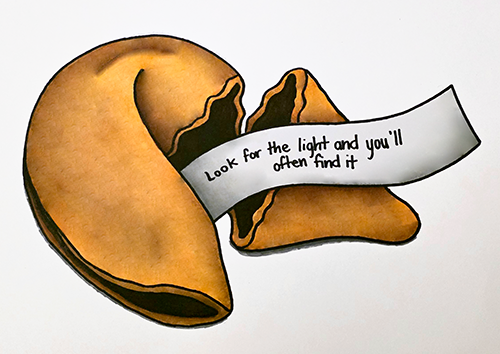
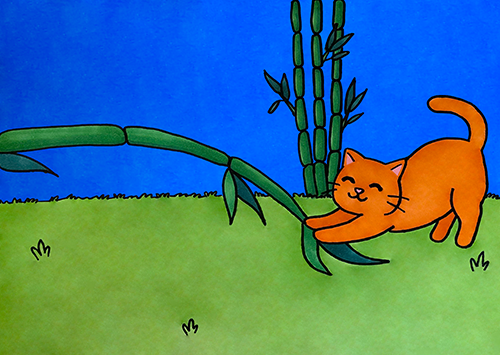
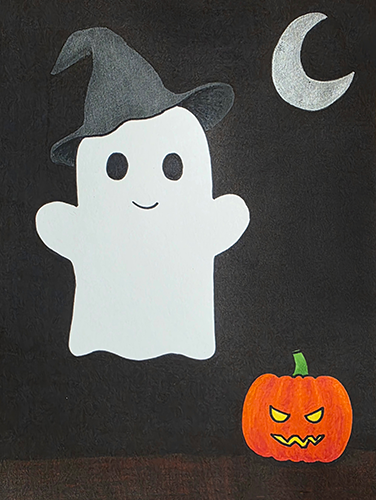
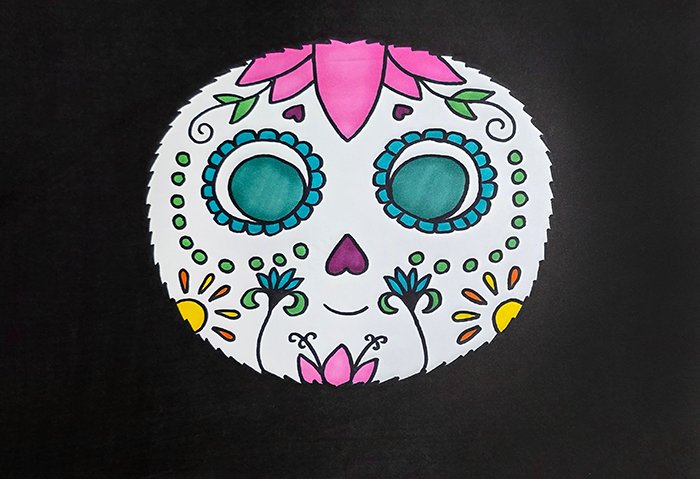
The six additional pieces included an abstract alcohol-marker drawing, a Día de los Muertos-inspired design, Ghost Loot, Spooky Season, and two colorful patterns created on wood offcuts.
None of them corresponded with a required word.
They emerged because the act of participating had created momentum beyond the list.
That difference interested me; some official prompts were difficult to approach precisely because they felt assigned, but the bonus pieces carried no such pressure.
They began with an image, material, seasonal idea, or visual pattern that I already wanted to explore.
The abstract drawing allowed lines, colors, and repeated forms to develop without needing to represent a prompt at all.
The Día de los Muertos piece and Spooky Season grew naturally from the imagery surrounding October.
Ghost Loot expanded the playful ghost imagery I had already been enjoying, while the wood patterns gave me an opportunity to follow color, rhythm, and repetition across the grain of the material.
These works were not interruptions that pulled me away from the “real” challenge; they were part of what the challenge had set in motion.
A structured project can create the conditions for unstructured exploration. Gathering materials for one prompt may reveal another possibility, while experimenting with a surface can generate questions the official list never asked.
The bonus pieces also revealed something about motivation.
Because they emerged through genuine curiosity rather than assignment, the desire to make them supplied its own energy.
That does not mean the official prompts lacked value; without the challenge, I might never have entered the sustained period of experimentation from which those additional works emerged.
Some days the prompt gave me an opening.
On others, creating one thing made me want to create something entirely different.
Both responses belonged to my first Inktober.
The challenge asked for 31 pieces. Inspiration answered with six more.
When “Stinky” Became Gilded Ginkgo
Of all the official prompts, “stinky” may have produced the most unexpected journey.
The word did not initially inspire an image I wanted to make.
The most obvious interpretations felt unappealing, and I had little interest in creating something simply because it was the first subject associated with the prompt.
Instead of forcing myself to choose one of those ideas, I began researching things known for unpleasant smells.
That search led me to ginkgo trees.
Although ginkgo leaves are admired for their distinctive fan-like shape and brilliant autumn color, the fleshy outer coating of the fallen seeds—often called ginkgo berries—is known for producing a powerful odor.
That contrast immediately interested me.
Something could be visually beautiful while carrying a quality that made people recoil from it.
Because I already loved the appearance of ginkgo leaves, the research gave me the point of connection I had been missing.
Using alcohol ink and alcohol markers on cardstock, I developed a repeating arrangement of golden leaves and berries.
What began as a response to an unappealing prompt gradually became one of the most detailed and visually cohesive pieces I created during the month.
When I shared the finished drawing at art club, several people compared it to hand-drawn wallpaper.
They noticed the repetition, pattern, and way the individual botanical forms worked together across the surface.
More importantly, they encouraged me to submit the piece to an art competition.
That encouragement helped me see the work differently.
I knew the route that had produced it: uncertainty, research, experimentation, and the need to find an interpretation I could genuinely care about.
Other people encountered the completed image without carrying that history.
They simply saw a piece that made them pause and look more closely.
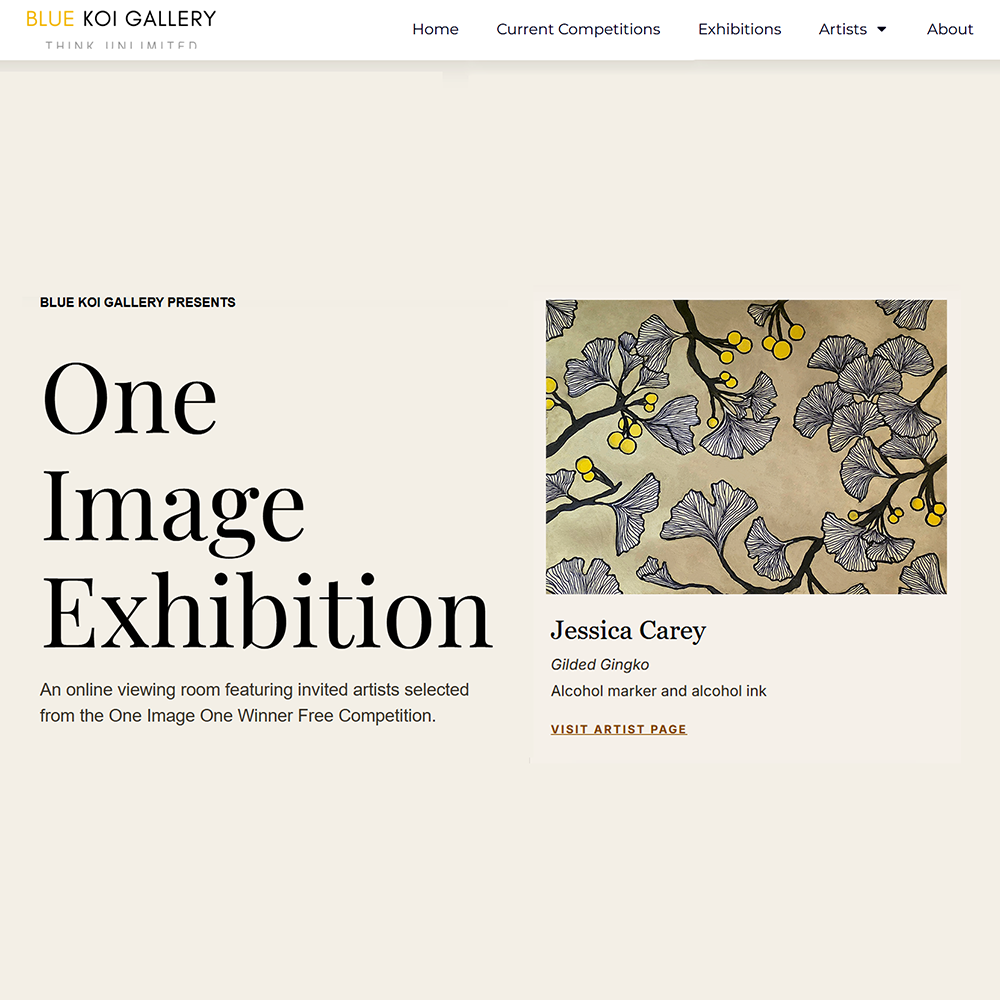
I later submitted Gilded Ginkgo to Blue Koi Gallery’s One Image One Winner competition.
Among more than 550 submissions, it was invited into the gallery’s October 2026 curated online exhibition.
The prompt I initially struggled to enter became the artwork that traveled farthest beyond Inktober.
That outcome does not mean every difficult prompt needs to produce an exhibition piece; it does demonstrate what can happen when difficulty is treated as a reason to search for another route rather than proof that no route exists.
If I had forced myself to accept the first predictable interpretation of “stinky,” Gilded Ginkgo probably never would have existed.
Its journey also reminds me that the importance of an artwork cannot always be predicted while it is being made.
A daily challenge piece can become something more.
An experiment can reveal a direction worth pursuing.
A room of people can recognize potential that the artist has not yet fully considered.
Inktober gave me the word “stinky.”
Research led me to ginkgo berries.
Curiosity turned them into a pattern.
Community encouragement led me to submit the result; it was selected for Blue Koi Gallery’s international online exhibition, and I also entered it in Blick’s Pen & Ink Challenge.
One word opened the door, but each act of curiosity, trust, and willingness carried the work farther through it.
 Jessica Carey
Completion Without Creative Rigidity
Finishing all 31 official prompts did not require all 31 pieces to follow an identical process.
The works varied in size, surface, medium, complexity, and the amount of time they required.
Some became detailed compositions on 9 × 12-inch cardstock.
Others were small images created on paint samples, tile, wood, stone, scrapbook paper, or ceramic.
Alcohol markers might suit one idea, while paint pens, gel pen, alcohol ink, dot markers, or woodburning gave another piece the qualities it needed.
The results also varied in depth.
Some prompts led to meaningful symbols or unexpected conceptual connections.
Others became cute animals, familiar characters, visual jokes, direct illustrations, or opportunities to enjoy color and pattern.
Not every daily artwork needed to become a masterpiece—or attempt to be one.
Creative challenges can quietly become measures of obedience, productivity, and endurance.
Completing the list may begin to matter more than remaining connected with the reasons someone wanted to create in the first place.
A practice intended to encourage experimentation can become another set of rules through which an artist judges whether they are disciplined, productive, or “serious” enough.
I did want to complete the challenge, but I did not want completion to require creative sameness.
Allowing the works to differ made following through more possible.
On a day when I had the interest and capacity for a developed composition, I could pursue it.
When a prompt supported a smaller or more direct response, that could be enough.
This was not lowering the standard; it was recognizing that the appropriate standard was not identical effort applied in an identical way every day.
The official prompt list provided continuity, while flexibility made that continuity sustainable.
Changing the material, reinterpreting a word, researching an unexpected connection, simplifying an image, or following a more playful idea allowed me to remain engaged without treating difficulty as a moral failure.
That distinction can be especially important for neurodivergent creators.
Motivation, focus, energy, and access to ideas may fluctuate according to interest, autonomy, novelty, sensory conditions, available capacity, and whether an activity has begun to feel like a demand.
A rigid process may interpret those variations as inconsistency, while a responsive process can treat them as useful information.
Completion can therefore mean something more generous than reproducing the same conditions and effort 31 times.
It can mean returning to the practice through different doors.
Some days I entered through detailed drawing.
Other days I entered through humor, research, a familiar character, an unusual surface, or a small material experiment.
The route changed, but I continued participating.
By the end of October, I had completed every official prompt and created six additional pieces; that accomplishment mattered—but not because I proved that I could force myself through one unchanging method.
I completed Inktober because I allowed my method to change.
The collection is cohesive not because every work looks the same, but because each one records another attempt to meet structure with curiosity.
Together, the pieces show that consistency and flexibility do not have to oppose one another.
Sometimes flexibility is what makes consistency possible.
A Prompt Is Only the Beginning
My first Inktober began with an invitation from the host of my art club and a list of 31 words.
It ended with 37 artworks, experiments across several unexpected surfaces, a deeper understanding of my own motivation, and one drawing that traveled from an initially unappealing prompt into an international online exhibition.
None of that would have happened if I had treated every word as an instruction to create its most conventional image.
Sometimes the straightforward interpretation simply felt too boring to hold my attention.
A regular apple did not offer enough for me to explore, but a luminous cosmic apple did.
The predictable subjects associated with “stinky” left me uninterested, but researching unusual sources of odor led me to the visual beauty of ginkgo leaves and berries.
That does not mean traditional subjects or literal interpretations lack value.
Another artist might find endless possibility in studying an ordinary apple—its color, weight, reflected light, bruised surface, or place within art history.
The important distinction is not between an interesting subject and an objectively boring one; it is between an approach that creates a genuine point of connection for the artist and one that does not.
For me, novelty often creates that connection.
I am drawn to asking what else something could become.
- What if the apple belonged among the stars?
- What if a paint sample became a night sky?
- What if a wood scrap held a tiny ghost?
- What if “flimsy” appeared on something heavy?
- What if the prompt everyone associates with unpleasantness became an intricate botanical pattern?
Those questions gave my mind something to reach toward.
Boredom can sometimes be useful information; it may indicate that an idea needs another layer, an unexpected material, a contradiction, a different scale, or permission to move beyond the first answer.
It does not always mean the work should be abandoned.
Sometimes it means the doorway has not become interesting enough to walk through yet.
Inktober provided the doors, but I still needed freedom to decide what might exist on the other side.
That freedom did not prevent me from completing the challenge; it helped make completion possible.
By allowing each prompt to become a conversation rather than a command, I could keep returning through research, humor, characters, unusual surfaces, symbolism, direct illustration, and play.
The collection that resulted does not follow one visual style or one method; its unity comes from a repeated question: what could this become?
A prompt can offer a place to begin, but it does not have to determine where an artwork ends.
Sometimes the most meaningful response is not obedience to the first obvious idea; it is the moment curiosity takes the prompt by the hand and leads it somewhere neither the list nor the artist expected to go.
The Complete Inktober 2026 Collection
Below is the complete collection from my first Inktober: all 31 official prompts presented in chronological order, followed by the six additional pieces that emerged beyond the prompt list.
Together, they document a month of experimentation across ink, markers, woodburning, paper, tile, wood, stone, paint samples, and ceramic.
October 1 - apple: 12x9 alcohol marker on cardstock
October 2 - relic: paint markers/paint pens on scrapbook paper
October 3 miniature: woodburning and alcohol ink on small wood offcut
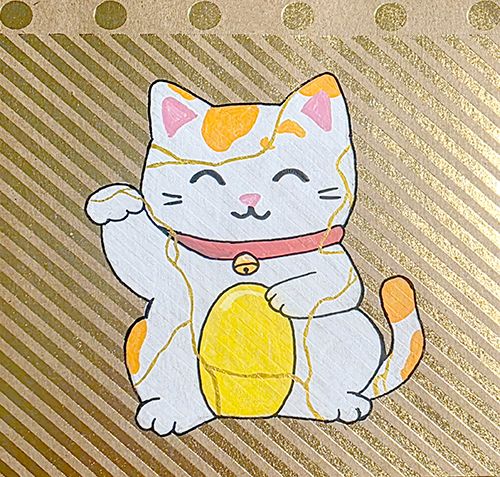
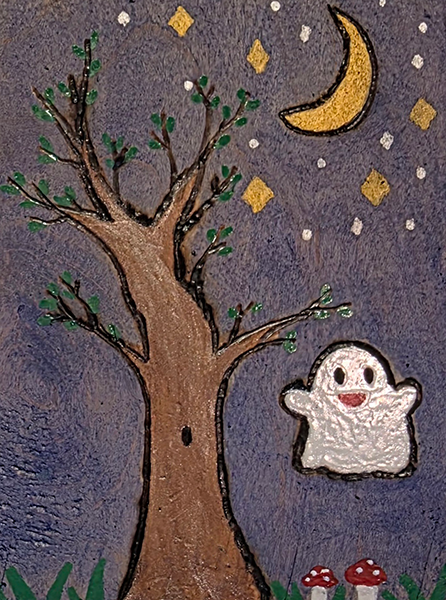
October 4 - cactus: paint markers/paint pens on tile
October 5 - smack: 12x9 alcohol markers and dot markers on cardstock
October 6 - ogre: 12x9 alcohol markers and dot markers on cardstock
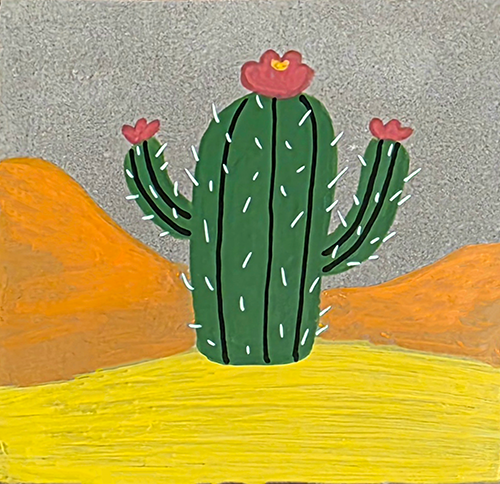
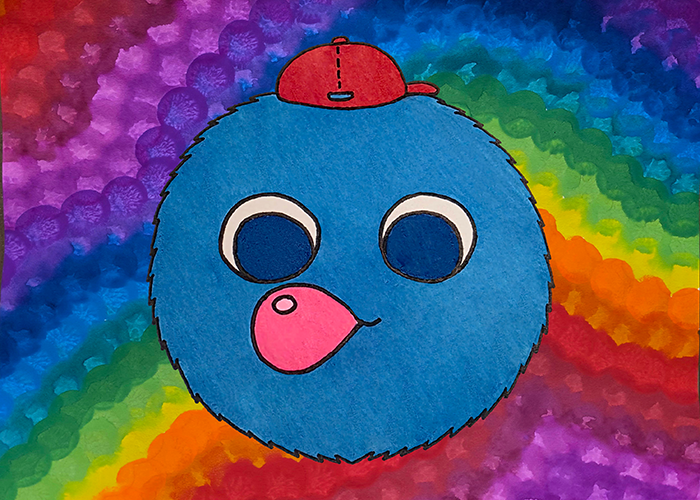
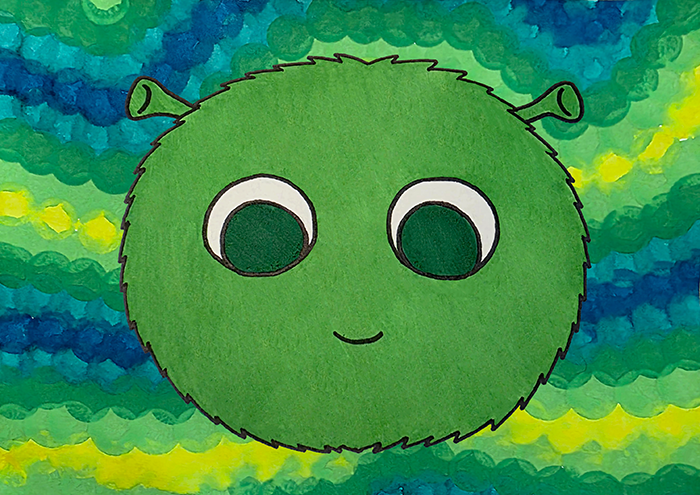
October 7 - panic: paint markers/paint pens on tile
October 8 - stinky: 12x9 alcohol ink and alcohol markers on cardstock
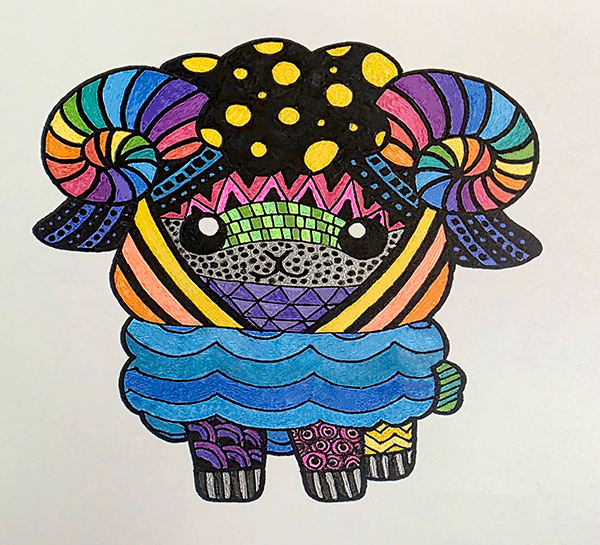
October 9 - ram: gel pen on cardstock
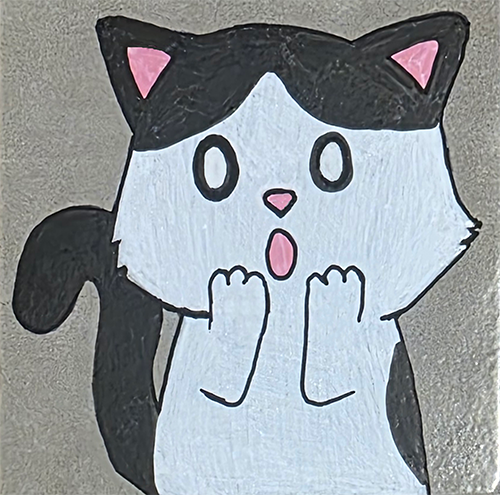
October 10 - mystical: paint markers/paint pens on tile
October 11 - rescue: paint markers/paint pens on paint color sample
October 12 - toss: paint markers/paint pens on tile
October 13 - flimsy: paint markers/paint pens on a stone
October 14 - lady: 12x9 alcohol ink and alcohol marker on cardstock
October 15- hooray: alcohol markers on cardstock
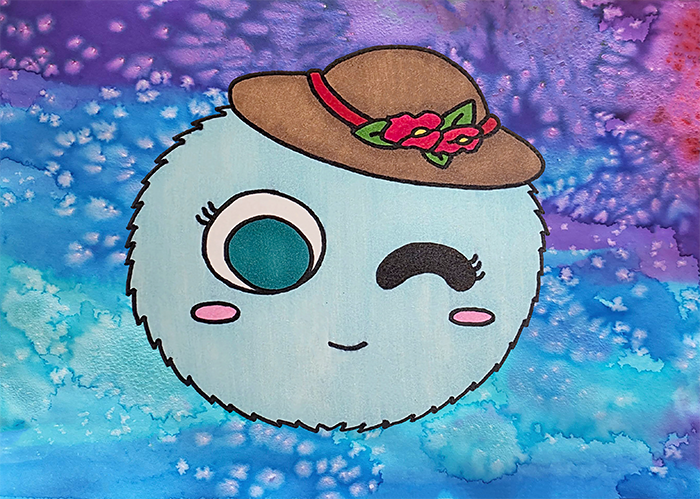
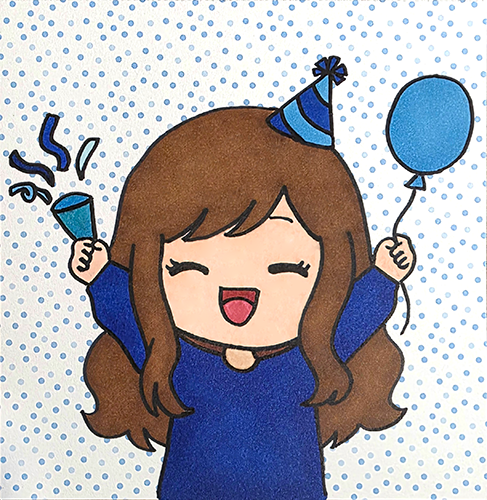
October 16 - gangly: paint markers/paint pens on a ceramic plate
October 17 - contraption: alcohol markers on cardstock
October 18 - flightless: paint markers/paint pens on paint color sample
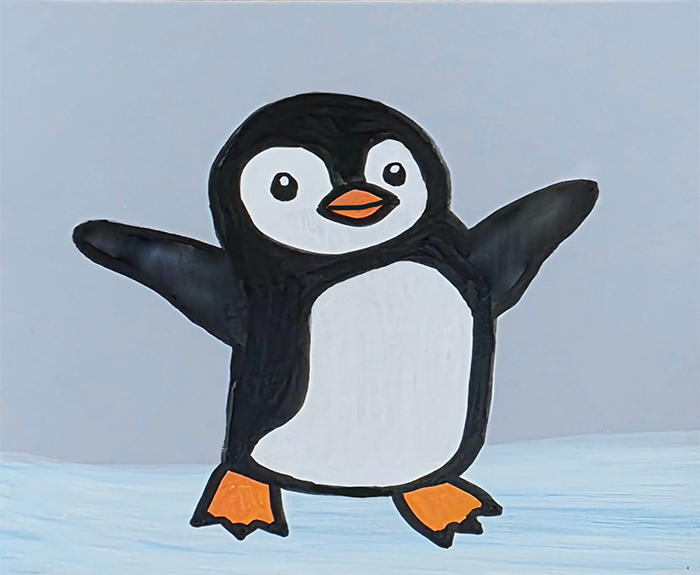
October 19 - confused: alcohol markers on cardstock
October 20 - lounge: 12x9 alcohol markers on cardstock
October 21 - hero: 9x12 alcohol markers on cardstock
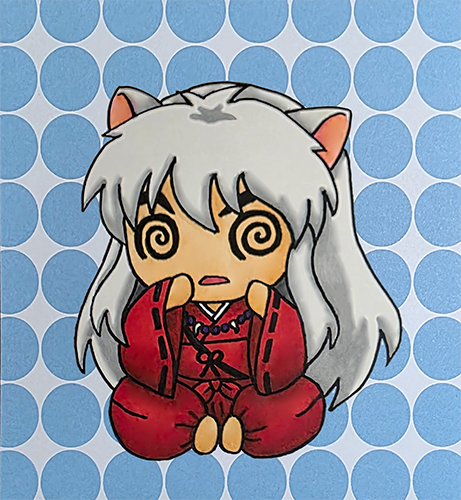
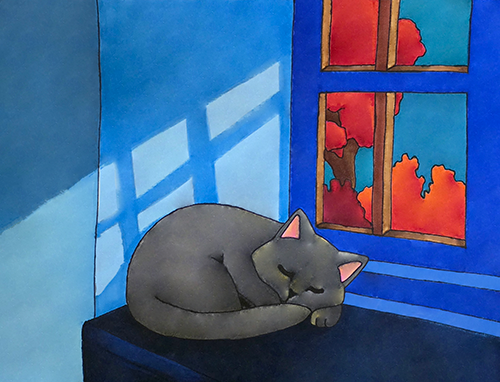
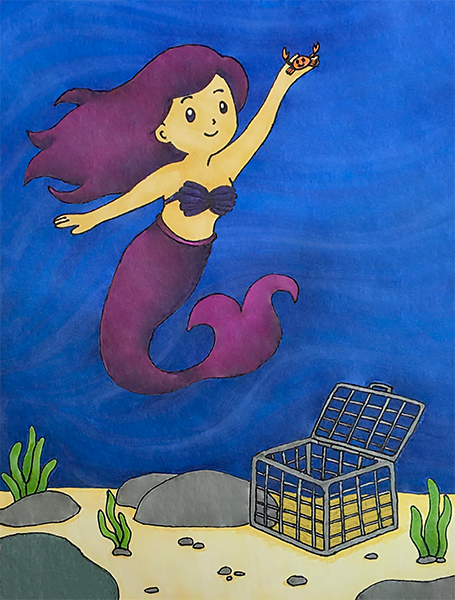
October 22 - beacon: paint markers/paint pens on paint color sample
October 23 - dapper: paint markers/paint pens on paint color sample
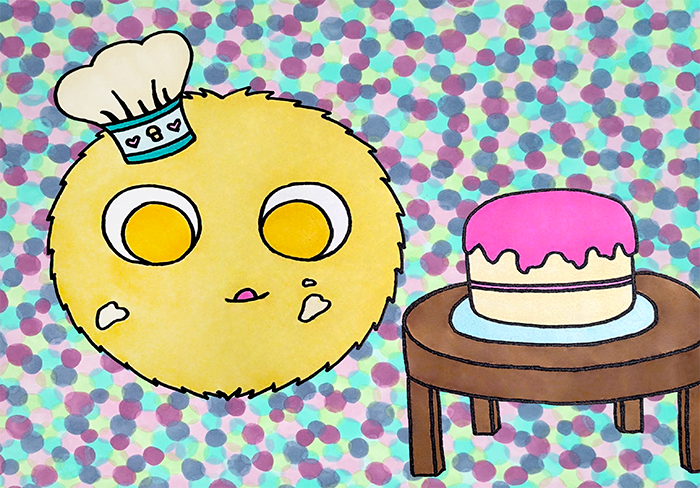
October 24 - bake: 12x9 alcohol markers on cardstock
October 25 - fracture: 9x12 alcohol markers on cardstock
October 26 - zip: alcohol markers on cardstock
October 27 - dumb: 9x12 alcohol markers on cardstock
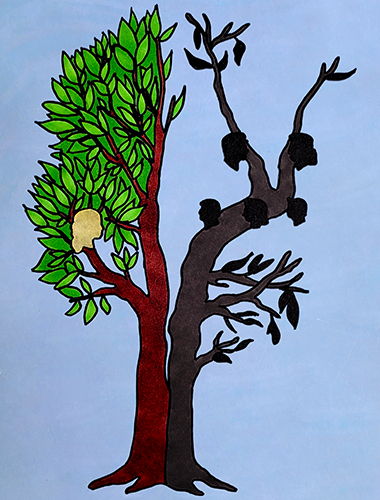
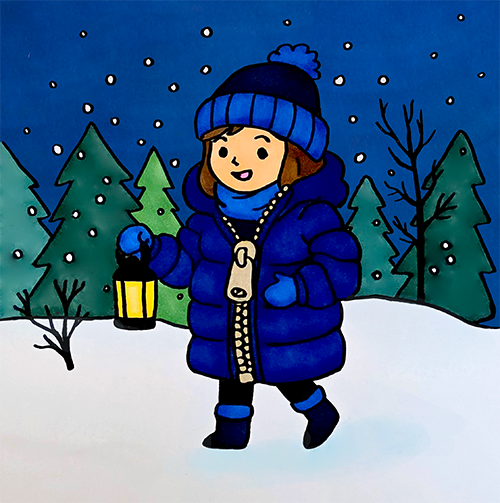
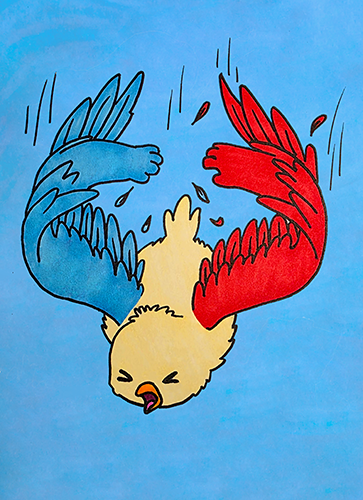
October 28 - trophy: 9x12 alcohol markers on cardstock
October 29 - tusk: alcohol markers on cardstock
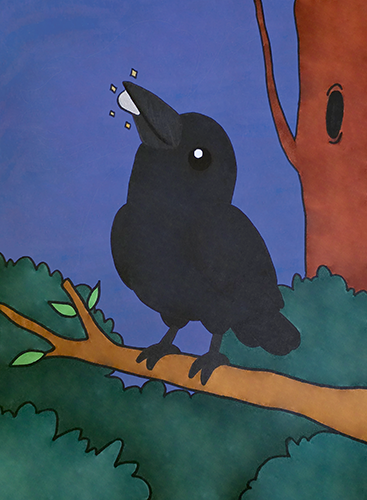
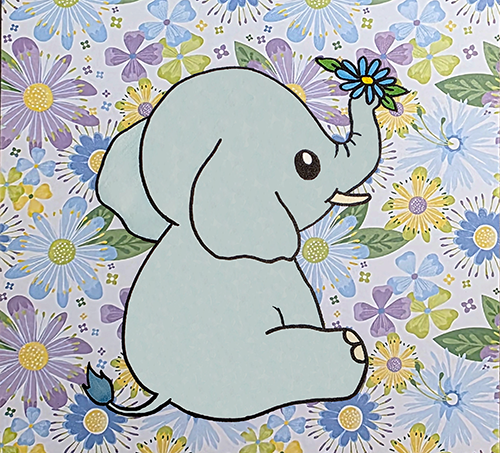
October 30 - cookie: alcohol markers on cardstock
October 31 - flex: 12x9 alcohol markers on cardstock
Bonus drawings:
Want even more content about creativity and art?
Be sure to check out all of our creative chronicles!
If you'd like to see examples of my work, you can find some of my art and creations at Redbubble and Gumroad!
Looking to learn more about my recent journey?
Check out some of these articles:
-Hidden Gems for St. Louis Artists
-Hidden Gems for Autistic & Neurodivergent Adults
-Learning What Love Was Supposed to Feel Like
-I Wasn't Broken--I'm Burned Out
-What Chronic Autistic Burnout Actually Feels Like
-Building a Life from What Remains
 Jessica Carey