
Sometimes creativity begins with a simple question: “What could this become?”
As artists, makers, and creative people, it can be easy to believe that creating always starts with brand-new supplies from an art store.
A fresh canvas.
A new sketchbook.
A perfectly organized shelf of materials waiting to become something beautiful.
And while traditional art supplies are wonderful, creativity has never been limited to only the things labeled “art supplies.”
Sometimes creativity begins with something someone else no longer needs.
A forgotten frame.
A scrap piece of wood.
A leftover material.
A random object sitting on a shelf waiting for someone to see its potential.
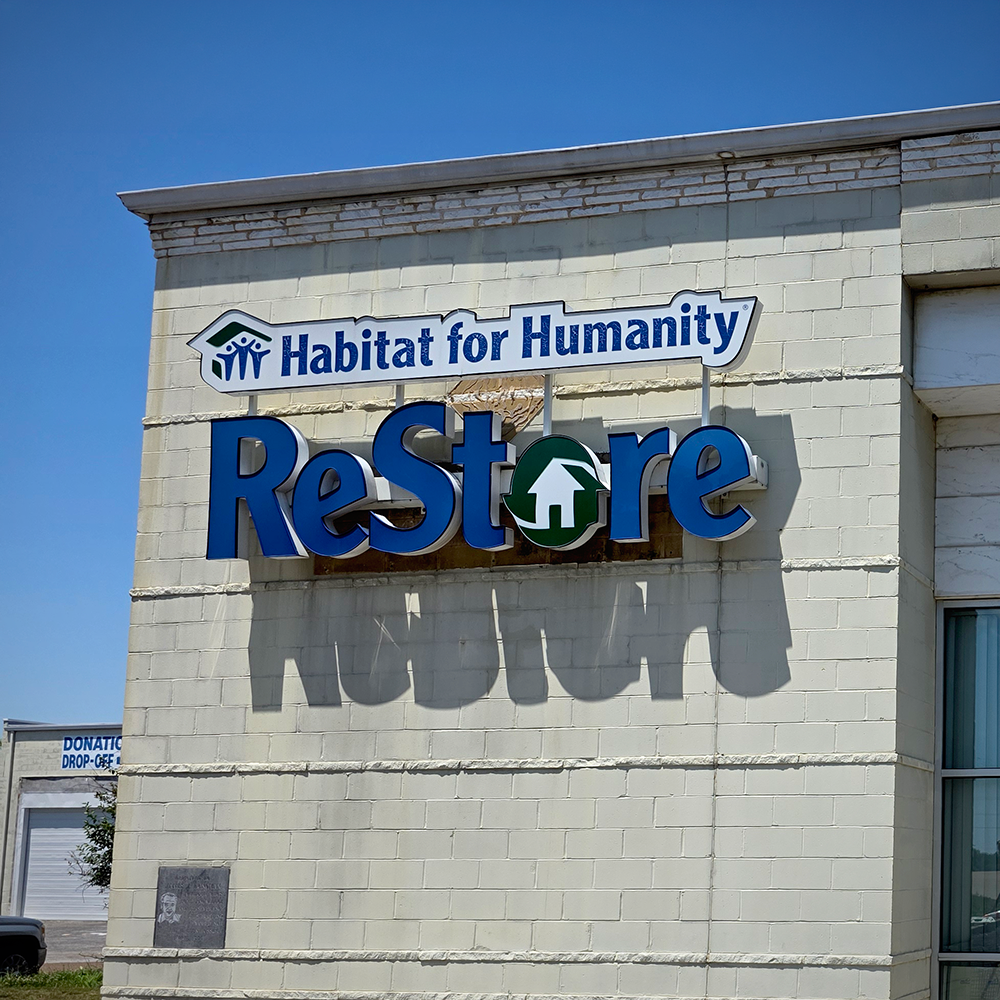
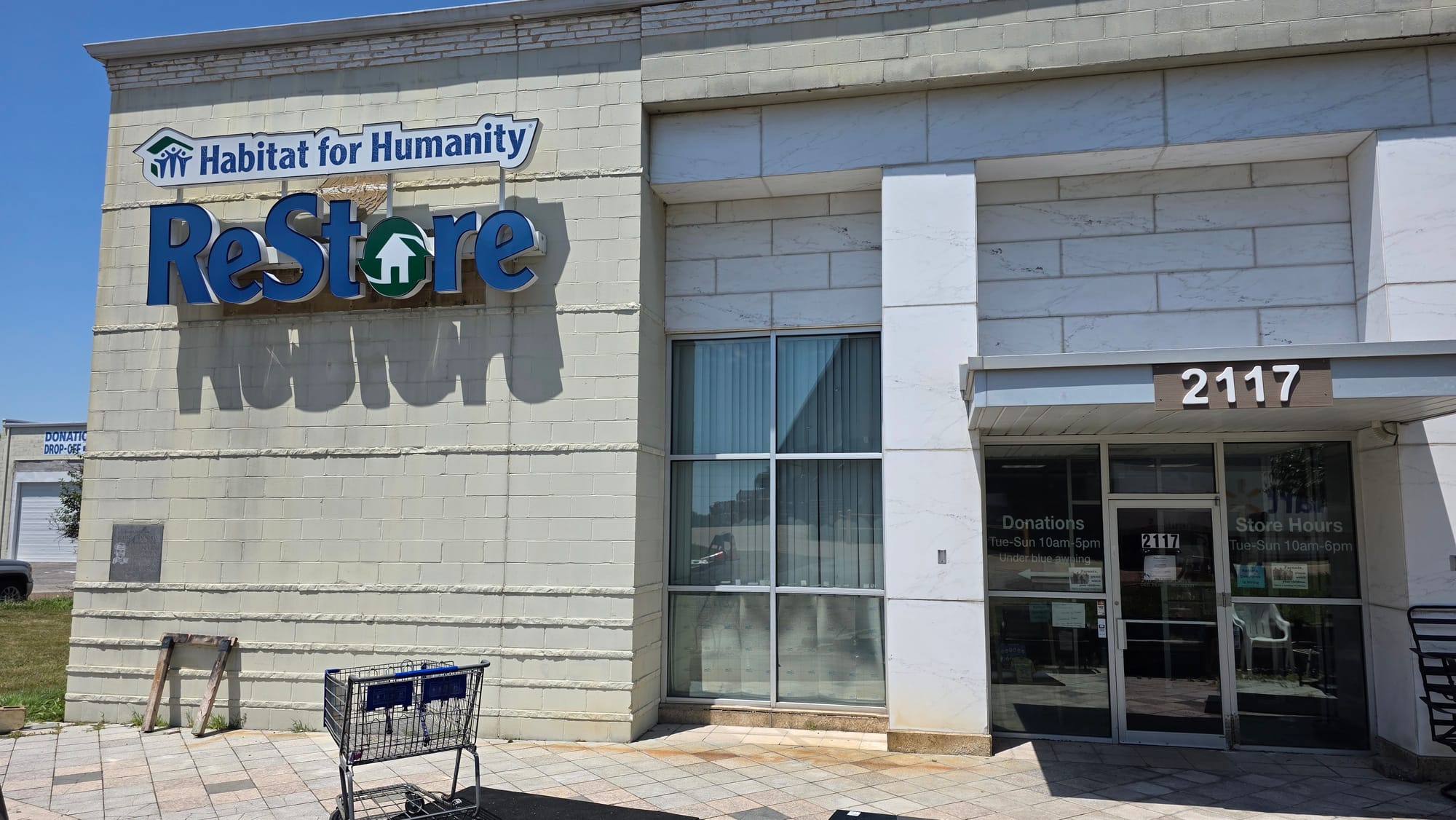
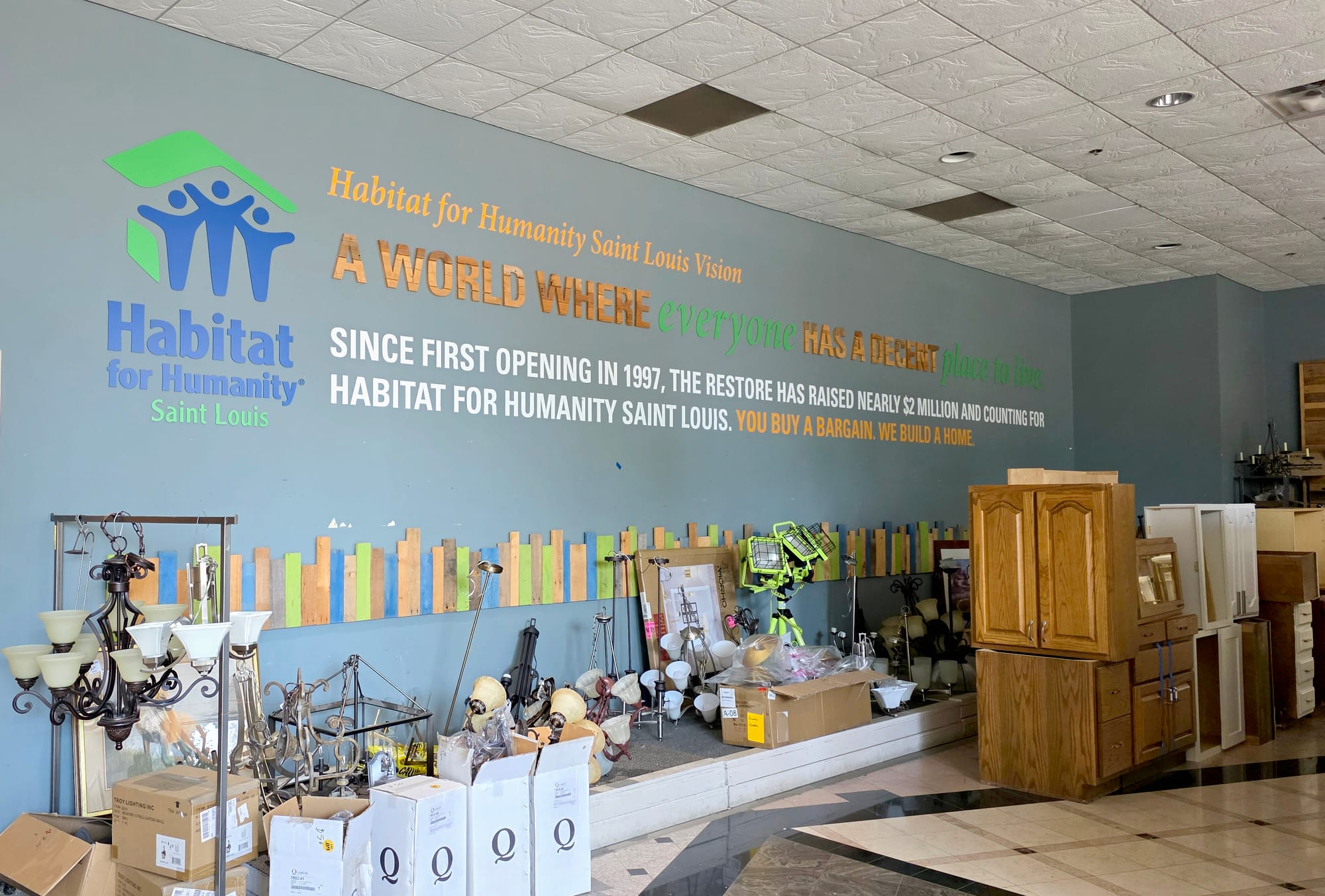
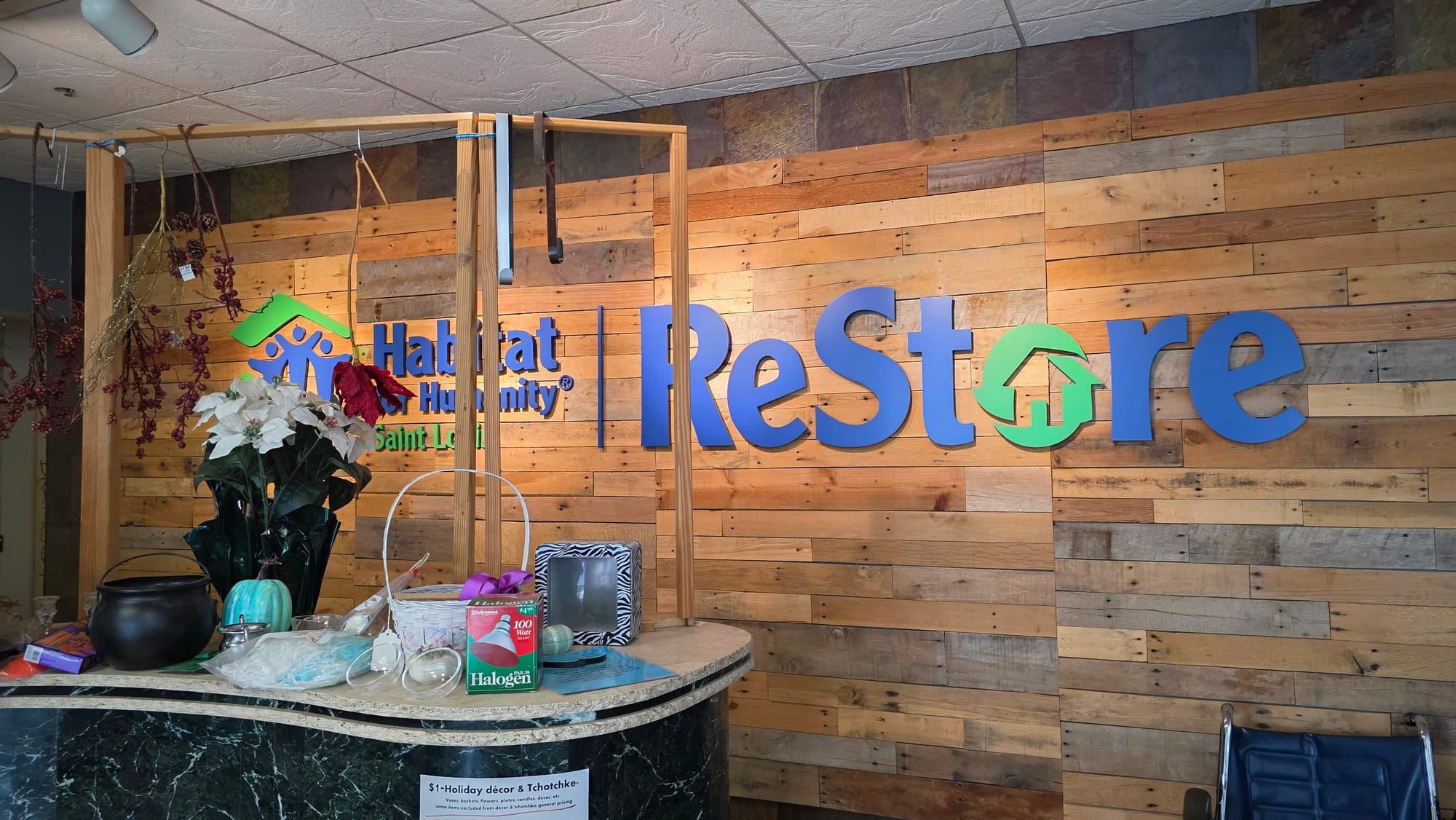
That curiosity recently led me to visit Habitat for Humanity ReStore in Des Peres for the first time.
And honestly?
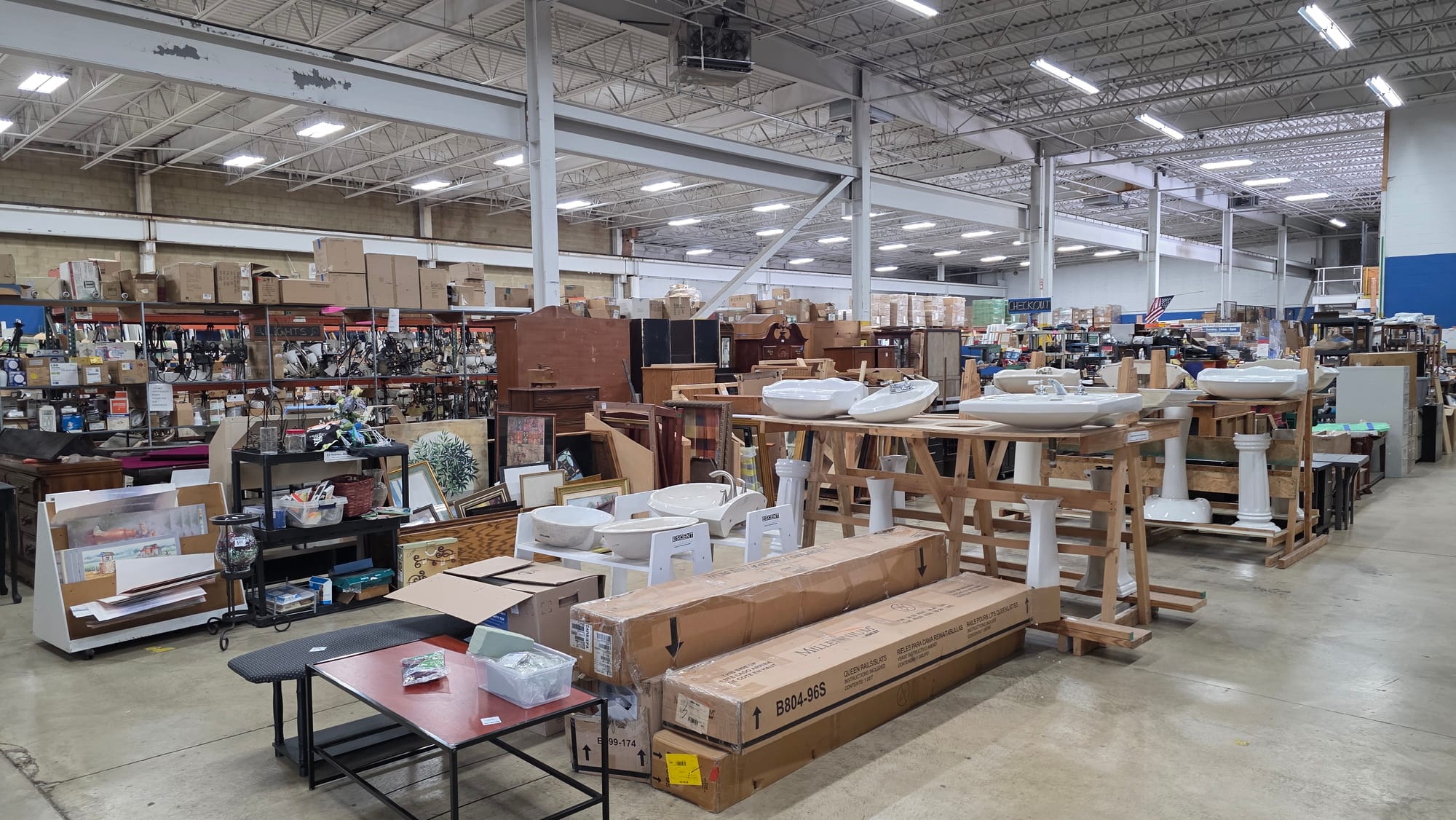
It felt like stepping into a giant warehouse-sized garage sale full of possibilities.
What Is Habitat for Humanity ReStore?
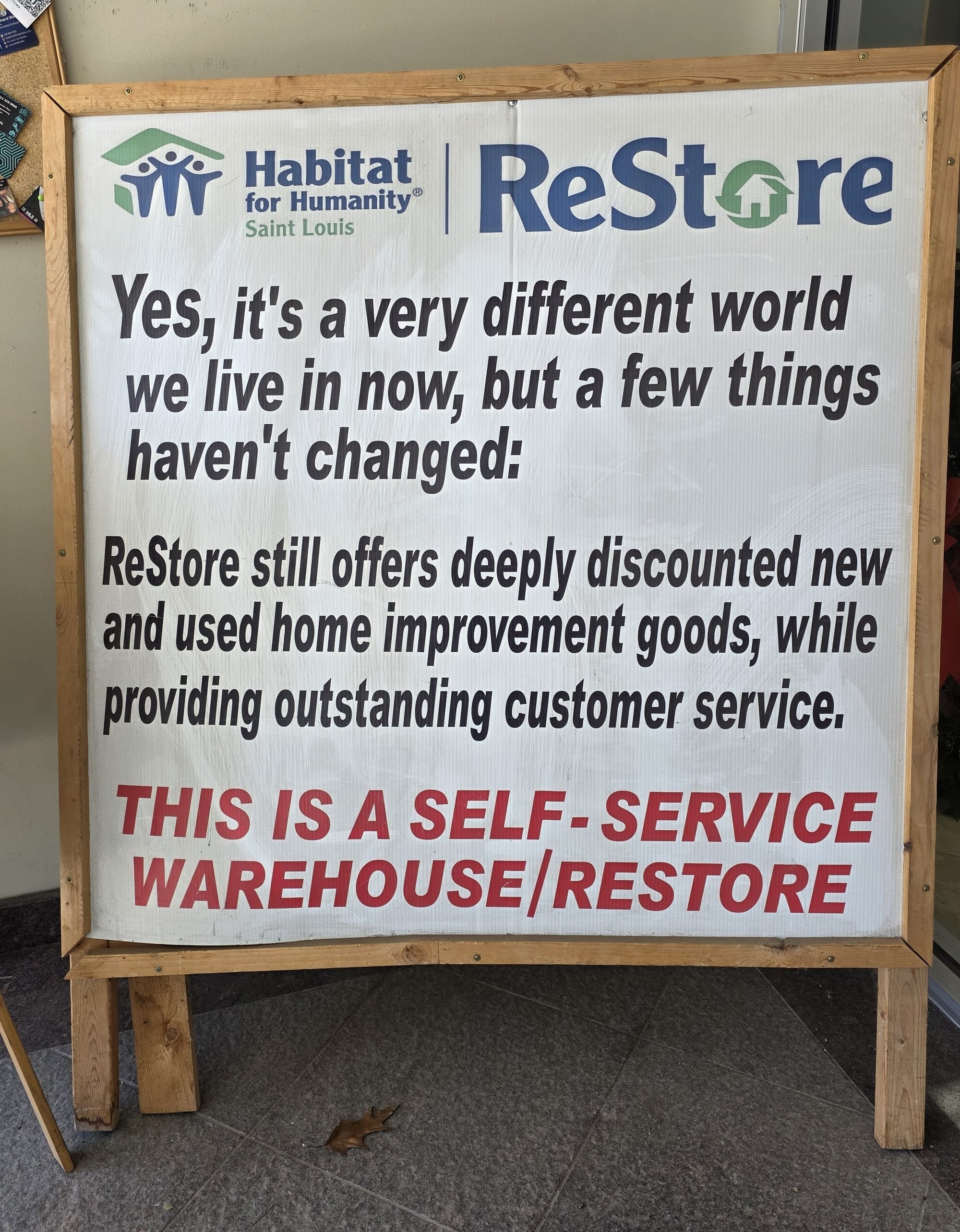
Habitat for Humanity ReStores are nonprofit home improvement stores and donation centers that sell donated new and gently used items.
Instead of usable materials going to waste, items are given another opportunity to find a home.
Purchases at Habitat ReStore also help support Habitat for Humanity’s larger mission of helping build and improve places people call home, adding another layer of community impact.
Depending on the location and current donations, ReStores may carry things like:
- Furniture
- Cabinets
- Hardware
- Tools
- Lighting
- Building materials
- Home décor
- Frames
- Unique secondhand finds
Since inventory comes from donations, every visit can look completely different.
You never really know what you are going to find.
And for creative people?
That can actually be part of the fun.
Searching for Copper Wire and Finding Something Unexpected
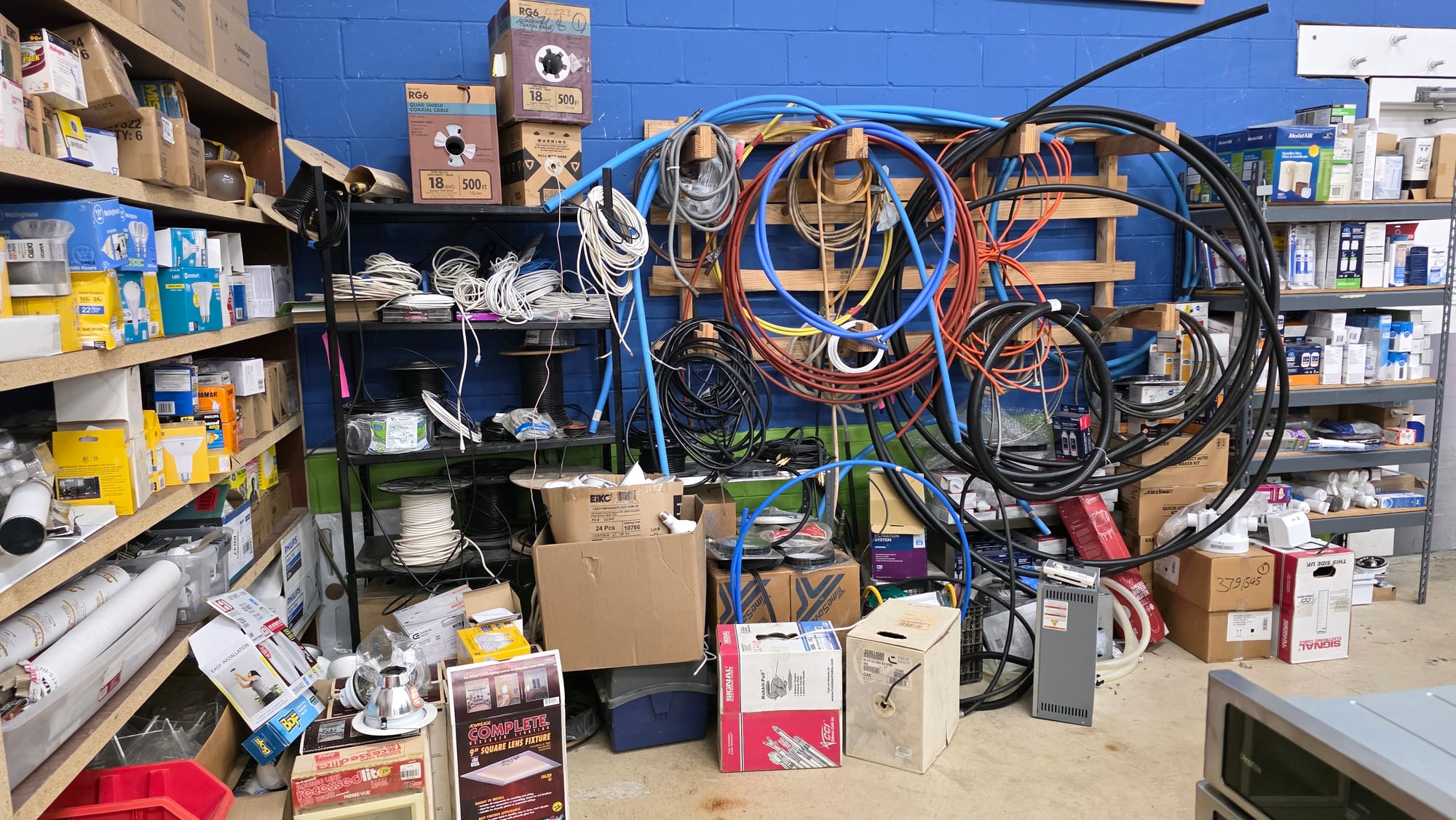
My first visit to Habitat ReStore started because I was looking for something specific: electrical wire.
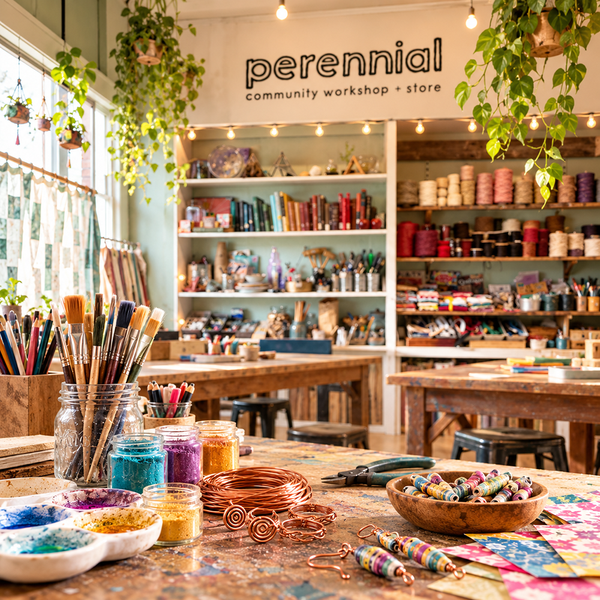
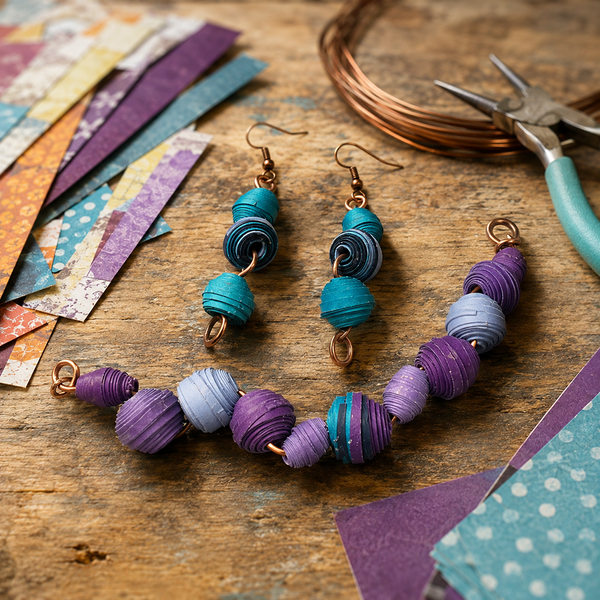
After taking a copper jewelry workshop at Perennial, I became interested in finding ways to reuse and transform materials that might otherwise be discarded.
In the workshop, we learned how copper from salvaged electrical wire could become something completely different: jewelry.
Something overlooked could become something beautiful.
So, I started researching places where I might be able to find leftover materials.
That search eventually brought me to Habitat ReStore.
Unfortunately, I did not find the specific type of wire I was searching for that day.
But I did find something else: a reminder that creativity is everywhere when you start looking at the world differently.
Walking Around Habitat ReStore: A Creative Treasure Hunt
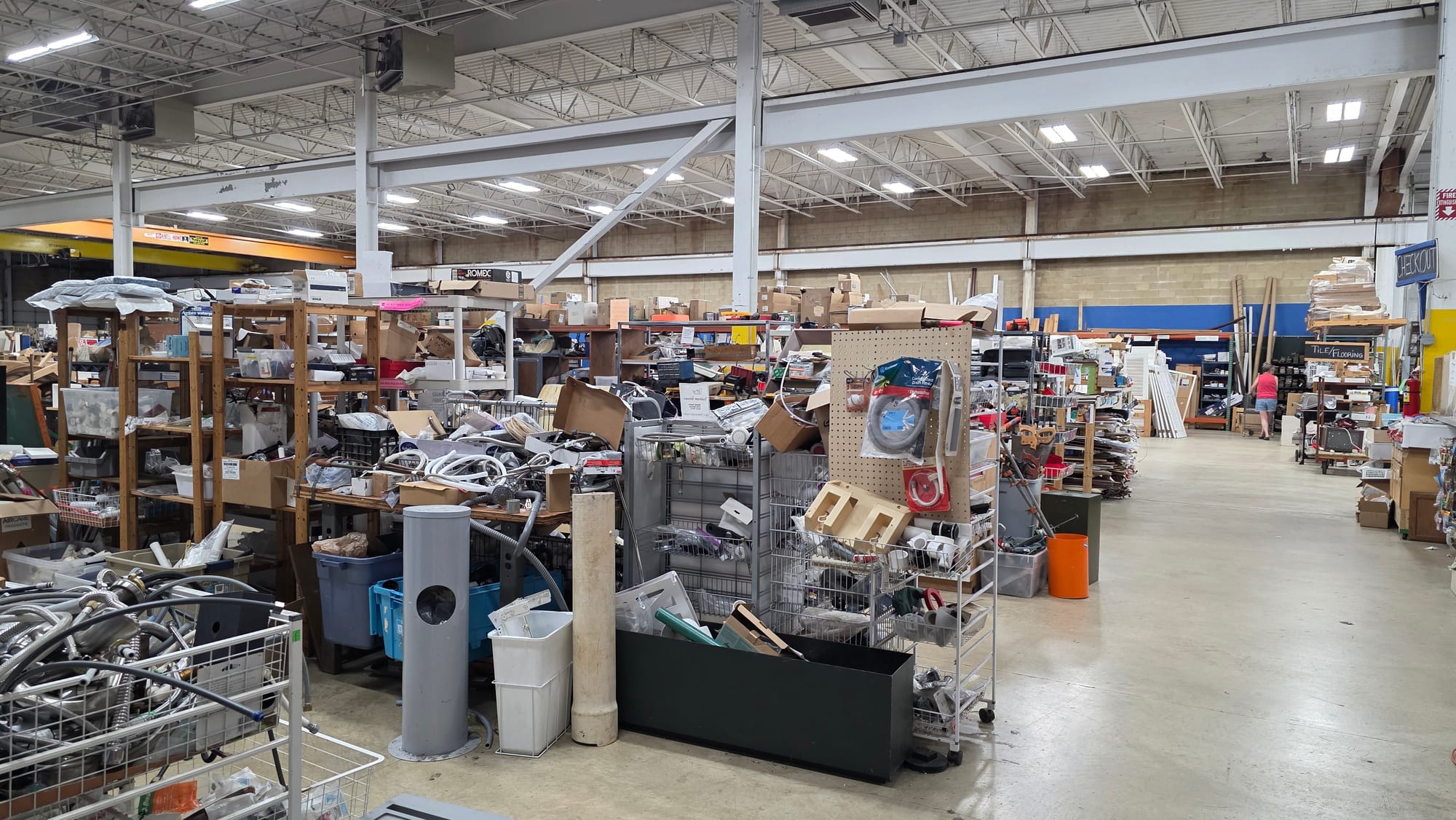
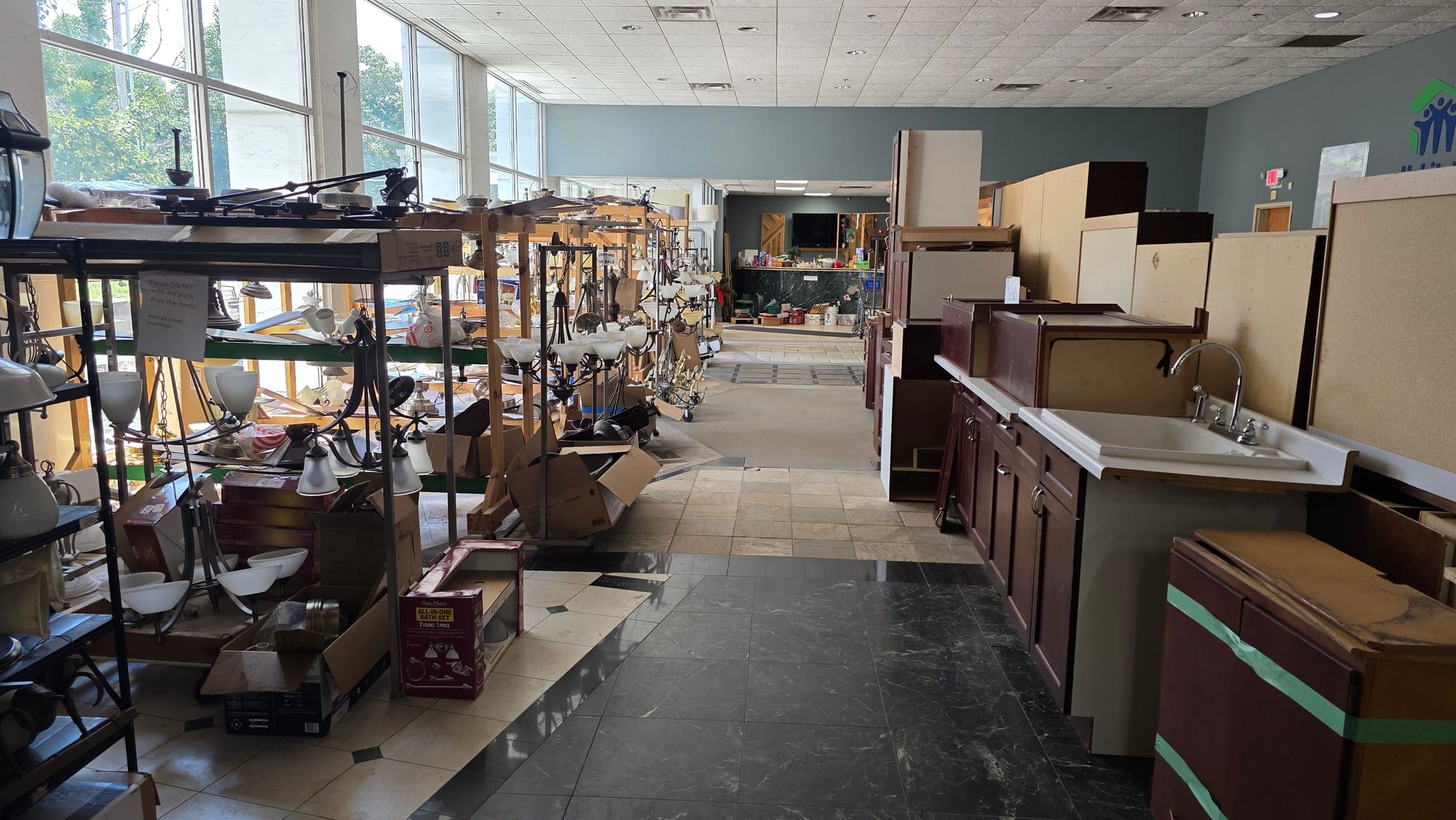
One of the most interesting parts about visiting Habitat ReStore was realizing just how much variety there was.
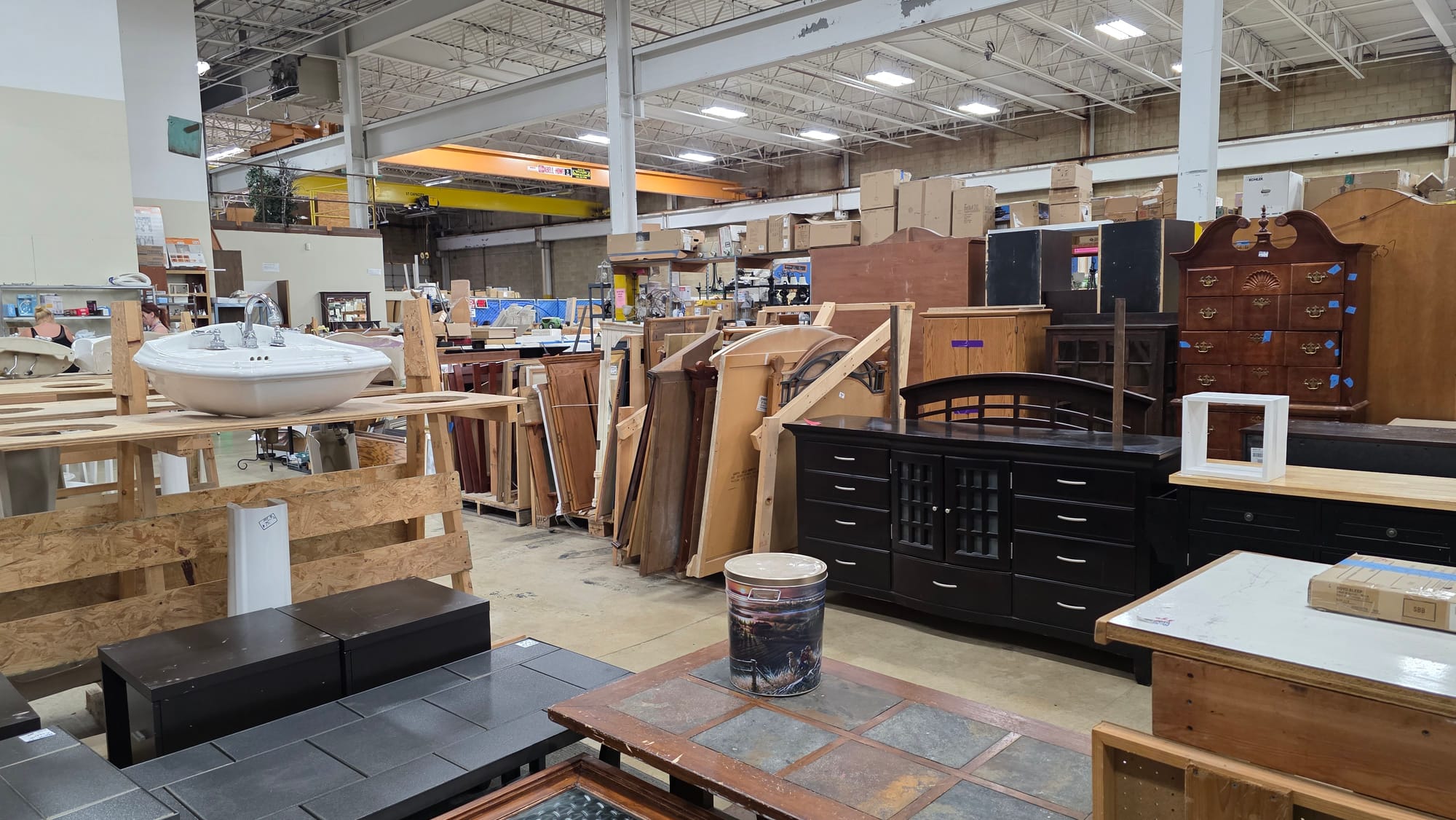
Walking through the space almost felt like exploring a giant warehouse version of a garage sale or estate sale.
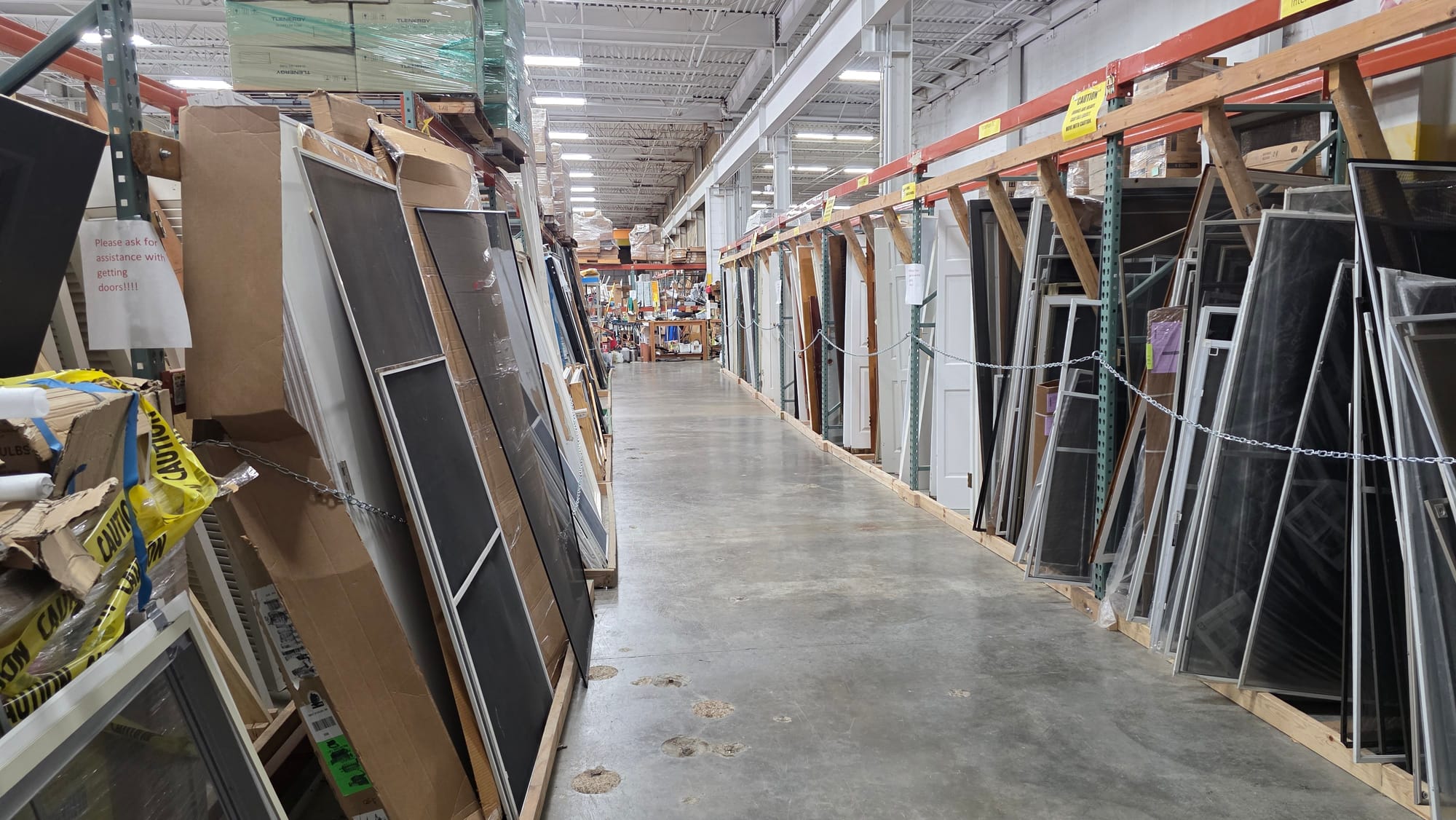
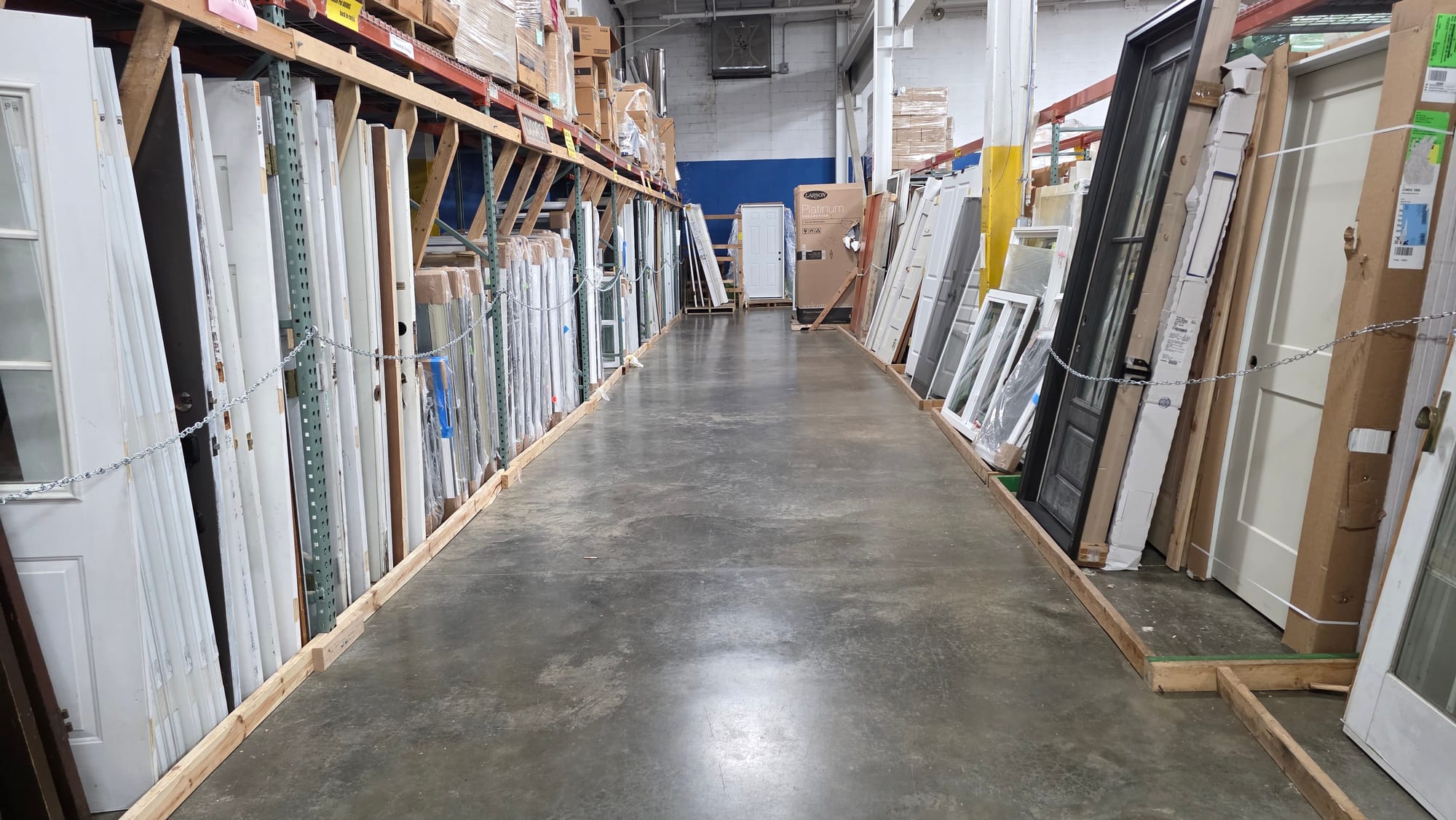
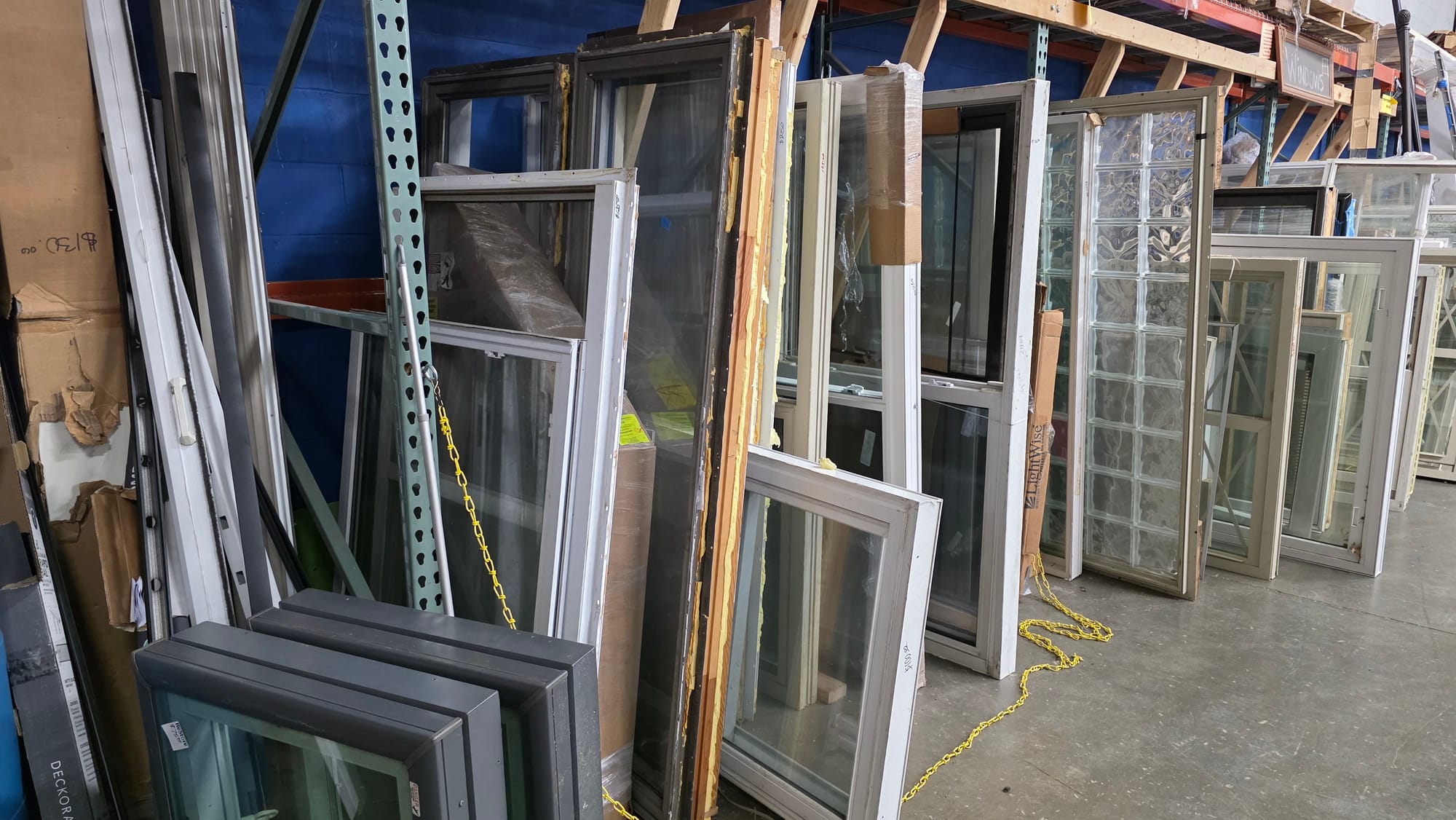
There were rows and sections filled with different donated materials, objects, and supplies.
On my visit, I saw things like:
- Tools
- Doors
- Windows
- Cabinets
- Sinks
- Tiles
- Pipes and tubing
- Electrical supplies
- Light fixtures
- Lightbulbs
- Furniture
- Tables
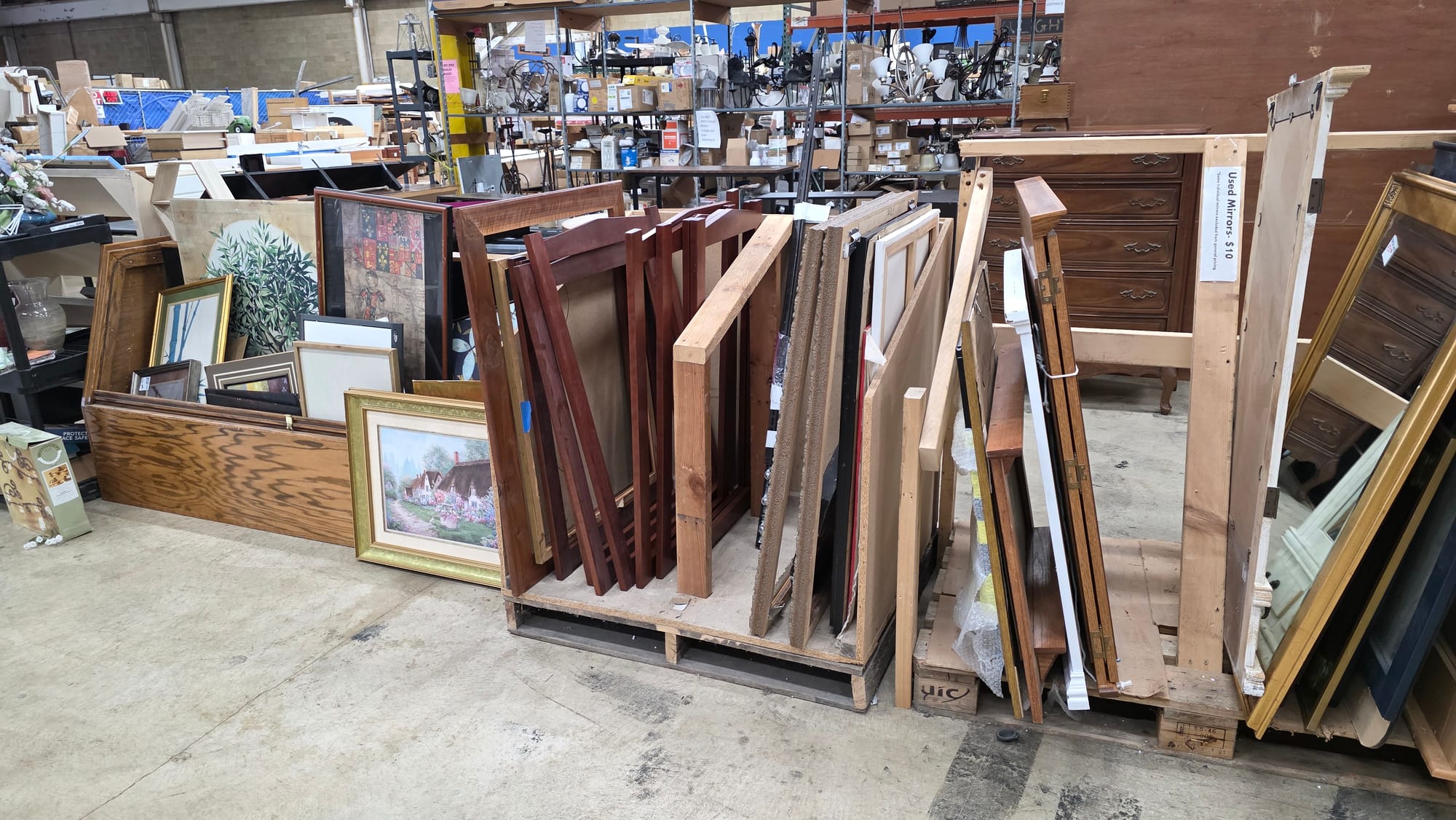
- Frames
- Artwork
- Home décor
- Building materials
And so much more.
It is not a traditional art store — or even a traditional shopping experience.
And honestly?
That might be exactly what makes it creatively exciting.
Because artists often see materials differently.
Where one person sees an old cabinet, someone else might see future studio storage.
Where one person sees scrap materials, someone else might see the beginning of a sculpture.
Where one person sees a forgotten frame, another person might see the final missing piece for a new artwork.
Creative reuse invites us to ask a different question.
Not just: “What is this?”
But: “What could this become?”
Finding Materials for Artists and Makers
While I originally went searching for copper wire, I quickly realized Habitat ReStore could potentially be useful for so many different types of creators.
Painters may find affordable frames.
Mixed media artists may discover unusual textures and materials.
Makers may find hardware, wood, tools, and pieces they can transform.
DIY creators may find furniture waiting for a second life.
Teachers, community groups, and creative spaces may find supplies or storage solutions that would normally be much more expensive.
While walking around, I actually noticed a section with frames, which immediately made me think of my artist friend Jayla.
She had recently been looking for affordable frames to use in future collage projects, and this was exactly the kind of place where someone could stumble across materials they did not even know they needed.
After seeing how she transforms old frames, books, and forgotten objects into new mixed media pieces, it was another reminder that the right materials can look completely different depending on who discovers them.
That is part of what makes creative treasure hunting so fun.
Sometimes you find what you are looking for.
Sometimes you do not.
And sometimes you discover possibilities you never would have thought to search for.
Tips for Visiting Habitat ReStore as a Creative Person
Because Habitat ReStore relies on donations, part of the experience is embracing the unknown.
Unlike a traditional store, you may not always find the exact item you came looking for.
And sometimes?
That is where the creativity begins.
A few helpful things to remember:
Visit with an open mind.
Inventory changes frequently, so every visit can be different. Instead of only searching for one specific item, allow yourself to notice unexpected possibilities.
Think beyond an item’s original purpose.
Ask yourself:
- Could this become something else?
- Could this be painted, transformed, combined, repaired, or reused?
Consider bringing measurements or project ideas.
If you are looking for frames, furniture, storage, or larger materials, knowing what sizes you need can help.
Check back another time.
Just because something is not available one day does not mean it will never appear.
Creative treasure hunting often requires curiosity, patience, and a willingness to explore.
Learning to See Possibility Instead of Limitations
One of the biggest lessons I keep discovering on my creative journey is that creativity is not only about what we make.
It is also about how we see.
Two people can look at the exact same object and have completely different reactions.
One person may see an old frame.
Another person sees the beginning of a collage.
One person may see leftover tile.
Another person sees a mosaic.
One person may see scraps and random materials.
Another person sees possibilities.
That shift in perspective is something I have been noticing more and more while exploring creative reuse spaces.
Places like Perennial, Leftovers, etc., Upcycle Treasure Box, and Habitat ReStore all share a similar reminder:
Creativity does not always begin with having the perfect supplies.
Sometimes it begins with imagination.
Making Creativity More Accessible
One reason I love discovering places like this is because accessibility matters.
Art supplies can be expensive.
Frames can be expensive.
Tools can be expensive.
Trying a new hobby can feel intimidating when you feel like you need hundreds of dollars worth of supplies just to begin.
But creative reuse challenges that idea.
It asks:
- “What already exists?”
- “What can we transform?”
- “What has value that someone else overlooked?”
A lot of artists throughout history have created incredible things by experimenting with unexpected materials.
Mixed media artists combine objects, textures, paper, fabric, metal, wood, and countless other materials.
Sculptors transform found objects.
Furniture artists restore forgotten pieces.
Makers build something completely new out of what already exists.
Creativity has never required everything to be brand new.
Sometimes creativity actually thrives because of limitations.
Because limitations invite problem solving.
Experimentation.
Curiosity.
Innovation.
A Place for More Than Artists
Another thing I appreciated about walking around Habitat ReStore was realizing how many different types of people could find something useful there.
It is not only for professional builders.
It is not only for homeowners.
It could be useful for:
- Artists looking for unique materials
- Teachers looking for classroom supplies or storage
- DIY creators looking for projects
- Makers wanting to experiment
- People furnishing their homes on a budget
- Community groups building creative spaces
- Anyone who enjoys the adventure of finding something unexpected
Sometimes we limit ourselves by deciding what something is “supposed” to be used for.
But creative people have always questioned those boundaries.
A material does not have to stay only one thing forever.
A door can become a table.
A drawer can become a shadow box.
A cabinet can become an art supply station.
A piece of wood can become a canvas.
An object can have another chapter.
Sometimes it just needs someone willing to imagine one.
Discovering Hidden Connections Everywhere
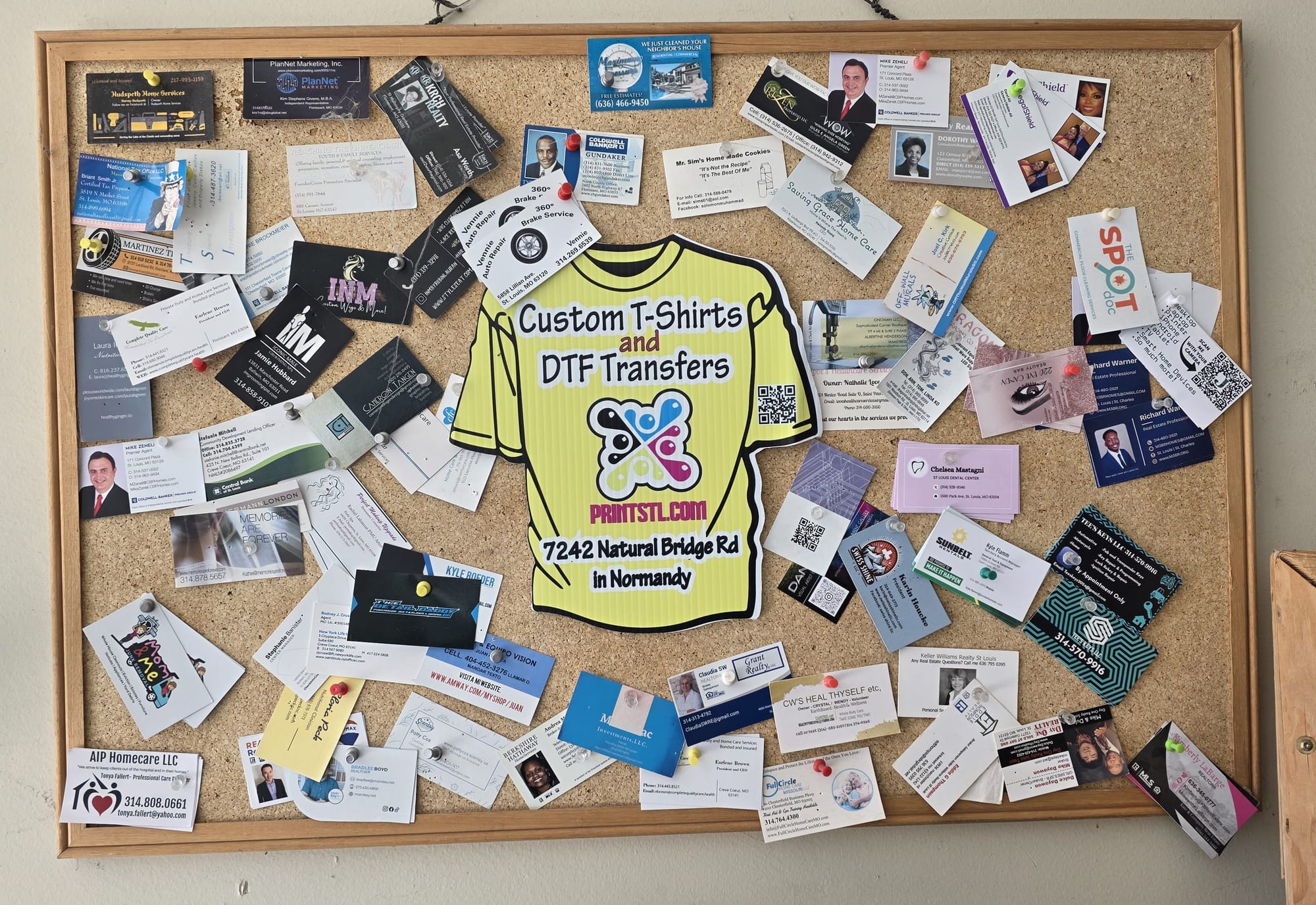
One unexpected thing I noticed while exploring Habitat ReStore was not actually a material at all.
It was a bulletin board.
A simple board filled with business cards, names, services, and local connections.
At first glance, it might seem like a small detail.
But honestly?
It represented something I have been discovering again and again while researching creative resources: there are so many people, organizations, small businesses, and opportunities around us that we may never know exist unless we start looking.
It was a small reminder that community is often built through visibility.
Someone sharing what they offer.
Someone else discovering something they needed.
A small business, artist, maker, or organization becoming easier to find because their information was placed somewhere someone might stumble across it.
One connection leads to another.
One conversation leads somewhere unexpected.
One resource opens the door to discovering five more.
When I first started searching for affordable art supplies, creative spaces, and community resources, I had no idea how much existed nearby.
I discovered creative reuse centers.
Artist communities.
Workshops.
Studios.
Organizations supporting accessibility and creativity.
People passionate about helping others create.
And most of those discoveries did not happen because everything was easy to find.
They happened because I kept following little threads of curiosity.
A recommendation.
A conversation.
A flyer.
A website.
A random discovery.
A business card on a wall.
Sometimes community already exists.
We just have to find the pathways that connect us to it.
Following the Creative Breadcrumb Trail
One of my favorite parts about this journey has been realizing how connected everything becomes.
A copper jewelry class at Perennial introduced me to the idea of transforming salvaged electrical wire into jewelry.
That led me to searching for places where discarded materials could find a new purpose.
That search led me to electronic recycling, creative reuse resources, and eventually Habitat ReStore.
Each step connected to another.
And that is something I think is really beautiful about creativity.
Creativity does not usually happen in a straight line.
It branches.
It wanders.
It follows curiosity.
Sometimes you start looking for one thing and discover something completely different.
Sometimes you meet someone who knows someone else.
Sometimes a small idea becomes the beginning of something much bigger.
That is how creative communities grow.
Not all at once.
Piece by piece.
Connection by connection.
Idea by idea.
How Creative Reuse Connects to Something Bigger
The more I explore different creative spaces and resources, the more I realize how many pieces already exist within our communities.
Materials exist.
Knowledge exists.
People with skills exist.
Organizations doing incredible work exist.
But sometimes those pieces are scattered.
Someone may have extra supplies they no longer need.
Someone else may be searching for affordable materials.
Someone may have knowledge they would love to share.
Someone else may be looking for a place to learn.
Sometimes the challenge is not that resources do not exist.
Sometimes the challenge is connecting people to them.
That idea is part of what inspired the Everyone Creates Project — a dream of creating a space where creativity, community, accessibility, and connection come together.
A place where people can explore.
Learn.
Share.
Create.
A place where materials can find new purposes, skills can be passed on, and people can reconnect with creativity.
Building a More Accessible Creative Future
One of the things I love about places like Habitat ReStore is that they challenge the idea that creativity should only be available to people with unlimited resources.
Creativity should not depend on having the newest supplies.
The most expensive materials.
The perfect studio.
The biggest budget.
Creativity has always belonged to people willing to imagine.
Throughout this journey, I have seen that reminder again and again.
At Perennial, discarded materials become new creations.
At Artists First, artists are given space and support to create.
At Marnie’s Creative Outlet, people can learn, explore, and connect.
Through creative reuse spaces, materials that could have been forgotten get another opportunity.
Each place holds a different piece of the puzzle.
And maybe creating stronger creative communities is not always about starting completely from nothing.
Maybe sometimes it begins by noticing what is already around us.
The materials.
The spaces.
The skills.
The people.
Learning to Look Again
When I first walked into Habitat ReStore, I was searching for one specific thing.
Copper wire.
A material that, after taking a workshop at Perennial, I had learned could be transformed from something hidden inside electrical wiring into something completely new.
Jewelry.
Art.
Something handmade.
Something meaningful.
I did not find the wire I was looking for that day.
But maybe that is part of the magic of creative exploration.
Sometimes we go searching for one thing and discover something completely different.
A new resource.
A new idea.
A new connection.
A new possibility.
Creativity often works that way.
It asks us to stay curious.
To look closer.
To imagine beyond what something currently is.
A frame does not have to stay just a frame.
A piece of furniture does not have to stay exactly as it was.
A leftover material does not have to be the end of the story.
Sometimes the only thing separating something forgotten from something meaningful is someone willing to see its potential.
That is what artists do.
They look at the world and wonder: “What else is possible?”
And maybe that mindset does not only apply to materials.
Maybe it applies to ideas.
Communities.
Dreams.
Even ourselves.
Sometimes things are not finished simply because they are changing.
Sometimes a new chapter starts when someone looks again.
Places like Habitat ReStore are reminders that creativity can be found in unexpected corners.
In warehouses.
In donated materials.
In conversations.
In connections.
In things waiting for another chance.
Because creativity has never only lived inside art stores, studios, or perfect spaces.
Creativity lives wherever someone looks at what already exists... sees possibility... and decides to create.
Want even more content about creativity and art?
Be sure to check out all of our creative chronicles!
If you'd like to see examples of my work, you can find some of my art and creations at Redbubble and Gumroad!
Want to check out other art spaces and resources?
Check out some of these articles:
-Hidden Gems for St. Louis Artists
-Perennial Copper Jewelry Class
-Leftovers and Upcycle Treasure Box
 Jessica Carey