
Sometimes creativity begins long before the first brushstroke.
Before the paint touches the canvas.
Before the wire becomes jewelry.
Before the fabric becomes something new.
Sometimes creativity begins with looking at an ordinary object and asking: “What else could this become?”
A discarded frame.
A leftover piece of fabric.
A handful of beads.
An old container.
A piece of wire.
A random material someone else no longer needed.
At first glance, these things might not seem special.
They might look forgotten.
Unfinished.
Past their original purpose.
But artists have a way of seeing possibilities hiding in unexpected places.
Because creativity is not only about making something from nothing.
Sometimes it is about recognizing that something already has another story waiting inside it.
Recently, I have been exploring different creative resources throughout St. Louis that make art more accessible, affordable, sustainable, and community-centered.
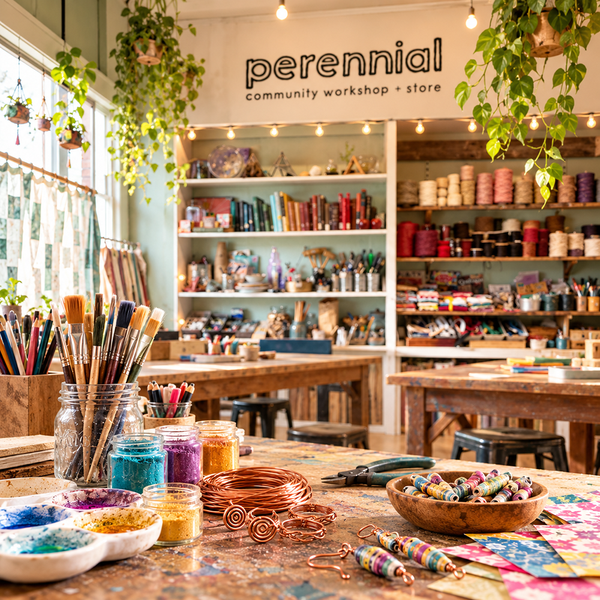
That journey has taken me to places like Perennial, Artists First, and Marnie’s Creative Outlet.
Each place has reminded me of something slightly different about creativity.
Perennial showed me the magic of transforming salvaged materials into something completely new.
Artists First showed me how creativity grows when people have access to tools, space, and support.
Marnie’s Creative Outlet showed me the importance of giving yourself permission to explore and create.
But there is another piece of the creative process that happens even earlier:
Finding the materials.
Because sometimes the adventure starts with the search.
Why Creative Reuse Matters
Walk into any traditional art supply store, and it does not take long to realize something: art supplies can get expensive.
Very expensive.
Paint.
Paper.
Fabric.
Frames.
Specialty tools.
Craft materials.
Experimenting with new mediums often requires buying supplies before you even know if you enjoy using them.
And that can create a barrier.
Because when supplies feel too precious or expensive, experimenting can become intimidating.
You might hesitate.
You might save materials for the “perfect project.”
You might avoid trying something new because you are afraid of wasting something.
But creative reuse changes that relationship.
When you find affordable secondhand supplies, there is often more freedom to play.
To experiment.
To wonder: “What happens if I try this?”
Instead of worrying about ruining expensive materials, you can focus on discovery.
Creative reuse is also a reminder that art materials do not always have to come from an art store.
A piece of packaging can become a collage element.
A broken necklace can become jewelry supplies.
A discarded book can become mixed media material.
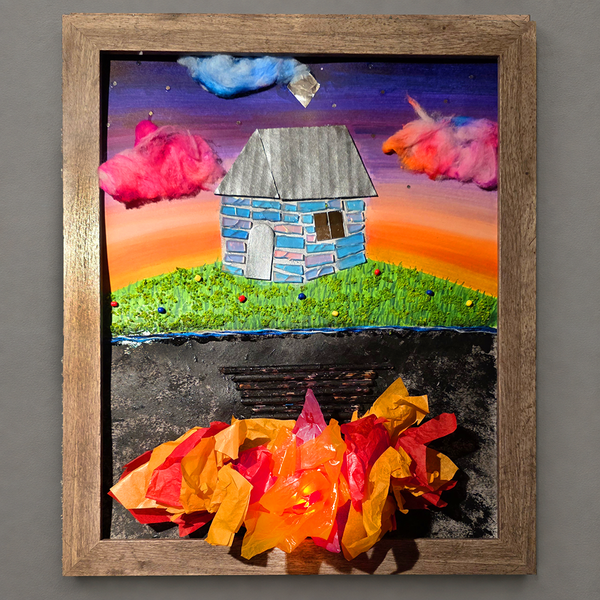
An old frame can showcase a new creation.
Sometimes creativity is not about finding the perfect supply.
It is about seeing potential in what already exists.
Quick Details: Creative Reuse Resources Featured
Leftovers, etc.
Location:
Woodson Terrace, Missouri
Great for:
Affordable secondhand creative supplies, mixed media materials, classroom materials, craft supplies, and creative treasure hunting.
Shopping style:
Many materials follow a bag pricing system, while some items may be individually priced.
Tip:
Ask how pricing works when you arrive so you understand the current system before shopping.
STL Teachers Trading Post Upcycle Treasure Box
Location:
St. Louis, Missouri
Great for:
Artists, teachers, crafters, makers, and anyone interested in affordable donated creative materials.
Shopping style:
Materials are mainly sold based on weight. Some items may be individually priced.
Tip:
Follow their Facebook group for updates, volunteer opportunities, and current information.
 Jessica Carey
Searching for Upcycled Art Supplies in St. Louis
After taking my copper jewelry class at Perennial, I found myself facing a very real artist problem:
I learned a new skill.
I loved making something.
And then I wondered: “Okay… where do I actually find materials so I can keep doing this?”
During the class, we worked with salvaged copper electrical wire.
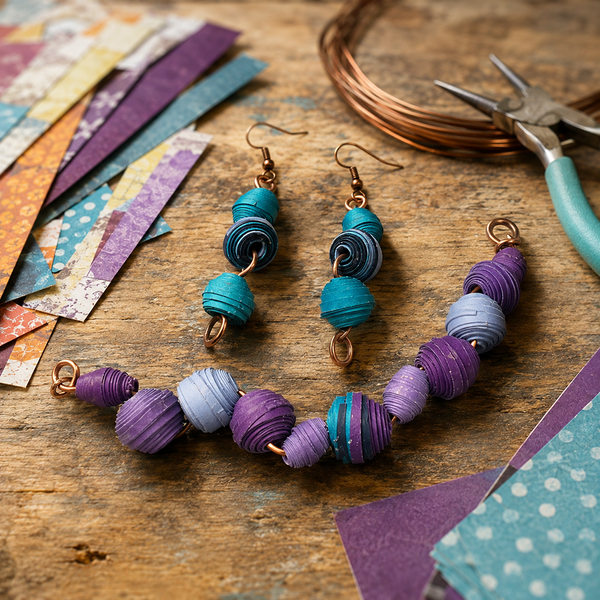
We removed the outer casing, cleaned and shaped the copper, and transformed something originally designed for electronics into wearable art.
But finding salvaged materials can sometimes be the tricky part.
When I asked my instructor Korey where she sourced her copper wire, she shared that she personally knew an electrician who provided extra wiring.
And that is something I think many artists run into.
Sometimes resources come through connections.
Someone knows someone.
Someone has access.
Someone already has a relationship built.
But what happens when you do not already have those connections?
Sometimes you have to start searching.
And asking.
And following one creative breadcrumb to another.
So that is exactly what I did.
I started reaching out, researching, and exploring local creative reuse resources.
Eventually, that search led me to places like Leftovers, etc. and STL Teachers Trading Post Upcycle Treasure Box.
And like many creative adventures, I did not know exactly what I would find.
But that was part of the fun.
 Jessica Carey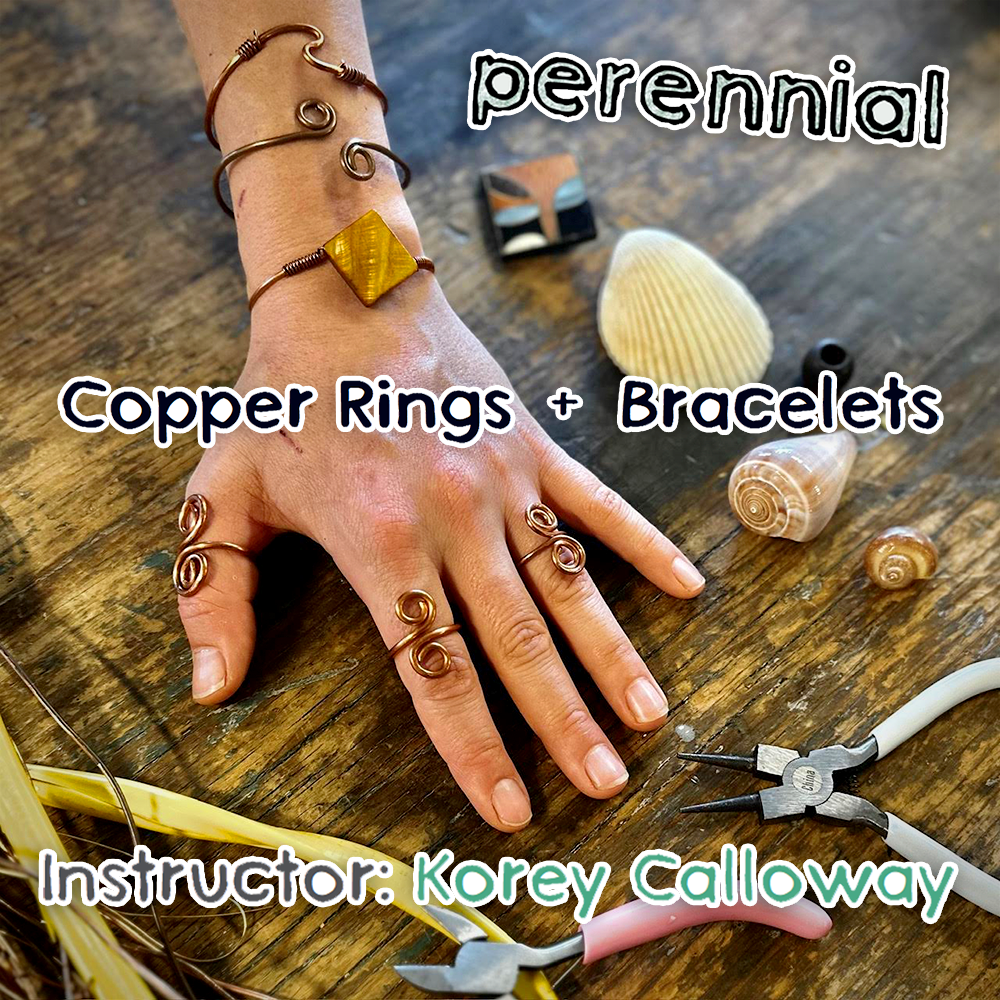
Returning to Leftovers, etc.
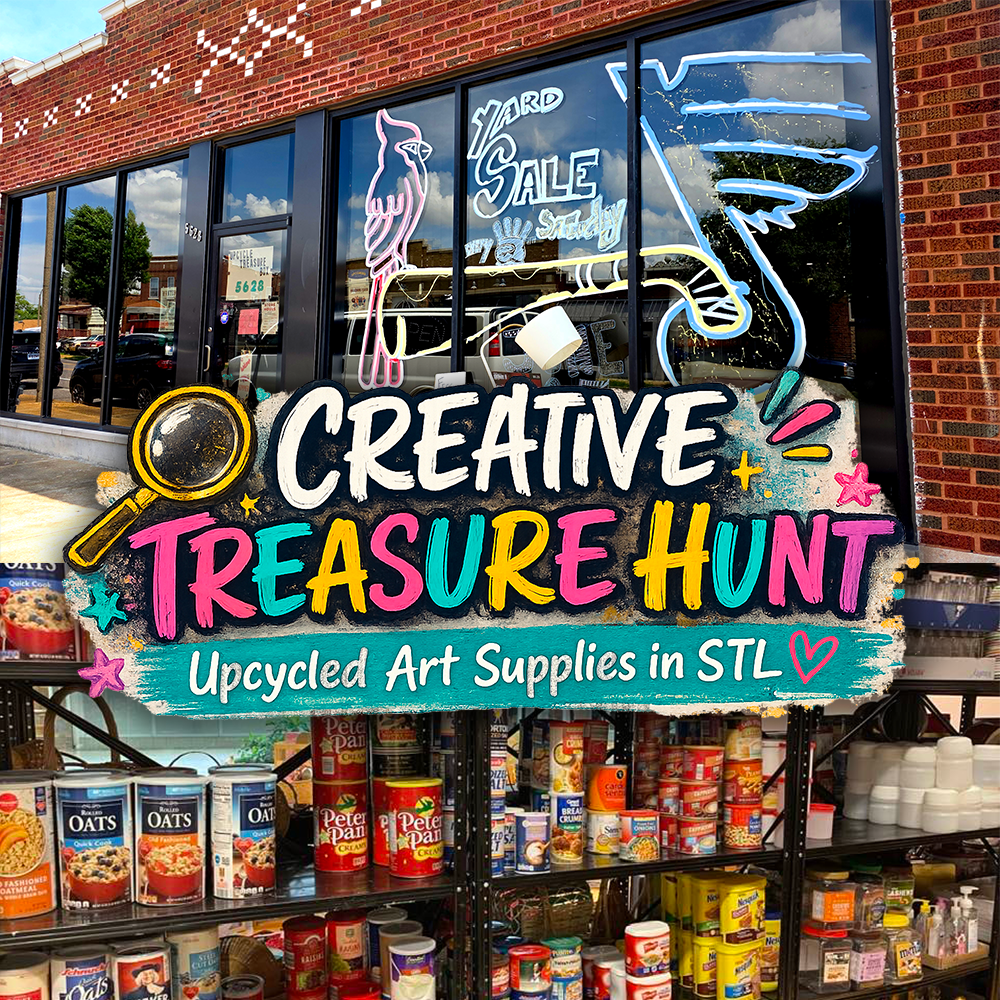
One of the creative reuse places I explored was Leftovers, etc.
This visit was actually a bit nostalgic for me because it was not my first time there.
Years ago, around 2012, I visited Leftovers, etc. with one of my college art classes.
At the time, they were located in a different space, and I remember the experience feeling like a giant creative treasure hunt.
You walked through rows of donated materials, filled a paper grocery bag with interesting finds, and paid based on the bag.
Simple.
Straightforward.
Full of possibilities.
So returning years later with my artist friend was an interesting experience.
The heart of creative reuse was still there:
Searching.
Discovering.
Finding unexpected materials.
Imagining what something could become.
But the process itself had changed.
Instead of everything following the same system I remembered, some materials were priced individually while many others still followed a bag pricing system.
For example, pricing may depend on how full your bag is, such as a full bag costing more than a partially filled bag.
One thing I wish I had known before visiting was to ask about the current pricing system right away.
Since creative reuse spaces receive so many different kinds of donations, every organization handles materials differently.
Some things may be included together.
Some things may be separate.
Some items may have specific prices.
A simple: “How does shopping work here?” can help avoid confusion before you begin searching.
And honestly, that is one of the biggest lessons I am learning while exploring creative resources:
Every space has its own system.
Sometimes part of discovering new places is learning how each one works.
Even when an experience is different than expected, there can still be valuable resources and creative discoveries waiting.
The Fun of the Creative Hunt
Even with a learning curve, there is something undeniably exciting about exploring secondhand creative materials.
Because unlike a regular store, you never fully know what you are going to find.
You cannot walk in expecting the exact same inventory every time.
That is part of the adventure.
Creative reuse shopping requires a different mindset.
Instead of: “I need this exact item.”
Sometimes it becomes: “What possibilities are here today?”
During our visit, my friend and I both found materials that connected with projects we wanted to explore.
My friend found frames she could use for collage pieces she had been wanting to create.
I was even able to find some electronic wiring to continue practicing the copper jewelry techniques I learned at Perennial.
That is one of my favorite examples of creative reuse.
Something that was sitting unused became the missing piece for someone else’s idea.
A frame waiting for artwork.
A supply waiting for a creator.
A material waiting for another chance.
That is the magic of spaces like these.
They remind us that value is not always about something being brand new.
Sometimes value comes from seeing potential.
Volunteering and Exploring STL Teachers Trading Post Upcycle Treasure Box
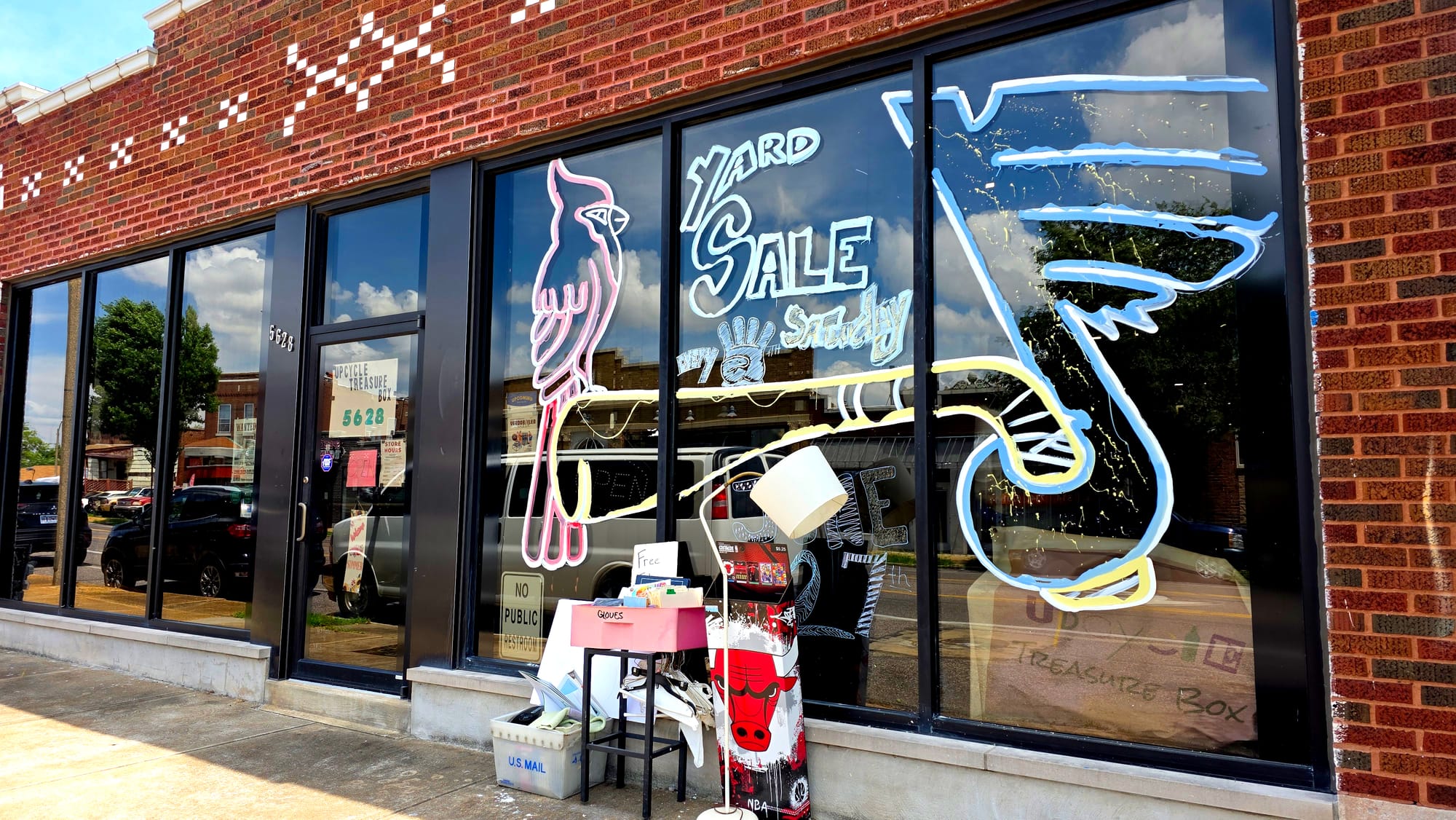
Another creative reuse resource I explored was STL Teachers Trading Post Upcycle Treasure Box.
But before I ever went shopping there, I actually ended up volunteering.
I had seen a post in their Facebook group sharing that they were in need of help sorting through donations.
And that is something important to remember about creative reuse spaces:
The materials do not magically organize themselves.
When we walk into a place filled with supplies, it can be easy to only see the final result.
The shelves.
The bins.
The organized materials waiting for someone to use them.
But behind every creative reuse space are people sorting, cleaning, arranging, and finding ways to make those resources accessible.
Donations come in.
Boxes need unpacked.
Items need sorted.
Materials need organized.
And that takes time.
Volunteers and community support are often a huge part of making resources like this possible.
Behind the Scenes of Creative Reuse
Getting to help sort through donations gave me a different appreciation for what goes into these spaces.
Every box is a little bit of a mystery.
You never know exactly what someone donated.
Maybe it is something immediately recognizable.
Maybe it is something unusual.
Maybe it is something you have to look at for a moment and wonder: “What could someone do with this?”
And honestly, that question is at the heart of creative reuse.
It requires imagination before the creating even begins.
A traditional store organizes items based on what they already are.
Creative reuse spaces often invite people to think about what things could become.
- Could this be part of a sculpture?
- Could this work in a collage?
- Could someone use this in a classroom?
- Could this inspire an entirely new idea?
Sorting donations reminded me that the creative process does not always start when someone sits down at their workspace.
Sometimes it starts much earlier.
With noticing potential.
Finding Unexpected Treasures
After volunteering, I also had the chance to explore and shop.
One of the things I love about places like Upcycle Treasure Box is that you truly never know what you might find.
During my visit, one of my favorite discoveries was a bottle of blue drawing ink.
It cost $2 based on weight.
After looking into it more, I realized it appeared to originally be part of a four-color ink set that sells new for significantly more.
And that is part of the excitement of creative treasure hunting.
Sometimes you discover materials you may never have purchased at full price.
Sometimes you find something completely unexpected.
Sometimes a random discovery inspires a future project.
Creative reuse gives people opportunities to experiment with materials they might not otherwise try.
Because suddenly that question changes.
Instead of: “Can I afford to explore this?”
It becomes: “What could I make with this?”
The People Behind Creative Spaces
Another thing that stood out from my visit was the kindness behind the community.
The owner, Jenni, and another volunteer were incredibly welcoming.
We talked about creativity, resources, life, and the importance of support systems.
And that human connection matters.
Because while creative reuse spaces are about keeping materials out of landfills and making supplies more affordable, they can also become something more.
Places where people share information.
Where connections happen.
Where someone says: “You might want to check out this resource.”
Or: “I know someone who might be able to help.”
That is something I have repeatedly noticed while exploring creative spaces around St. Louis.
One connection often leads to another.
One conversation opens another door.
One resource leads to the next.
Sometimes building a creative life is not about already having every connection.
Sometimes it starts with showing up.
When I later brought my friend to explore the space, Jenni also shared their punch card system, which encourages people to return and introduce others to the resource. You get one punch per visit with a purchase and two punches for bringing a friend as a new customer.
What Can You Find at Creative Reuse Stores?
One of the most exciting parts of creative reuse shopping is that every visit is different.
Inventory is constantly changing because it depends on what people donate.
That means you never really know what treasures might be waiting.
And honestly?
That is part of the fun.
Walking into a creative reuse store is not exactly like walking into a traditional art store with neatly stocked aisles of the same products every week.
It feels more like a creative scavenger hunt.
You explore.
You look closely.
You pick something up and wonder: “What could this become?”
Depending on current donations, creative reuse stores may have materials like:
- Paper and cardstock
- Fabric and textiles
- Yarn and fiber materials
- Frames
- Beads
- Jewelry supplies
- Paint
- Drawing materials
- Office supplies
- Containers
- Books and magazines
- Craft materials
- Teaching supplies
- Mixed media objects
- Wood pieces
- Random odds and ends waiting for the right idea
And sometimes the best finds are the ones you were not looking for.
 Jessica Carey
Finding Inspiration Through Materials
One thing I love about searching through secondhand creative supplies is that sometimes the material comes before the idea.
Usually when we create, we think: “I have an idea. Now I need supplies.”
But creative reuse can often flip that around.
You find the supply first.
Then the idea grows from there.
Maybe you find an interesting frame and suddenly imagine the collage that could live inside it.
Maybe you find fabric scraps and start thinking about a sewing project.
Maybe you find beads and begin imagining jewelry.
Maybe you find a material you have never used before and decide: “Why not try?”
That is exactly what happened when my friend found frames for collage pieces she had been wanting to create.
Someone else no longer needed those frames.
But for another artist, they became the missing piece.
And I think that is one of the most beautiful parts of creative reuse.
It reminds us that creativity is not always about having more.
Sometimes it is about seeing differently.
Permission to Experiment
Another reason I love affordable creative supplies is that they make experimentation feel easier.
Sometimes brand-new supplies can accidentally create pressure.
You buy the expensive paper.
The fancy paints.
The specialty material.
And suddenly there is this little voice saying:
- “Do not mess this up.”
- “Save it for something important.”
- “Wait until you have the perfect idea.”
But creativity usually does not grow from perfection.
It grows from experimenting.
Testing.
Playing.
Making mistakes.
Trying again.
Affordable materials can help remove some of that pressure.
When you find something secondhand, discounted, donated, or rescued, it can feel easier to simply explore.
To make something weird.
To combine materials that “do not belong together.”
To follow curiosity.
And sometimes those experiments become our favorite creations.
Because creativity does not always happen when we know exactly where we are going.
Sometimes it happens when we allow ourselves to discover along the way.
Tips for Creative Treasure Hunting
One thing I have learned while exploring creative reuse spaces is that approaching them with the right mindset can make the experience even better.
Shopping secondhand creative supplies is a little different than walking into a traditional art store.
Instead of shelves stocked with the same items every time, creative reuse spaces are constantly changing.
That unpredictability is part of the magic.
But it also helps to know what to expect.
Go In With an Open Mind
Creative reuse shopping works best when you allow room for surprise.
It can help to have a general idea of what you are looking for, but some of the best discoveries happen when you notice something unexpected.
Maybe you do not find the exact material you imagined.
But maybe you find something that inspires an entirely different idea.
Sometimes the best question is not: “Do they have this specific item?”
Sometimes it is: “What possibilities can I find today?”
Learn How Each Space Works
Every creative reuse space operates differently.
Pricing systems, organization, available materials, and shopping processes can vary from place to place.
Some items may be priced individually.
Some materials may be sold by weight.
Some supplies may be grouped together.
Some places may have their own unique systems.
For example, during my visit to Leftovers, etc., many items followed a bag pricing system, with paper bags provided for shopping.
Other items had separate pricing.
Since every space works differently, I recommend checking in when you arrive and asking:
- “How does shopping work here?”
- “What items are priced separately?”
It is a simple step that can make the experience smoother.
Follow Their Updates
Because creative reuse spaces depend on donations, inventory changes constantly.
Following websites, newsletters, or social media pages can help you learn about:
- New materials
- Special finds
- Upcoming events
- Volunteer opportunities
- Community needs
That is actually how I ended up volunteering with STL Teachers Trading Post Upcycle Treasure Box.
I saw a post that they needed help sorting donations and decided to show up.
Sometimes staying connected helps you discover opportunities you never would have known about otherwise.
Think Beyond the Original Purpose
One of the best parts of creative reuse is imagining new possibilities.
Try looking at materials differently.
A book does not have to stay a book.
A frame does not have to hold its original artwork.
A piece of fabric does not need its original purpose.
An unusual object might become part of something completely new.
Creative reuse invites us to ask: “What else could this become?”
Prepare for the Space You Are Visiting
Because many creative reuse spaces operate differently than larger retail stores, it can help to check details before visiting.
Look into:
- Current hours
- Location
- Parking information
- Accepted payment methods
- Accessibility details
- Any important updates
During my summer visit to Upcycle Treasure Box, I discovered that the space did not have air conditioning.
Unfortunately, I happened to visit during a heat wave without realizing that ahead of time.
Knowing details like that can help you plan your visit and make sure you are comfortable while exploring.
Consider Supporting These Spaces
Creative reuse spaces exist because people contribute.
People donate materials.
People organize supplies.
People volunteer their time.
People spread the word.
If you love having access to affordable creative resources, consider supporting these spaces however you can.
That might mean shopping.
Donating supplies you no longer need.
Volunteering.
Sharing resources with another artist.
Because creative communities grow when people participate in them.
 Jessica Carey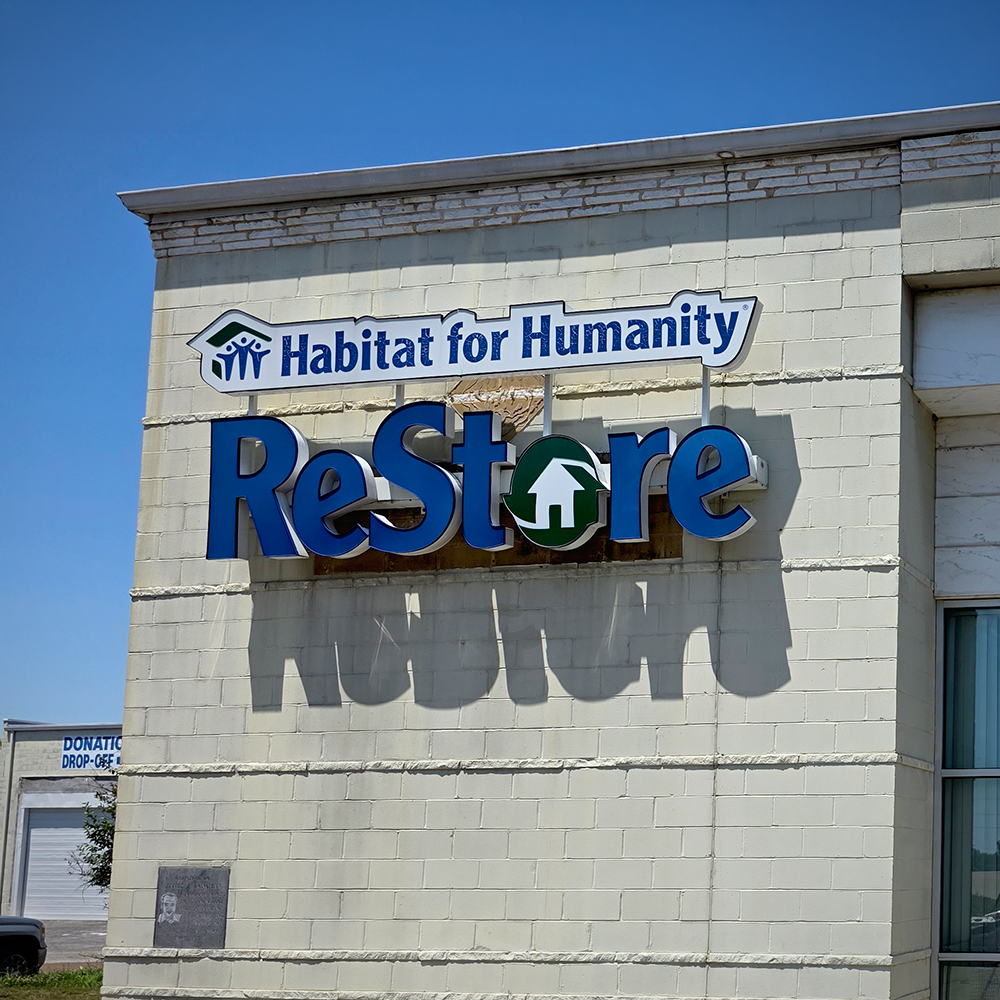
Creativity Is Everywhere: Learning How to Look
One of my favorite things about exploring creative reuse spaces is that they change the way we see the world.
Because creative reuse is not only about finding affordable materials.
Although that matters.
It is not only about keeping supplies from being wasted.
Although that matters too.
At its heart, creative reuse asks us to practice seeing possibility.
A piece of fabric.
A forgotten frame.
A bottle of ink.
A scrap of wire.
A material someone else no longer needed.
All of these things carry potential.
They are simply waiting for someone to look at them differently.
And honestly, I think there is something really beautiful about that.
Because creativity often starts with curiosity.
With wondering.
With asking: “What could this become?”
My journey exploring creative resources around St. Louis has reminded me again and again that creativity can begin in so many different places.
Sometimes it starts in a workshop, learning how to turn salvaged copper wire into jewelry.
Sometimes it starts in a studio surrounded by other artists.
Sometimes it starts in a class, trying something completely new.
And sometimes it starts while digging through a box of donated materials, discovering something you never expected to find.
There is no single path into creativity.
Some artists start with a clear vision.
Others start with a random material and a question.
Both are valid.
Sometimes the thing you find becomes the inspiration.
Sometimes one supply sparks an entire project.
Sometimes one conversation leads to another opportunity.
Sometimes one small discovery opens a completely unexpected door.
That is the magic of creative treasure hunting.
You are not just searching for things.
You are practicing seeing potential.
And maybe that is one of the most important creative skills of all.
Because the world is full of overlooked possibilities.
Materials waiting for another chance.
Ideas waiting to be explored.
Connections waiting to happen.
Stories waiting to continue.
Sometimes creativity is not about having everything perfectly planned before you begin.
Sometimes it starts with picking something up, getting curious, and wondering: “What could this become?”
Want even more content about creativity and art?
Be sure to check out all of our creative chronicles!
If you'd like to see examples of my work, you can find some of my art and creations at Redbubble and Gumroad!
Want to check out other St. Louis art spaces?
Check out some of these articles:
-Hidden Gems for St. Louis Artists
-Perennial Copper Jewelry Class
 Jessica Carey