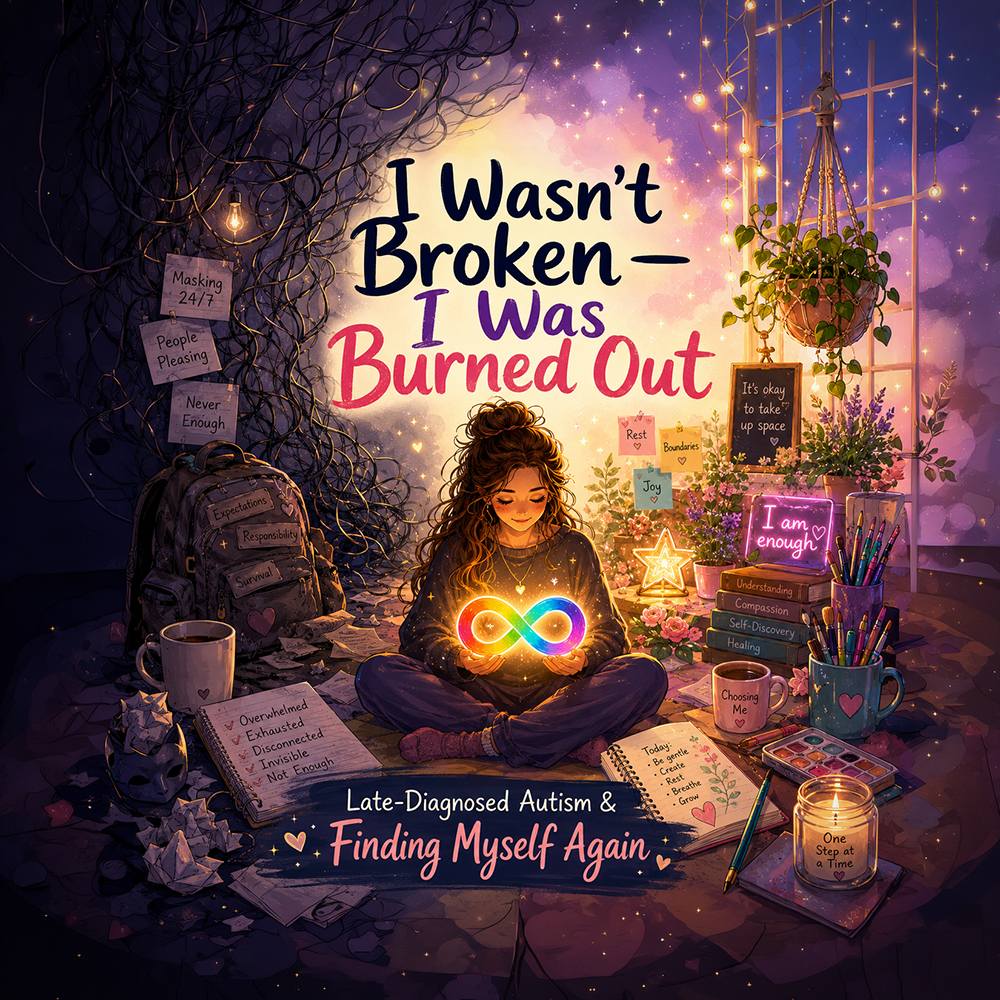
That maybe eventually, if I found the right strategy, pushed myself enough, became disciplined enough, or somehow finally figured out the secret everyone else seemed to know, things would get easier.
Be more organized.
Be less sensitive.
Stop overthinking.
Push through.
Handle things better.
Keep going.
What I did not realize was that I had already spent my entire life pushing.
I was not someone who lacked motivation.
I was someone who had been running on empty for years and wondering why I was tired.
In April 2026, I was officially diagnosed autistic.
Although, in many ways, the diagnosis confirmed what I had already discovered and knew deep down.
Years earlier, I had started researching autism deeply, listening to autistic experiences, learning about masking, sensory differences, burnout, and neurodivergence. Eventually, after extensive research, reflection, and conversations with other autistic people, I self-identified as autistic before receiving an official diagnosis. Other autistics would often assert, "You're definitely autistic."
When that confirmation finally came, it did not feel like becoming someone new.
It felt like someone handed me a missing instruction manual I had spent my entire life searching for.
Suddenly, decades of experiences started rearranging themselves into a picture that finally made sense.
The sensory overwhelm.
The exhaustion.
The confusion around social expectations.
The feeling that everyone else received a rulebook for life that somehow skipped me.
The diagnosis did not change who I was.
It changed the story I had been telling myself about who I was.
Note: This is my personal experience. Autism is a spectrum, and every autistic person’s journey, strengths, challenges, and support needs are different.
Growing Up Different Without Knowing Why
Looking back, the signs were always there.
I just did not know how to read them.
I knew I experienced the world intensely.
Crowded places, loud environments, bright lights, strong smells, certain textures — things other people seemed able to ignore could feel impossible for me to tune out.
Large gatherings felt less like relaxing social events and more like my brain trying to process everything at once.
Every conversation.
Every noise.
Every movement.
Every piece of sensory information competing for attention. It's absolutely exhausting, yet others always acted like I was "too sensitive" and "overreacting."
I learned that I preferred quieter spaces. I felt more comfortable with animals and children because they were direct and honest. There were fewer hidden meanings and confusing social rules.
I loved creativity because creativity made sense.
Art, writing, reading, making things — these were spaces where there was room to explore, imagine, and exist differently.
There was not one correct answer.
There was not a social script everyone else knew but forgot to give me.
There was just possibility.
But without understanding neurodivergence, I did not see these things as differences.
I saw them as personal failures. I literally spent the bulk of my life feeling like a broken failure of a human--an alien imposter that could never get it right.
- Why was I overwhelmed when everyone else seemed fine?
- Why did things that appeared simple feel exhausting?
- Why did I need so much time alone?
- Why did I feel like I was always observing humanity from the outside, trying to understand rules everyone else seemed born knowing?
For years, I tried to solve the problem by becoming “better.”
I did not realize I was trying to solve a problem that was never actually the problem.
My brain was not wrong.
It was wired differently and unsupported.
 Jessica Carey
Growing Up in Survival Mode
Being an undiagnosed autistic person in an unhealthy environment created another layer.
I was not only masking my autism.
I was also learning how to survive.
I grew up constantly monitoring everything around me.
Hypervigilance became my default setting.
Tone changes.
Footsteps.
Facial expressions.
Energy shifts.
The sound of a door closing.
The feeling in the room before something happened.
I learned how to shrink myself, stay quiet, walk on eggshells, and become whatever version of myself caused the least conflict. Being seen only led to trouble and suffering.
Instead of learning: “What do I need?”
I learned: “What does everyone else need me to be?”
From a very young age, I was placed into a caretaker role. While other children were learning who they were, I was learning responsibility, emotional monitoring, and how to manage situations far beyond what a child should have been expected to carry. I ended up having to be the adult and "parent" to everyone else.
When your environment teaches you that your needs create problems--that just existing creates problems--you learn to stop having wants and needs.
Or at least, you learn to hide them.
You become “easy.”
Reliable.
Responsible.
The person who handles everything.
The person who does not ask for help.
From the outside, that can look like strength.
But sometimes what people call strength is actually survival.
And survival has a cost.
Those skills helped me get through the environment I was in.
But eventually survival strategies become heavy when you are no longer supposed to just survive.
It often felt like everyone else was allowed to believe "it takes a village," while I was expected to somehow support the entire village alone. No matter how much you might want to support everyone, it's just unsustainable and unfeasible.
I spent my whole life charging everything to an energy credit card out of necessity, not realizing the hefty price of the bill to come.
The Cost of Masking: Autistic Burnout
For a long time, I was “functioning.”
At least, from the outside.
I did well in school, earning straight A's.
I earned degrees, both a Bachelor's and Master's.
I worked multiple jobs at once.
I created.
I helped others and volunteered.
I handled responsibilities.
I kept pushing forward.
Because that is what I had always done. It's what always had to be done, never left any other choice.
When you spend your entire life being told that struggling means you need to try harder, you learn to override every signal your mind and body sends you.
Exhausted?
Keep going.
Overwhelmed?
Push through.
Need help?
Figure it out yourself.
Need rest?
There is too much to do.
Eventually, pushing past my limits became so automatic that I no longer recognized where my limits actually were.
I thought I was building resilience.
I did not realize I was slowly draining myself.
It was akin to living on an energy credit card. Every time I had nothing left, I borrowed more energy from the future.
I ignored the warnings.
I made another withdrawal.
I pushed through another impossible situation.
I told myself I could recover later.
Except later never came. It never got easier, only more difficult. I never was allowed to rest and replenish.
There was always another problem.
Another responsibility.
Another crisis.
Another expectation.
Another person needing something from me.
I was constantly told I needed to be independent, self-sufficient, and handle everything myself.
But humans are not machines.
You cannot endlessly withdraw from an account that is never allowed to refill.
Eventually, the bill comes due.
That is what burnout felt like.
Not suddenly giving up.
Not becoming lazy.
Not losing ambition.
It was my entire system screaming: “I cannot keep paying for survival with energy I do not have.”
When Burnout Gets Mistaken for Depression or Laziness
One of the hardest parts of experiencing autistic burnout has been how misunderstood it is.
From the outside, people may see someone resting more, struggling with tasks, withdrawing, or doing less than before and assume:
- “You must be depressed.”
- “You need motivation.”
- “You need a better mindset.”
- “You just need to push yourself.”
But what I kept trying to explain was:
- I wanted to do things.
- I still had goals and dreams.
- I still had ideas.
- I still cared.
- I wanted to create.
- I wanted to explore.
- I wanted to build a meaningful life, one where I could actually thrive.
The desire was there.
The energy was not.
That distinction matters.
For me, burnout did not feel like losing my love for life.
It felt like standing outside a beautiful garden I desperately wanted to enter, but my body no longer having the strength to open the gate.
And that was incredibly frustrating.
Because I was used to forcing the gate open.
For decades, pushing harder had been my only tool.
But the thing that caused burnout cannot be the same thing that heals it.
You cannot recover from years of exceeding your limits by continuing to exceed your limits.
At some point, healing requires learning a completely different skill: listening.
Realizing Survival Was Not the Same as Living
For years, I measured success by how much I could endure.
- How much could I carry?
- How much could I accomplish?
- How much could I handle before breaking?
But surviving difficult circumstances is not the same thing as thriving.
Even as a tiny child, I would mentally make meticulous plans for how to run away from the dysfunctional "home" environment, everything I would need to succeed, but the reality of not being able to support myself and having nowhere to go stopped me every time.
I tried to bide my time, while hoping against hope that things might improve on their own. That neglectful, cruel family members would learn to be kinder.
When chaos is normal, peace can actually feel unfamiliar.
When you have spent your life taking care of everyone else, taking care of yourself can feel uncomfortable.
When boundaries were treated as problems, setting healthy boundaries can feel wrong even when they are necessary.
I had spent so much of my life adapting to everything around me that I eventually had to ask: “What would my life look like if I stopped building everything around surviving?”
In 2025, that question stopped being theoretical.
Something had to change.
Eventually, understanding myself was not enough. I also had to change the environments that were keeping me stuck. You can't thrive in an environment that poisons you.
 Jessica Carey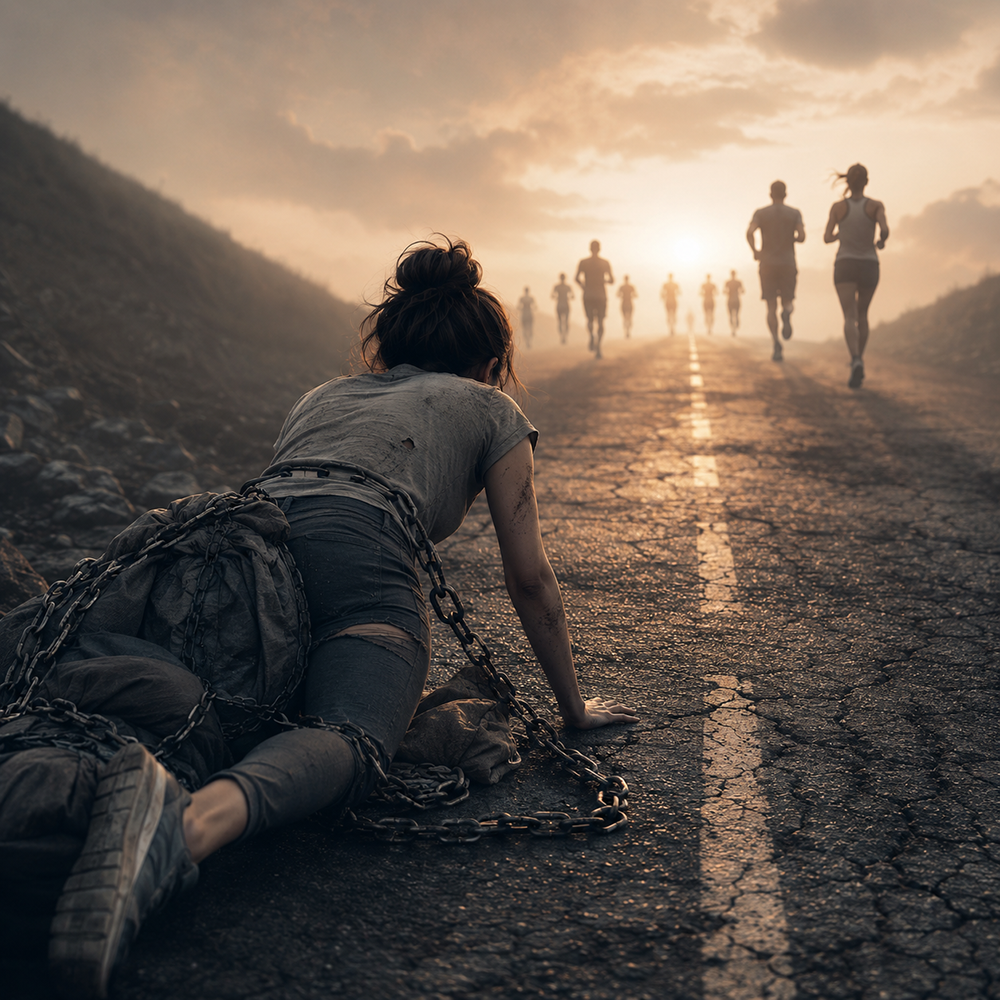
Leaving the Abusive Environment
One of the hardest lessons I have had to learn is that sometimes surviving something requires skills that later keep you stuck.
For much of my life, I was rewarded for abandoning myself.
For being “easy.”
For staying quiet.
For taking responsibility.
For understanding everyone else.
For forgiving.
For giving endless chances.
For believing that if I could just explain things the right way, try hard enough, communicate clearly enough, or be patient enough, things would finally change.
But eventually, I had to face a painful reality: you cannot single-handedly create a healthy relationship with people who are committed to unhealthy patterns.
Communication only works when everyone involved wants understanding.
Accountability only works when people are willing to look at themselves.
Love cannot require you to disappear.
In September 2025, I reached a point where staying was no longer safe or sustainable. If I had stayed, I would not have remained amongst the living.
So I left.
Not because it was easy.
Not because I had everything perfectly figured out.
Not because there was a beautiful backup plan waiting.
I left because sometimes the first step toward healing is simply getting somewhere you can finally breathe.
And honestly?
The aftermath was much harder than people often talk about.
Leaving survival mode does not immediately erase years of living in survival mode.
Your nervous system does not automatically understand: “You are safe now.”
Your body does not instantly recover from years of running on empty.
The responsibilities do not magically disappear.
I was trying to rebuild while already burned out.
Trying to find housing.
Trying to understand resources.
Trying to stabilize.
Trying to heal from the very patterns that had taught me to ignore my own needs.
And one of the most painful parts was realizing that not everyone would understand.
Honestly? Few people understood, often thinking I was exaggerating, and least of all family, pushing me to go back to the life-long abusers.
 Jessica Carey
Learning That Boundaries Are Not the Same as Giving Up
After leaving, I started doing something that sounded simple but felt completely unfamiliar: listening to myself.
With additional support from therapy, I recognized my needs and created healthier boundaries.
But when people are used to you having no boundaries, suddenly having them can look like you have changed.
And in a way, you have.
You are no longer playing the same role. And in dysfunctional environments/relationships? In those unhealthy dynamics, people resist and may lash out when you choose differently.
I experienced people interpreting my need for rest as avoidance, anger, hate, and depression.
My need for space as rejection.
My boundaries as negativity.
My exhaustion as lack of effort.
People who had seen me push through everything struggled to understand why I suddenly couldn’t just keep pushing.
But the truth was: the “old me” who could handle everything was not actually okay.
She was just overriding every warning signal.
She was surviving.
She was borrowing from the future.
And the future finally arrived.
Resting was not me giving up.
Creating boundaries was not me choosing fear.
Asking for support was not me refusing independence.
It was me finally learning skills I should have been allowed to learn much earlier:
How to listen to my body.
How to honor my limits.
How to stop measuring my worth by how useful I am to everyone else.
 Jessica Carey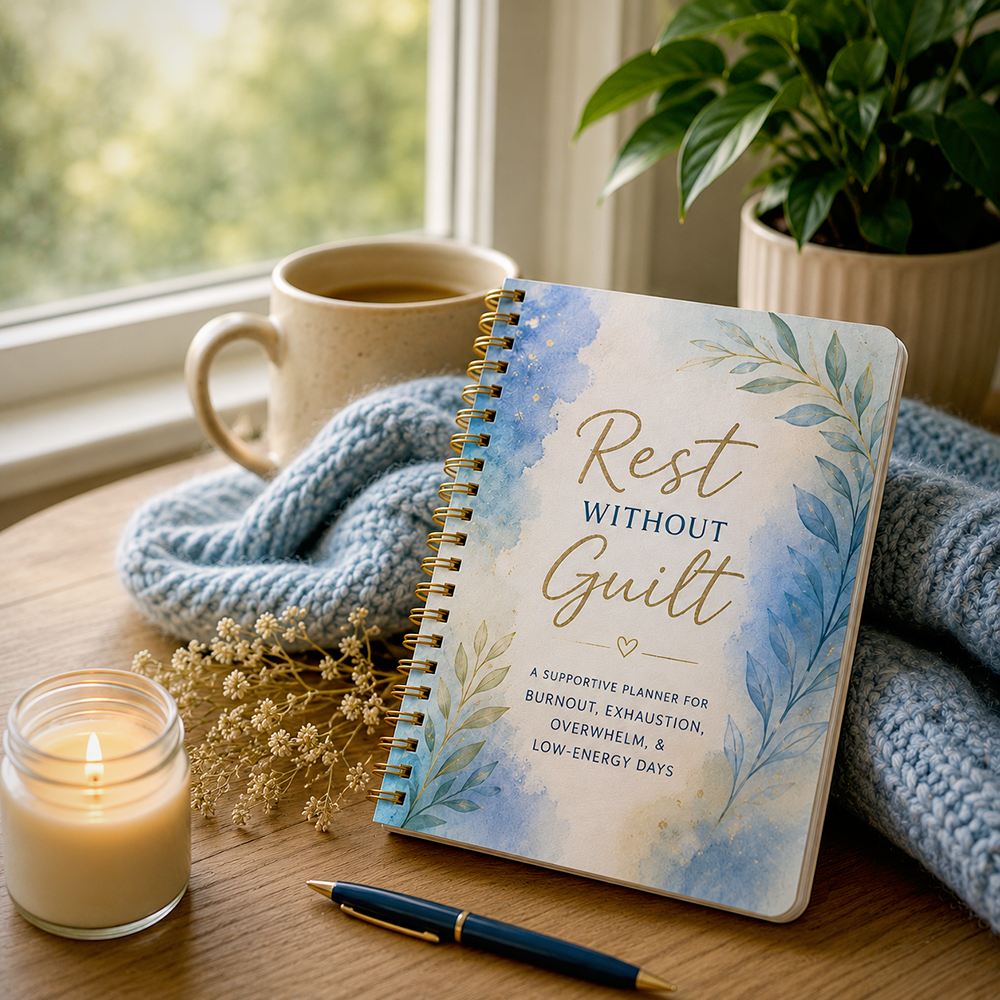
The Hardest Part Nobody Talks About: Finding Help as an Autistic Adult
After finally understanding I was autistic, another challenge appeared: finding support.
I had spent so much time hearing messages about how help is "for people that actually need it" and that I "just need to change my mindset, try harder, and power through." The people around me continuously delivered the message that I was unworthy of help, that I was to blame for my struggles because I'm "not good enough."
I know it's vital to ask for help; the only way I allowed myself to finally ask, though, was when I was on the brink of complete collapse, teetering on the point of no return.
Still, I knew I desperately needed help. So, I asked. And asked. And ask. Anywhere and everywhere I could find.
But what happens when you finally ask... and the help is incredibly difficult to find?
One thing I quickly learned is that many autism resources are designed around children, parents, and schools.
Those resources are incredibly important.
But there is a growing population of adults realizing: “I have been autistic my entire life, but nobody noticed. Now what?”
Many late-diagnosed adults are trying to learn skills, accommodations, and supports they never received earlier.
And many are trying to do that while already exhausted.
Researching programs.
Making phone calls.
Sending emails.
Explaining your story repeatedly.
Running into closed doors.
Trying again.
It's monumental. And exhausting. Especially when you're chronically burned out.
Especially when the reason you need support is because you are already overwhelmed.
But slowly, little by little, I started finding pieces.
A resource here.
A connection there.
A new possibility.
And because it was so difficult to find those pieces, I started collecting them.
Because I knew I could not possibly be the only person searching.
 Jessica Carey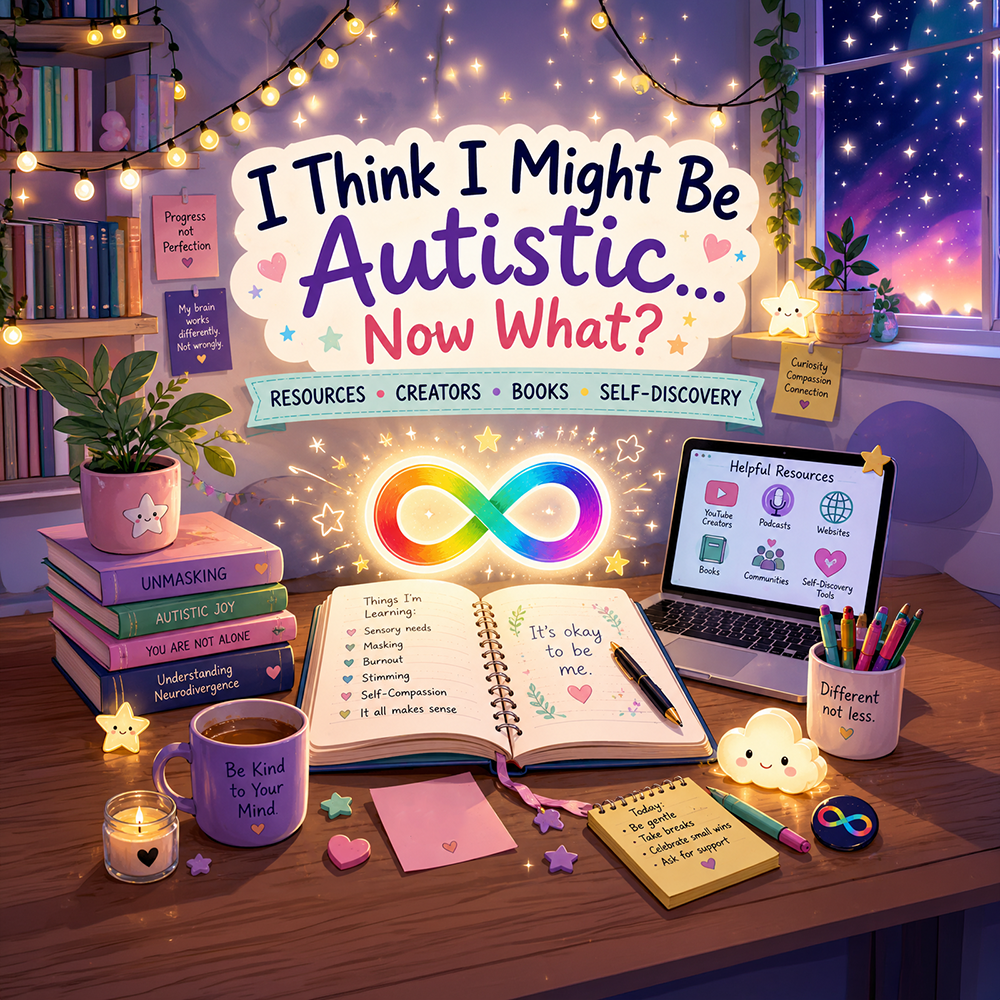
Slowly Building Something Different
Healing has not looked like suddenly waking up one day as a completely different person.
It has not looked like unlimited energy, a perfectly organized life, or everything magically falling into place. Honestly, I'm still chronically burned out.
Progress has looked much smaller.
And much more meaningful.
It has looked like learning how to listen to myself instead of immediately overriding myself.
Recognizing when I am overwhelmed.
Allowing myself to rest without treating rest as failure.
Learning what supports actually help my brain.
Discovering what environments allow me to breathe.
For most of my life, I was focused on surviving.
Now I am learning how to build.
And rebuilding after burnout is slow.
Much slower than I wish.
There are so many things I want to do.
Places I want to go.
Projects I want to create.
Experiences I want to have.
But wanting something and having the capacity for something are two different things.
That has been one of the hardest lessons.
Because my mind is still curious.
My creativity is still there.
My dreams are still there.
 Jessica Carey
Finding Myself Again Through Creativity and Community
Throughout everything, creativity has always been one of the places where I felt most like myself.
Before I understood autism.
Before I understood masking.
Before I understood burnout.
Creating was where my brain could finally exist naturally.
Art, writing, researching, imagining, making things — those were spaces where curiosity was encouraged instead of corrected.
There was room for possibility.
There was room for different ways of thinking.
There was room for me.
And slowly, creativity has become part of rebuilding.
Not because art magically fixes everything.
But because creating gives me moments where I am not just recovering from the past.
I am connecting with who I have always been underneath all the survival strategies.
Little by little, I have started finding more pieces.
Receiving my official diagnosis.
Connecting with resources.
Getting support through Easterseals.
Joining a women’s group.
Meeting a new artist friend.
Finding creative communities and opportunities.
Creating resource guides so other people searching do not have to start from zero.
They may seem like small steps from the outside.
But when you have spent years just trying to stay afloat, small steps are not small.
They are proof that something new is growing.
I am still me.
I am just learning that taking care of myself has to become part of the process, not something I postpone until everything else is finished.
What I Wish People Understood About Autistic Burnout
If there is one thing I wish more people understood about autistic burnout, it is this:
- Burnout is not a character flaw.
- It is not laziness.
- It is not a lack of dreams, motivation, gratitude, or effort.
Many autistic adults experiencing burnout are some of the hardest-working people you will ever meet.
That is often how they ended up burned out.
Years of adapting.
Years of masking.
Years of forcing themselves through environments that did not support them.
Years of being told:
- “Everyone struggles.”
- “You just have to push through.”
- “Try harder.”
- “Change your mindset.”
But constantly overcoming barriers does not mean those barriers disappear.
It means someone is spending extra energy every single day navigating them.
Support does not remove capability.
It allows capability to become sustainable.
Accommodations are not shortcuts.
They are tools.
Community is not weakness.
Humans were never meant to do everything alone.
Independence should not mean isolation.
And needing help does not erase everything someone has already survived.
What I Am Learning Now
For most of my life, I thought healing meant becoming someone else.
Someone more productive.
Someone more organized.
Someone less sensitive.
Someone who could handle everything without needing support.
But I am starting to realize that healing is not about becoming the version of myself everyone else wanted me to be.
It is about understanding and supporting the person I have always been.
I am learning that my sensitivity is not automatically a weakness.
The same brain that gets overwhelmed by too much noise, too much chaos, and too much information is also the brain that notices tiny details.
The brain that creates.
The brain that researches deeply.
The brain that cares.
The brain that sees possibilities.
I am learning that boundaries are not walls built from bitterness.
They are doors with handles.
They allow healthy things in while protecting what matters.
I am learning that resting does not mean I am falling behind.
Sometimes rest is the work.
Especially when you have spent a lifetime believing your worth comes from how much you can carry.
I am learning that needing support does not mean I am incapable.
Everyone needs support.
Plants need sunlight and water.
Animals need safe environments.
People need connection, community, and care.
Nothing living thrives by being denied what it needs.
And neither do we.
One of the unexpected parts of late diagnosis has been grieving the version of myself who spent so long struggling without answers.
Understanding brought relief, but it also brought the realization of how much could have been different with support, compassion, and understanding earlier.
To the Late-Diagnosed Autistic Adult Trying to Find Their Way
If you are discovering you are autistic later in life, I know how overwhelming it can feel.
There can be relief.
Finally having answers.
Finally understanding.
Finally realizing there was a reason certain things always felt harder.
But there can also be grief.
Grief for the younger version of yourself who struggled without knowing why.
Grief for the years spent trying to force yourself into environments that hurt.
Grief for all the times you believed you were failing when you actually needed support.
Both can exist.
You can be grateful to finally understand yourself and still wish someone had understood sooner.
You can be excited for the future and still need time to process the past.
You can be healing and still have hard days.
There is no deadline for figuring yourself out.
There is no race to suddenly have everything solved because you finally have a name for what you experienced.
A diagnosis is not the finish line.
It is information.
It is a map.
And for some of us, it is the first time we finally realize we were not lost because something was wrong with us.
We were trying to navigate without directions.
 Jessica Carey
Finding Myself Again
I am still rebuilding.
I am not writing this from the finish line with everything magically solved.
I am writing this from somewhere much more human:
The middle.
The place where healing is still happening.
The place where progress is slower than I wish, but still real.
The place where I am learning how to create a life that supports who I actually am instead of who I was taught I needed to become.
For anyone discovering they are autistic later in life...
For anyone experiencing burnout after years of pushing...
For anyone wondering why life felt like it was set to impossible mode while everyone else seemed to have instructions you never received:
Maybe this is the beginning of understanding.
Maybe you were not failing.
Maybe you were carrying things you were never meant to carry alone.
Maybe this is not the moment where your life falls apart.
Maybe this is the moment where you finally start building a life designed for you.
 Jessica Carey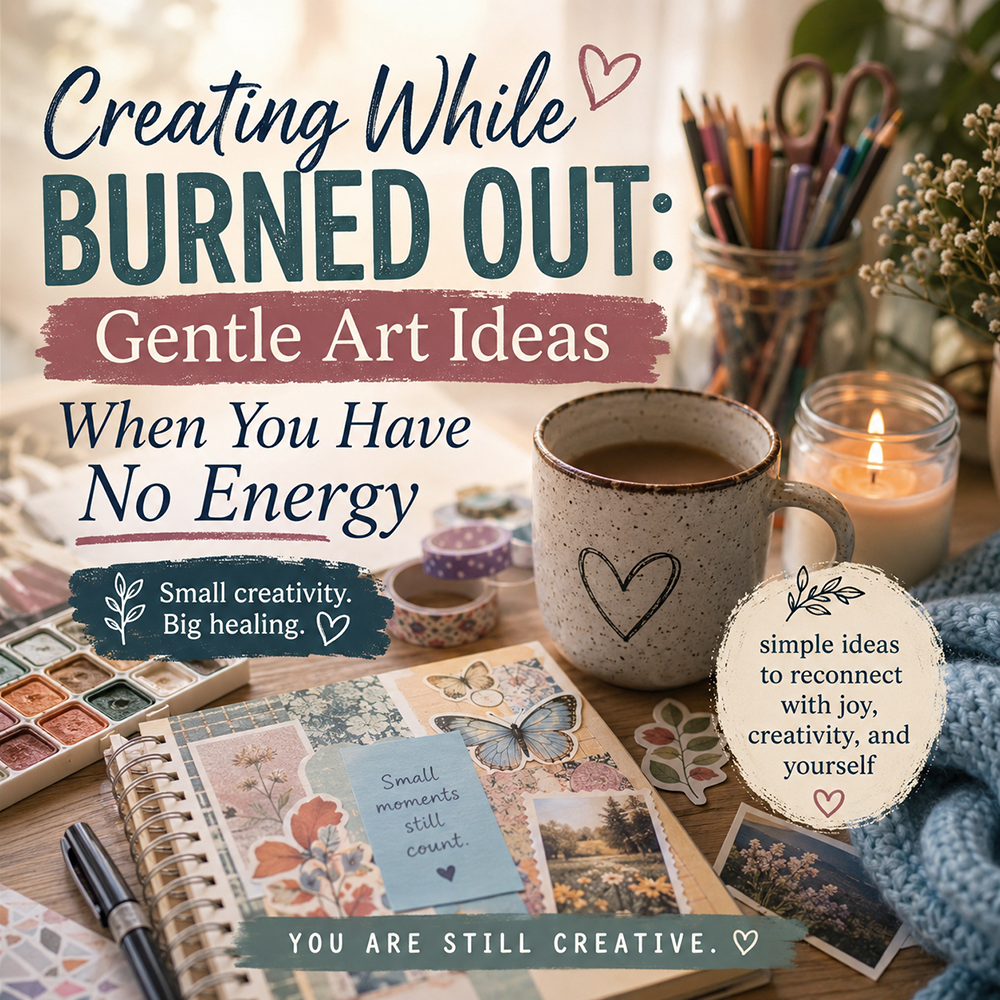
To explore my artist friend Jayla's journey and exploration of brokenness, check out this article:
 Jessica Carey
Want even more content about creativity and art?
Be sure to check out all of our creative chronicles!
If you'd like to see examples of my work, you can find some of my art and creations at Redbubble and Gumroad!
Looking to learn more about neurodivergence and my recent journey?
Check out some of these articles:
 Jessica Carey