
Neurodivergent Adults in St. Louis: Support After Diagnosis, Creative Spaces, Community & Resources
Being neurodivergent can come with incredible strengths: creativity, deep curiosity, unique perspectives, pattern recognition, innovation, empathy, passion, and the ability to see possibilities others might overlook.
But strengths do not erase support needs.
Many autistic adults — especially late-diagnosed adults — grew up without accommodations, understanding, or resources. After years of masking, pushing through, or trying to function in systems not built for their brains, many find themselves experiencing burnout and wondering: “Where do I even go for help?”
That question is actually what inspired this guide.
When I started searching for adult autism resources after my own late diagnosis, I quickly realized how scattered information could be. Many resources focused on children, parents, or schools — while adult support options often required digging through websites, making calls, sending emails, and piecing information together one resource at a time.
I wanted to collect what I found so the next person searching does not have to start from zero.
While many autism resources are designed around children and families, there are organizations in the St. Louis area supporting adults with disabilities, neurodivergent individuals, artists, and people seeking greater independence.
Table of Contents
- Understanding Late-Diagnosed Autism & Burnout
- Why Creativity Matters for Neurodivergent Minds
- Where to Start: Finding the Support You Need
- What If One Resource Cannot Help?
- Autism Navigation & Finding Help
- Adult Autism Evaluations & Diagnosis
- Autism-Informed Therapy & Ongoing Support
- Community, Friendship & Independence
- Creativity & Inclusive Art Spaces
- Recreation & Experiences
- Reducing Barriers: Financial Assistance & Funding Options
- Employment, Career Support & Building Sustainable Work
- Broader Disability Support, Advocacy & Independence Resources
- Scripts for Reaching Out: What Do I Say?
- Help This Resource Grow
- You Are Not Starting Over — You Are Finally Getting the Missing Pieces
Understanding Late-Diagnosed Autism & Burnout
For many autistic adults who receive a diagnosis later in life, the discovery can bring both relief and grief.
Relief because years of experiences, challenges, sensitivities, and differences may finally make sense.
Grief because many people realize they spent years — sometimes decades — trying to survive without the understanding, accommodations, or support they needed.
Many late-diagnosed autistic adults have spent their lives:
- suppressing natural behaviors (“masking”)
- copying social expectations without understanding why they felt exhausting
- forcing themselves through overwhelming environments
- ignoring sensory needs
- hiding struggles because they were expected to “just handle it”
- blaming themselves for difficulties caused by a lack of support
Over time, constantly pushing beyond capacity can contribute to autistic burnout.
Autistic burnout can look like:
- exhaustion that normal rest does not fix
- increased sensory sensitivity
- needing more recovery time
- struggling with tasks that used to feel manageable
- difficulty making decisions or completing everyday responsibilities
- withdrawing from relationships or activities
- losing connection with creativity, passions, or identity
- feeling like you no longer recognize yourself
For many people, the answer is not simply “try harder.”
Many autistic adults have already spent their entire lives trying harder.
The missing piece is often not motivation — it is understanding, accommodations, supportive environments, and access to resources.
Finding support is not about becoming someone else. It is about finally giving yourself the tools you may have needed all along.
 Jessica Carey
Last Updated: August 2026
This is a living resource. Programs, hours, and opportunities may change. Please check directly with organizations for current details.
Why Creativity Matters for Neurodivergent Minds
Creativity and neurodivergence have a meaningful relationship — not because every autistic person is an artistic genius, but because creative environments often allow different ways of thinking, communicating, exploring, and existing.
Many neurodivergent people thrive in creative spaces because creativity allows:
- flexibility
- exploration
- deep interests and passions
- sensory experiences
- problem-solving
- experimentation
- multiple ways of communicating
Unlike many traditional environments that focus on one “correct” answer or one expected way of doing things, creativity allows room for different perspectives.
 Jessica Carey
Art as Expression
Sometimes thoughts, emotions, and experiences are difficult to explain with words.
Creative outlets can provide another language through:
- painting
- drawing
- music
- writing
- movement
- crafting
- building and making
Art can become a way of saying: “This is how I experience the world.”
Art as Nervous System Support
Creative practices can also support regulation and emotional processing.
Activities such as:
- knitting
- coloring
- beading
- sculpting
- painting
- gardening
- working with textures and materials
can offer repetition, sensory engagement, focus, and mindfulness without requiring traditional meditation.
Art as Strength-Based Support
Many systems focus primarily on: “What challenges does this person have?”
While support needs are real and important, they are only one part of a person.
Creativity asks a different question: “What possibilities does this person see?”
Creative spaces can provide:
- autonomy and choice
- confidence-building
- opportunities to explore interests
- connection with others
- identity rebuilding after years of masking
For late-diagnosed adults especially, creativity can become part of discovering: “Who am I when I am no longer forcing myself to be who everyone expected me to be?”
 Jessica Carey
For many late-diagnosed autistic adults, receiving a diagnosis or discovering neurodivergence can bring a mixture of relief, grief, understanding, and uncertainty.
On one hand, there may finally be an explanation for years of feeling different, overwhelmed, exhausted, or misunderstood.
On the other hand, many adults quickly discover a frustrating reality: most autism resources are designed for children, parents, and schools.
Many adults are left asking: “Now that I understand myself better… what happens next?”
I've found myself in that exact situation after becoming diagnosed at the age of 33 in April of this year. Granted, I had self-diagnosed after intensive research years ago, and many fellow autistics had peer-diagnosed me along the way. The struggle is that with many resources/supports, you need that official diagnosis.
Moreover, a diagnosis alone does not automatically provide community, accommodations, financial stability, coping tools, friendships, or support.
Many autistic adults have already spent years trying harder, pushing through, masking their struggles, and adapting themselves to environments that were never designed with their needs in mind.
The next step is not becoming someone different.
The next step is finding support systems that allow you to exist, grow, create, and thrive as yourself.
Where to Start: Finding the Support You Need
Searching for resources can feel overwhelming, especially when you are already exhausted or experiencing burnout.
Different organizations provide different types of support, so it may help to start with what you need most right now.
If you need help figuring out available services:
→ Missouri Autism Projects
→ Washington University Autism Clinical Center
If you need community and connection:
→ Easterseals Midwest (offers an Adult Autism Support Group)
→ Pathways to Independence
If you need creativity and inclusive spaces:
→ Artists First
→ Perennial
→ Marnie's Creative Outlet
→ Craft Alliance
If you need recreation, experiences, or help paying for activities:
→ Recreation Council of Greater St. Louis
→ St. Louis Arc
→ Sunnyhill
If you need employment, accommodations, or independence support:
→ Vocational Rehabilitation
→ Disability support organizations (like Paraquad)
You do not need to have everything figured out before reaching out. Many of these organizations exist specifically to help people discover what support options are available.
Here are some resources worth knowing about in the St. Louis area; this list was created through my own search for support, connection, creativity, and resources as a late-diagnosed autistic adult in St. Louis.
Some organizations I have personally connected with, while others are resources I discovered along the way. Everyone’s needs and eligibility will be different, but hopefully this gives you a starting point and reminds you that options do exist.
What If One Resource Cannot Help?
Finding support can sometimes involve a lot of redirecting.
If one organization says you are not eligible, it does not mean support does not exist or that you did something wrong.
Different programs have different requirements based on things like:
- location
- diagnosis
- age
- funding sources
- current availability
When reaching out, it can help to ask: “If your organization is not the right fit, do you know who else I should contact?”
Sometimes one closed door becomes the connection that leads to the right one.
Autism Navigation & Finding Help
Missouri Autism Projects
Regional autism support connections
Location:
St. Louis Regional Office: 9900 Page Avenue, Suite 106, St. Louis, MO 63132
St. Louis Regional Tri-County Office: 1390 Timberlake Manor Parkway, Floor 4, Chesterfield, MO 63017
Contact email: MissouriAutismProjects@dmh.mo.gov
Missouri Autism Projects help connect autistic individuals and families with resources throughout Missouri.
They may provide:
- resource guidance
- referrals
- information about autism services
- potential support opportunities
They can also help direct individuals toward autism centers and family navigators.
Washington University Autism Clinical Center
Autism resources and navigation
Location: 4444 Forest Park Avenue, Suite 2600, St. Louis, MO 63108
Contact email: psychwuchild@email.wustl.edu
Washington University’s Autism Clinical Center is one of the autism resource hubs in the St. Louis area.
They may help individuals and families connect with:
- autism resources
- support recommendations
- services
- referrals
- guidance navigating available programs
For late-diagnosed autistic adults, connecting with knowledgeable professionals can help identify resources that may not be easy to find alone.
Adult Autism Evaluations & Diagnosis
For many adults, the journey begins with a question: “Could I be autistic?”
Some people discover autism through research, conversations with other autistic people, or recognizing themselves in experiences they never had words for before.
Others may decide to pursue a formal evaluation.
There is no single “correct” path. Self-understanding itself can be meaningful, and everyone’s circumstances, finances, and needs are different.
However, an official diagnosis may be helpful or necessary for accessing certain supports, including:
- workplace accommodations
- disability-related services
- documentation
- support programs
- additional resources
Unfortunately, many adults discover that finding autism evaluations can be challenging because so many diagnostic resources focus on children.
The following St. Louis-area providers are possible starting points for adults seeking autism evaluations.
(Availability, ages served, insurance, and costs may change, so always contact providers directly for current information.)
Gateway Neuro
Adult Autism Evaluations & Neurodivergent Understanding
Location: 522 North New Ballas Road, Suite 201, St. Louis, MO 63141
Contact email: drkaufman@gatewayneuro.com
Many autistic adults spend years knowing they experience the world differently before finally finding language that explains why.
Gateway Neuro provides autism evaluations for older children and adults, offering a potential path for people seeking greater clarity and documentation.
For late-diagnosed adults, assessment is not about discovering something “wrong.”
It can be about understanding:
- why certain environments have always felt harder
- why traditional strategies may not have worked
- what supports may actually help
- how to work with your brain instead of constantly fighting against it
Understanding yourself can be the beginning of building a life that fits.
Healing Spaces Psychological Services
Adult Autism Assessment & Self-Understanding
Location: 7711 Bonhomme Avenue, Suite 720, Clayton, MO 63105
Contact email: info@healingspacesstl.com
Finding providers familiar with adult autism can make a meaningful difference, especially because many adults have spent years masking their natural traits.
Masking can sometimes make autism harder to recognize because someone may appear to be “functioning” externally while struggling internally.
Healing Spaces Psychological Services offers autism assessments and may be an option for adults looking for answers.
For many late-discovered autistic adults, the goal is not receiving a label.
The goal is gaining understanding, language, and tools.
Scheduling is online, and it is private pay, other than Medicaid.
St. Louis Behavioral Medicine Institute
Autism Assessment & Mental Health Support
Locations:
16216 Baxter Road, Suites 205 and 225, Chesterfield, MO 63017
1129 Macklind Avenue, St. Louis, MO 63110
Contact email: SLBMI.Intake@uhsinc.com
Autistic people are whole people, and support needs can involve many different areas of life.
St. Louis Behavioral Medicine Institute provides psychological services, including autism evaluations from childhood through adulthood.
Finding knowledgeable support can help individuals better understand their needs, strengths, challenges, and possible next steps.
The right information can make it easier to stop asking: “Why can’t I just handle this?”
And start asking: “What support would actually help?”
They work with ages 2 years through adulthood.
SLU Interdisciplinary Center for Autism Services
Autism Evaluation & Interdisciplinary Support
Location: 3500 Lindell Boulevard, St. Louis, Missouri 63103, Lower level of Fitzgerald Hall
Contact email: diane.m.richter@health.slu.edu
Navigating autism support can feel overwhelming, especially when you are starting as an adult.
SLU’s Interdisciplinary Center for Autism Services provides autism assessment services and brings together professional perspectives to better understand individual needs.
For adults who spent years without accommodations or explanations, evaluation can sometimes become one piece of rebuilding with more information and support.
They evaluate up to mid-30-year-olds.
Note: Evaluation vs Ongoing Support
An autism evaluation and ongoing therapy/support are different services.
An evaluation may help identify autism and provide documentation, while therapy, coaching, support groups, or community programs may help with ongoing needs.
When contacting providers, ask whether they only provide assessments or whether they also offer continuing support.
Autism-Informed Therapy & Ongoing Support
An autism evaluation and ongoing support are not always the same thing.
An evaluation may help identify autism, provide documentation, and give someone language for their experiences.
But after the evaluation, many adults are still left asking: “Okay… now how do I actually support myself?”
That is where autism-informed therapy, coaching, support groups, occupational therapy, or other ongoing supports may become helpful.
For late-diagnosed autistic adults, therapy can be especially meaningful when the provider understands things like:
- masking
- autistic burnout
- sensory overwhelm
- shutdowns and meltdowns
- executive functioning struggles
- trauma from years of being misunderstood
- communication differences
- the grief and relief that can come with late diagnosis
Not every therapist understands autism in adults, and not every therapist who works with anxiety, depression, or trauma will automatically understand neurodivergence.
When searching for support, it may help to look for phrases like:
- “autism-informed therapist”
- “neurodivergent-affirming therapist”
- “autistic adult therapist”
- “late-diagnosed autism therapist”
- “AuDHD therapist”
- “trauma-informed and neurodivergent-affirming”
- “sensory processing therapy”
- “executive functioning support”
When contacting a provider, you can ask questions such as:
- “Do you have experience working with autistic adults?”
- “Do you work with late-diagnosed autistic adults?”
- “Are you familiar with autistic burnout and masking?”
- “How do you approach therapy with neurodivergent clients?”
- “Do you offer accommodations such as telehealth, written communication, flexible pacing, or sensory considerations?”
The goal is not to find someone who tries to make you appear less autistic.
The goal is to find support that helps you understand your needs, reduce shame, recover from burnout, build self-trust, and create a life that works with your nervous system instead of against it.
If you already have a therapist you trust, you can also ask whether they are comfortable exploring autism-informed care with you or helping you identify additional resources.
You deserve support that sees the whole person — not just symptoms, struggles, or labels.
Community, Friendship & Independence
Easterseals Midwest
Community, understanding, connection, and shared experiences
Location: Main Office: 11933 Westline Industrial Drive, St. Louis, MO 63146
Other St. Louis locations:
- 1143 Olivette Executive Parkway, St. Louis, MO 63132
- 9201 Watson Road, Suite 210, Crestwood, MO 63126
- 211 North Lindbergh Boulevard, Suite 130, St. Louis, MO 63141
- 3701 South Lindbergh Boulevard, Suite 2014, Sunset Hills, MO 63127
- 3221 McKelvey Road, Suite 101, Bridgeton, MO 63044
Contact email: info@esmw.org
Adult Autism Support Group (Through Easterseals Midwest)
Location: 11933 Westline Industrial Drive, St. Louis, MO 63146
Contact: Ann Schad, LCSW: Ann.Schad@esmw.org
Easterseals Midwest offers an Adult Asperger’s/Level 1 Autism Support Group.
Sometimes one of the most powerful forms of support is simply being around people who understand.
The Adult Asperger’s/Level 1 Autism Support Group through Easterseals Midwest offers autistic adults a place to connect, share experiences, discuss resources, and build community.
The group includes:
- guided discussion topics
- resource sharing
- connection with other autistic adults
- a supportive environment facilitated by a licensed professional
- light snacks
Meetings occur every other month (April, June, August, October, etc.) on the second Wednesday from 6:00–7:30 PM.
For late-diagnosed adults who have spent years feeling different, isolated, and/or misunderstood, finding others with similar experiences can be an important part of rebuilding connection and belonging.
Independent Living Support
Growing independence does not mean doing everything alone.
Many disabled and neurodivergent adults benefit from support while developing daily living skills, building confidence, and navigating adult responsibilities.
Easterseals Midwest offers Independent Living services designed to support people living in the community.
Depending on individual needs, support may include help with:
- Finding and maintaining housing
- Money management and budgeting
- Cooking and meal planning
- Transportation skills
- Household responsibilities
- Building relationships and support systems
Independence looks different for everyone.
Sometimes the right support is what makes independence possible.
Pathways to Independence (PTI)
Building confidence, skills, friendships, and independence
Location: 11457 Olde Cabin Road, Suite 235, St. Louis, MO 63141
Contact email: info@ptistl.org
Pathways to Independence supports individuals with complex cognitive and learning disabilities through community-based programs focused on personal growth.
Their programs help build:
- independence
- confidence
- social connection
- self-advocacy
- life skills
- pre-employment skills
For adults who may have missed support earlier in life, programs focused on independence-building can provide structure and connection.
Learning these skills later does not mean someone is behind. Many people were never given the instruction, support, or environment they needed earlier.
Creativity & Inclusive Art Spaces
Artists First
Inclusive art studio and creative community
Location: 7190 Manchester Road, Maplewood, MO 63143
Contact email: info@artistsfirststl.org
For many neurodivergent people, creativity is not simply a hobby — it can be communication, regulation, healing, identity, and connection.
Artists First is an inclusive art studio supporting artists of all abilities.
They provide:
- studio space
- art materials
- creative community
- opportunities to develop artistic skills
- supportive facilitators
Artists can explore different mediums, connect with others, and create in an environment centered around accessibility and inclusion.
Perennial
Sustainable creativity, hands-on learning, and community workshops
Location: 3762 South Broadway, St. Louis, MO 63118
Contact email: info@perennialstl.org
Perennial is a community workshop and creative reuse organization focused on sustainability, hands-on learning, and transforming discarded materials into something new.
Creativity does not always have to mean traditional fine art. For many neurodivergent people, creativity can include:
- problem-solving
- repairing
- experimenting
- building
- crafting
- learning new skills
- working with your hands
Perennial offers classes and workshops involving areas such as:
- woodworking
- textiles and sewing
- paper arts
- jewelry making
- upcycling
- home repair skills
- creative reuse projects
I happened to take their salvaged copper jewelry class recently, and it was so much fun!
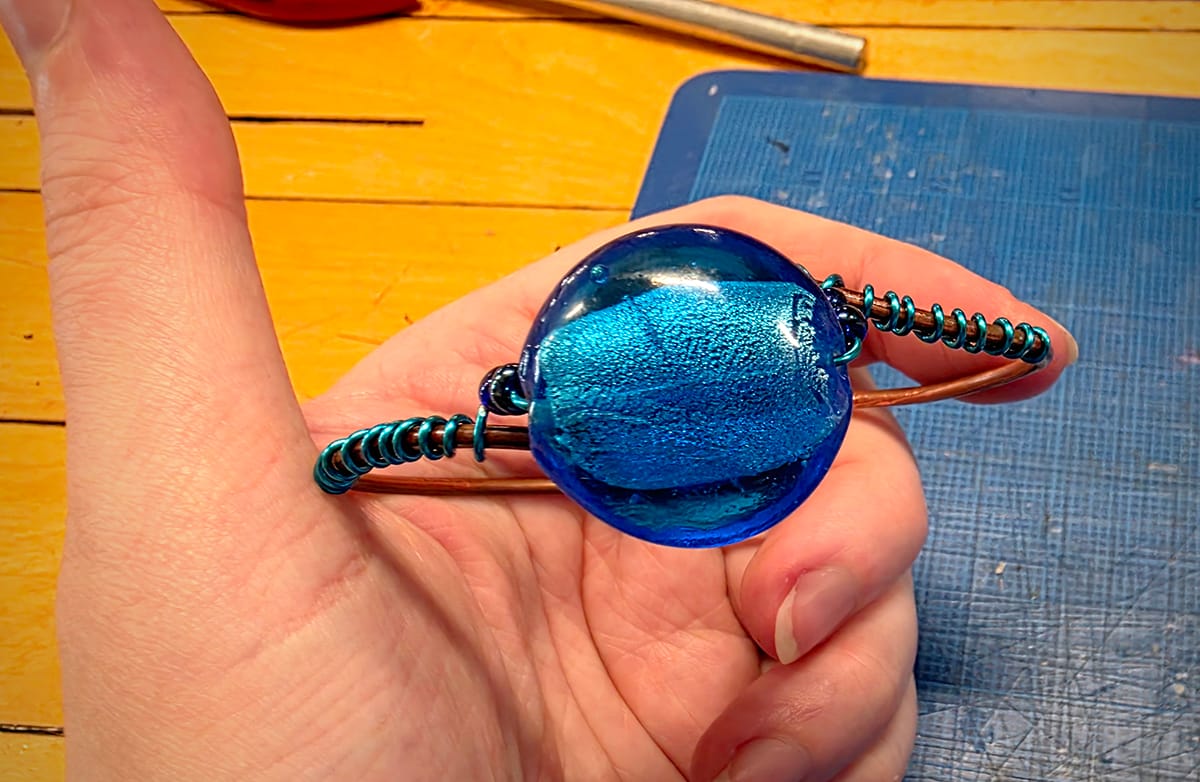
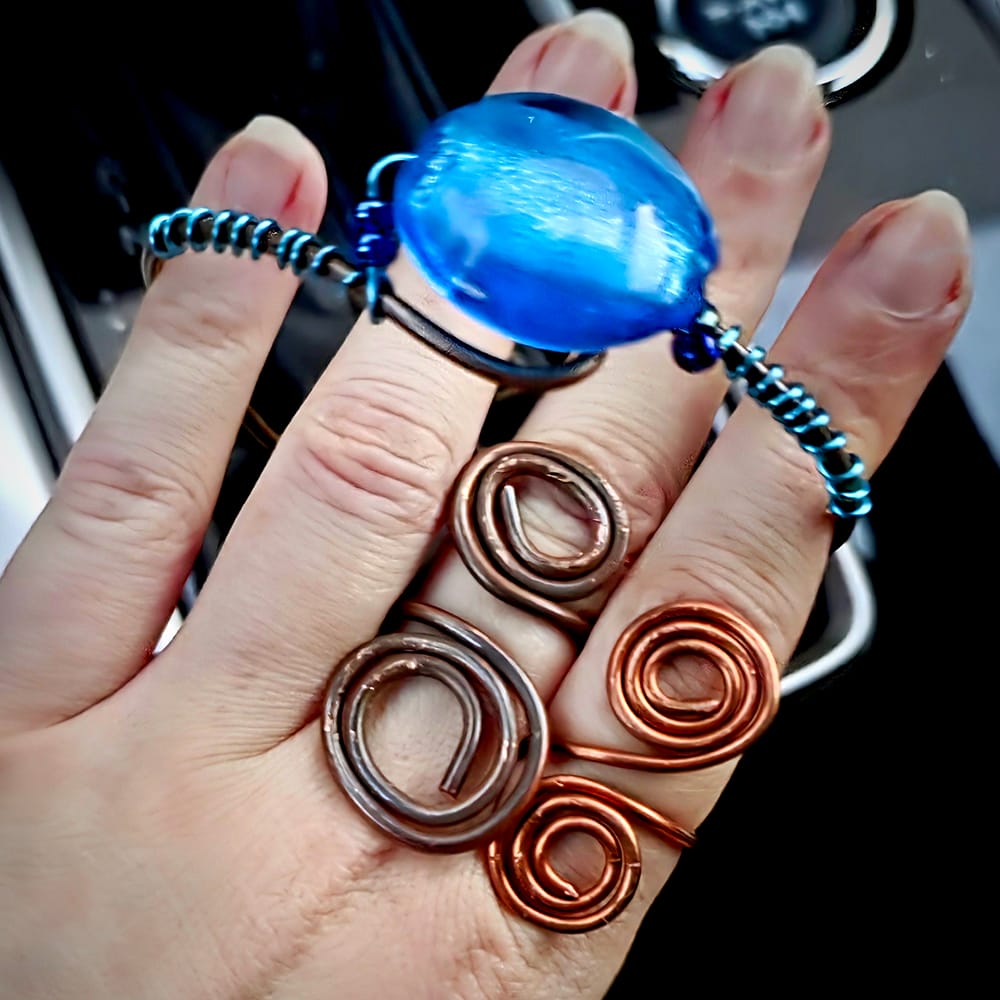
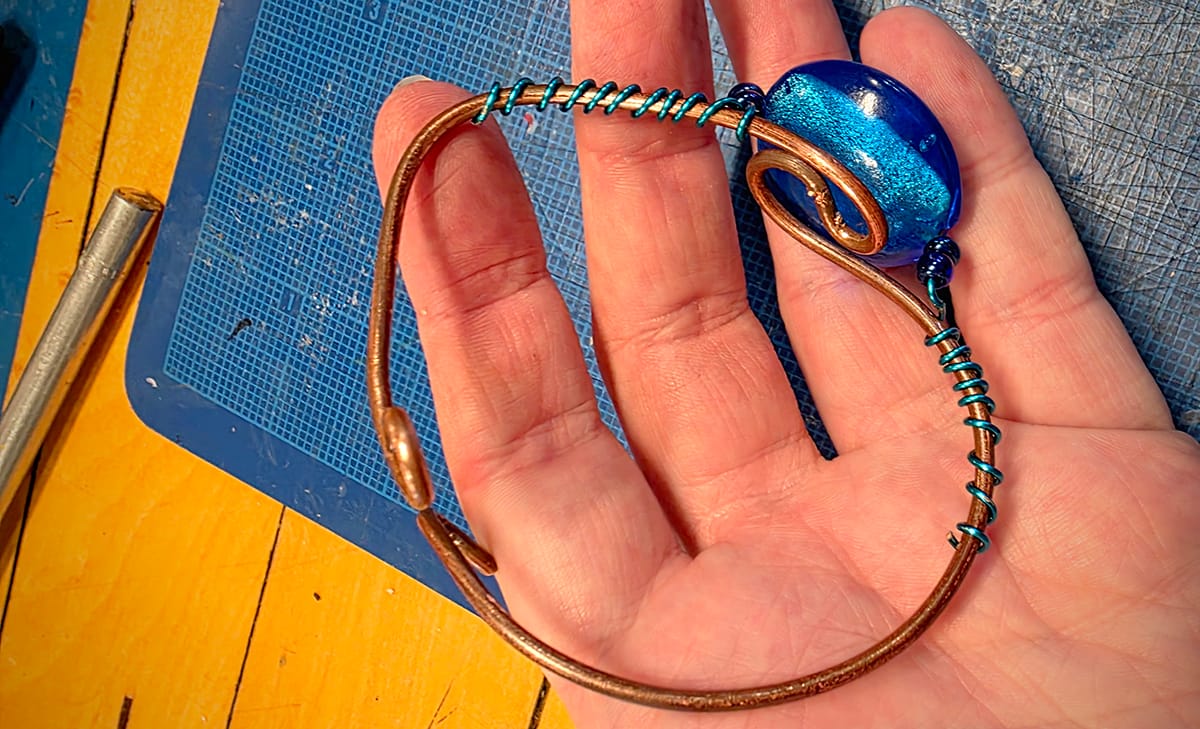
For neurodivergent individuals who enjoy learning through doing, making things, or exploring materials, hands-on creative spaces can provide opportunities for confidence, curiosity, skill-building, and connection.
Creating something new from discarded materials can also carry a powerful reminder: Things — and people — are not less valuable because they have been overlooked.
Sometimes they simply need the right environment to become something new.
Marnie’s Creative Outlet
Creative exploration, workshops, and community connection
Location: 737 Marshall Avenue, Webster Groves, MO 63119
Contact email: marnie@marniescreative.com
Marnie’s Creative Outlet provides opportunities for people to explore creativity through classes, workshops, and creative experiences.
For neurodivergent adults, low-pressure creative environments can provide opportunities to:
- try new materials
- develop skills
- explore interests
- connect with others
- engage in hands-on learning
- experience creativity without needing perfection
Creative workshops can be especially meaningful because they provide structure while still allowing individuality.
For people rebuilding after burnout, trying something new in a supportive environment can become a small step toward reconnecting with curiosity, joy, and self-expression.
Craft Alliance
Fine craft education, artistic exploration, and creative growth
Location: 5080 Delmar Boulevard, St. Louis, MO 63108
Contact: Bryan W. Knicely (Executive Director): bryan.knicely@craftalliance.org
Craft Alliance is a nonprofit arts organization focused on craft education, exhibitions, and creative experiences.
They offer opportunities to explore mediums such as:
- ceramics
- fibers
- metals and blacksmithing
- glass
- mixed media
- creative workshops
For neurodivergent creators, craft-based practices can be especially valuable because they often combine:
- hands-on learning
- sensory exploration
- problem-solving
- repetition and skill-building
- personal expression
Whether someone is exploring creativity for healing, community, or artistic development, spaces like Craft Alliance provide opportunities to continue learning and creating.
 Jessica Carey
Recreation & Experiences
Recreation Council of Greater St. Louis
Recreation access, financial assistance, community involvement
Location: 11457 Olde Cabin Road, St. Louis, MO 63141
Contact email: randy@recreationcouncil.org (city)
rhickey@recreationcouncil.org (county)
The Recreation Council of Greater St. Louis helps individuals with disabilities access recreation, social opportunities, and community programs.
This organization can be especially helpful because recreation is not “extra” — creativity, friendship, movement, hobbies, and belonging are essential parts of quality of life.
Potential support includes:
- assistance paying for recreation programs
- vouchers for eligible activities
- help connecting with inclusive organizations
- opportunities for greater community involvement
Examples of voucher support include:
- CARE Voucher: up to $350 per fiscal year toward ongoing recreation programs for eligible St. Louis County residents
- Adult Adventure Voucher: funding support toward adventure weekends for adults 18+
- Overnight camp assistance and additional recreation supports
This can include programs through community partners, such as art studios and disability-focused recreation opportunities.
Personally, discovering resources like the Recreation Council reminded me why sharing information matters. I did not initially know support like recreation funding existed, but programs like these can help remove barriers and make creativity, community, and connection more accessible; the Recreation Council helped me get $350 towards funding open studio time at Artists First, which was such a blessing!
St. Louis Arc
Programs, recreation, advocacy, and support
Location: 1177 North Warson Road, St. Louis, Missouri 63132
Contact email: slarc@slarc.org
Contact form: https://formstack.io/50CDE
Programs, Recreation, Employment, Advocacy & Community Support
St. Louis Arc provides support for individuals with intellectual and developmental disabilities throughout different stages of life.
For adults, support is not only about basic needs.
It is also about building a meaningful life with:
- community
- friendships
- interests
- independence
- confidence
- opportunities
Different programs may help individuals explore recreation, employment, personal growth, and greater community involvement.
Employment & Training
Finding meaningful work is not only about getting hired.
For many neurodivergent adults, sustainable employment means finding environments where strengths are recognized and support needs are understood.
St. Louis Arc’s employment services can help individuals explore their abilities, develop workplace skills, and work toward employment goals.
Support around employment matters because everyone deserves opportunities to contribute without sacrificing their well-being.
Leisure & Recreation Programs
Joy matters.
Connection matters.
Having something to look forward to matters.
For disabled and neurodivergent adults, accessible recreation opportunities can help support:
- friendship
- confidence
- independence
- trying new experiences
- community belonging
Programs like these recognize that quality of life is about more than surviving.
It is about living.
Women’s Group
Connection, Conversation & Support
Location: 3117 Big Bend Boulevard, Maplewood, MO 63143
Date and Time: Second Tuesday of the month, 4:30 p.m. to 6:00 p.m.
Ages: Women ages 18 and older
Contact/RSVP: call (314-816-1060) or email (eburroughs@slarc.org) Emma Burroughs
Finding spaces where you do not have to constantly explain yourself can be incredibly meaningful.
The St. Louis Arc Women’s Group provides a space for adult women with disabilities to connect, share experiences, and support one another.
For people who have spent years feeling isolated or misunderstood, finding community can be a powerful part of healing.
Support is not always a program or a checklist.
Sometimes support is simply sitting with people who understand.
Adults with Asperger Social Group
Friendship & Neurodivergent Community
Location: Varies
Date and Time: Varies
Ages: Ages 18 and older
To learn about monthly activities and sign up: https://www.meetup.com/connect-at-st-louis-arc/
Many autistic adults want friendship and connection, but finding comfortable social environments can be difficult.
Traditional social spaces are not always designed with neurodivergent communication styles, sensory needs, or experiences in mind.
This group provides opportunities for autistic adults and other disabled adults to meet others in a welcoming environment.
Friendship is not an “extra.”
Belonging is a human need.
Sunnyhill
Adventure, independence, and community experiences
Location: 14 Soccer Park Road, Fenton, MO 63026
Contact email: info@sunnyhillinc.org
Sunnyhill supports individuals with developmental disabilities through programs focused on recreation, independence, and meaningful life experiences.
Programs may include:
- camps
- adventure opportunities
- community activities
- skill development
Reducing Barriers: Financial Assistance & Funding Options
Finding support can be especially challenging when finances become a barrier.
Many autistic and disabled adults know what would help them — therapy, classes, community activities, recreation, skill-building opportunities, or supportive programs — but accessing those resources is not always affordable.
Financial assistance may be available through different organizations depending on eligibility, location, and individual circumstances.
Places to explore include:
- The Recreation Council of Greater St. Louis — recreation vouchers and funding assistance
- Missouri Autism Projects — autism-related resources and potential support opportunities
- St. Louis Arc — disability programs and community resources
- Developmental Disability Resources — support coordination and service connections
- Vocational Rehabilitation — employment-related supports
- local nonprofits, grants, and scholarship programs
When contacting organizations, consider asking: “Do you offer financial assistance, scholarships, reduced fees, vouchers, grants, or know of organizations that help remove financial barriers?”
Sometimes support exists, but it is not obvious from a website. Reaching out directly can uncover resources you may not have known were available.
Employment, Career Support & Building Sustainable Work
Vocational Rehabilitation Missouri
Employment support, accommodations, and career guidance
Location:
Saint Louis City: 3101 Chouteau Avenue, Suite 202, St. Louis, MO 63103
Saint Louis West: 9900 Page Avenue, Suite 104, St. Louis, MO 63132
Saint Louis South: 7545 South Lindbergh Boulevard., Suite 100, St. Louis, MO 63125
Saint Louis North: 4040 Seven Hills Drive, Suite 257, Florissant, MO 63033
Email: info@vr.dese.mo.gov
Finding meaningful employment as a neurodivergent person is not always about simply finding a job — it is about finding work environments, supports, and accommodations that allow someone to succeed sustainably.
Missouri Vocational Rehabilitation helps individuals with disabilities prepare for, obtain, maintain, or advance in employment.
Support may include:
- career exploration
- employment planning
- job training resources
- workplace accommodations
- assistive technology
- interview and job readiness skills
- guidance around disability-related employment needs
For late-diagnosed autistic adults, this can be especially important.
Many people spend years believing they “failed” at work when the real issue may have been:
- unsupported sensory needs
- environments that caused burnout
- lack of accommodations
- unclear expectations
- communication differences
- jobs that did not fit their strengths
The goal is not simply working harder.
The goal is finding sustainable ways to work, contribute, and thrive.
Broader Disability Support, Advocacy & Independence Resources
Paraquad
Disability advocacy, independence, and accessibility support
Location: 5240 Oakland Avenue, St. Louis, MO 63110
Contact link: https://paraquad.org/contact-us
Paraquad is a disability organization focused on helping people with disabilities increase independence, access resources, and participate fully in their communities.
They provide support related to:
- independent living
- advocacy
- accessibility
- skills and resources
- disability rights
- community participation
For autistic and neurodivergent adults, organizations like Paraquad can be valuable because disability support is not only about medical needs.
It can also involve:
- learning how to advocate for yourself
- understanding available supports
- building confidence
- creating a life that works with your needs instead of against them
St. Louis Office for Developmental Disability Resources (DDR)
Support coordination, resources, and developmental disability services
Location: 2121 Hampton Avenue, St. Louis, MO, 63139
Contact email: info@stldd.org
Navigating disability services can feel confusing, especially for adults who were diagnosed later in life and never received support as children.
The St. Louis Office for Developmental Disability Resources helps connect eligible individuals with developmental disabilities to resources and support.
Services may include:
- support coordination
- resource navigation
- community connections
- assistance identifying available programs
- planning around personal goals and needs
Support coordination can help answer questions like:
- “Where do I start?”
- “What services exist?”
- “What supports might I qualify for?”
- “What options are available as an adult?”
Having someone help navigate systems can make accessing support less overwhelming.
State and Federal Disability Programs
Financial, practical, and community resources
Location: 1200 Market Street, Office on the Disabled, Room 30, St. Louis, Missouri 63103
Contacts:
David Newburger (Commissioner on the Disabled and ADA Coordinator): newburgerd@stlouis-mo.gov
Andrew Lackey (Deputy Commissioner): LackeyA@stlouis-mo.gov
Kimberly Kreitner-Riegerix (ADA Service Specialist): KreitnerK@stlouis-mo.gov
State and Federal Programs for Disabilities resources can exist at multiple levels, including:
- city programs
- state services
- federal programs
- nonprofit organizations
Depending on eligibility and individual needs, programs may provide information related to:
- disability rights
- accessibility
- employment
- benefits
- housing resources
- transportation
- community services
Many people do not receive support simply because they do not know what exists.
Exploring available programs can be an important first step toward finding resources that fit your situation.
Scripts for Reaching Out: What Do I Say?
Finding resources can be difficult — but contacting organizations can sometimes feel even harder.
Many people struggle with knowing what information to include, who to ask for, or how much of their story to share.
You do not need the “perfect” message.
Here are some starting points you can adjust:
If you are newly diagnosed or do not know where to begin:
“Hello, I am a late-diagnosed autistic adult looking for support and resources. I am trying to understand what services may be available, but I am not sure where to start. Does your organization support autistic adults, or can you recommend organizations that do?”
If you are experiencing burnout:
“Hello, I am an autistic adult experiencing burnout and struggling with daily functioning. I am looking for support, resources, skill-building programs, or referrals that may help me rebuild stability.”
If finances are a barrier:
“Hello, I am interested in your programs, but cost is currently a barrier. Do you offer scholarships, financial assistance, vouchers, grants, sliding-scale options, or know of organizations that help with funding?”
If an organization cannot help:
“Thank you for letting me know. Do you know of any other organizations, programs, or resources that may be a better fit for my situation?”
Sometimes the first organization you contact will not be the final answer — but each conversation can become another step toward finding the right support.
 Jessica Carey
Help This Resource Grow
Do you know of another St. Louis-area source, grant, workshop, disability resource, or community program?
Send it my way so this guide can continue helping more people find support.
If you know of additional resources for:
- Disabled individuals
- Neurodivergent individuals
- Classes and workshops
- Grants and opportunities
- Community support
please share them, and share any resources for other locations with your community.
The more we exchange information, the easier it becomes for the next person.
You Are Not Starting Over — You Are Finally Getting the Missing Pieces
Many late-diagnosed autistic adults look back and wonder why life felt harder than it seemed to be for everyone else.
But struggling without support is not the same thing as failing.
A plant struggling in the wrong environment is not a bad plant. Sometimes it needs different conditions to grow.
Many autistic adults have spent years trying to force themselves into environments that ignored their needs. Finding accommodations, community, and resources is not giving up — it is creating conditions where growth is possible.
Support is not about removing uniqueness. It is about allowing strengths, creativity, curiosity, compassion, and individuality to have room to breathe.
You are not starting over.
You are finally building with the tools and understanding you deserved all along.
 Jessica Carey
 Jessica Carey
Creativity has been a major part of my own journey of reconnecting with myself, which is why Creativity Chronicles explores art, imagination, healing, and self-expression.
Want even more content about creativity and art?
Be sure to check out all of our creative chronicles!
If you'd like to see examples of my work, you can find some of my art and creations at Redbubble and Gumroad!
Looking to learn more about my recent journey?
Check out this article:
Want to learn more about neurodiversity and creativity?
Check out some of these articles:
-Hidden Gems for Autistic & Neurodivergent Adults
-Power of Neurodivergent Minds
-I Think I Might Be Autistic... Now What?
-I Wasn't Broken--I'm Burned Out
 Jessica Carey