
Most of us have said the words: "Thank you."
And most of us have heard them.
Sometimes they are heartfelt.
Sometimes they're little more than habit—a polite response we've repeated so many times that the words leave our mouths before we've even thought about them.
There's nothing wrong with saying thank you.
In fact, expressing appreciation matters.
Words have the power to encourage, comfort, and remind people that they are seen, but words alone are not the whole story.
We've all encountered moments when someone's actions didn't match what they said.
They expressed appreciation but continued to be inconsiderate.
They accepted kindness without ever thinking about how they might contribute in return.
Their gratitude sounded sincere, yet it never seemed to shape the way they treated the people around them.
On the other hand, we've likely experienced the quiet kind of gratitude that almost doesn't need words.
The friend who notices you're overwhelmed and quietly washes the dishes before you get home.
The neighbor who sees your trash can still sitting at the curb and rolls it back to your house.
The coworker who notices you're carrying too much and offers to help without being asked.
The person who remembers your favorite snack after you've had a difficult week.
None of those moments are flashy.
Most won't make headlines.
Yet they often leave a deeper impression than the most eloquent speech because they communicate something profoundly human: "I see you."
Actions don't replace words, and words shouldn't replace actions.
Healthy gratitude brings the two together.
When our words are sincere, our actions naturally begin asking a different question.
Instead of stopping at: "Thank you," we begin wondering: "How can I help?"
That question shifts gratitude from something we simply express into something we actively practice.
It reminds us that appreciation isn't only spoken—it can also be lived.
And perhaps that's one of the quiet ways healthy communities are built.
Not through grand gestures or extraordinary acts, but through ordinary people consistently looking for small opportunities to make one another's lives a little lighter.
 Jessica Carey
Contributing Isn't About Keeping Score
One of the biggest misconceptions about gratitude is that it creates a debt.
Someone helps us, so we feel obligated to "pay them back."
While that may sound honorable, it can quietly turn relationships into transactions.
Every act of kindness becomes something to balance, every favor something to repay, every gift something that leaves us feeling like we owe.
Healthy relationships aren't meant to function like ledgers.
They're meant to function like communities.
When someone extends genuine kindness, our response doesn't have to be driven by guilt or obligation.
Instead, it can grow from something much healthier—a sincere desire to contribute.
That's an important distinction.
There's a world of difference between thinking: "I have to repay them."
And thinking: "I'm grateful to be here. How can I help?"
The first focuses on settling a debt.
The second focuses on participating in a shared life.
That shift changes everything.
As I've found myself in one of the hardest seasons of my life, friends opened their home to me while I searched for a place to call my own.
They never expected me to "earn my keep."
In fact, whenever I thanked them by helping around the house, they would gently remind me that it wasn't expected.
But gratitude kept nudging me to look for ways I could contribute anyway.
Not because I was trying to repay them but because that's what healthy communities do.
I couldn't solve every problem they faced.
I couldn't contribute financially in significant ways.
I couldn't take every burden off their shoulders.
But I could wash the dishes.
I could clean the kitchen.
I could notice when household supplies were running low and pick them up while I was already out.
I could give rides when it made sense.
I could surprise someone with their favorite snack after a difficult day.
I could knit scarves in their favorite colors with the softest yarn I could find because I knew those soft textures brought them comfort.
None of those things were extraordinary.
In fact, most of them were remarkably ordinary, yet that's precisely the point.
Healthy communities aren't sustained by occasional grand gestures.
They're sustained by countless small acts of consideration that quietly say:
- "I notice."
- "I care."
- "I'm glad we're in this together."
Perhaps one of the greatest gifts we can offer another person isn't solving all of their problems.
It's helping carry a tiny piece of the weight.
When enough people do that—each carrying what they genuinely can—the load becomes lighter for everyone.
 Jessica Carey
It Takes a Village
We've all heard the phrase: "It takes a village."
It's repeated so often that it's easy to stop thinking about what it actually means.
A healthy village isn't a place where everyone contributes equally.
It's a place where everyone contributes differently.
One person enjoys cooking.
Another is good at organizing.
Someone else can repair what's broken.
Someone has the resources to give financially.
Someone else has time to volunteer.
Someone notices when a friend is unusually quiet and reaches out.
Someone offers a ride.
Someone listens without trying to fix everything.
Someone creates art that helps people feel less alone.
None of those contributions are identical.
None are more "real" than the others.
Each one strengthens the community in its own way.
This is where I think many of us become discouraged.
We look at what we can't offer instead of recognizing what we can.
Maybe we don't have much money.
Maybe our health limits what we're able to do.
Maybe we're emotionally exhausted after a difficult season.
Maybe we don't have much free time.
It's easy to conclude that because we can't do everything, we have nothing meaningful to give.
But healthy communities have never depended on one person doing everything; they've always depended on many people each doing something.
Human beings were never meant to exist as isolated individuals.
Throughout history, we've survived, healed, celebrated, grieved, learned, and created together.
When we contribute to one another's lives, we're participating in something deeply human.
We experience a sense of belonging—not because we've earned our place, but because we're taking part in the mutual care that healthy communities are built upon.
Perhaps that's one of the most freeing truths about community.
Your contribution doesn't have to look like someone else's.
It only has to be genuine.
Sometimes what another person needs most isn't a large donation or a dramatic rescue.
Sometimes it's someone bringing over a meal after surgery.
A neighbor watering the flowers while they're away.
A friend remembering that they love peppermint tea and showing up with a box after a difficult week.
A hand-knit scarf made in their favorite colors because you remembered what brings them comfort.
A ride to the store.
A listening ear after a long day.
A clean kitchen that lets someone finally breathe a little easier.
None of those acts will change the entire world, but they may change someone's world.
And that's often where meaningful change begins—not in grand displays that everyone notices, but in quiet acts of care that remind one person they don't have to carry everything alone.
Healthy communities aren't built because everyone has the same gifts.
They're built because people stop comparing their gifts and start sharing them.
There are seasons when we have abundant energy and can give freely.
There are also seasons when our capacity is much smaller.
During those times, contribution may look less impressive but no less meaningful:
- A kind word
- Folding the laundry
- Sending an encouraging message
- Sharing a meal
Healthy communities don't measure worth by productivity.
They recognize that each person contributes according to their present abilities.
The question isn't: "Can I do everything?"
It's simply: "What can I genuinely offer today?"
When enough people begin asking that question, something remarkable happens.
The burdens become lighter.
The work becomes shared.
People feel seen instead of forgotten.
And little by little, a collection of individuals begins to feel like a community.
 Jessica Carey
The Ripple Effect of Small Acts
One afternoon, a friend I care about was feeling overwhelmed.
A new puppy would soon be joining the family, and there was plenty to do to prepare the house.
Among the growing list of tasks was taking a ceiling fan, canopy, and several boxes to the donation center.
It wasn't a huge problem.
It was simply one more thing on an already full plate.
Since I was already planning to be near the donation center, I offered to take them.
It seemed like the simplest, most practical solution.
I wasn't looking for recognition or expecting anything in return.
In fact, I didn't think much about it at all. I
t was simply something I could do that would make someone else's day a little easier.
Before I left, they declared me their hero, full of gratitude.
What happened next was completely unexpected.
The donation center happened to be close to a Sam's Club gas station.
Since I was already there, I noticed the gas prices and realized they were significantly lower than anywhere else nearby (even other Sam's Clubs).
A few dollars saved may not seem like much, but when finances are tight, small savings matter.
While filling my tank, I noticed a community event happening in the parking lot.
At first, I paid little attention to it, but one of the employees encouraged me to go take a look after discussing the local Christian radio station, Joy FM.
I'm glad they did.
It turned out to be a free back-to-school event with food and giveaways.
I received a simple, warm lunch, a reusable tote bag, a hat, a lunch box, and a few other items.
By themselves, they were thoughtful gifts.
But the story didn't end there.
My women's support group had recently been trying to help a woman experiencing homelessness during an especially hot stretch of summer weather.
As I looked through what I had received, I realized several of those items could become exactly what someone else needed.
The bottled water.
The granola bar.
The tote bag.
The hat that could provide a little shade from the sun.
What began as a trip to help one person unexpectedly became an opportunity to help another.
Looking back, I'm struck less by the individual events than by how naturally they connected.
One simple decision quietly opened the door to another.
And then another.
And then another.
Whether someone describes moments like these as providence, synchronicity, grace, coincidence, or simply the beautiful unpredictability of life, I think there's something worth paying attention to.
Small acts rarely stay small.
A single decision can ripple outward in ways we never could have planned.
One act of kindness eases someone's stress.
That act places us somewhere we wouldn't have otherwise been.
That new place introduces us to an unexpected opportunity.
That opportunity provides resources we didn't know we'd need.
Those resources become a blessing for someone else.
None of it was forced.
None of it was carefully orchestrated.
It simply unfolded, one ordinary decision at a time.
Perhaps that's one of the reasons kindness is so powerful.
We often imagine that changing the world requires dramatic moments or extraordinary sacrifices.
Yet so much of life unfolds through quiet choices that almost seem insignificant while we're making them.
Holding the door.
Sending the text.
Offering the ride.
Sharing the meal.
Taking the boxes to the donation center.
We rarely know where those small choices will lead, but that doesn't make them small.
It reminds us that we are connected in ways we don't always see.
Our lives overlap.
Our choices affect one another.
Sometimes the simplest act of helping one person becomes the beginning of a story that blesses many more.
Kindness also changes the person practicing it.
When we begin looking for opportunities to help, we naturally become more attentive to the people around us.
We notice needs we once overlooked.
We become more connected to our communities.
In that sense, kindness doesn't just change the world around us—it changes how we move through the world.
 Jessica Carey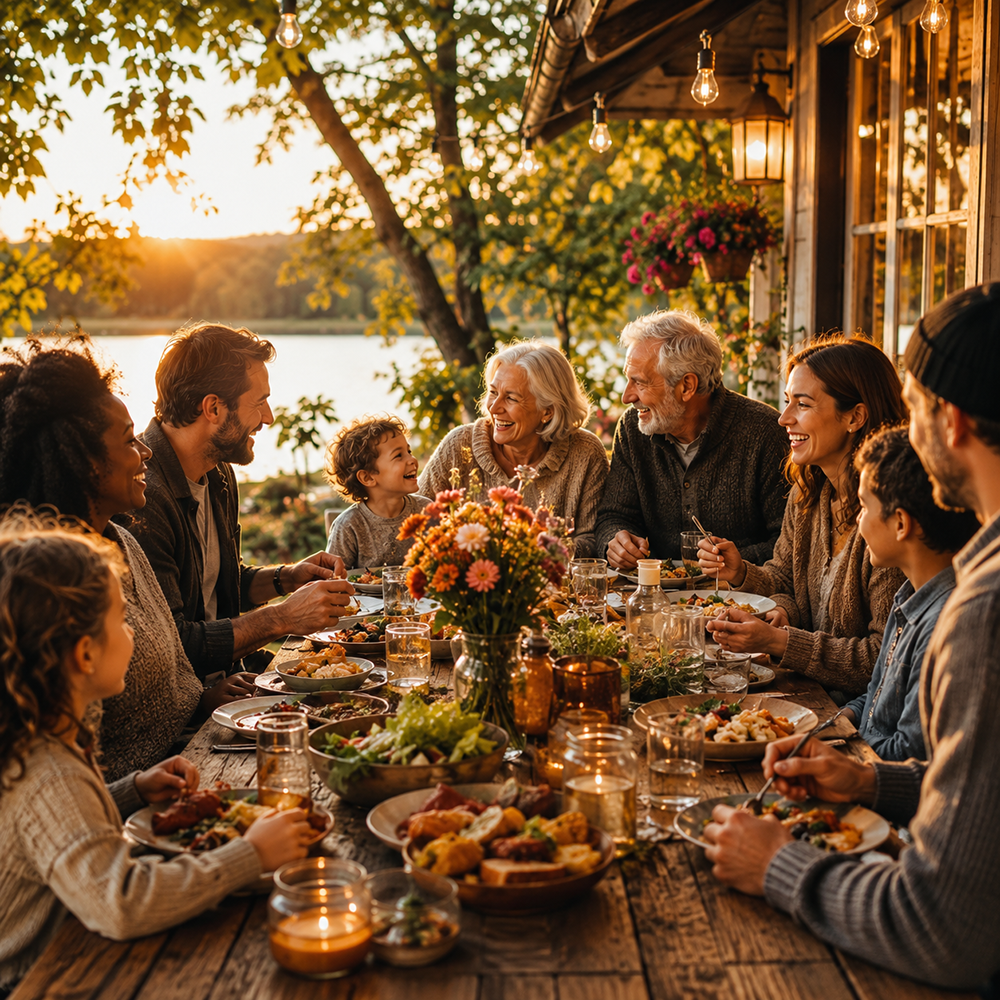
Kindness Begins with Paying Attention
When we think about kindness, it's easy to imagine grand gestures.
Large donations.
Life-changing speeches.
Dramatic rescues.
While those moments certainly have their place, I don't think they're where kindness usually begins.
More often, kindness begins with something much quieter; it begins with paying attention.
- Paying attention to the people around us
- Paying attention to the small struggles that rarely make the headlines
- Paying attention to the things that would make someone's day just a little easier
The interesting thing about attention is that it doesn't necessarily require more money, more time, or more talent.
It requires presence.
It asks us to slow down enough to truly notice another human being.
Instead of asking: "What impressive thing can I do?"
We begin asking: "What would genuinely help this particular person?"
That question changes everything.
Kindness stops becoming generic.
It becomes personal.
One person may be encouraged by receiving flowers.
Another would much rather have someone quietly help with the dishes.
One person may appreciate an expensive gift.
Another may simply need someone to sit beside them and listen without trying to solve every problem.
Healthy kindness recognizes that people aren't projects to complete.
They're individuals with unique needs, personalities, joys, struggles, and ways of feeling cared for.
Sometimes the greatest act of kindness is simply noticing what someone else might overlook.
Maybe it's realizing the microwave has become caked with food and taking a few minutes to clean it because everyone has been busy.
Maybe it's remembering someone's favorite snack and bringing it home after a difficult week.
Maybe it's knitting a gift in their favorite colors using soft yarn because you know certain textures help them feel calm and comforted.
None of those actions are particularly dramatic.
Yet each one quietly says: "I see what matters to you."
Perhaps that's why these small acts often leave such a lasting impression.
They aren't simply acts of service; they're acts of attention and sincere love.
And attention is one of the clearest ways we communicate that another person matters.
In many ways, attention is the foundation from which compassion grows.
We cannot respond to needs we never notice.
We cannot encourage people we never truly see.
We cannot build healthy communities while remaining disconnected from one another's everyday lives.
The more present we become, the more opportunities for kindness begin to reveal themselves.
Not because the world suddenly has more needs than it did before but because we're finally seeing the ones that were there all along.
Perhaps that's why so many meaningful acts of kindness appear almost ordinary.
They're often less about doing something extraordinary and more about noticing what has quietly been waiting for someone to care.
 Jessica Carey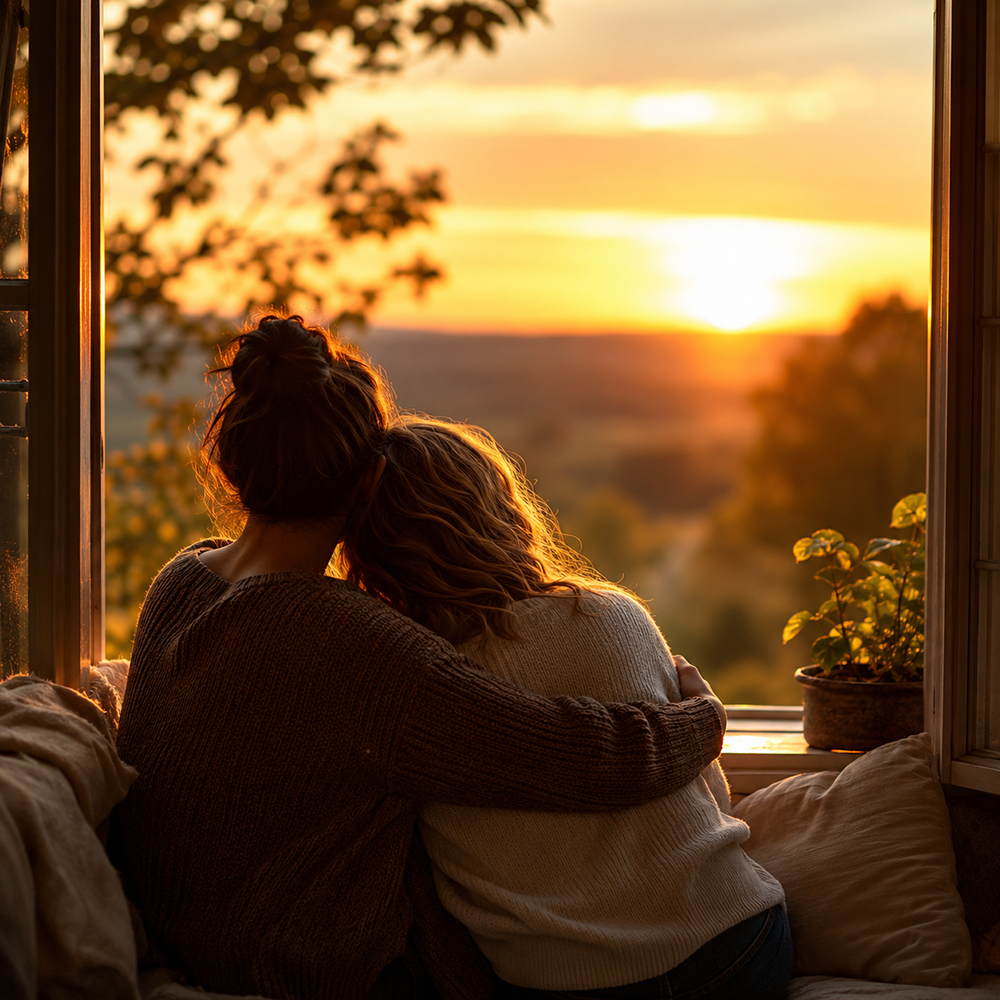
Building the Kind of World We Long For
When people talk about changing the world, it's easy to feel small.
The problems seem too big:
- Loneliness
- Division
- Poverty
- Isolation
- Grief
- Burnout
- Conflict
It's natural to wonder what difference one person could possibly make.
After all, one meal won't end hunger.
One conversation won't eliminate loneliness.
One act of kindness won't solve every problem someone carries.
But perhaps we've been asking the wrong question.
Instead of asking: "Can I change the whole world?"
What if we asked: "Can I make this moment a little lighter for someone else?"
That question feels much more human and much more possible.
Healthy communities aren't built because a handful of extraordinary people save everyone else; they're built because ordinary people repeatedly choose to care.
One person brings the meal.
Another offers the ride.
Someone else donates supplies.
A neighbor helps carry groceries.
A friend listens without judgment.
Someone quietly washes the dishes after dinner.
Another person remembers a birthday that everyone else forgot.
Individually, these moments may seem almost insignificant.
Together, they become the fabric of a community.
This is the kind of world many of us are quietly longing for.
Not one where everyone agrees.
Not one where no one struggles.
But one where people genuinely notice one another.
Where kindness isn't reserved for special occasions.
Where gratitude is lived, not merely spoken.
Where people contribute what they can instead of comparing what they can't.
Where asking for help isn't seen as weakness, and offering help isn't viewed as keeping score.
Gratitude asks: "How can I say thank you?"
Love asks: "How can I help?"
Perhaps that's what "it takes a village" has always meant.
Not that every person must carry every burden but that no one should have to carry every burden alone.
There will be seasons when we're the ones offering support.
There will also be seasons when we're the ones receiving it.
Both require humility.
Both require trust.
Both remind us that we were never meant to navigate life in isolation.
For many of us, receiving help is harder than offering it.
We worry about becoming a burden.
We wonder if we've done enough to deserve kindness.
Yet healthy communities depend on both giving and receiving.
If no one is willing to receive help, no one has the opportunity to give it.
There are seasons when our contribution is carrying someone else.
There are also seasons when our contribution is allowing someone else to carry us.
Both strengthen community.
I've experienced both sides.
There have been seasons when I desperately needed others to help carry me because I simply couldn't carry everything myself.
There have also been moments when, despite having very little to give, I discovered I could still contribute something meaningful.
A ride.
A meal.
A listening ear.
A clean kitchen.
A hand-knit scarf.
A trip to the donation center.
None of those things changed the world overnight, but each one made someone's day a little easier.
And perhaps that's how lasting change usually begins.
Not with grand gestures that happen once but with ordinary acts of love repeated thousands of times by ordinary people who have chosen to pay attention.
The beautiful thing about kindness is that we rarely get to see the full extent of its impact.
We may never know how one encouraging conversation helped someone keep going.
How one shared meal reminded someone they weren't alone.
How one afternoon spent helping a friend created a chain of events that blessed several other people.
Many of the ripples continue long after we've stopped watching the water.
Maybe that's enough.
Maybe we don't need to witness every outcome in order for our kindness to matter.
Maybe our responsibility isn't to control the ripples.
It's simply to keep tossing pebbles into the pond.
To keep asking: "What can I genuinely offer today?"
Then to offer it freely.
Because healthy communities aren't built all at once.
They're built one thoughtful choice...
One sincere act...
One attentive heart...
One person at a time.
Healthy communities aren't created by extraordinary resources.
They're created by ordinary people consistently responding to one another with attention, gratitude, and care.
 Jessica Carey
Want even more content about creativity and art?
Be sure to check out all of our creative chronicles!
If you'd like to see examples of my work, you can find some of my art and creations at Redbubble and Gumroad!
Looking to learn more about my recent journey?
Check out some of these articles:
-Hidden Gems for St. Louis Artists
-Hidden Gems for Autistic & Neurodivergent Adults
-I Wasn't Broken--I'm Burned Out
-The Difference Between Resting and Giving Up
 Jessica Carey