Sometimes the hardest part of creating is not having the idea.
It is having access to everything needed to bring that idea into the world.
Because creativity often starts with a simple question: “What if?”
- What if I built this?
- What if I tried this material?
- What if I learned this skill?
- What if I finally made the thing I have been imagining?
But sometimes that excitement quickly runs into barriers.
- “I do not have the tools.”
- “I do not have enough space.”
- “I do not know where to start.”
- “I cannot afford all the equipment.”
And that is something many creators experience.
An idea can exist long before someone has access to the resources needed to make it real.
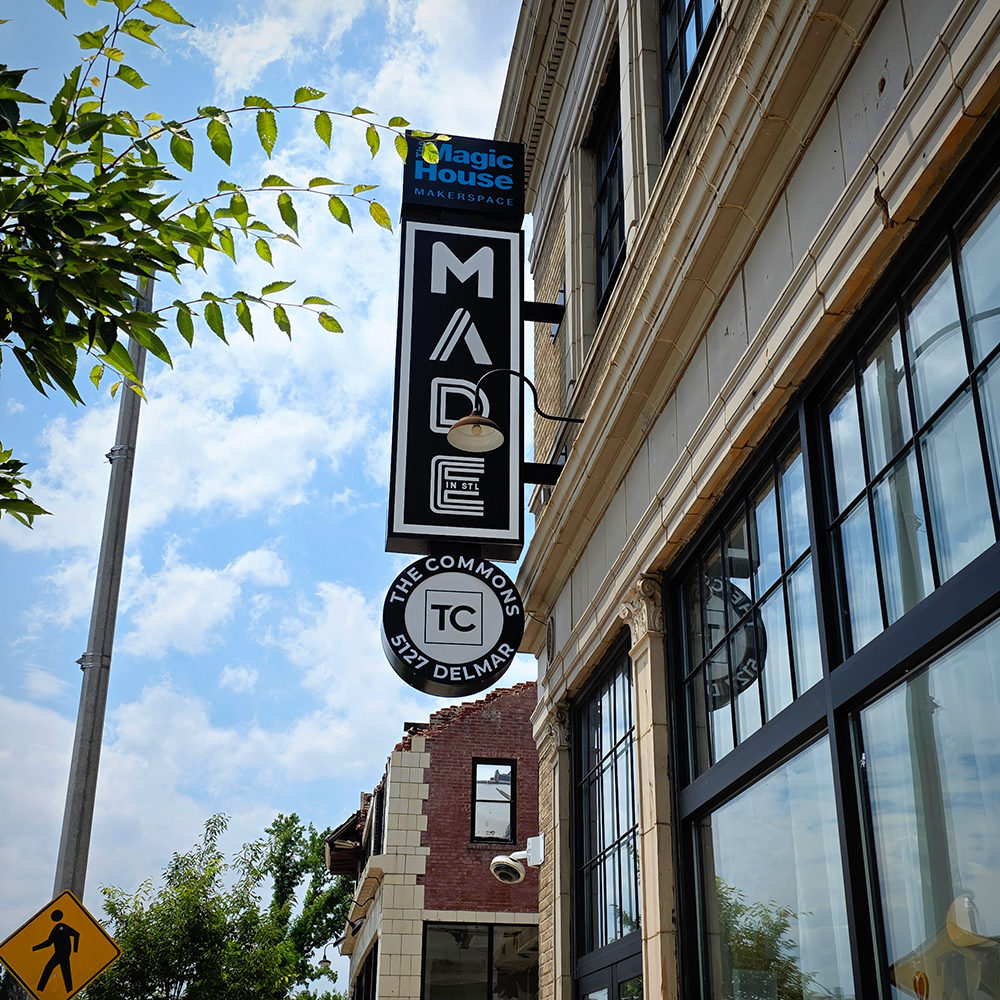
That is one of the reasons I was so excited to discover MADE Makerspace in St. Louis, Missouri.
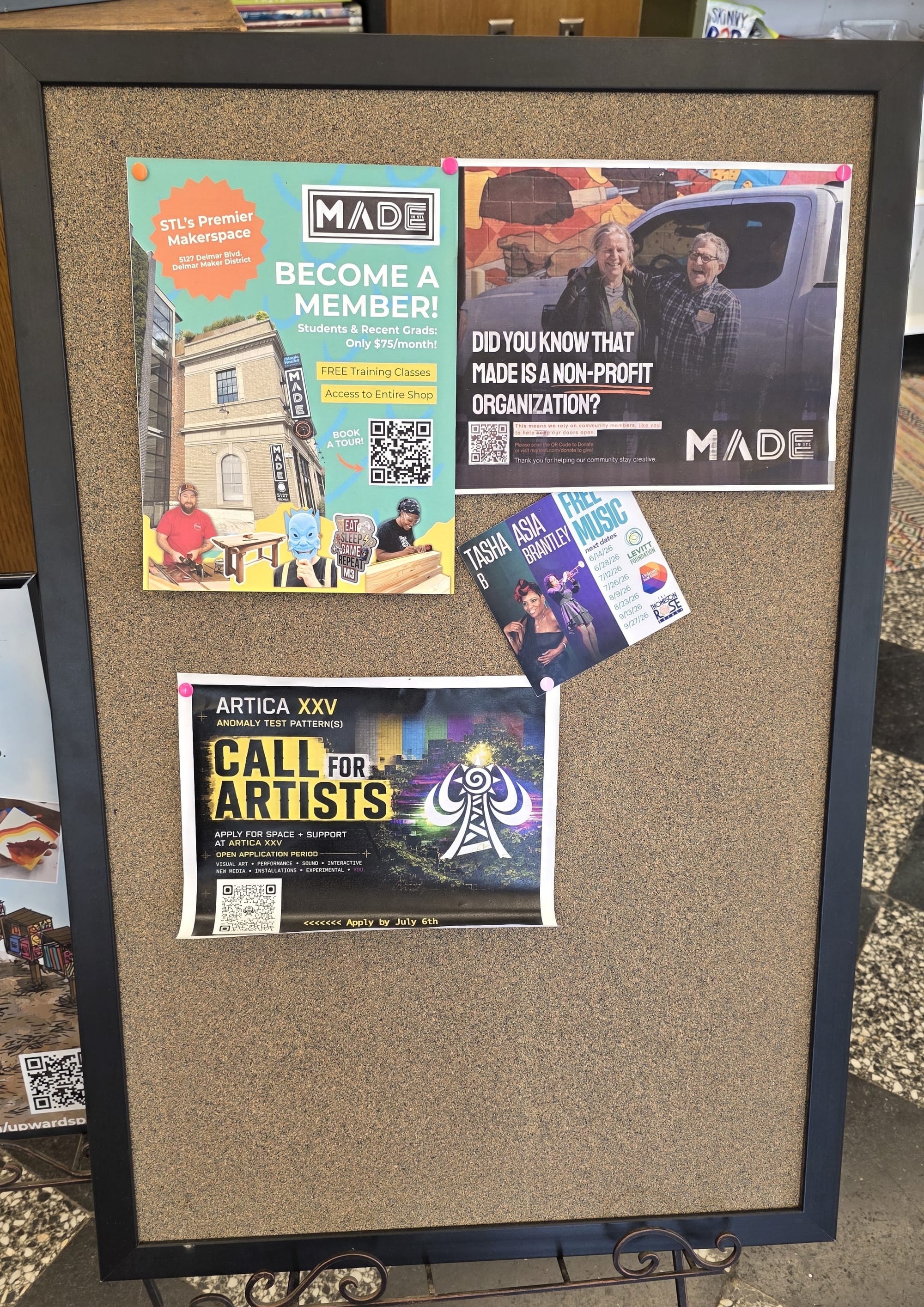
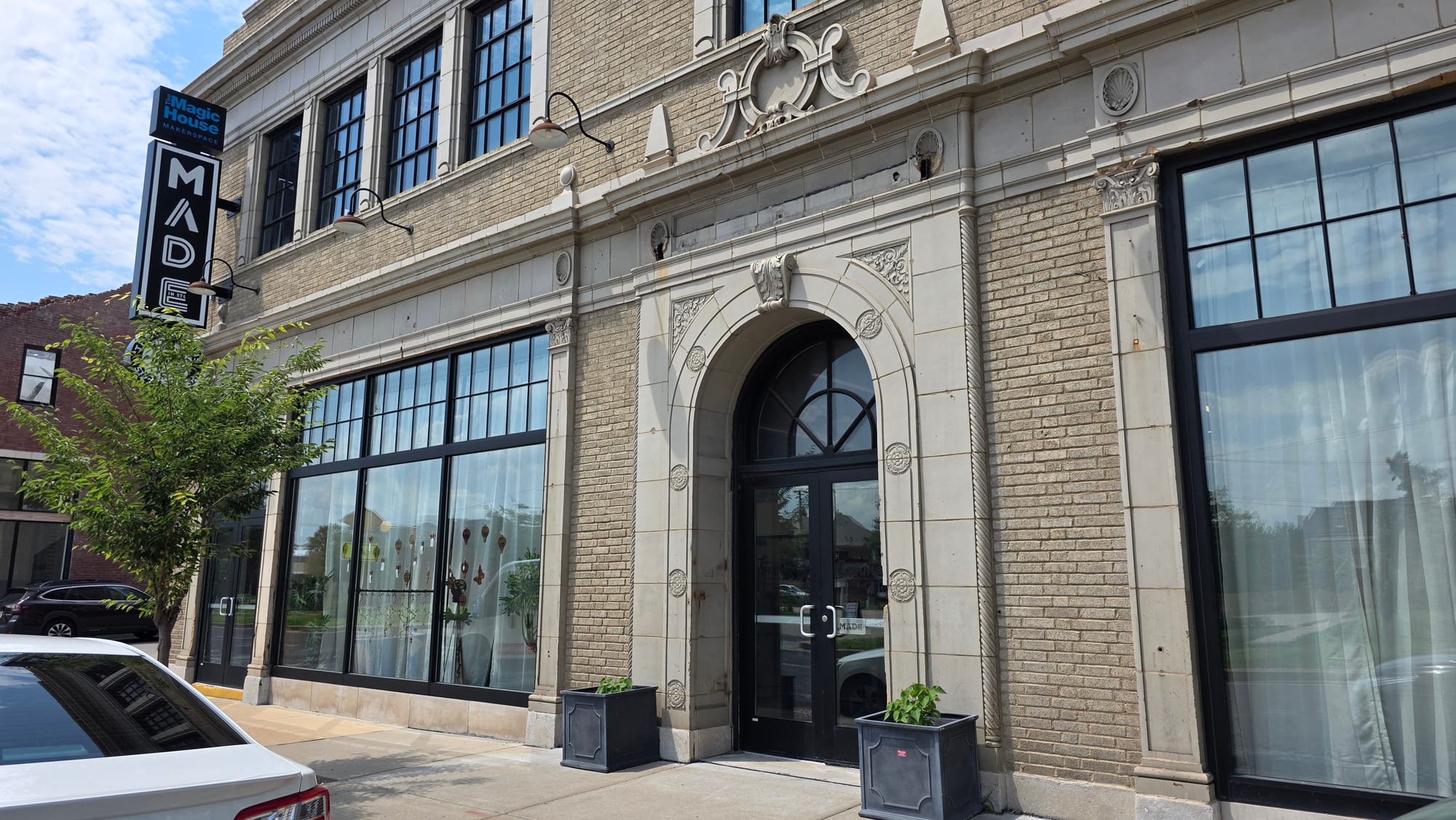
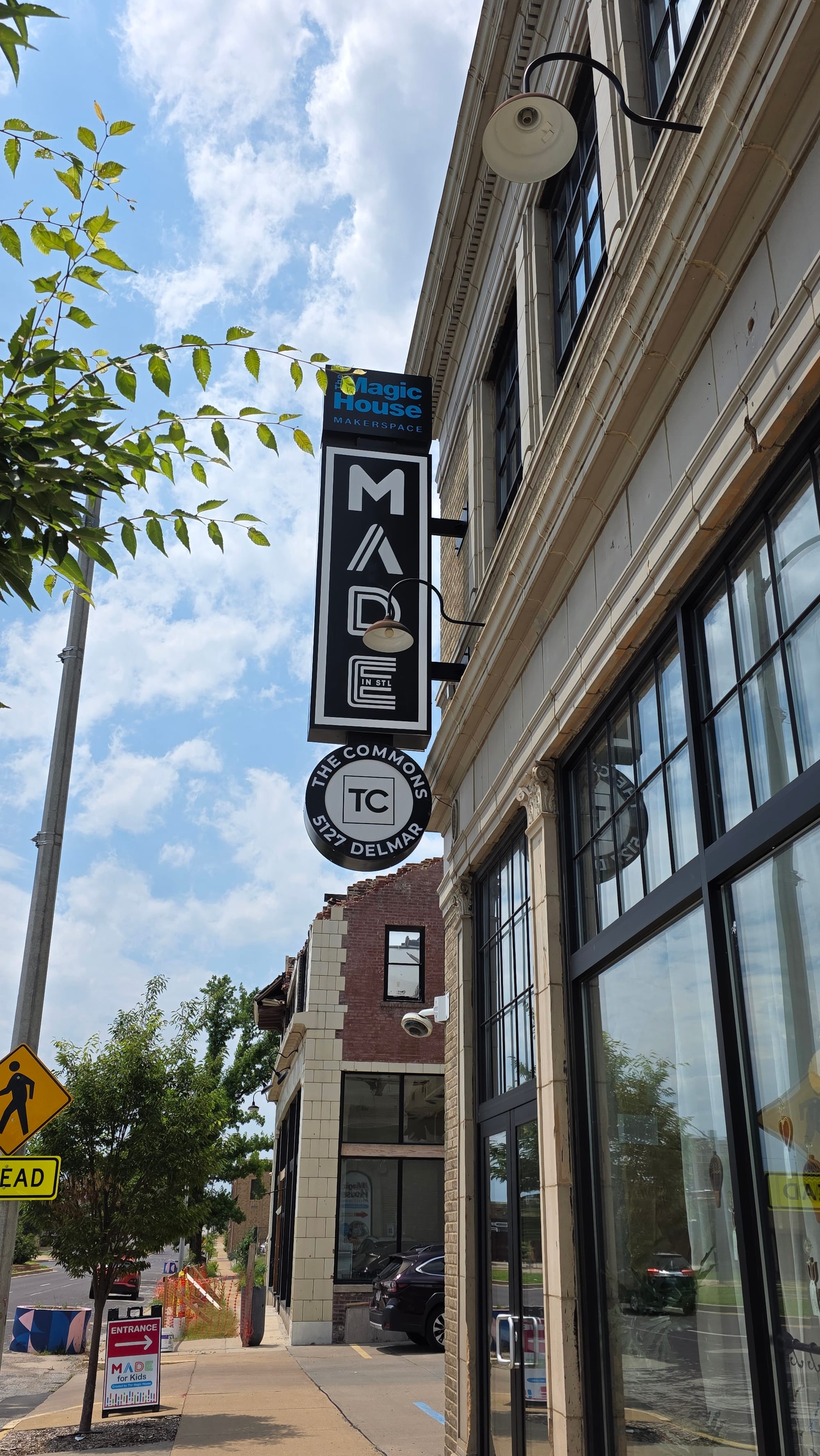
Located at 5127 Delmar Boulevard, MADE is a creative community space designed around helping makers access tools, equipment, education, and opportunities.
And honestly?
I wish I had discovered it sooner.
As I have continued exploring hidden creative gems throughout St. Louis, I have repeatedly been reminded that there are incredible resources already existing in our communities.
Sometimes the hardest part is simply knowing they are there.
When I told my artist friend about MADE, she had not heard about it either.
And that made me wonder: how many other artists, makers, inventors, and curious beginners have an incredible creative resource sitting practically in their backyard without realizing it?
Over the past several months, I have discovered creative spaces throughout St. Louis that each seem to answer a different question.
- Where can artists find affordable materials?
- Where can creators find community?
- Where can beginners explore without pressure?
- Where can artists find support and opportunities?
And discovering MADE introduced another important question: what if someone has the idea, but they need access to the tools and resources needed to make it real?
What is MADE Makerspace?
MADE Makerspace is a shared creative workspace in the Delmar Maker District built around an important idea: creators can do more when they have access.
- Access to tools
- Access to training
- Access to community
- Access to possibilities
Instead of every creator needing to individually purchase expensive equipment, store countless supplies, or figure everything out alone, makerspaces create shared environments where people can learn and create together.
For artists and makers, that can be life changing.
Because access changes what feels possible.
A person may have an idea for years but never have the equipment needed to try.
Someone may want to explore a new medium but hesitate because investing hundreds or thousands of dollars into tools is unrealistic.
Someone may want to grow creatively but not know where to find others who understand their interests.
Spaces like MADE help remove some of those barriers.
They create room for experimentation.
Learning.
Problem solving.
And bringing ideas into reality.
For many people, the word “makerspace” may be unfamiliar.
But at its heart, the idea is simple.
A makerspace is a place built around creativity, learning, and shared resources.
Instead of everyone needing their own expensive tools, equipment, and workspace, people can come together and share access.
It is a reminder that creativity does not have to happen alone.
Throughout history, people have always gathered to create.
To teach each other.
To exchange ideas.
To solve problems.
To build things together.
Makerspaces continue that tradition in a modern way — bringing together art, technology, craftsmanship, innovation, and community.
Taking the Tour
Before writing this article, I had the opportunity to tour MADE Makerspace with one of my artist friends.
Ironically, neither of us had known this creative space existed until recently.
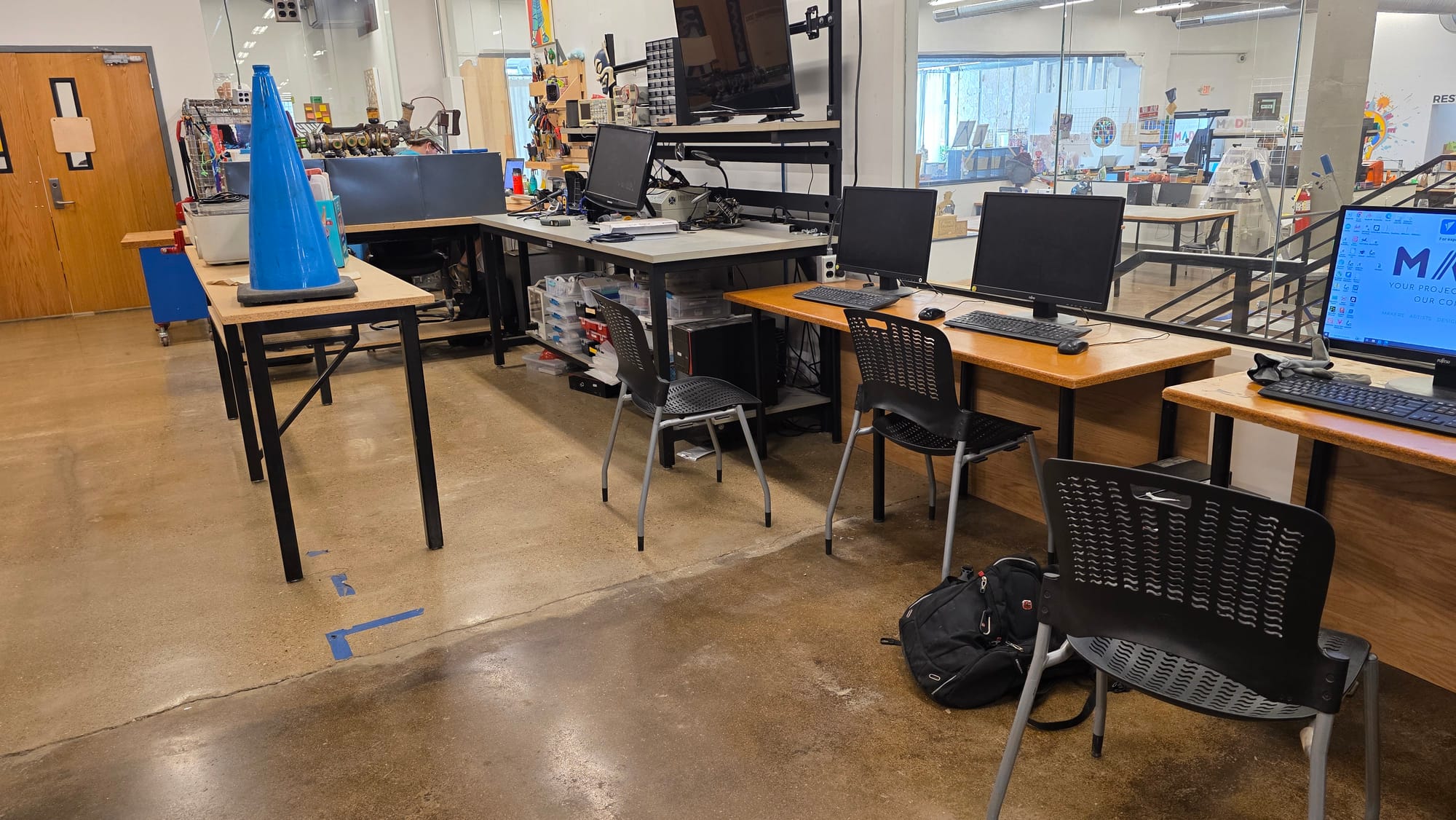
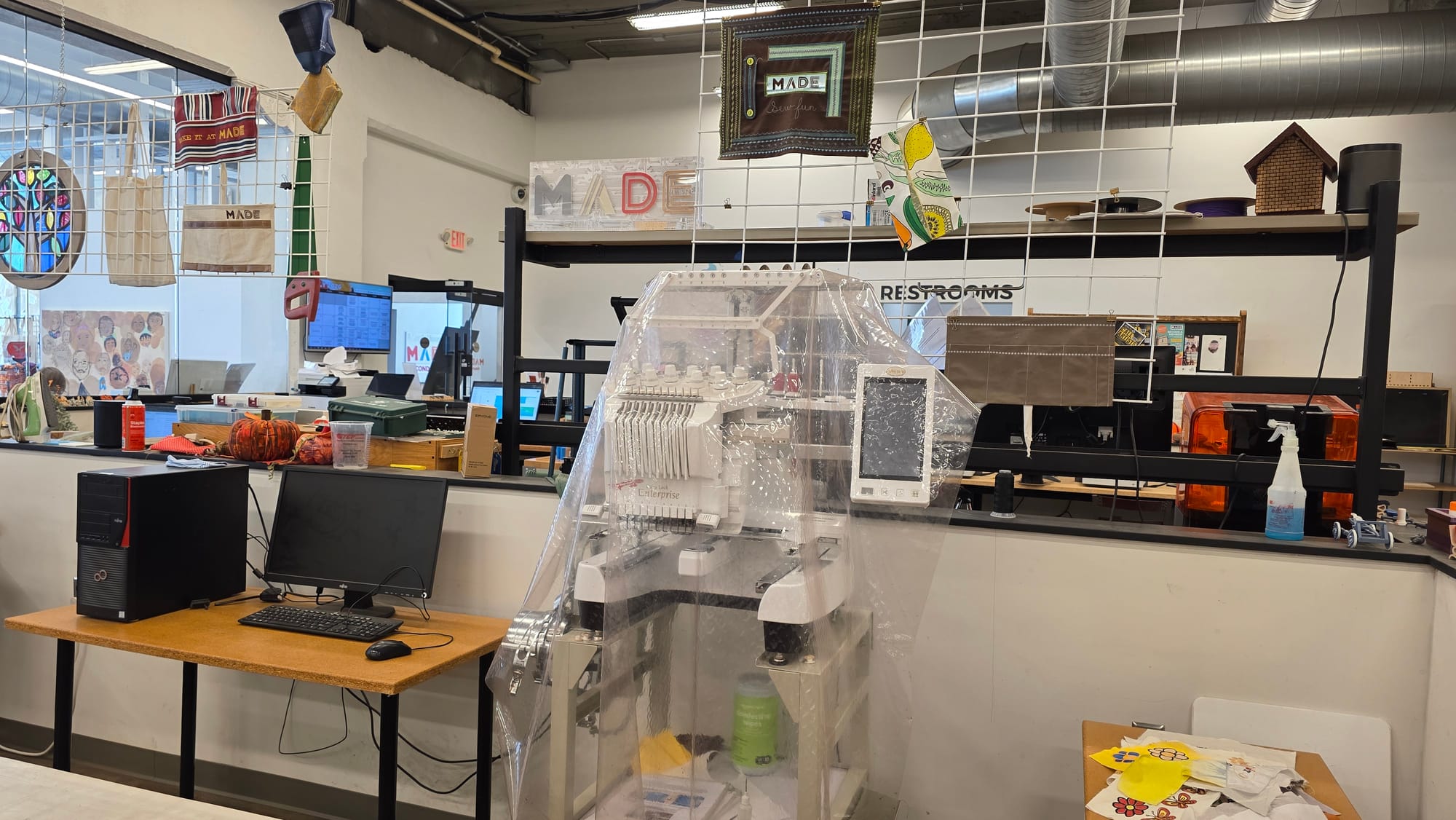
As we walked through the building with Zach, MADE's Membership Director, we found ourselves repeatedly saying the same thing: "I had no idea this was here."
Room after room revealed another creative possibility.
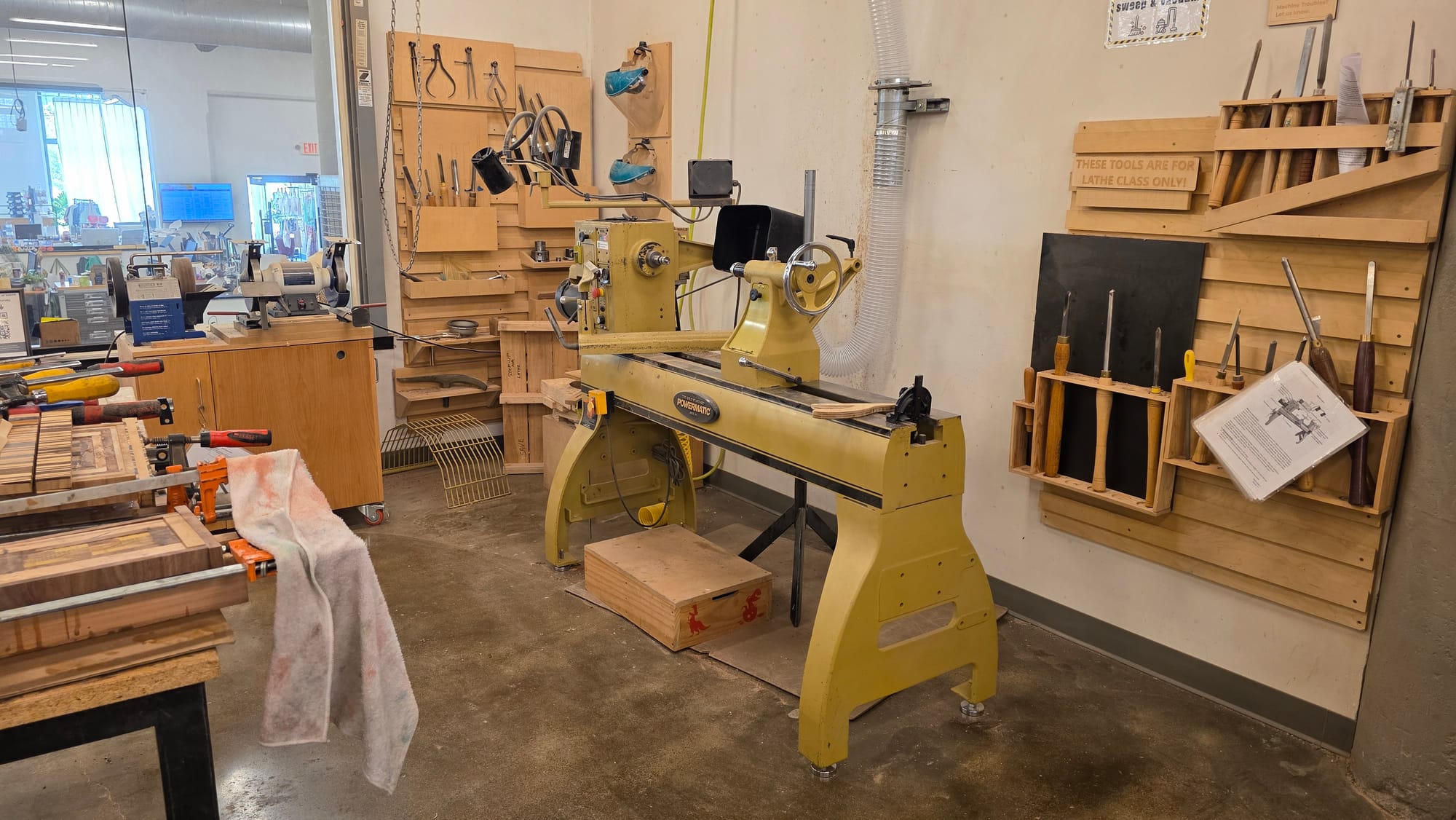
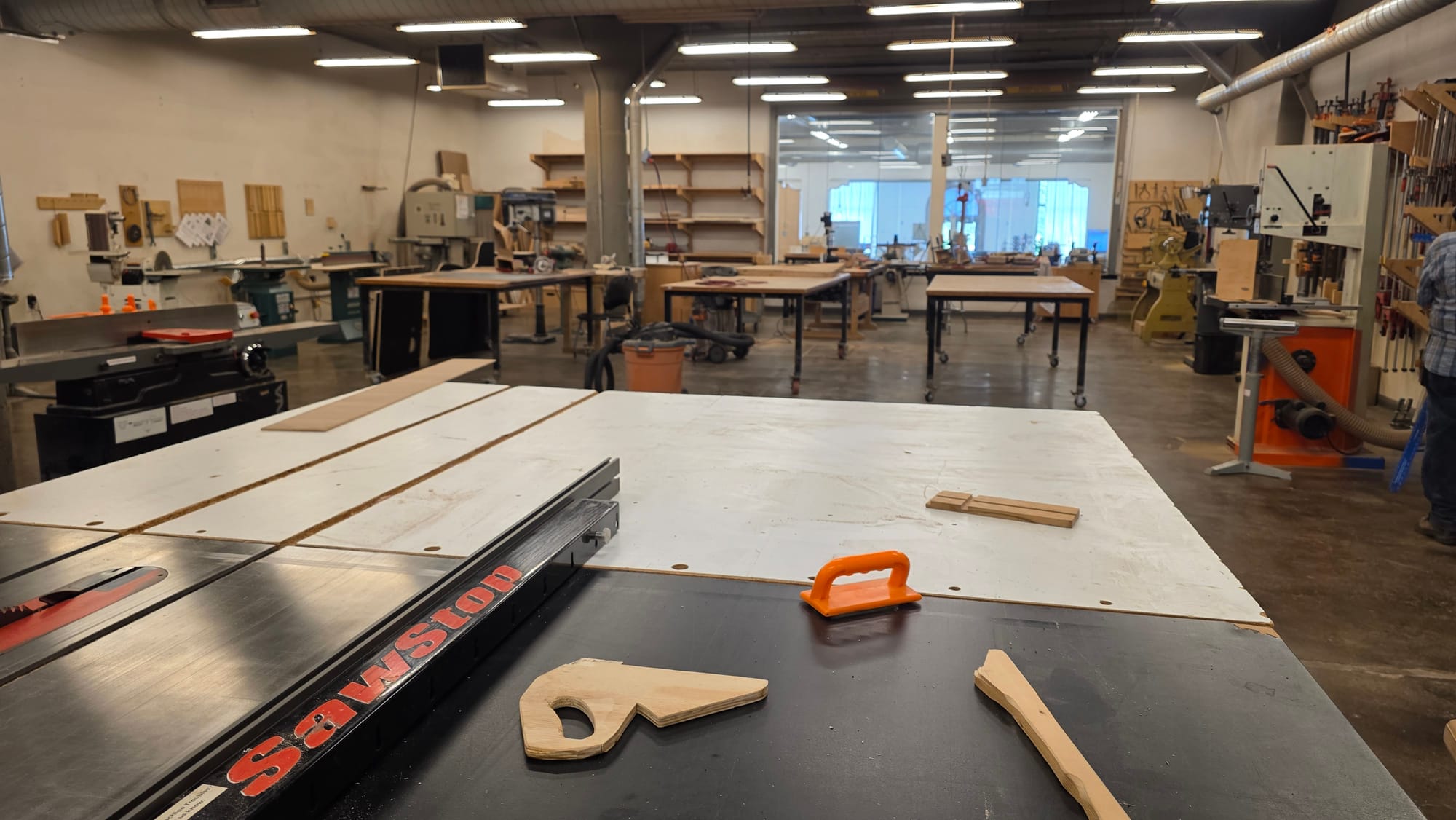
A woodworking shop.
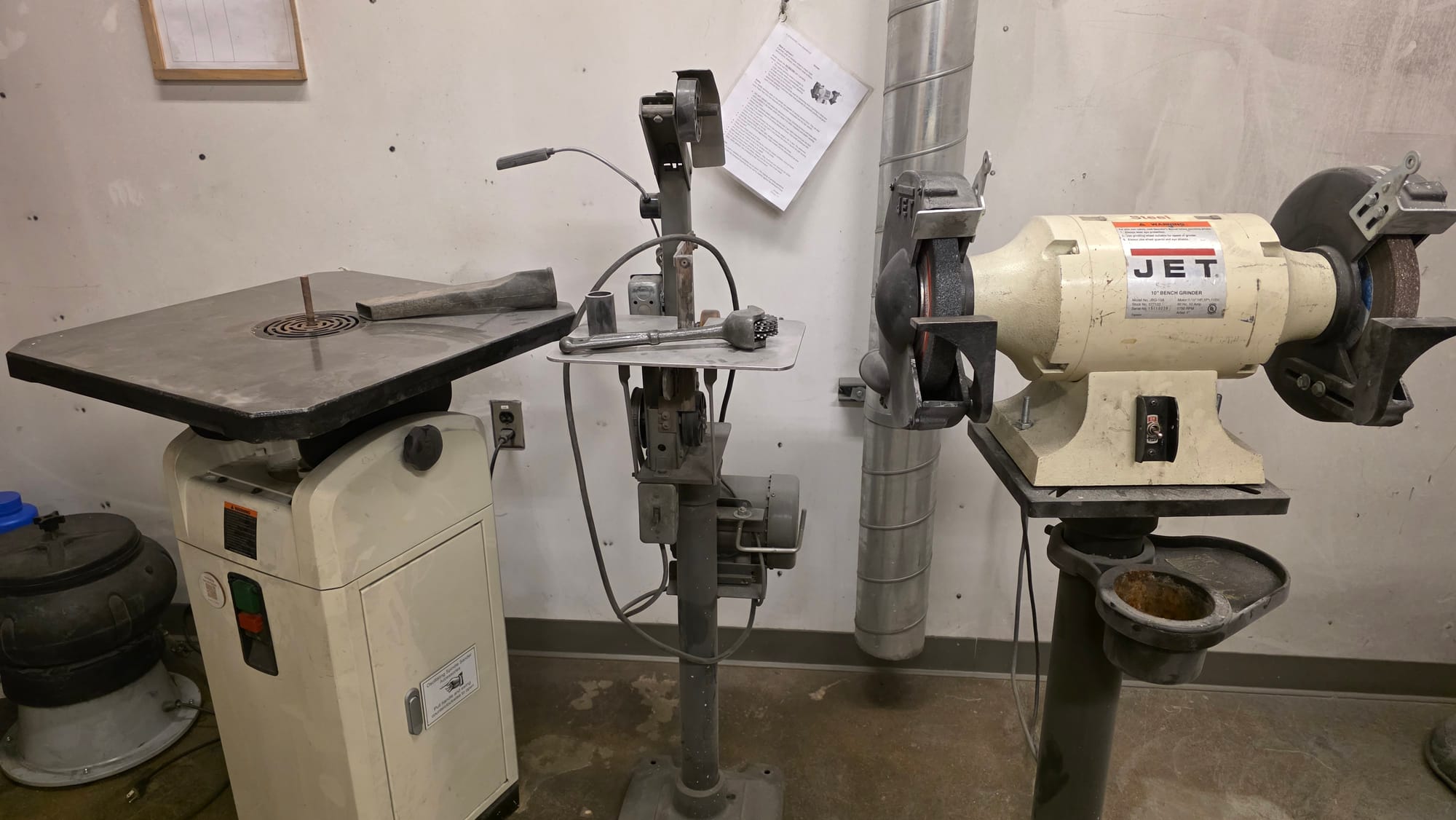
Metalworking equipment.
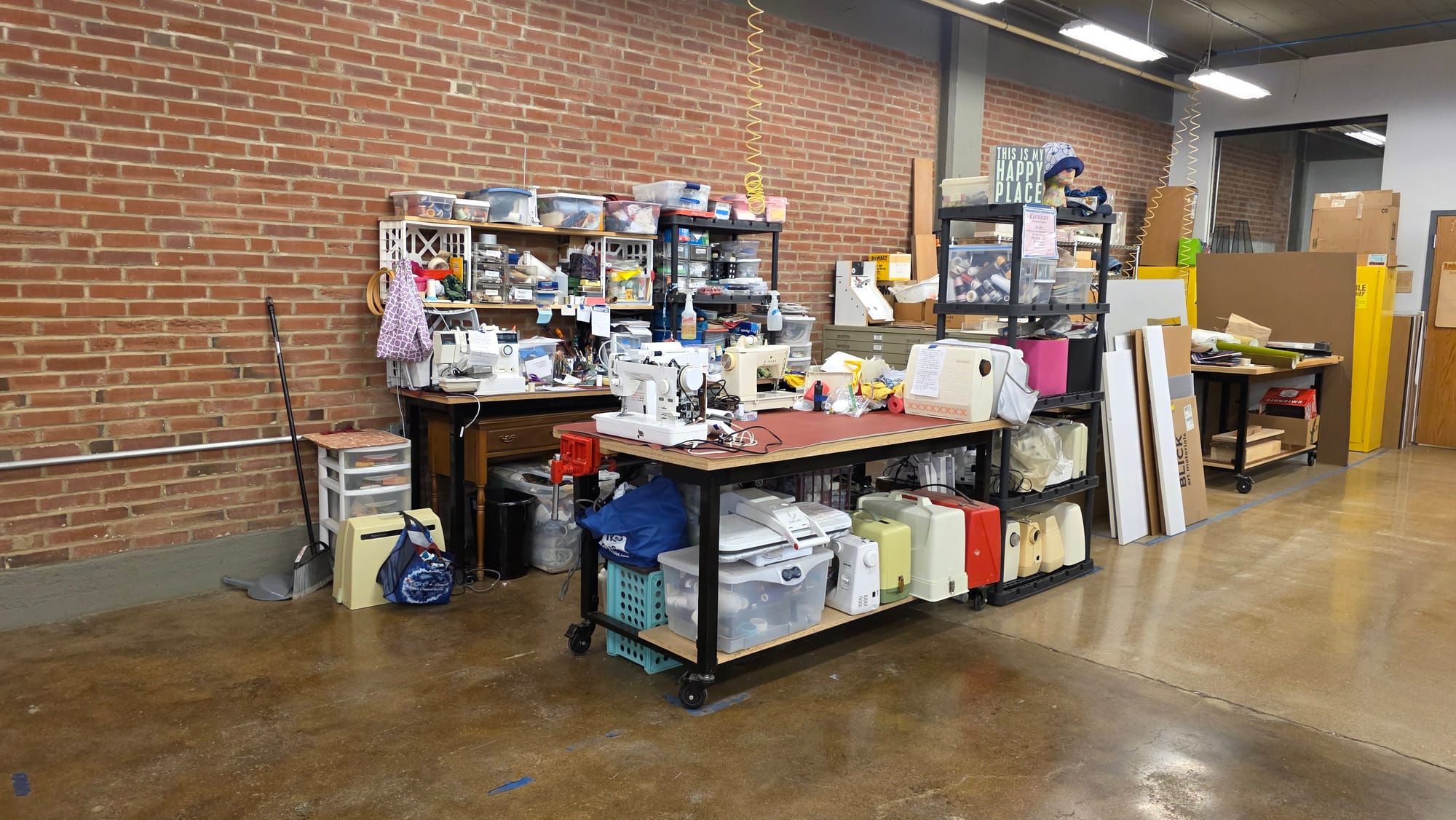
Industrial sewing machines.
Laser cutters.
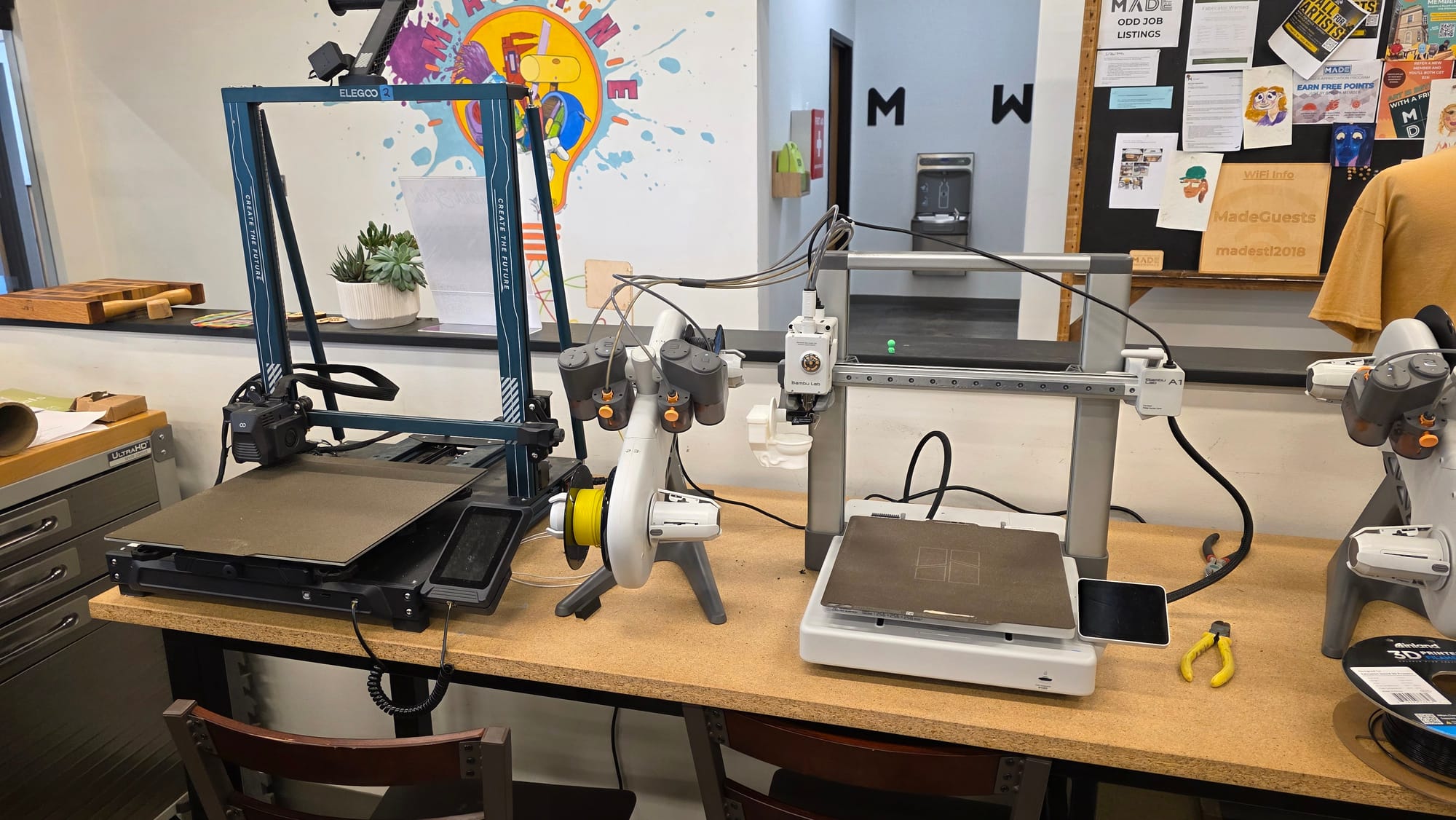
3D printers.
Screen printing equipment.
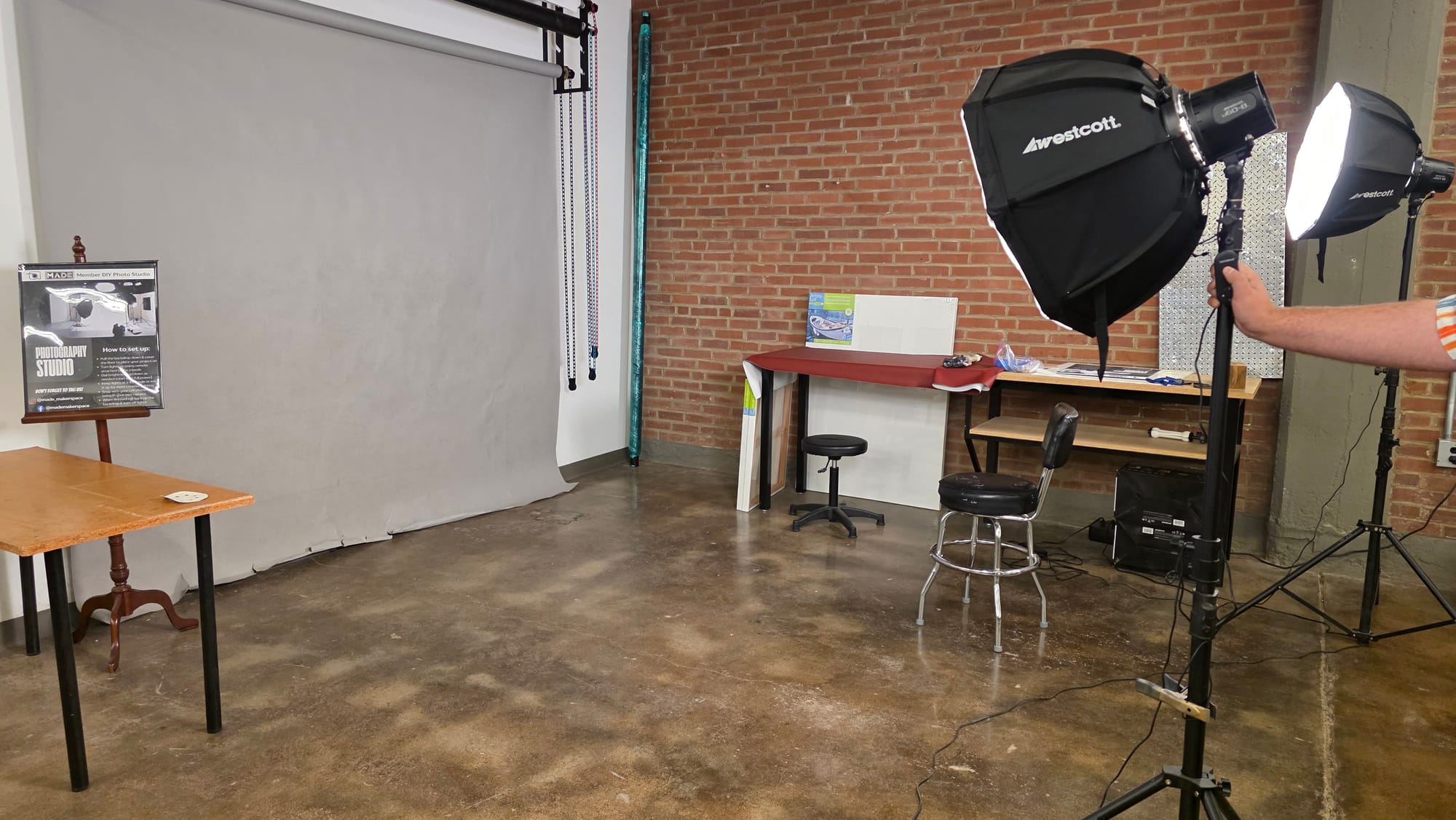
Shared workspaces.
Storage areas.
Classrooms.
Spaces designed for people to experiment, learn, and build.
What struck me wasn't simply how much equipment there was.
It was how thoughtfully everything was organized around helping people create.
The tour never felt like someone showing off expensive machines.
It felt like someone opening doors and saying:
- "Here's another thing you could learn."
- "Here's another idea you could bring to life."
- "Here's another possibility waiting to be explored."
Throughout the tour, Zach patiently answered our questions and shared how the different spaces, equipment, and programs work together to support makers at every stage of their creative journey.
One thing I noticed during the tour was that the space didn't feel staged for visitors.
There were projects in progress, materials waiting on worktables, and evidence that people were actively using the studios.
It felt like creativity was happening all around us rather than being put on display.
That sense of possibility stayed with me throughout the entire visit.
Because every room seemed to answer the same question: "What do you want to create?"
Inside MADE: Tools, Training, and Creative Possibilities
One of the most exciting things about makerspaces is the range of creative possibilities they open.
Artists and makers often work across many different areas.
A painter may become curious about woodworking.
A graphic designer may want to experiment with physical products.
A jewelry maker may want to learn digital fabrication.
A hobbyist may discover an entirely new creative passion.
Creativity rarely stays inside one box.
And spaces like MADE recognize that.
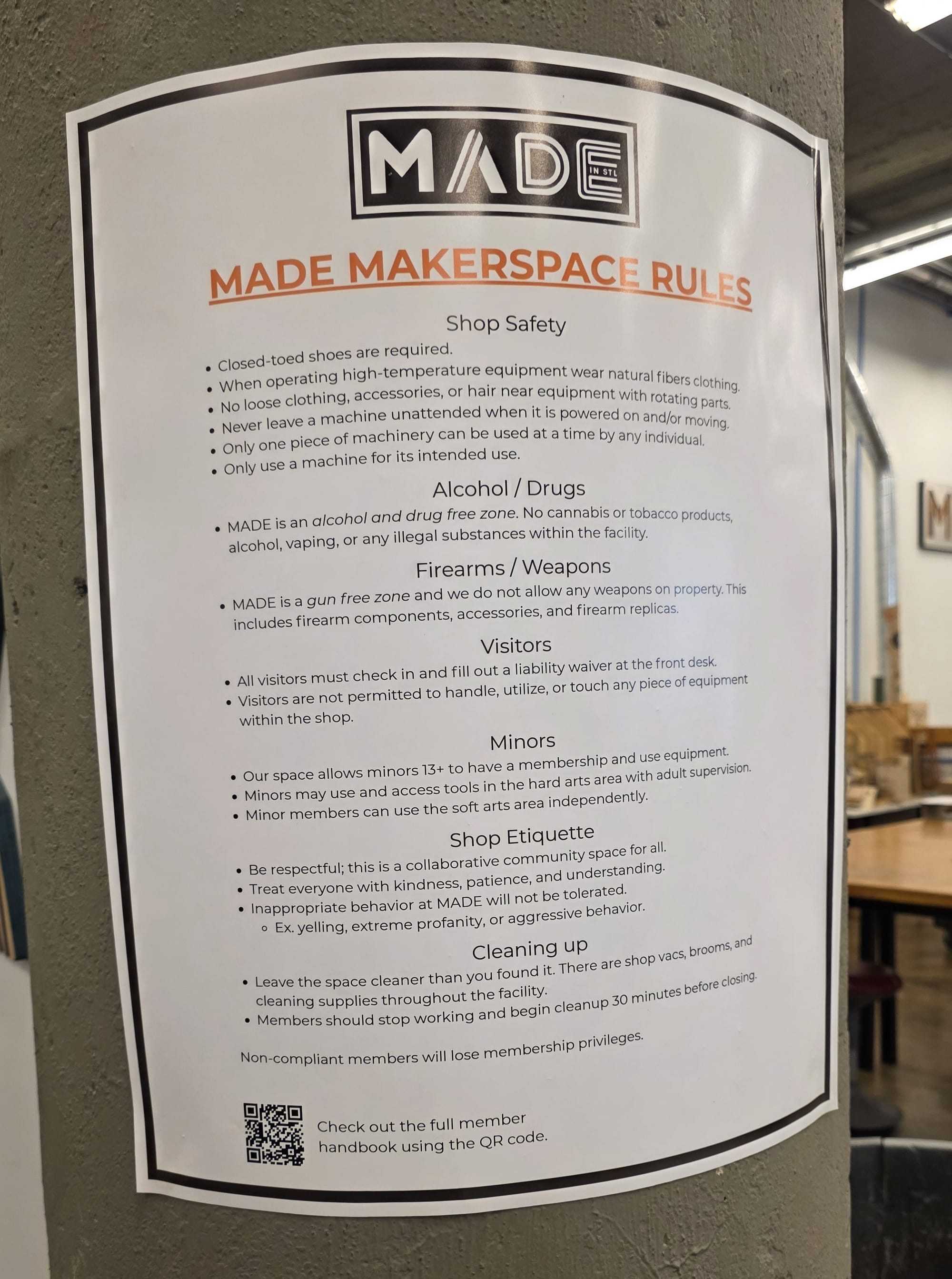
A membership provides access to the makerspace, equipment, and member training opportunities designed to help creators safely and confidently use different tools.
For many people, that combination matters.
Because access alone is not always enough.
Someone may technically have a tool available, but without guidance, it can still feel intimidating.
Training helps transform: “I have no idea how to use this.”
Into: “I can learn.”
And sometimes that is the difference between an idea staying an idea and an idea becoming something real.
Exploring the Possibilities Inside MADE
One of the most exciting parts about a makerspace is something simple: possibility.
Sometimes we do not even know what we want to create until we discover what tools and resources exist.
A new material.
A new technique.
A new process.
A new idea that starts with: “Wait… you can make that?”
That is one of the things that makes a space like MADE so interesting.
It brings many different creative worlds together under one roof.
Instead of creativity being separated into individual categories:
Painters over here.
Woodworkers over there.
Technology somewhere else.
Textile artists somewhere else.
MADE creates an environment where different creative disciplines can overlap.
Someone interested in drawing might discover laser cutting.
Someone interested in fashion might explore embroidery or screen printing.
Someone who loves sculpture might become curious about woodworking or metal.
Someone with a product idea might finally have access to the tools needed to create a prototype.
Creativity rarely stays neatly inside one box.
Sometimes one creative doorway leads to another.
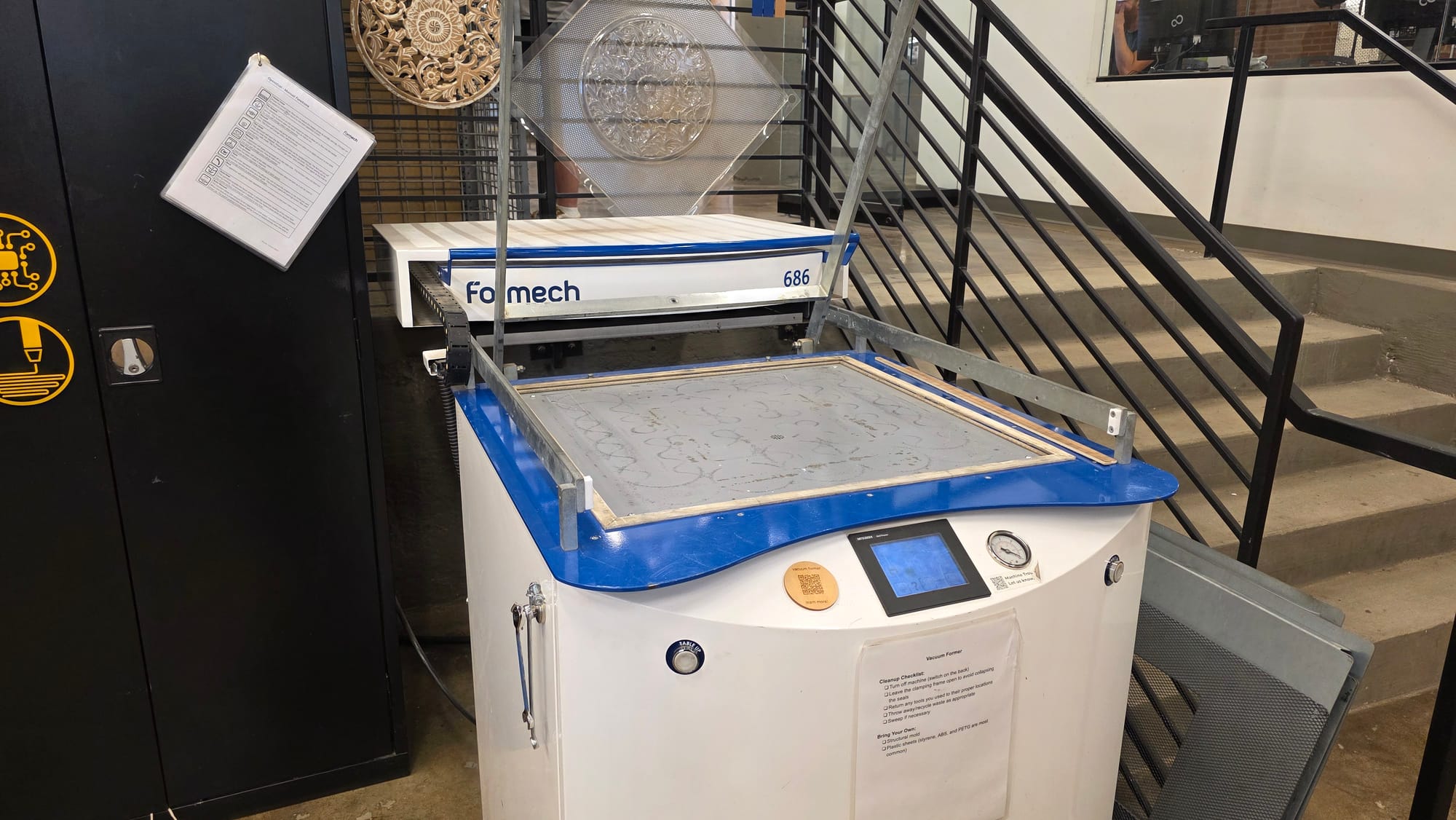
As my friend and I moved from room to room on our tour, it became clear that MADE wasn't organized around one type of creativity.
It was organized around possibility.
Every doorway introduced another medium.
Another skill.
Another "What if?"
A Place That Makes You Want to Create
One thing surprised me more than the equipment.
It was the atmosphere.
Walking through MADE didn't feel like visiting a museum where everything was meant to be admired from a distance.
It felt like walking into a place that expected creativity to happen.
There were projects in progress.
Worktables waiting for the next idea.
Materials ready to be transformed into something new.
Every room felt lived in—not messy, but actively used by people learning, experimenting, solving problems, and bringing ideas to life.
That changes something psychologically.
Instead of wondering: "Do I belong here?"
You begin wondering: "What would I make first?"
There is something powerful about being surrounded by people who are creating.
Seeing unfinished projects reminds you that no one starts with perfection.
Watching someone experiment reminds you that learning is part of the process.
Being in an environment built around curiosity quietly gives you permission to be curious, too.
By the time the tour ended, I wasn't just impressed by the equipment.
I was inspired by the possibilities.
More Than Traditional Art Supplies
One thing that immediately caught my attention while learning about MADE was the variety of tools available.
As artists, it is easy to think about creativity through familiar materials:
Paint.
Pencils.
Markers.
Paper.
Clay.
Fabric.
But creativity extends so much further.
It can include building furniture.
Designing products.
Creating custom clothing.
Repairing something instead of replacing it.
Making gifts.
Inventing.
Experimenting.
Bringing an idea from your imagination into the physical world.
MADE gives creators access to areas such as:
Woodworking.
Metalworking.
Digital fabrication.
3D printing.
Laser cutting.
Textiles and sewing.
Embroidery.
Screen printing.
Design.
And other forms of making.
For many people, access to these kinds of tools individually would not be realistic.
Most creators cannot simply purchase professional equipment, dedicate rooms of their home to different creative practices, and teach themselves every specialized skill.
Shared spaces help make those possibilities more accessible.
They allow people to explore:
- “What if I tried?”
- “What if I learned?”
- “What if this idea could actually become real?”
What Could You Create at MADE?
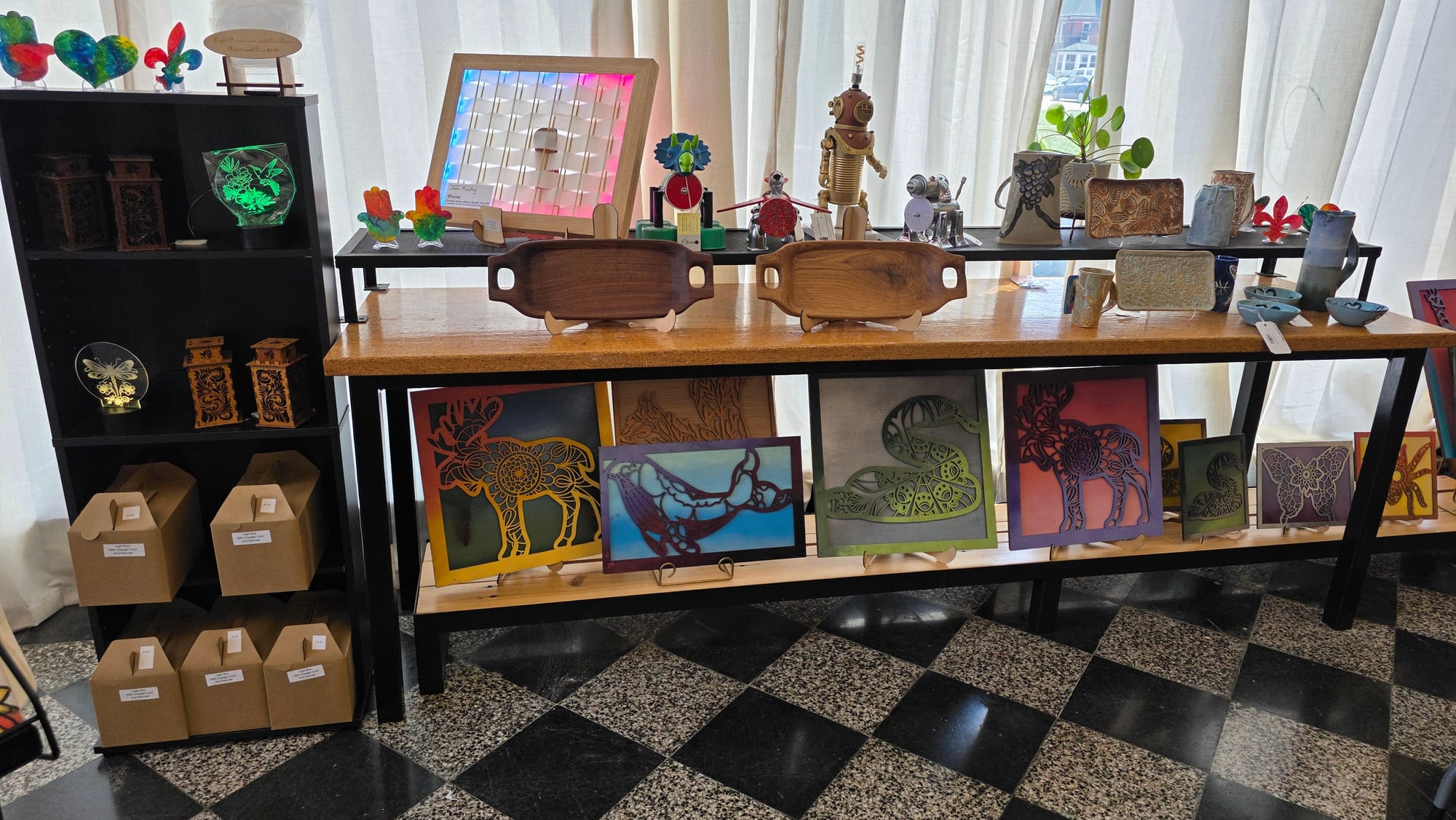
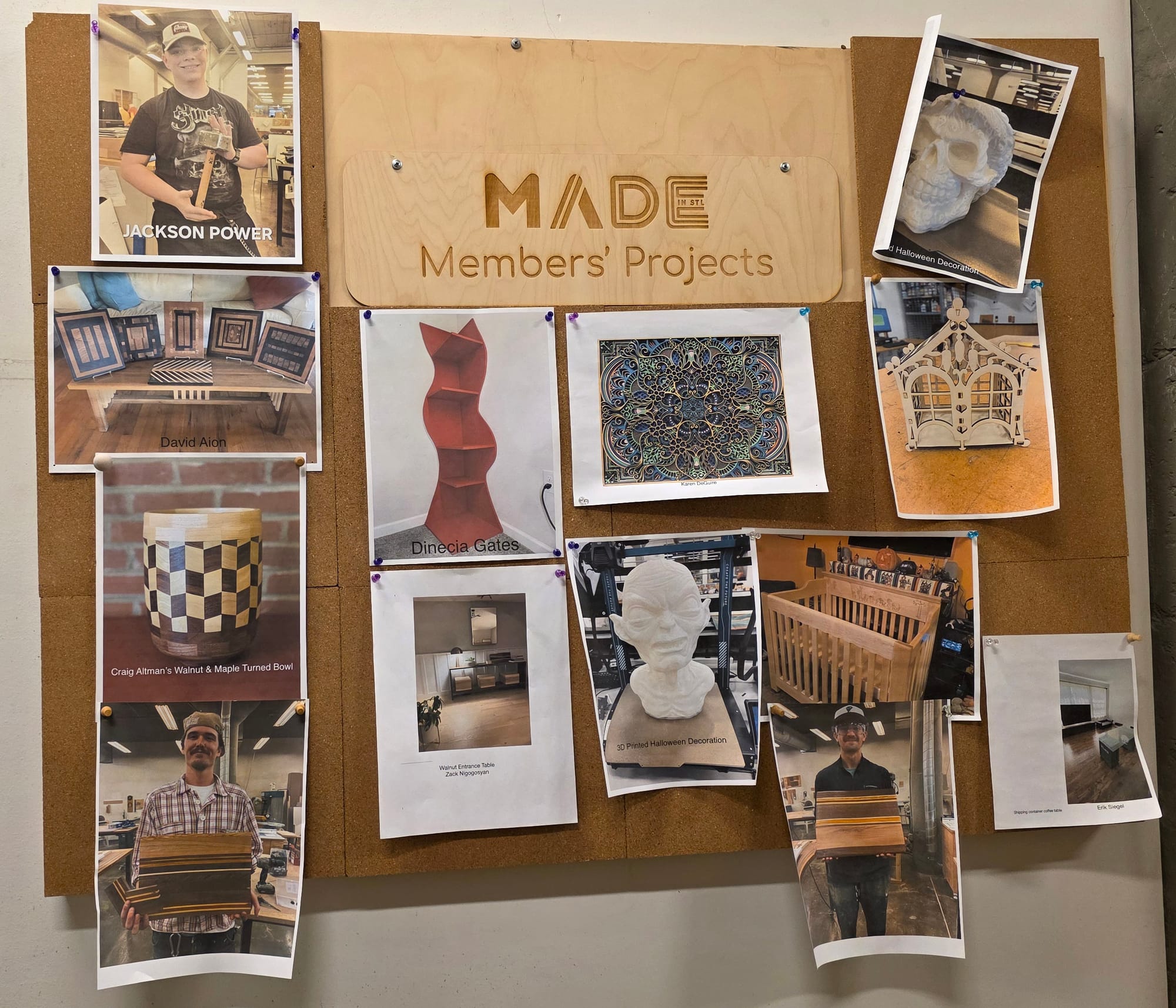
Sometimes seeing a list of tools does not fully capture what becomes possible.
Because most people do not start with: “I want to use a specific machine.”
They start with: “I have an idea.”
Maybe that idea is creating custom home decor.
Designing jewelry.
Making handmade gifts.
Building furniture.
Creating products for a small business.
Making artwork in a completely new way.
Repairing something instead of throwing it away.
Bringing a sketch from paper into a physical object.
The tools are not really the destination.
They are the bridge between imagination and reality.
Learning New Skills Through Classes and Training
Access to tools is powerful.
But access combined with education is where possibilities really begin opening.
Because sometimes the biggest barrier is not: “I do not want to create.”
Sometimes it is: “I have no idea where to begin.”
A new tool can feel intimidating.
A new medium can feel overwhelming.
A new idea can feel impossible when you do not know the first step.
That is why classes and training opportunities matter.
MADE offers community classes and opportunities for makers to learn different creative skills, from introductory projects to more specialized equipment training.
Some classes are project-based, giving people a chance to walk away with something they created.
Others help members safely learn equipment so they can continue exploring independently.
And that learning process matters.
Because every experienced creator was once a beginner.
Every artist has had a first attempt.
Every maker has had a moment where they looked at a tool, material, or technique and thought: “I have no idea what I am doing.”
Learning is part of creating.
Mistakes are part of creating.
Experimenting is part of creating.
A welcoming learning environment can transform something intimidating into something exciting.
Instead of: “I could never do that.”
It becomes: “I have never tried that before.”
And those are two very different things.
Membership and Making Creativity More Accessible
MADE operates through memberships, with standard memberships currently costing $125 per month.
For some creators, having access to a fully equipped makerspace can be much more affordable than purchasing specialized tools individually.
But MADE also recognizes that even membership costs can be a barrier.
That is why their new Community Scholarship program stood out to me.
The scholarship is designed to support St. Louis artists and makers who would not ordinarily be able to afford membership on their own.
A scholarship provides a full year of membership, allowing recipients access to tools, training, and artistic development opportunities.
To launch the program, MADE awarded one year-long membership early in July 2026.
Beginning in 2027, MADE plans to award ten scholarships each year, split between January and July award cycles.
For artists facing financial barriers, opportunities like this matter.
Because sometimes talent is not the missing piece.
Sometimes dedication is not the missing piece.
Sometimes the missing piece is access.
Walking through MADE also helped me realize something.
Before the tour, it was easy to think about the membership simply as a monthly fee.
After seeing everything inside, I began thinking about it differently.
The reality is that very few people have the ability to purchase thousands of dollars worth of specialized equipment, dedicate rooms of their home to different creative practices, maintain those machines, and learn to use them safely on their own.
A makerspace changes that equation.
Instead of every creator carrying that burden individually, a community shares the resources.
Suddenly, ideas that once felt financially out of reach become much more attainable.
That is part of what makes places like MADE so valuable.
They are not simply providing access to tools.
They are expanding access to possibility.
The Front Room: Supporting Local Makers Beyond the Creative Process
Another part of MADE that immediately stood out to me was The Front Room.
Because creativity does not always end when a project is finished.
Sometimes creators also need opportunities to share what they make.
To connect with others.
To find people who appreciate their work.
To take the next step from: “I made something.”
To: “I am sharing something I created with the world.”
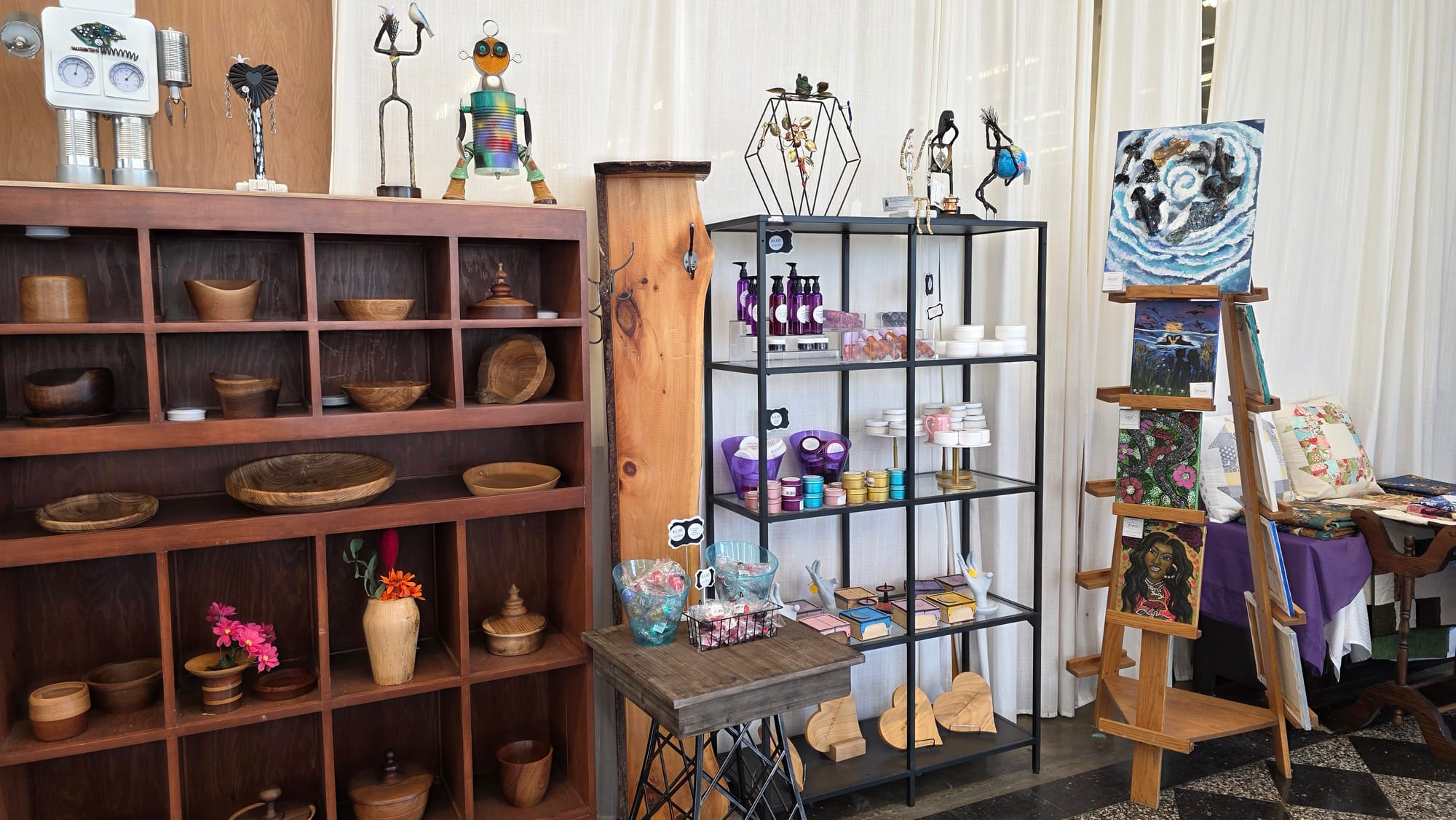
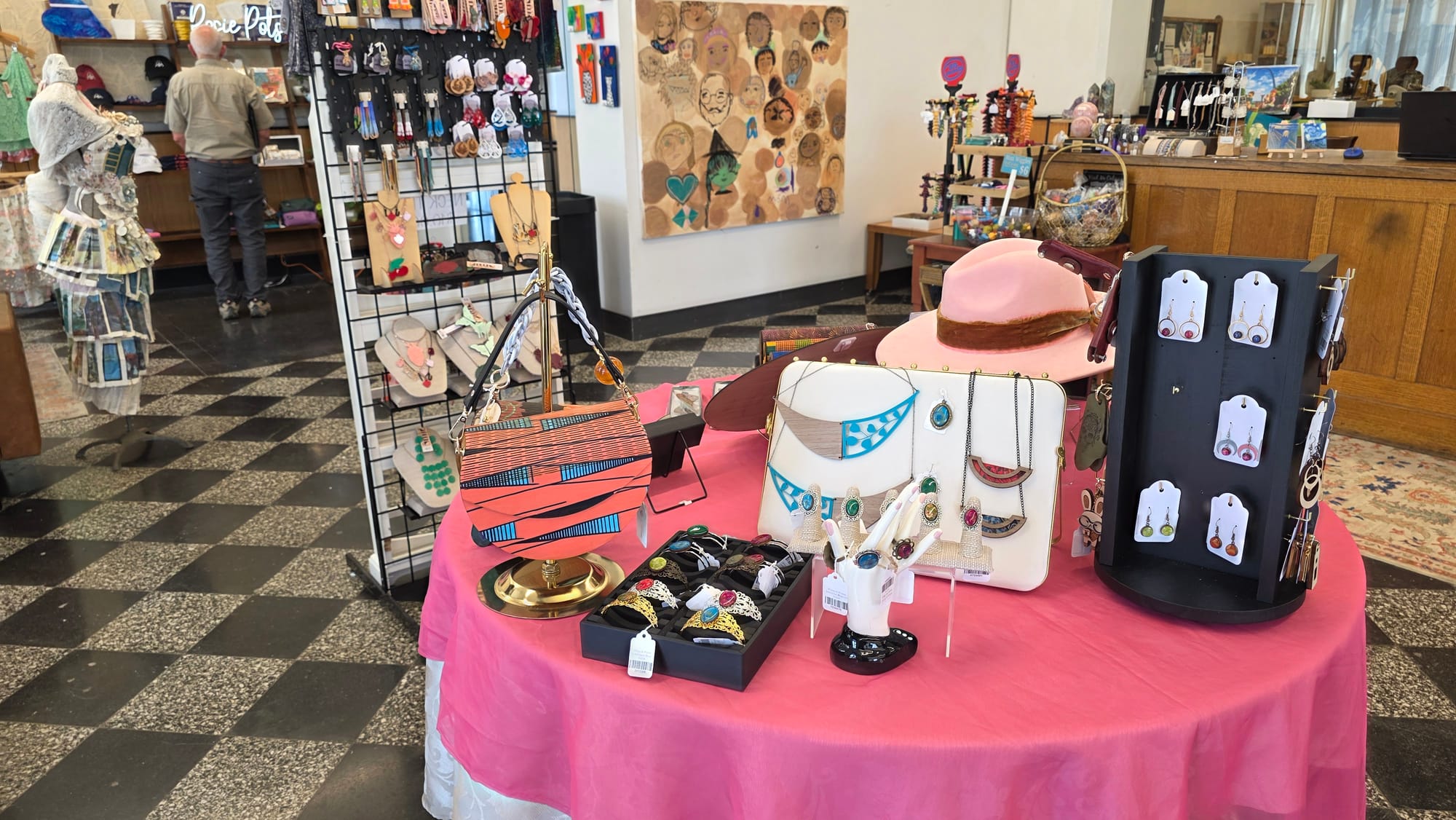
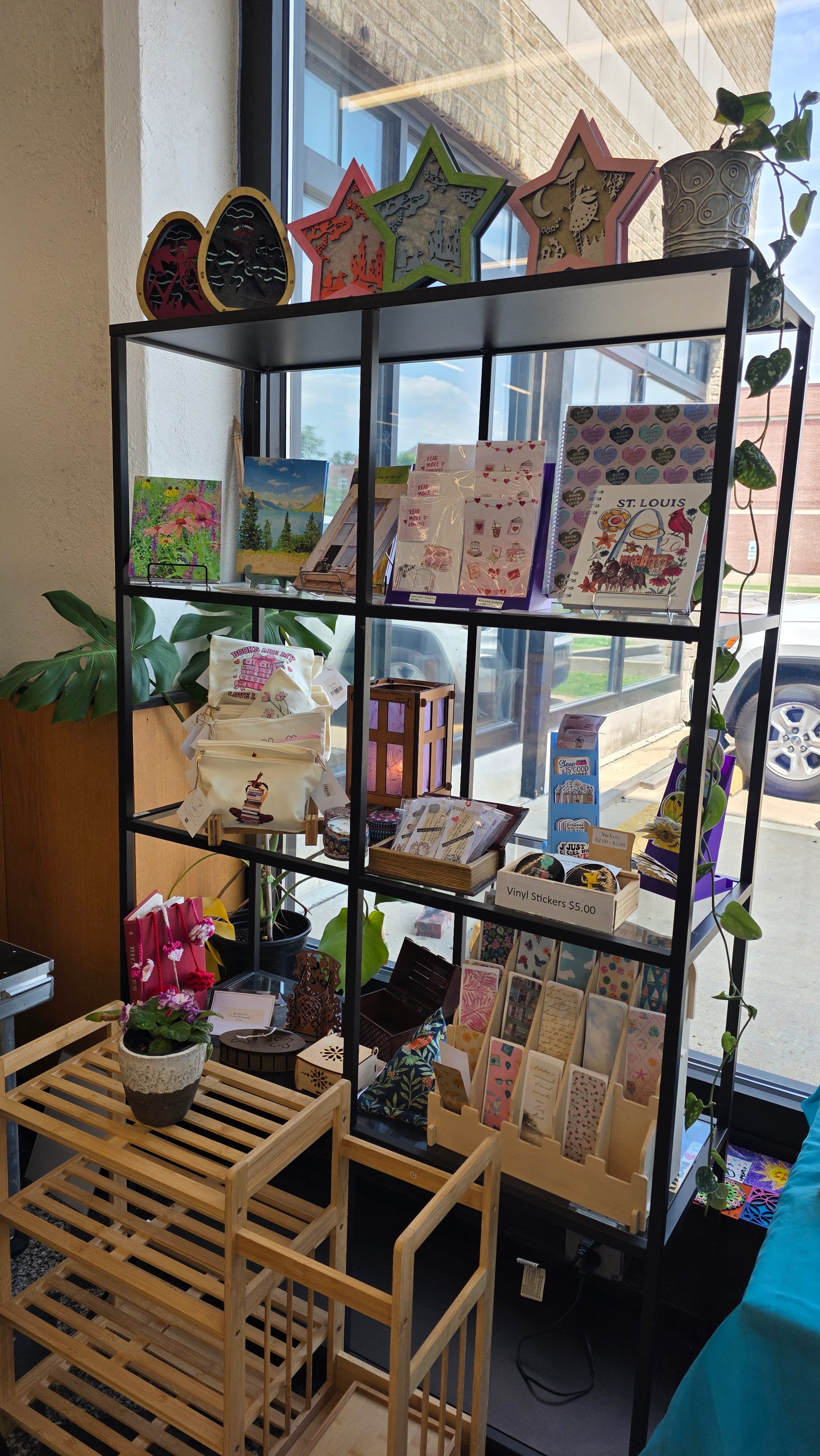
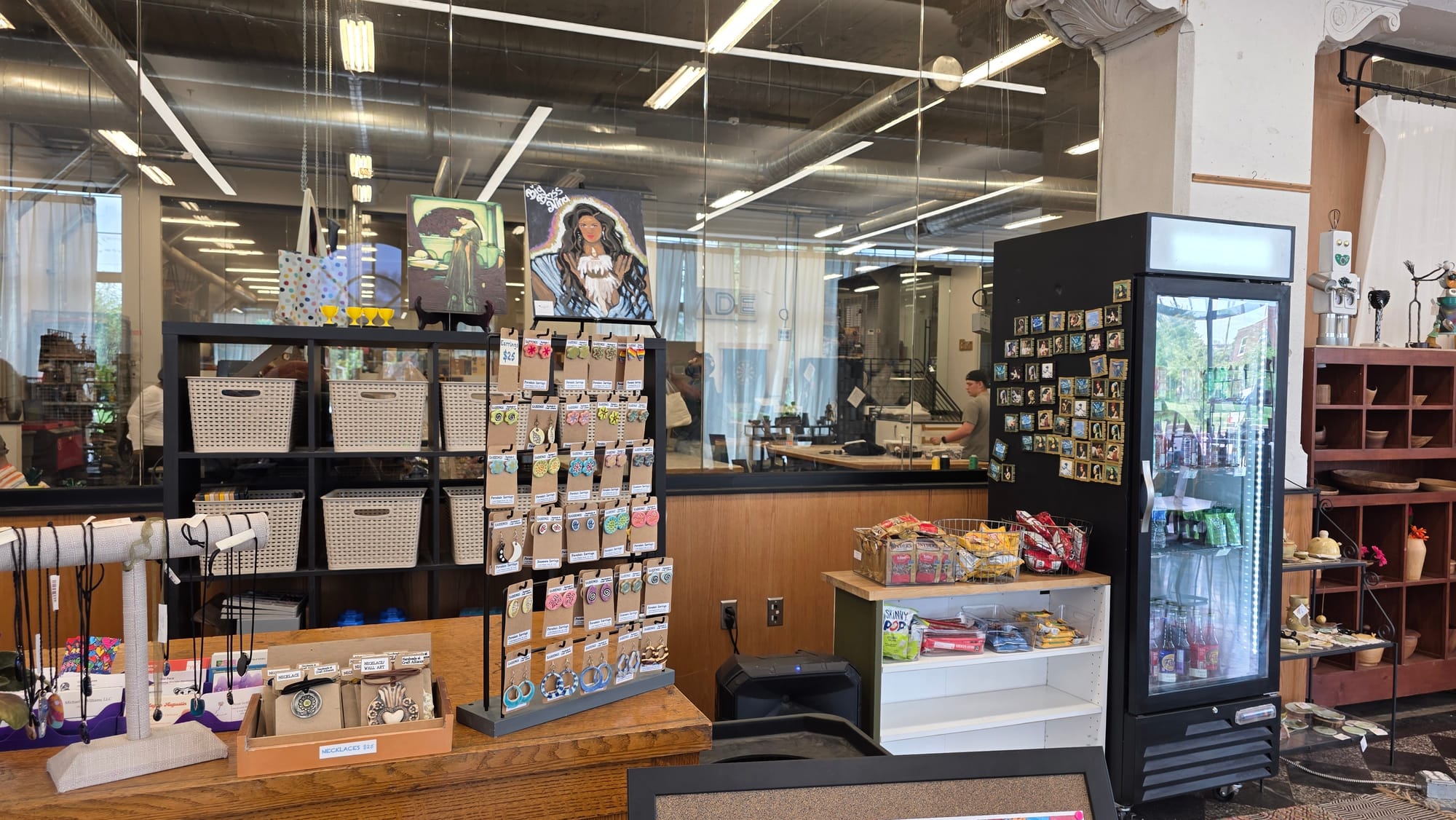
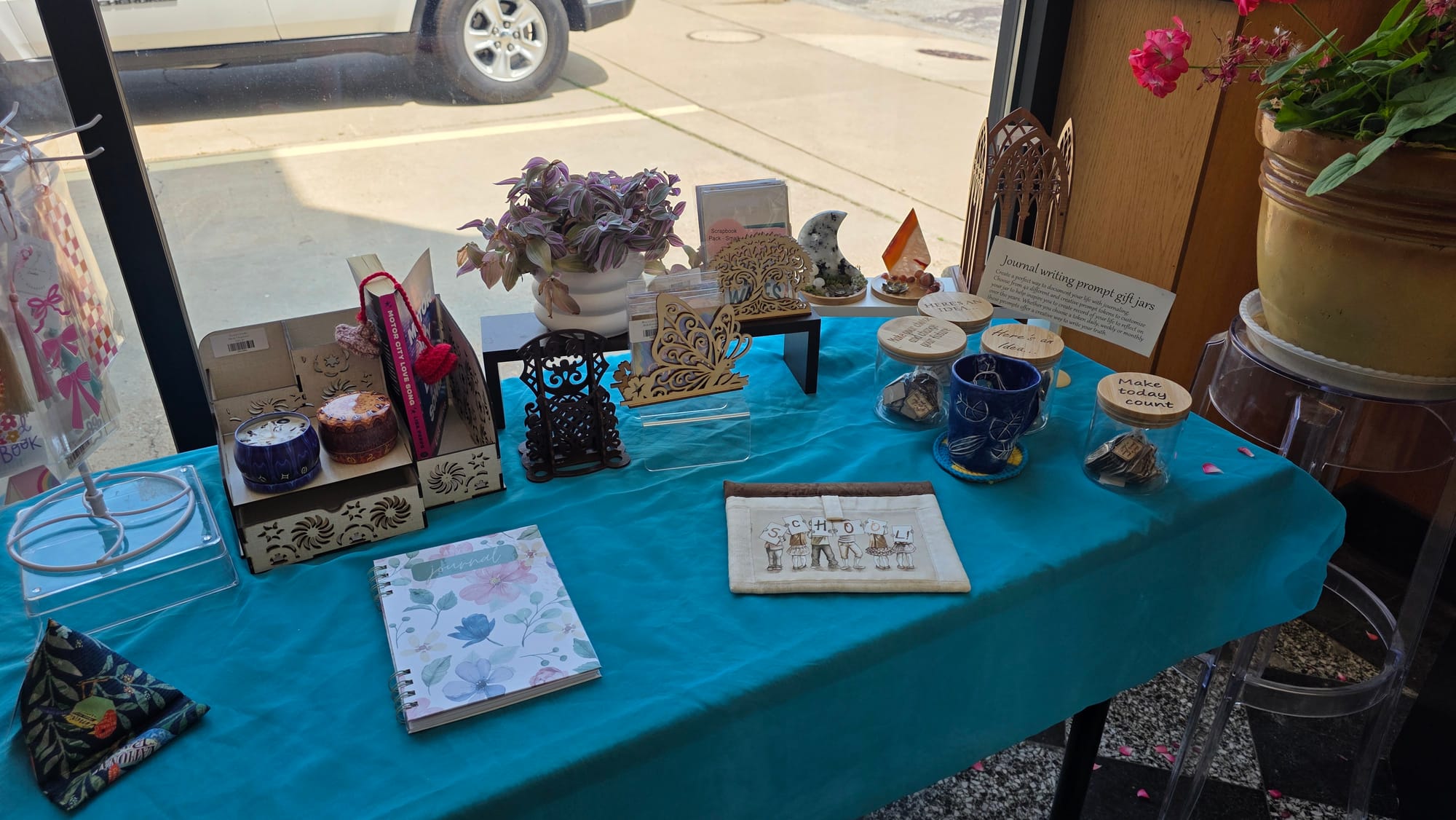
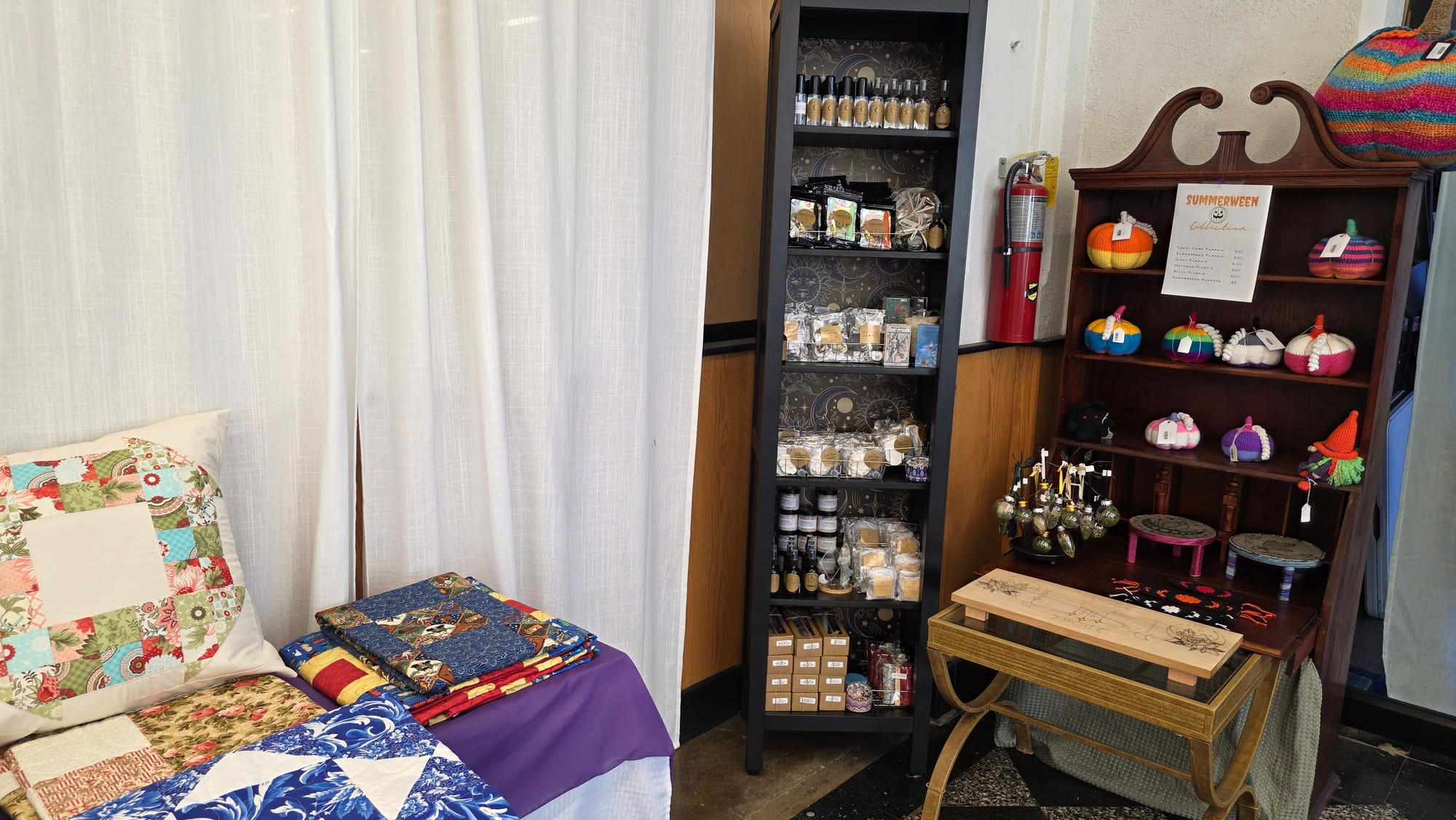
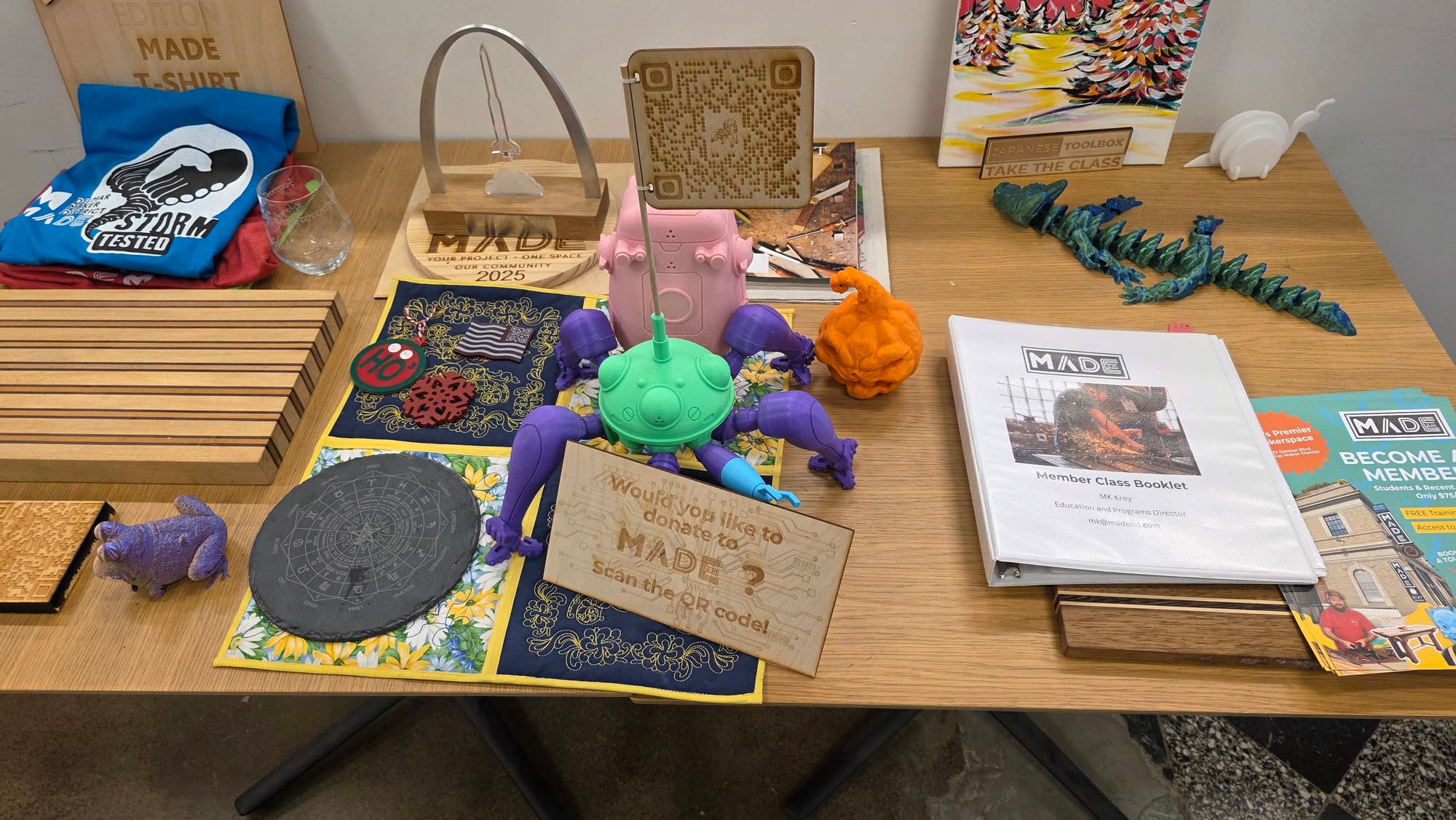
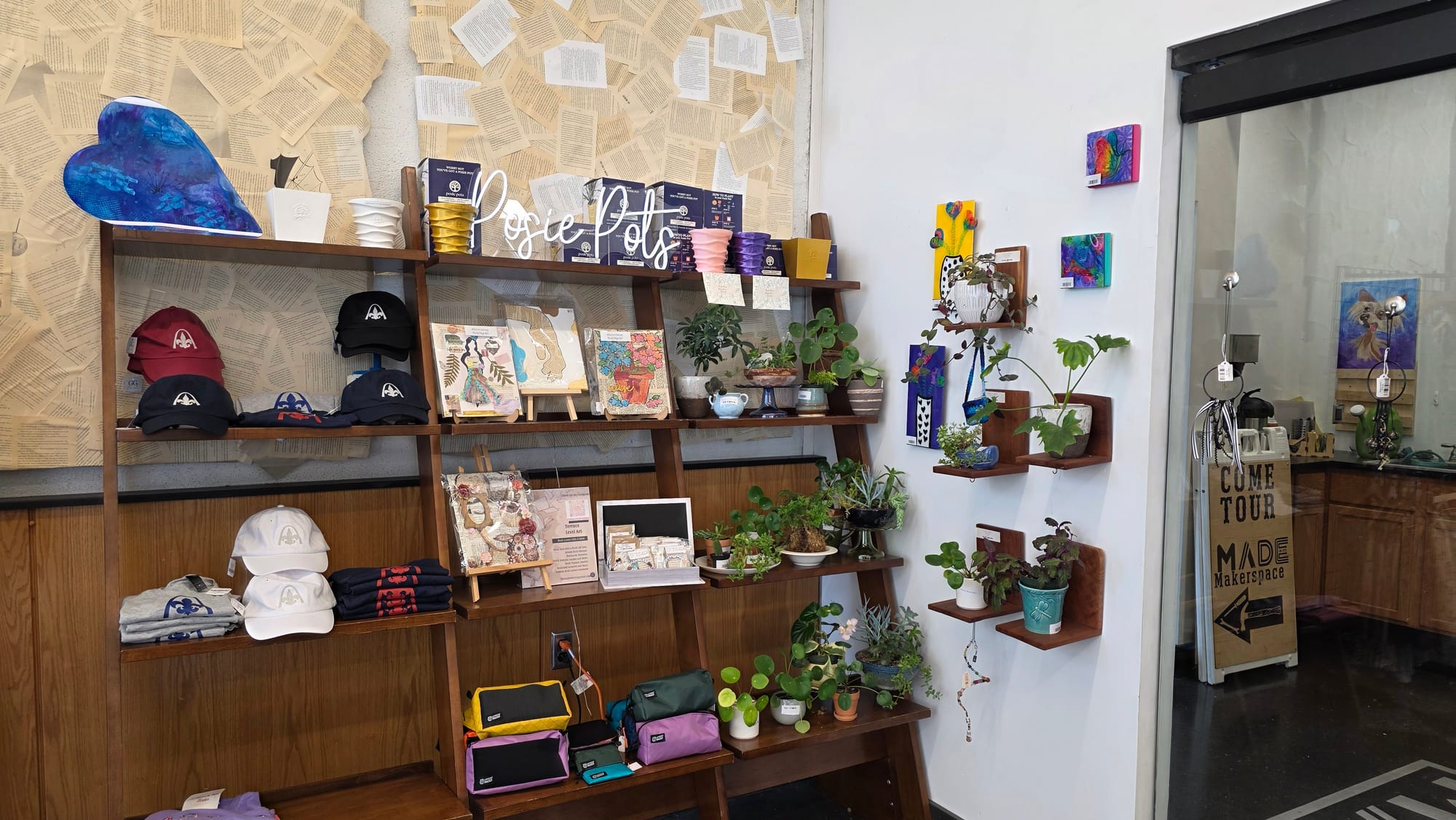
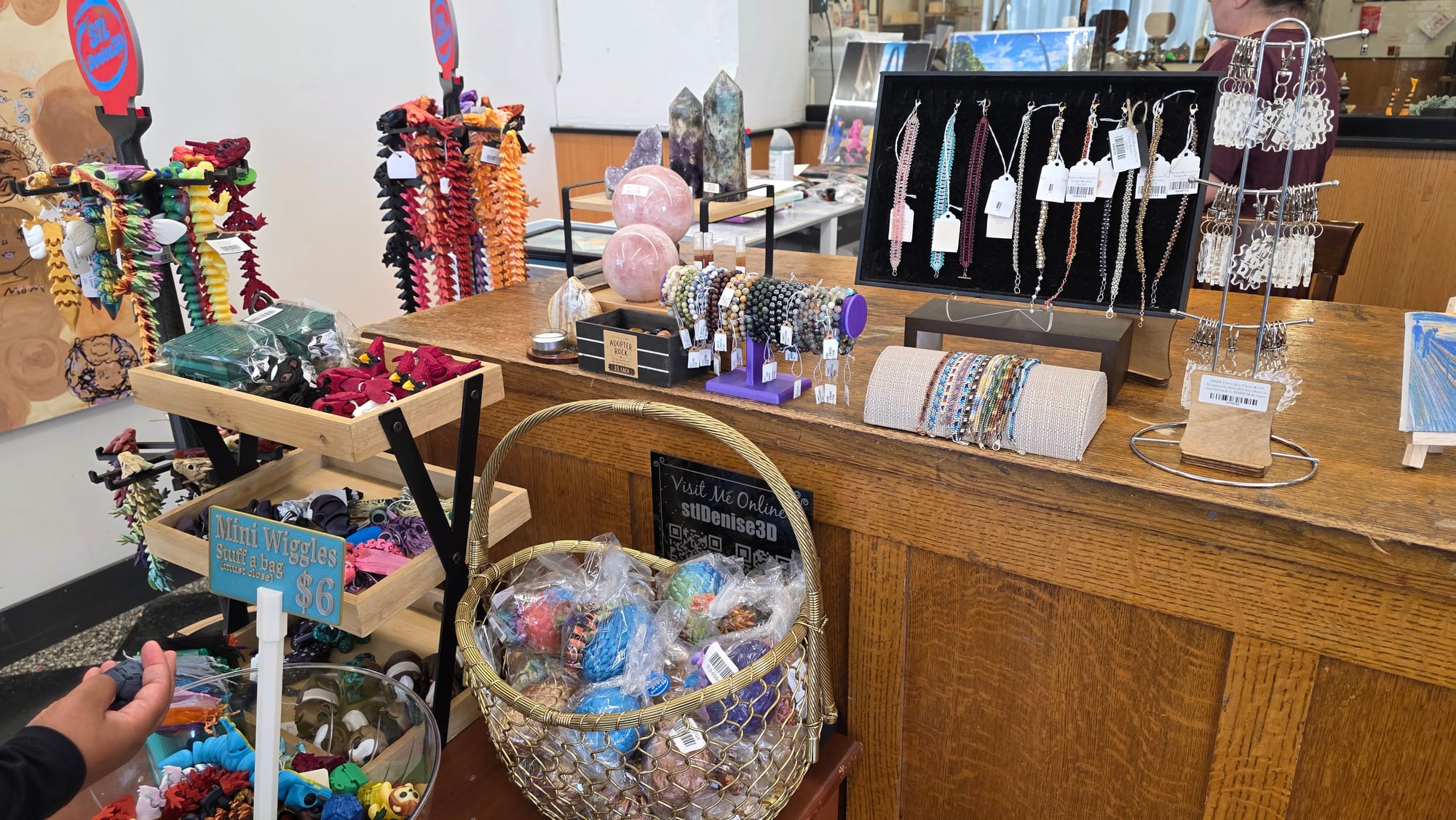
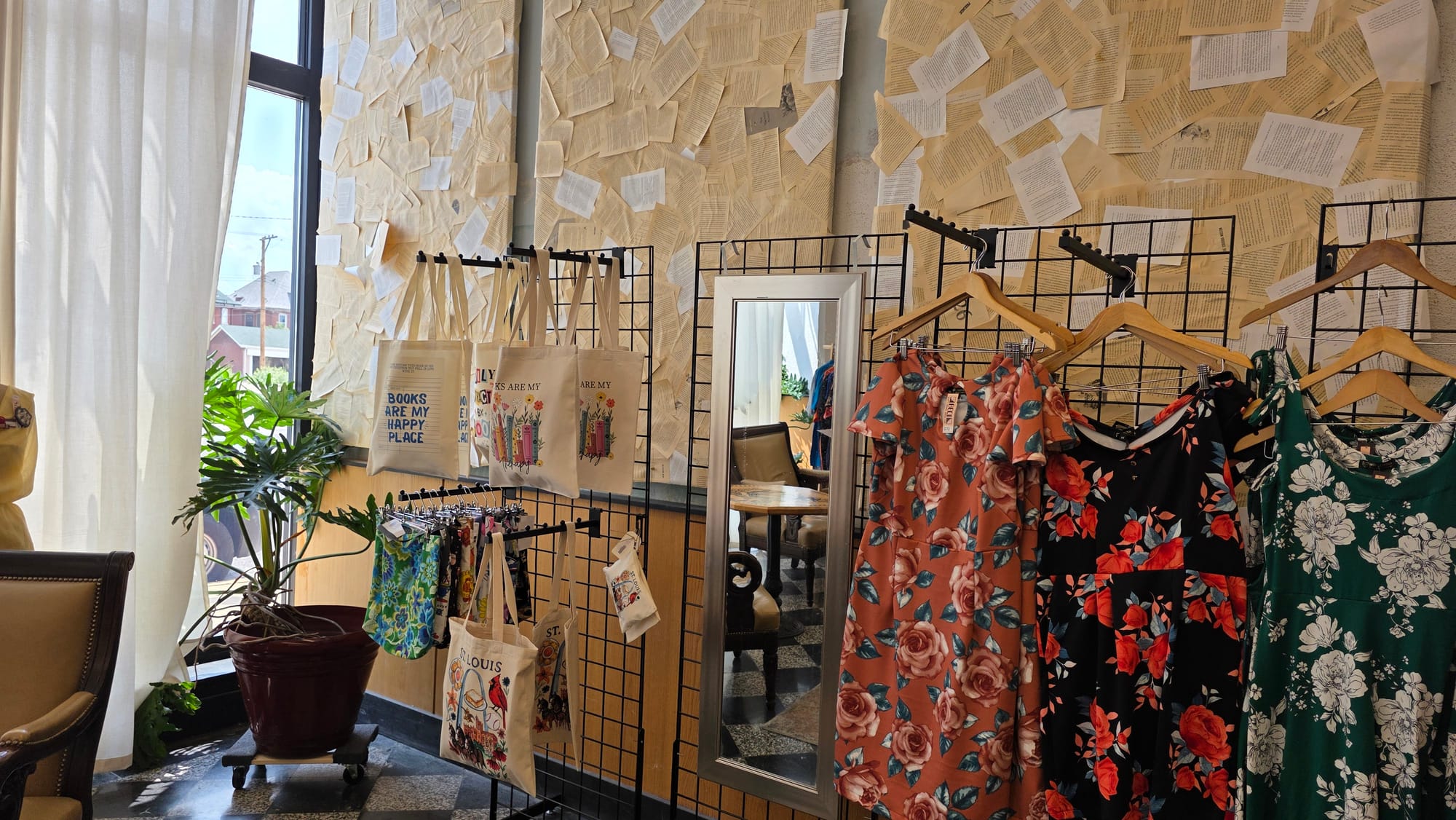
The Front Room at MADE serves as a retail extension of their creative community — part consignment shop, part artist collective, and part community gathering space.
It creates opportunities for local artists and makers to showcase their creations while helping the community discover handmade work created right here in St. Louis.
And I love that.
Because buying handmade is different.
Behind every piece is a person.
An idea.
A process.
A story.
Someone choosing materials.
Learning skills.
Experimenting.
Creating something that did not exist before.
The Front Room helps create a bridge between makers and the people who want to support them.
A Platform for Local Artists and Small Businesses
For artists, one of the hardest parts is often not creating.
It is getting your work seen.
Many artists spend years developing their skills, exploring ideas, and creating meaningful pieces, but then face another question: “Now what?”
- How do people find my work?
- Where do I display it?
- How do I start selling?
- How do I connect with people interested in what I create?
The Front Room helps answer some of those questions by providing a platform for local makers.
The shop features a curated collection of handmade items from dozens of vendors, including creators working in different mediums such as woodworking, ceramics, digital design, 3D printing, art, decor, fashion, and unique gifts.
Instead of creativity happening behind closed doors, the community gets a chance to see and support the people creating around them.
A Creative Community, Not Just a Store
One thing I appreciate about MADE’s approach is that The Front Room is not designed only as a retail space.
It is also about building creative connection.
Artists are not just products on shelves.
They are people.
People with ideas.
Stories.
Skills.
Experiences.
A community grows when creators have opportunities to meet, collaborate, learn from each other, and support each other.
That community piece shows up through opportunities like Third Friday events and Art Studio Pop-Ups, where people can engage with makers, discover new creative experiences, and participate in the creative energy of the space.
Because sometimes the most powerful part of creativity is not only what gets made.
It is who we meet along the way.
Why Spaces Like MADE Matter
The more I explore creative resources throughout St. Louis, the more I realize something: there are so many people with ideas waiting for the right opportunity.
People who want to create.
People who want to learn.
People who want to build something.
But access matters.
Community matters.
Support matters.
Someone can have an incredible idea but not have the equipment needed to bring it into reality.
Someone can have artistic talent but not know where to find opportunities.
Someone can have curiosity but feel intimidated taking the first step alone.
Creative spaces help bridge that gap.
They create environments where people can move from: “I wish I could try that.”
To: “Let me learn how.”
And that shift can change everything.
Because creativity grows when people have places where they are encouraged to explore.
From Maker to Market: Helping Artists Take the Next Step
One thing I have learned while exploring different creative spaces is that every artist’s journey looks different.
Some people create purely for joy.
Some create as a way to relax, process emotions, or reconnect with themselves.
Some create because they have ideas they cannot wait to bring into existence.
And some dream of taking their creativity even further.
Turning a hobby into a small business.
Selling their handmade work.
Sharing their creations with more people.
But that transition can feel overwhelming.
Because creating something and selling something require different skills.
An artist may know how to paint, sew, sculpt, design, build, or make beautiful things.
But then come the questions:
- “How much should I charge?”
- “How do I present my work?”
- “How do I reach customers?”
- “How do I turn this passion into something sustainable?”
And those questions can be intimidating, especially for artists who are trying to figure everything out alone.
That is why resources that support the entire creative journey matter.
MADE’s Maker to Market program was designed to help local artists, makers, and creative entrepreneurs develop the skills needed to take that next step.
Through the program, makers can learn about topics like pricing, branding, budgeting, marketing, retail, and building a creative business.
Because sometimes artists do not just need someone to believe in their creativity.
They need practical tools, knowledge, and guidance to help that creativity grow.
Creativity and Entrepreneurship Can Grow Together
Sometimes there is this idea that creativity and business exist separately.
That you are either an artist or an entrepreneur.
But many makers live somewhere beautifully in between.
They are artists.
Problem solvers.
Inventors.
Small business owners.
Dreamers.
People imagining something new and figuring out how to bring it into the world.
A handmade product is more than an object.
It represents hours of learning.
Experimenting.
Problem solving.
Trying again.
Growing.
Spaces that support makers beyond the creation process help more creative ideas survive.
Because having talent does not automatically mean someone knows how to navigate selling, marketing, or building a business.
Those are skills too.
And just like woodworking, sewing, painting, or 3D printing…
Skills can be learned.
Creativity That Reaches Beyond the Studio
Another thing that stood out to me while learning about MADE is that creativity does not stay contained inside one building.
Art has always had the ability to tell stories.
To bring people together.
To help communities remember, rebuild, celebrate, and heal.
That idea can be seen through MADE’s Upward Spiral project.
Created after the May 2025 tornado impacted communities throughout St. Louis, Upward Spiral invites people across the region to participate in creating a public artwork built from thousands of individual contributions.
Community members create tiles that become part of a larger installation representing resilience, connection, and rebuilding.
And I think there is something incredibly meaningful about that.
Because each person contributes one piece.
One story.
One expression.
And together, those individual pieces become something much larger.
In many ways, that reflects what creative communities are all about.
Different people.
Different backgrounds.
Different perspectives.
Different experiences.
Coming together to create something that could not exist in quite the same way without each person’s contribution.
Sometimes art helps us express what words cannot.
Sometimes making something with our hands helps us process.
Sometimes creating alongside others reminds us that we are not alone.
A makerspace may provide tools and equipment.
But the deeper impact comes from what people build together.
A Personal Reflection
As someone who dreams of creating an inclusive community art space one day, touring MADE was especially meaningful.
For years, I have imagined what a place centered around creativity, belonging, and shared learning could look like.
Walking through MADE reminded me that these kinds of spaces do exist.
They may not all look the same.
They may each serve different communities in different ways.
But they are proof that people are choosing to invest in creativity—not just as something beautiful, but as something worth building community around.
That gave me hope.
Not only for my own long-term dream, but for everyone searching for a place where they can learn, make mistakes, discover new skills, and create alongside others.
Because spaces like MADE remind us that creativity does not have to happen in isolation.
Sometimes all it takes is finding the right environment.
One that quietly says: "Come in. You don't have to have everything figured out. Just begin."
Who Would Enjoy MADE Makerspace?
When people hear the word “makerspace,” they may immediately picture experienced creators.
People who already know exactly what they are doing.
People with complicated projects.
People who have years of experience using tools and equipment.
But one thing I have learned throughout my creative journey is:
Everyone starts somewhere.
Every artist.
Every maker.
Every inventor.
Every creative person.
There was a first time they picked up a tool.
A first time they tried a new material.
A first time they asked: “How does this work?”
Spaces like MADE are not only for people who already know everything.
They are places where people can continue learning, exploring, and discovering what is possible.
MADE may be a great fit for:
- artists wanting to expand into new mediums
- makers needing access to specialized tools
- small business owners creating handmade products
- designers developing ideas or prototypes
- hobbyists wanting to explore something new
- students building creative skills
- people interested in learning woodworking, textiles, fabrication, or technology
- anyone curious about making things with their own hands
Because creativity does not always stay in one category.
A painter might discover woodworking.
A photographer might experiment with laser cutting.
Someone interested in fashion might learn embroidery.
Someone who has never considered themselves creative might find a medium they love.
Sometimes discovering a new tool unlocks an idea you never knew you had.
You Do Not Have to Have Everything Figured Out
One of the biggest barriers people face when entering creative spaces is the feeling that they need to arrive already knowing.
Already skilled.
Already confident.
Already “good enough.”
But creativity rarely works that way.
Most creators figure things out by starting.
By experimenting.
By learning.
By asking questions.
By making mistakes.
By trying again.
A makerspace can provide access not only to equipment, but also to an environment where learning is expected.
You are allowed to be new.
You are allowed to be curious.
You are allowed to grow.
And honestly, some of the most exciting creative moments happen when someone enters a space thinking: “I have no idea what I’m doing.”
And eventually leaves thinking: “I cannot believe I made that.”
Visiting MADE Makerspace
Before becoming a member, MADE offers tours where visitors can learn more about the space, equipment, and opportunities available.
For anyone curious but unsure, a tour can be a great first step.
Because sometimes seeing a creative space in person changes everything.
A list of tools online can tell you what exists.
But walking through a space helps you imagine possibilities.
You can see the work areas.
Ask questions.
Learn how everything functions.
Discover resources you may not have even known to look for.
Sometimes creativity starts with simply opening a new door.
Walking through MADE changed the way I understood what a makerspace could be.
I expected to see tools.
I did not expect to leave with so many ideas.
Every room seemed to open another creative possibility.
One moment we were exploring woodworking equipment.
The next, we were standing beside laser cutters, industrial sewing machines, metalworking equipment, screen-printing stations, CNC machines, and rows of 3D printers quietly waiting for someone's next idea.
It felt less like touring a building and more like walking through hundreds of unfinished possibilities.
MADE Makerspace Information
📍 Location:
5127 Delmar Boulevard, St. Louis, MO 63108
MADE offers:
- shared creative workspace
- equipment access
- member training opportunities
- classes
- The Front Room local maker shop
- community events
- scholarship opportunities
Current membership information, tours, classes, scholarship details, and updates can be found through MADE directly.
One of my favorite parts of exploring creative resources throughout St. Louis has been realizing how many incredible opportunities are hiding in plain sight.
Places you may drive past.
Places you may never hear about unless someone happens to mention them.
Places that could completely change what feels possible.
That was my experience discovering MADE Makerspace.
Even with a background in art and art education, I did not know this creative resource existed.
When I shared it with my artist friend Jayla, she had not heard about it either.
And that made me wonder:
- How many other creators are out there with ideas waiting for the right resources?
- How many people want to make something but do not know where to begin?
- How many people simply do not know what creative opportunities are already available in their own community?
Because sometimes the biggest barrier is not a lack of creativity.
Sometimes it is a lack of access.
A lack of tools.
A lack of space.
A lack of connection.
A lack of knowing what doors are available to open.
That is why spaces like MADE matter.
They help bridge the gap between: “I have an idea.”
And: “I made this.”
They create opportunities for people to learn new skills, experiment with new materials, connect with other makers, and bring ideas into reality.
Whether someone dreams of starting a creative business, learning a new skill, building something with their hands, or simply exploring what is possible, having access to a supportive creative environment can make all the difference.
Because creativity grows when it has room.
Room to explore.
Room to experiment.
Room to fail and try again.
Room to discover something unexpected.
And sometimes all someone needs is the right space, the right tool, or the right encouragement to realize: “I can create this.”
Want even more content about creativity and art?
Be sure to check out all of our creative chronicles!
If you'd like to see examples of my work, you can find some of my art and creations at Redbubble and Gumroad!
Want to check out other art spaces and resources?
Check out some of these articles:
-Hidden Gems for St. Louis Artists
-Perennial Copper Jewelry Class
-Leftovers and Upcycle Treasure Box
 Jessica Carey