

Leaving abuse did not instantly heal what happened—but it gave healing somewhere to begin.
Life gets busy.
Days blur together, and sometimes a date arrives before we fully understand what it carries.
Then I realized: it has been an entire year.
One year ago, I fled the lifelong family environment that had harmed me in order to protect my life.
Somehow, it feels as though it happened yesterday and a lifetime ago.
I remember the fear, uncertainty, and terrible clarity of knowing that I could no longer remain where I was.
I did not have a secure new life waiting for me on the other side.
I did not know where the road would lead, how I would support myself, or how much I would lose by finally refusing to accept what had always been called normal.
I only knew that staying was destroying me.
Leaving was not one fearless, triumphant moment followed by immediate freedom; it was a painful decision made after a lifetime of trying to survive, understand, forgive, communicate, and hope that something would finally change.
For most of my life, I had been conditioned to put everyone else first.
I tried to become easier to love by explaining myself more carefully, anticipating other people’s reactions, asking for less, and enduring more.
I kept searching for what I could change about myself to make unhealthy relationships become healthy.
I believed that if I were patient, forgiving, useful, quiet, or understanding enough, perhaps there would eventually be room for me, too.
There never was.
The system depended upon my willingness to disappear inside it.
Leaving meant confronting a truth I had resisted for a long time: I could not save relationships by sacrificing the person I was supposed to be within them.
I could not create accountability for people committed to denial.
I could not produce mutual love through increasingly complete self-abandonment.
And I could not keep waiting for everyone else to decide that my life mattered.
I had to decide that for myself.
That does not mean I stopped loving people.
It does not mean the decision was easy or that I felt no grief. I grieve that leaving became necessary.
I grieve the family relationships that might have existed if honesty, safety, accountability, and genuine care had been chosen instead.
Sometimes I regret how long I stayed and how much I allowed myself to endure while hoping the next conversation, explanation, compromise, or chance would finally make a difference.
But I do not regret leaving.
 Jessica Carey
One family member warned me that I was living in fear and would someday regret staying away; a year later, I understand the truth more clearly: leaving was not a surrender to fear.
It was the first time I stopped allowing fear, guilt, obligation, and conditioning to make my decisions for me.
Whether I describe that moment as internal guidance, Divine clarity, or the quiet voice within me that had somehow survived years of being silenced, something inside me knew it was time to go.
If I had not listened, I do not believe I would be here today.
That is why this anniversary is not merely the date I escaped.
It is the anniversary of the day I chose safety over appearances, truth over denial, and the possibility of an unknown future over the certainty of continued harm.
It is the day I finally chose my own life.
 Jessica Carey
Leaving Was Not Hatred—It Was Recognition
Leaving the physical environment was only the beginning.
Over time, I began recognizing how many relationships were connected to the same harmful family system—and how many people were more committed to defending that system than understanding what it had done to me.
When I spoke honestly about lifelong abuse, family members minimized its severity, offered excuses for the people responsible, or blamed me for the ways the abuse had affected me.
Some treated my boundaries as evidence that I was hateful, bitter, unforgiving, or unwilling to move forward.
The message was often clear: healing was acceptable as long as it did not inconvenience anyone else.
I could acknowledge the harm privately, but I was not supposed to make decisions based on it.
I could be hurt, but I was still expected to remain accessible.
I could forgive, but only if forgiveness meant returning to the same relationships without accountability, meaningful change, or protection.
Even my therapist—someone who understands that family separation is serious and painful—has repeatedly told me that complete distance is necessary for my safety and well-being.
She has made it clear that this is not advice she gives casually.
Neither was my decision to follow it.
Cutting contact with family was not an impulsive punishment. It was a recognition that love alone cannot make an unsafe relationship safe.
I do not have to hate someone to recognize that they are dangerous to my well-being.
I do not have to wish them harm to stop allowing them to harm me.
I do not have to deny what happened to prove that I have a loving heart.
And I do not have to keep reopening my life to people who repeatedly use that access to cause further damage.
Forgiveness and reconciliation are not the same thing.
Forgiveness—however someone understands or practices it—is personal.
Reconciliation is relational.
It requires honesty, accountability, changed behavior, respect for boundaries, and the gradual rebuilding of trust by everyone involved.
One person cannot reconcile an entire relationship alone.
Without those conditions, restored access is not proof of love or spiritual maturity; it may simply return the harmed person to the environment from which they needed to escape.
Grace does not erase boundaries.
Compassion does not require proximity.
Love does not obligate someone to remain available for repeated harm.
Sometimes the most honest form of love is accepting what a relationship currently is rather than continuing to sacrifice ourselves for what we wish it could become.
I can grieve the people I needed them to be.
I can hope that they choose healing.
I can release the responsibility for changing them.
And I can do all of that while keeping the distance necessary to protect the life I am rebuilding.
I did not leave because I stopped caring.
I left because I finally understood that caring about other people did not require me to stop caring about myself.
 Jessica Carey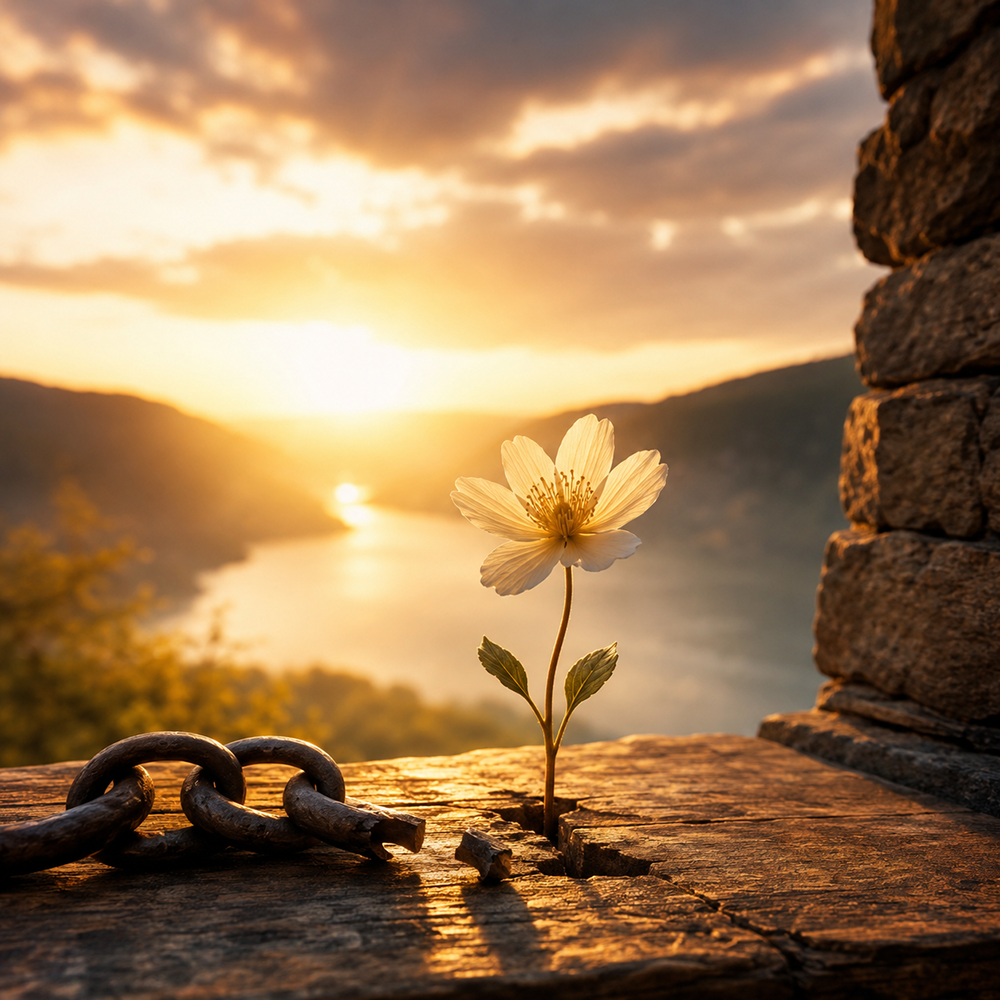
The Fire Is Out, but the House Still Needs Rebuilding
Leaving saved my life, but it did not instantly repair everything the abuse had damaged.
Sometimes I imagine the experience as a house that people have been setting on fire for years.
You run from room to room putting out one blaze after another.
Just as you contain one, another begins somewhere else.
You become skilled at detecting smoke, predicting danger, and responding to emergencies before anyone else seems to notice them.
Eventually, you manage to extinguish the fires and remove the people who kept starting them.
From the outside, this looks like the ending.
The danger is gone.
The fire is out.
People celebrate that you escaped and expect life to return to normal, but you are still standing inside the remains.
The walls are damaged.
Important things have been lost.
Smoke has settled into everything.
The systems that once made the house livable no longer function.
You are exhausted from fighting the fire, yet the enormous work of cleaning, repairing, and rebuilding has barely begun.
Then someone looks around and asks why you are still struggling.
“There’s no fire now,” they say. “What reason do you have to be exhausted?”
They do not see that surviving the emergency consumed the energy you now need for recovery.
They do not see the damage left behind.
They do not understand that “back to normal” is impossible when normal was the condition that nearly destroyed you.
 Jessica Carey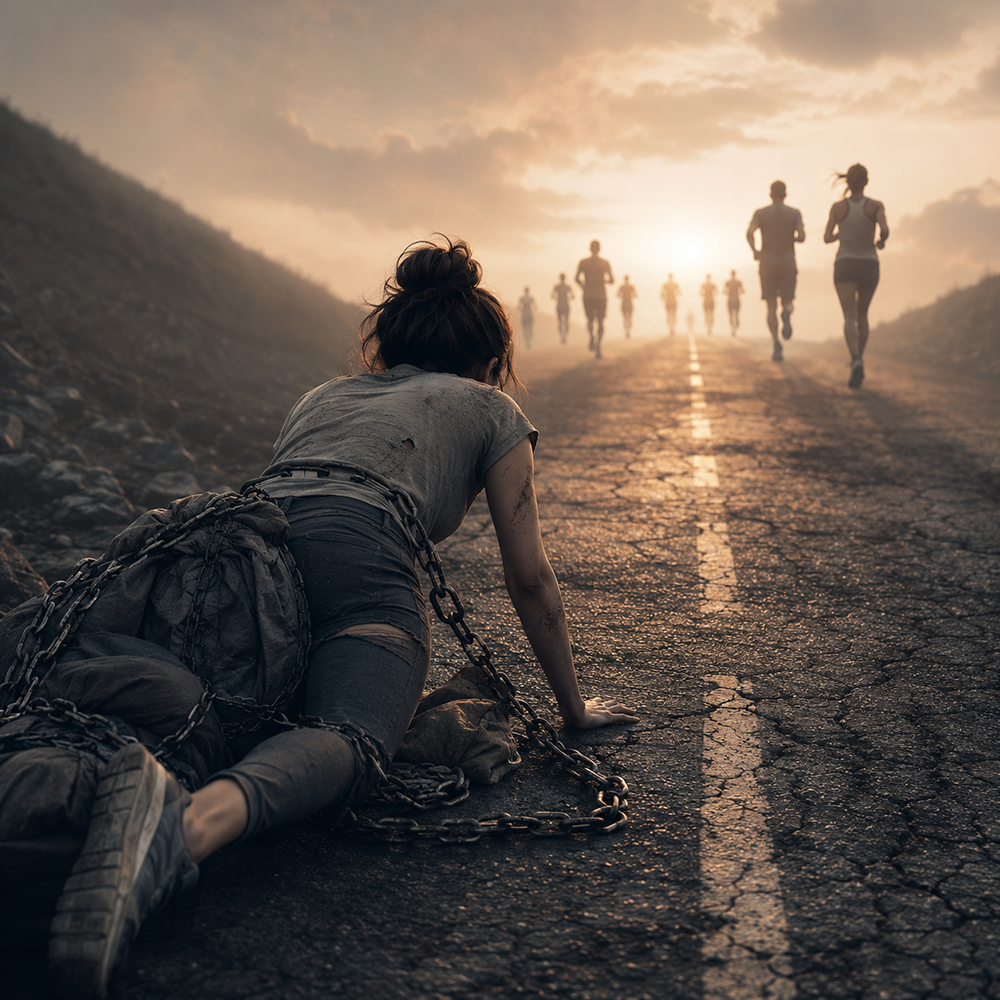
That is what the past year has often felt like.
I am no longer living in the original abusive environment, but I am still dealing with the consequences of having lived there for most of my life.
I have faced grief, housing instability, financial hardship, loneliness, chronic autistic burnout, C-PTSD, fractured relationships, and the overwhelming task of building a life without the foundation I should have received long ago.
My nervous system did not immediately relax because I crossed a physical threshold.
My body did not suddenly recover all the energy it had spent surviving.
I did not automatically know how to trust safe people, recognize healthy support, receive kindness without waiting for the hidden cost, or make decisions without anticipating someone else’s punishment.
Freedom removed me from the fire.
It did not erase the burns.
This distinction matters because survivors are often judged by how quickly they appear to recover.
Once the visible crisis has passed, continued struggle may be treated as ingratitude, weakness, negativity, or an unwillingness to move forward.
But recovery is not evidence that the harm was minor; recovery is evidence that something happened from which a person must recover.
The fact that I am still exhausted does not mean leaving was the wrong decision.
The fact that my life remains unstable does not mean I should return to what was familiar.
The fact that rebuilding is taking time does not mean I have failed.
A damaged house is not repaired by pretending the fire never happened.
It is rebuilt by honestly assessing what was lost, protecting what remains, accepting help, and creating something safer than what stood before.
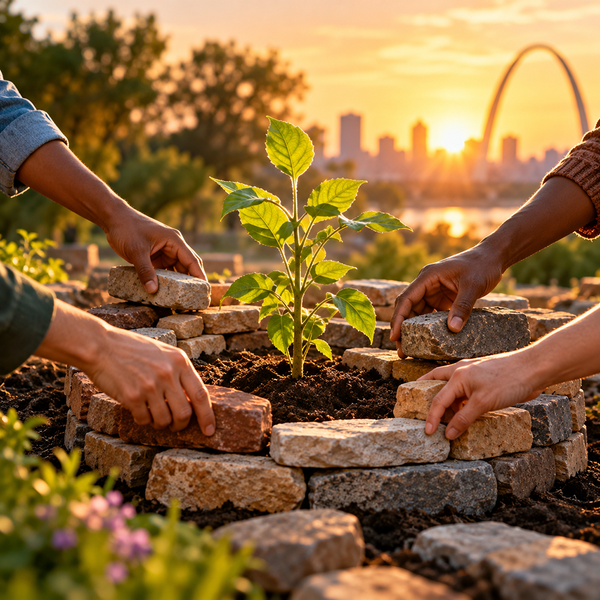
One year later, I am not living in a finished home; I am standing in the place where reconstruction has finally become possible.
 Jessica Carey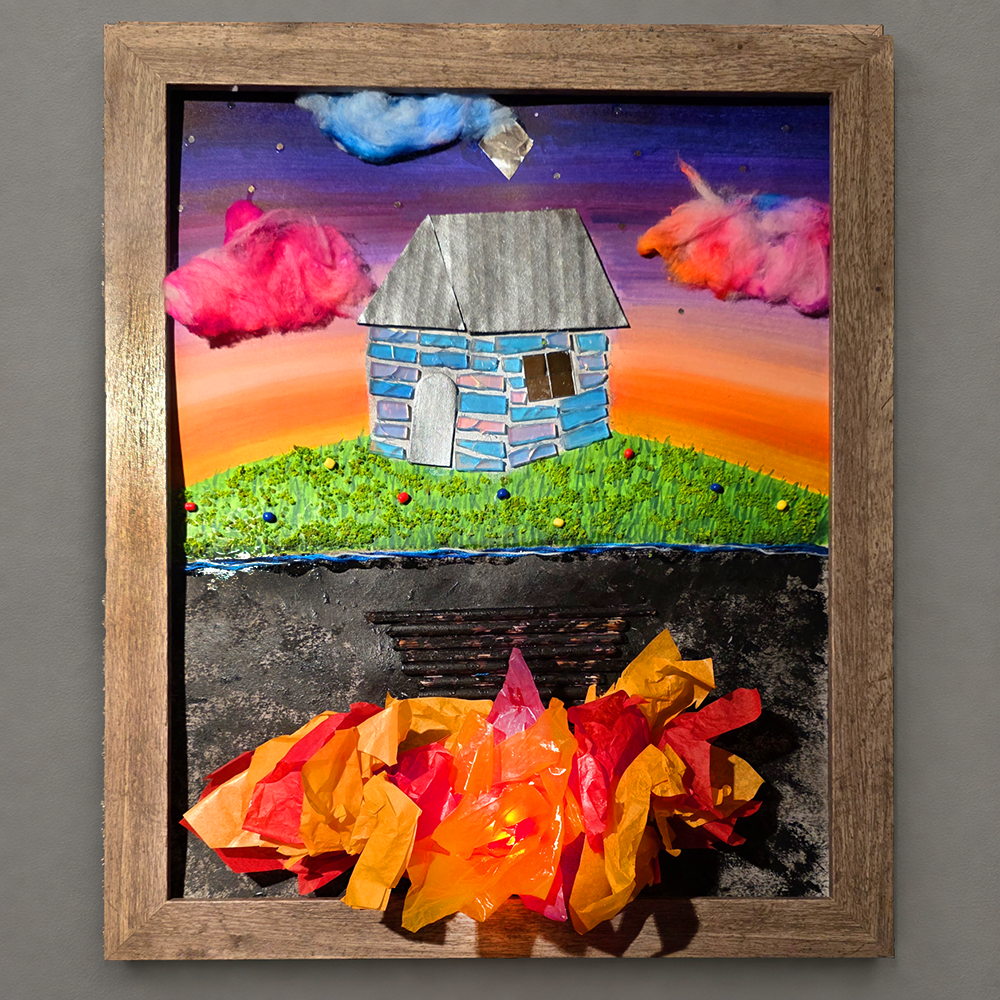
Healing Needs Space
People often say that we cannot heal in the same environment that made us sick.
There is truth in that, although healing does not always wait until the day we leave.
Sometimes it begins quietly while we are still inside the harmful environment.
Not everyone can safely leave the moment they recognize what is happening.
Some people must plan carefully, gather resources, protect children or animals, find housing, or wait for an opportunity that will not place them in greater danger.
Remaining while preparing does not mean someone is weak, accepting the abuse, or unwilling to heal.
We start recognizing patterns we once accepted as normal.
We find language for experiences we could not explain.
We question what we were taught to believe about love, loyalty, duty, and ourselves.
We reach toward trustworthy people, document what is happening, rebuild confidence in our perceptions, and imagine that another life might be possible.
Those realizations are part of healing, but it is extraordinarily difficult for a wound to close while it is continually being reopened.
For years, I tried to make unhealthy relationships healthier by changing myself.
I communicated more carefully.
I explained the same needs in different ways.
I became more patient and understanding.
I asked for less and gave more.
I examined what I might be doing wrong.
I anticipated other people’s reactions, walked on eggshells, and tried to prevent conflict before it began.
The question guiding me was always some variation of: “What do I need to do differently to make this relationship work?”
Eventually, I had to ask something else: “What is actually happening here?”
That question changed everything.
I began to understand that a relationship cannot become healthy through one person’s effort alone.
No amount of perfect wording can create accountability in someone committed to denial.
Patience cannot manufacture empathy.
Self-reflection cannot compensate for another person’s refusal to examine their own behavior.
Healthy relationships require participation from everyone involved.
They require people who are willing to listen, respect boundaries, acknowledge their impact, repair harm, and make meaningful changes.
When only one person is doing that work, the relationship is not being healed.
One person is carrying it while gradually disappearing beneath its weight.
Leaving was not a refusal to try; it was the recognition that I had already spent a lifetime doing far more than my share.
I could not heal the people who harmed me.
I could not force them to tell the truth.
I could not love them into becoming safe.
And I could not begin rebuilding myself while continuing to offer them opportunities to tear the work apart.
Distance has not magically healed me; it has not erased grief, trauma, exhaustion, or the practical consequences of leaving.
Some days, healing feels less like growth and more like learning how to breathe without waiting for the next emergency.
But distance has given the wound a chance to stop reopening.
It has created room for rest, clarity, support, and the slow discovery of who I am when I am not constantly managing someone else’s emotions.
Sometimes stepping away is not the end of healing a relationship.
Sometimes it is the beginning of healing ourselves.
 Jessica Carey
Honest Hope Is Not Denial
One of the ways dysfunctional systems protect themselves is by calling truth-telling negativity.
- Naming abuse becomes an attitude problem.
- Expressing pain becomes dwelling on the past.
- Establishing a boundary becomes bitterness.
- Refusing to return becomes hatred or unforgiveness.
People may urge us to focus on the good, let go, remain positive, or remember that nobody is perfect.
Those ideas can sometimes be helpful.
Perspective matters.
Human beings are imperfect, and no relationship survives without grace.
But grace is not pretending that harm is harmless.
In my family, dysfunction could be treated like a charming joke: “Our family puts the ‘fun’ in dysfunction!”
But suffering does not become acceptable because someone laughs while causing it.
Abuse does not disappear because a family refuses to name it.
Neglect is not transformed into love by insisting that everyone meant well.
Calling darkness light does not make it so.
That is not hope; it is denial.
Toxic positivity protects appearances by demanding that painful realities remain unspoken.
It asks the harmed person to become more pleasant rather than asking the harmful pattern to change.
It treats discomfort with the truth as though it were more serious than the behavior the truth reveals.
Healthy hope does something different.
Healthy hope looks directly at what happened.
It grieves what was lost.
It acknowledges what cannot be repaired by good intentions alone.
It respects the boundaries needed to prevent further harm.
And then, without denying any of that reality, it believes that something better may still be built.
Truth and hope are not opposites.
Truth gives hope something real to stand upon.
Real love tells the truth.
Real love listens.
Real love respects boundaries.
Real love accepts responsibility when it causes harm.
Real love does not demand another person’s silence, access, or self-destruction to preserve the appearance of a happy family.
This past year has taught me that positivity is not the same as healing.
I do not have to describe an unbearable experience as a blessing before I am allowed to believe that beauty can still emerge from my life.
I can grieve and remain hopeful.
I can acknowledge injustice and still look for light.
I can tell the truth about what happened without allowing what happened to become the only truth about me.
Hope is not the insistence that everything was secretly good; it is the conviction that what was harmful does not have to determine everything that comes next.
 Jessica Carey
Discovering Who I Am Outside Survival
For most of my life, survival consumed so much of my attention that there was little to no room left to discover who I was.
My energy went toward anticipating problems, managing other people’s reactions, enduring what I could not change, and trying to remain useful enough to justify my place in relationships.
When survival becomes ordinary, identity can become difficult to separate from adaptation.
- Am I naturally quiet, or did I learn that speaking was dangerous—or is the truth somewhere between the two?
- Am I endlessly accommodating, or did I learn that having preferences created conflict?
- Do I truly need nothing, or was needing anything treated as a burden?
- Who am I when I am no longer arranging myself around someone else’s comfort?
I do not have complete answers yet.
But during this past year, I have begun finding pieces of myself that had little room to exist before.
I have entered spaces where people are genuinely glad to see me—greeting me by name with joy and asking for hugs.
I have found people who appreciate my creativity, generosity, ideas, and resourcefulness without treating those qualities as resources they are entitled to consume.
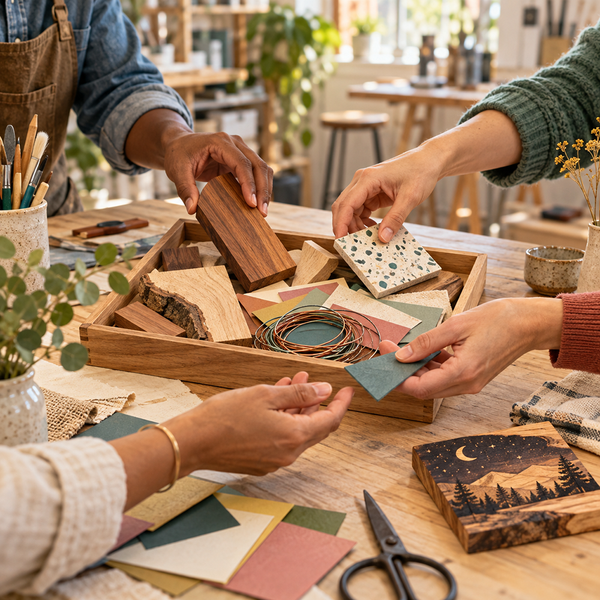
I have shared art, information, materials, and possibilities with others—and experienced the difference between contributing to a community and being used by one.
I am learning that support does not always contain a hidden demand.
I am learning that a boundary does not make me cruel.
I am learning that exhaustion is not a moral failure and that my body’s limits do not disappear because someone else finds them inconvenient.
I am learning that having needs, emotions, preferences, and disabilities does not make me difficult or defective; it makes me human.
 Jessica Carey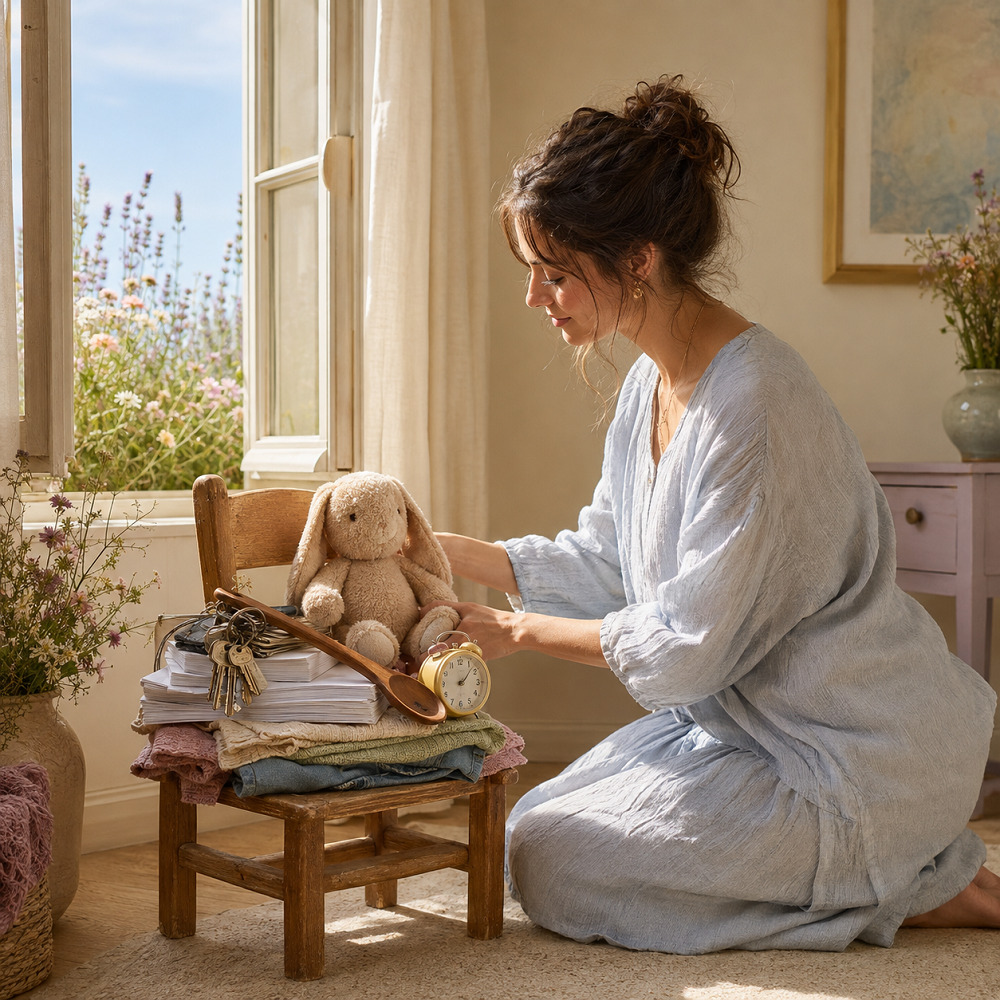
This discovery is not always joyful.
Freedom can reveal how thoroughly we were prevented from knowing ourselves.
Choices that appear simple to other people may feel overwhelming when we have spent years being punished for making them.
Safety itself can feel unfamiliar.
Kindness can make us wait for the hidden cost.
Rest can produce guilt.
Being seen can feel both beautiful and terrifying when visibility once invited control, criticism, or exploitation.
Rebuilding a self takes time; still, something is changing.
Creativity is becoming more than a way to survive pain.
It is becoming a way to imagine a future.
Community is becoming more than a place where I prove my usefulness.
It is becoming somewhere I might be known, supported, and allowed to belong.
My voice is becoming more than a tool for explaining or defending myself.
It is becoming a way to create, advocate, connect, and offer something meaningful to the world.
I am not discovering an entirely new person; I am meeting the person who was always there beneath the roles, fear, and conditioning.
One year after leaving, I am still learning what it means to live without disappearing.
That may be one of the quietest forms of freedom: not becoming someone else, but finally having enough safety to become more fully myself.
 Jessica Carey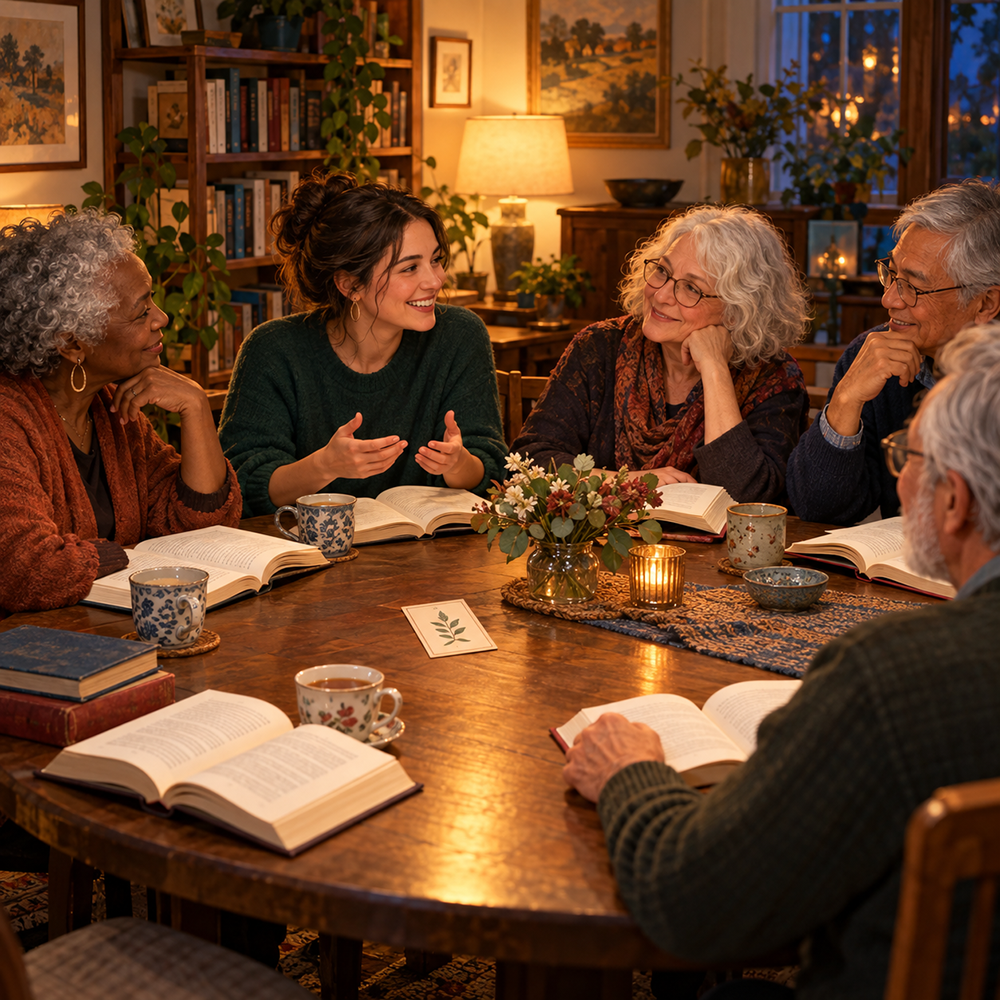
One Year Later, I Am Still Here
A year ago, I did not know what my life would look like today.
I hoped leaving would bring relief, but I could not see how much grief, instability, exhaustion, and rebuilding would follow.
I did not know how many relationships I would lose once I stopped participating in the family system.
I did not know how difficult it would be to create safety without the support and foundation I should have received long ago.
I only knew that I could not remain where I was.
One year later, my life is not neatly restored.
I am still recovering from chronic autistic burnout and the effects of lifelong trauma.
I am still seeking stable ground and a solid support system.
I am still learning how to receive help, trust my limits, recognize safe relationships, and build a future that does not require me to destroy myself in order to maintain it.
Some days, I feel proud of how far I have come.
Other days, I am painfully aware of how much remains unfinished.
Both are true.
Healing is not invalidated because it is incomplete.
Freedom is not proven by the absence of struggle.
And choosing life does not guarantee that life immediately becomes easy.
Sometimes choosing life means entering an uncertain future because the familiar past has become unbearable.
Sometimes it means grieving people who are still alive, protecting a boundary others resent, or accepting that peace may initially feel lonelier than dysfunction.
Sometimes it means resting when we were trained to keep performing.
Asking for help when we were taught to need nothing.
Beginning again without knowing exactly where the path will lead.
The decision I made one year ago was not the final act of courage; it became the first of many.
Since then, I have had to choose truth when denial would have been more comfortable for so many people.
I have had to choose distance when guilt urged me to return.
I have had to choose rest when others demanded that I push harder.
I have had to choose hope without pretending that everything was fine.
And, slowly, I have begun choosing relationships, communities, and possibilities in which I do not have to disappear in order to belong.
I still grieve that leaving became necessary.
I still wish love had been enough to make the people I loved choose honesty, accountability, and change.
But I do not regret saving myself.
I do not regret refusing to return to danger.
I do not regret believing that my life could become something more than an endless attempt to survive other people’s choices.
One year ago, I chose safety.
I chose truth.
I chose boundaries.
I chose the possibility of a future I could not yet see.
I chose to live.
One year later, the rebuilding remains unfinished.
There is still rubble to clear and much that must be restored.
But there are also new foundations being laid, small signs of growth, and glimpses of a life that belongs to me.
I am still here, and I am no longer abandoning myself to keep anyone else comfortable.
 Jessica Carey
Want even more content about creativity and art?
Be sure to check out all of our creative chronicles!
If you'd like to see examples of my work, you can find some of my art and creations at Redbubble and Gumroad!
Looking to learn more about my recent journey?
Check out some of these articles:
-Hidden Gems for St. Louis Artists
-Hidden Gems for Autistic & Neurodivergent Adults
-Learning What Love Was Supposed to Feel Like
-I Wasn't Broken--I'm Burned Out
-The Difference Between Resting and Giving Up
 Jessica Carey