

Few words carry as much emotion as the word family.
For some people, it brings warmth.
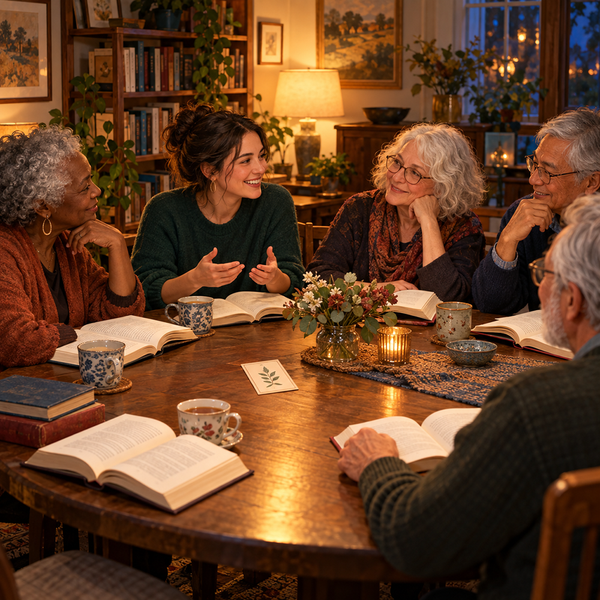
Laughter around a dinner table.
A place where they feel known and accepted.
For others, the word carries grief.
Conflict.
Distance.
Or the aching longing for the kind of home they never had.
Because despite how often we speak about family, we do not always mean the same thing.
Sometimes we use family to describe biology.
Sometimes history.
Sometimes legal relationships.
Sometimes the people who have consistently loved us.
Those are not always the same people.
Society often treats family as something automatic.
If we share DNA...
If we grew up in the same house...
If we have the same last name...
Then we are expected to assume that love, trust, belonging, and safety naturally follow.
But many people know that reality is more complicated.
Shared biology can exist without emotional safety.
Shared history can exist without mutual respect.
And sometimes complete strangers become the people who show up with the greatest kindness, consistency, and care.
Perhaps this is because family is about more than blood.
It is about the kind of relationship we continually create together.
Family is not simply: "We are related."
It is:
- "We practice love."
- "We practice repair."
- "We practice showing up."
- "We create a place where one another can flourish."
That practice—not merely shared genetics—is what slowly transforms a house into a home.
Many of us have heard the phrase, "Blood is thicker than water."
Sometimes it is used to encourage commitment to family.
Other times, it is used to pressure people into accepting behavior that would never be considered healthy in any other relationship.
Shared biology is meaningful.
It connects us through history, ancestry, and often deep affection.
But biology alone cannot create trust.
It cannot manufacture respect.
It cannot substitute for repair.
Those things must be practiced.
Family is not weakened by recognizing this truth.
It is strengthened by it.
 Jessica Carey
Family Is Something We Practice
When we hear the word family, we often think first about who belongs.
Parents.
Children.
Siblings.
Grandparents.
Aunts.
Uncles.
Cousins.
These relationships matter.
They connect us through history, shared memories, and often deep affection.
Families also become bridges between generations.
Grandparents pass along stories that children would otherwise never hear.
Parents teach skills they once learned from those who came before them.
Recipes, traditions, songs, photographs, celebrations, and even family sayings become gifts that remind us we are part of a story larger than ourselves.
Healthy families do not merely inherit these treasures.
They lovingly add to them before passing them on.
Yet if we pause for a moment, another question begins to emerge.
What is it that actually makes these relationships feel like family?
- Is it shared DNA?
- A legal document?
- A family tree?
- Or is it something deeper?
Perhaps family is not simply defined by who belongs to it.
Perhaps it is defined by how people belong to one another.
Healthy families are not created by titles alone.
They are created through countless ordinary choices that gradually shape the atmosphere people live in together.
Every conversation.
Every act of kindness.
Every apology.
Every shared meal.
Every moment of encouragement.
Every repaired misunderstanding.
Every time someone says:
- "I'm here."
- "You're not alone."
- "Let's work through this together."
These moments may seem small.
Yet over time, they become the foundation upon which trust, safety, and belonging are built.
This is why family is less like a possession we inherit and more like a practice we cultivate.
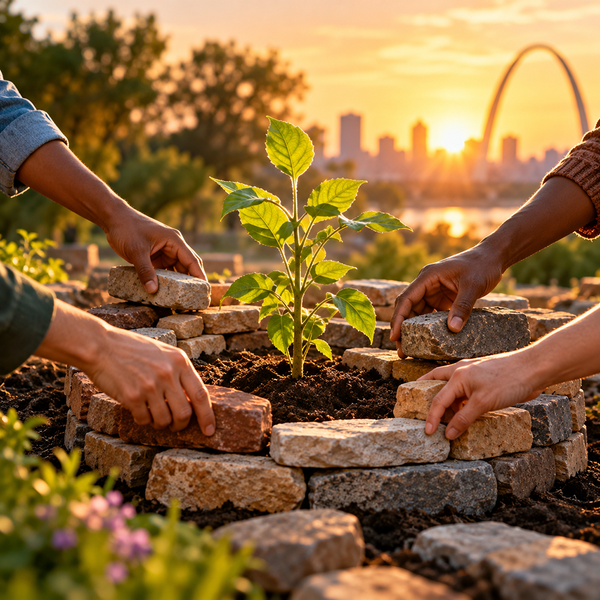
Just as a garden does not become beautiful because someone gives it a name, relationships do not become healthy simply because we call them family.
Gardens flourish because they are cared for.
Watered.
Protected.
Tended with patience.
Families grow in much the same way.
Love must be practiced.
Respect must be practiced.
Listening must be practiced.
Repair must be practiced.
Showing up must be practiced.
Even belonging is something we help create through the way we treat one another.
 Jessica Carey
This does not mean healthy families are perfect.
Every family misunderstands one another.
Every family experiences disappointment.
Every family faces seasons of stress, conflict, grief, and change.
The difference is not whether mistakes happen.
The difference is what happens next.
Healthy families return.
They apologize.
They repair.
They learn.
They make room for growth instead of pretending nothing happened or expecting perfection.
Little by little, these repeated choices create something beautiful.
Not merely people who share a history...
But people who become a place of refuge for one another.
Perhaps that is why family should be understood more as a verb than a noun.
Family is not only something we are.
It is something we continually do:
- We practice welcoming
- We practice listening
- We practice forgiving
- We practice telling the truth with kindness
- We practice carrying one another through difficult seasons
- We practice celebrating one another's joys without envy
Day by day, these practices slowly transform a collection of individuals into something much greater.
A community of belonging.
A place where people know they are valued not because they are perfect...
But because they are deeply loved.
Perhaps that is one of the most hopeful truths about family.
It is not built in a single moment.
It is built through thousands of ordinary moments in which people repeatedly choose to care for one another's humanity.
And that means family is not only something we inherit.
It is something we create together.
 Jessica Carey
Blood Can Introduce Us. Love Builds the Relationship.
Our biological families often become the first relationships we ever know.
They introduce us to our earliest memories.
Our traditions.
Our stories.
Our sense of history.
For many people, these relationships become profound sources of love, encouragement, and belonging.
Shared biology can be a beautiful gift.
It connects us across generations and reminds us that we are part of something larger than ourselves.
Yet biology, by itself, cannot create the qualities that make relationships life-giving.
Shared DNA cannot automatically produce trust.
It cannot guarantee kindness.
It cannot manufacture respect.
It cannot replace honesty.
It cannot create emotional safety simply because people share a last name.
Those qualities must be lived.
They must be practiced.
Again and again.
Perhaps that is why two people can share the same family tree and experience family very differently.
One person may remember a place where they were encouraged to grow, where mistakes were met with repair, where laughter was shared freely, and where they knew they belonged.
Another may remember walking on eggshells, feeling unseen, or believing that love had to be earned through performance, silence, or self-sacrifice.
Both experiences are real.
Both deserve to be acknowledged with compassion.
Recognizing this truth does not diminish the value of biological family.
Instead, it reminds us that family is more than biology alone.
Love is what transforms relationship into refuge.
Imagine receiving a packet of seeds.
The seeds matter.
Without them, the garden cannot begin.
But no one would expect those seeds to bloom simply because they exist.
They must be planted.
Watered.
Nourished.
Protected.
Given light.
Over time, patient care transforms possibility into flourishing.
Relationships are much the same.
Shared biology provides a beginning.
Love determines what grows.
This is why healthy families are not defined only by who belongs to them.
They are defined by how people treat one another:
- Do they make room for honesty?
- Do they celebrate one another's growth?
- Do they repair after hurt?
- Do they create safety instead of fear?
- Do they encourage each person to become more fully themselves?
Those questions reveal far more about the health of a family than a genealogy ever could.
This truth can also bring comfort to people whose experience of biological family has been deeply painful.
If your family of origin did not provide the safety, care, or belonging every person deserves, that absence is a real loss.
It deserves to be grieved rather than dismissed.
At the same time, it does not mean you are forever excluded from experiencing genuine family.
Because the qualities that create family—love, trust, respect, repair, faithful presence, and belonging—can be practiced by people who choose to show up for one another, whether or not they share DNA.
Blood may introduce us.
History may connect us.
But it is love, practiced over time, that transforms relationship into family.
 Jessica Carey
Family Creates a Place to Belong
One of the deepest longings of the human heart is the desire to belong.
Not simply to be included.
Not merely to be tolerated.
But to know that there is a place where we can arrive as our whole selves and still be welcomed with dignity, honesty, and care.
Healthy family creates that kind of belonging.
It is the place where people gradually learn:
- "You do not have to earn your worth here."
- "You do not have to perform in order to matter."
- "You do not have to pretend to be someone you are not."
This does not mean healthy families never challenge one another.
Quite the opposite.
They encourage growth.
They speak truth.
They hold one another accountable.
But they do so from a foundation of belonging rather than a threat of rejection.
The message is never: "Become someone else so you can stay."
It is: "Because you belong, I want to help you become the healthiest version of yourself."
That distinction changes everything.
Many people spend years believing belonging must be earned.
By achieving.
By pleasing.
By staying quiet.
By carrying everyone else's burdens.
By never making mistakes.
By becoming whatever others expect them to be.
Those strategies may create acceptance.
They cannot create genuine belonging.
Acceptance says: "You can stay if..."
Belonging says: "You already matter."
From that secure foundation, growth becomes possible.
People no longer have to spend all of their energy proving they deserve a place.
Instead, they are free to learn.
To apologize.
To ask questions.
To struggle.
To celebrate.
To become.
This is why healthy families create remarkable freedom.
Not freedom from responsibility.
But freedom from constantly wondering whether love must be earned.
Healthy belonging allows people to exhale.
To laugh without fear.
To tell the truth.
To admit: "I'm not okay."
To ask for help.
To disagree respectfully.
To bring both their strengths and their struggles into the relationship.
Because they trust that honesty will not automatically cost them their place.
This does not mean belonging is unconditional in every sense.
Healthy families still have boundaries.
Trust still matters.
Actions still have consequences.
Relationships still require mutual care and responsibility.
Belonging is not permission to harm one another without accountability.
Rather, healthy belonging creates the kind of environment where accountability can happen without threatening someone's inherent worth.
Perhaps this is one of the greatest gifts family can offer.
Not the promise that life will always be easy.
But the quiet assurance that no one has to face life alone.
That there are people who will celebrate your joys, grieve your losses, tell you the truth with kindness, and remain committed to your growth—not because you have earned their love through perfection, but because they have chosen to practice love with you over time.
 Jessica Carey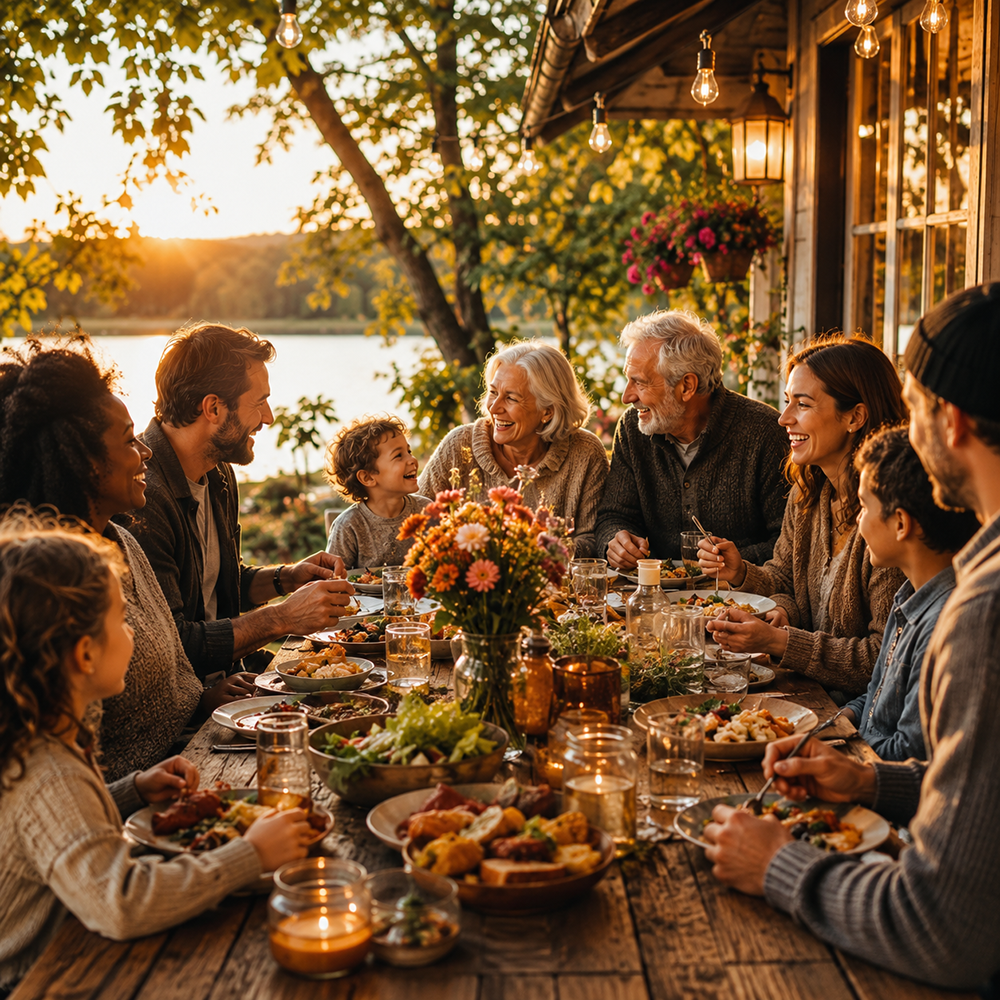
When that happens, something beautiful begins to grow.
A relationship becomes more than shared history.
It becomes a place where people feel seen.
Known.
Safe.
Encouraged.
Free to grow.
And perhaps that is what belonging has always been.
Not finding people who expect us to hide parts of ourselves.
But discovering relationships where honesty, dignity, responsibility, and love make it possible to become more fully ourselves together.
 Jessica Carey
Family Shows Up
One of the simplest ways to recognize healthy family is this:
They show up.
Not only for life's biggest moments.
But for its ordinary ones.
- They celebrate birthdays.
- They sit beside hospital beds.
- They help carry heavy boxes during a move.
- They answer late-night phone calls.
- They check in after a difficult week.
- They remember important conversations.
- They notice when someone seems unusually quiet.
- They remain present.
These moments may appear small on their own.
Yet over months and years, they quietly communicate something powerful: "You matter to me."
Showing up is not measured by perfection.
Healthy families will sometimes miss important moments.
Life becomes busy.
People make mistakes.
Schedules conflict.
Distance separates them.
What matters is not flawless attendance.
It is a pattern of faithful presence.
Healthy family repeatedly returns.
It notices when someone has been carrying too much alone.
It asks: "How are you really doing?"
And then it stays long enough to hear the answer.
Showing up also means remaining present when life becomes uncomfortable.
It is relatively easy to celebrate together when everything is going well.
It is much harder to remain present through grief.
Conflict.
Illness.
Failure.
Disappointment.
Those moments often reveal the depth of a relationship.
Healthy family does not disappear simply because life has become complicated; it remains.
- Sometimes with practical help
- Sometimes with wise advice
- Sometimes with a warm meal
- Sometimes with quiet companionship when words would only get in the way
Often, the greatest gift is simply knowing we do not have to face hardship alone.
Showing up also means celebrating one another's joys without comparison.
Healthy family delights in another person's growth.
It cheers for their successes.
Encourages their dreams.
Celebrates milestones without allowing envy or competition to overshadow the moment.
Another person's flourishing becomes something to rejoice in rather than something to fear.
This kind of presence creates trust.
Over time, people learn: "When life becomes difficult, I know who will still be here."
That certainty cannot be manufactured through words alone.
It grows through repeated experiences of someone choosing to remain present.
Again.
And again.
And again.
Of course, showing up does not mean being physically present at every moment.
Nor does it mean sacrificing healthy boundaries or neglecting our own well-being.
No one can meet every need or be available all the time.
Healthy family recognizes that every person has limits.
Showing up is not about constant availability.
It is about dependable care.
It means people know they matter.
That they have not been forgotten.
That when life truly matters, someone will make every reasonable effort to be there.
Perhaps this is one of the quiet miracles of family.
It reminds us that love is rarely proven through grand declarations alone.
It is revealed through ordinary faithfulness:
- The text that asks how your appointment went
- The meal shared after a difficult day
- The ride to the airport
- The invitation to come over
- The apology after a misunderstanding
- The willingness to sit together in silence
These ordinary moments become the threads that slowly weave trust, belonging, and home.
Because family is not built by a single extraordinary act.
It is built by people who continue showing up for one another, especially when it would be easier to walk away.
There is also a difference between being physically present and being truly present.
A person can sit in the same room while another feels completely alone.
Healthy family offers more than physical proximity.
It offers attention.
Curiosity.
Compassion.
The feeling that someone is genuinely with us.
Sometimes the greatest gift we can give another person is not more words or better advice.
It is the quiet assurance that, for this moment, they do not have to carry life by themselves.
 Jessica Carey
Family Makes Room for Growth
Every healthy family understands something important.
People change.
Children become adults.
Parents continue learning.
Siblings develop different personalities.
Dreams evolve.
Beliefs deepen.
Life reshapes us through joy, grief, success, failure, and countless ordinary experiences.
Growth is not a threat to family; it is part of family because healthy families make room for that growth.
They do not expect people to remain frozen in the roles they once held.
Instead, they remain curious.
They continue asking: "Who are you becoming?" rather than assuming they already know the answer.
This can be surprisingly difficult.
When we have known someone for years, it is easy to see who they used to be instead of who they are becoming.
We remember childhood mistakes.
Old conflicts.
Past versions of one another.
Without realizing it, we may begin relating to memories rather than to the person standing before us today.
Healthy family gently resists this temptation.
It allows people to outgrow old labels.
The quiet child may become a confident leader.
The sibling who struggled may become remarkably wise.
The parent who once had all the answers may eventually ask their children for guidance.
Growth invites every member of the family to remain teachable.
This also means healthy family leaves room for people:
- To change their minds
- To learn from mistakes
- To apologize
- To heal
- To develop new interests
- To pursue new dreams
- To become healthier than they were yesterday
No one is permanently defined by their best moment.
Nor by their worst.
Family becomes a place where people are encouraged to keep growing rather than pressured to remain who they once were.
This does not mean healthy families ignore harmful patterns.
Growth is not pretending everything is fine.
Sometimes growth requires difficult conversations.
Accountability.
Boundaries.
Professional support.
Or significant changes in how relationships function.
Healthy family welcomes these conversations because genuine love cares more about healing than about preserving appearances.
Growth often asks something of everyone.
It invites humility.
It reminds us that we, too, have more to learn.
Healthy family does not only celebrate another person's growth.
It allows that growth to change the family itself:
- New perspectives are welcomed.
- Better ways of communicating are practiced.
- Old wounds are acknowledged rather than hidden.
- Each person becomes both a teacher and a learner.
Perhaps this is one of the greatest gifts family can offer.
Not the expectation that we remain who we have always been...
But the confidence that we can continue becoming who we are capable of becoming.
Because genuine family does not fear growth.
It nurtures it.
It celebrates it.
It grows alongside it.
And in doing so, it quietly reminds every person:
- "You are not trapped by yesterday."
- "You are allowed to become."
 Jessica Carey
Family Repairs Instead of Pretending
Every family will experience hurt.
Misunderstandings.
Disagreements.
Words spoken too quickly.
Moments of selfishness.
Times when someone feels overlooked, misunderstood, or disappointed.
Conflict is not evidence that a family has failed; it is evidence that human beings are living life together.
The question is not whether hurt will happen.
The question is what happens after it does.
Healthy families understand that love is not proven by avoiding every mistake.
It is revealed by what people choose when mistakes inevitably occur:
- Do they listen?
- Do they take responsibility?
- Do they apologize without excuses?
- Do they seek to understand the impact of their actions?
- Do they work together to rebuild trust?
These are the practices that slowly transform painful moments into opportunities for deeper connection.
 Jessica Carey
Repair requires humility.
It asks us to admit:
- "I was wrong."
- "I hurt you."
- "Help me understand what that was like for you."
Those words can feel uncomfortable.
Yet they also communicate something profoundly important: "Our relationship matters more to me than protecting my pride."
Healthy families are willing to have those conversations.
Not because they enjoy conflict.
But because they understand that unresolved hurt rarely disappears on its own.
Silence is not the same as healing.
Time alone does not repair trust.
Ignoring pain does not remove it.
What remains unspoken often continues shaping the relationship beneath the surface.
Healthy repair brings those hidden places into the light with gentleness and courage.
This also means healthy families make room for forgiveness.
Not as permission to pretend nothing happened.
Not as pressure to immediately return to the way things were.
But as part of the long process of releasing bitterness while truthfully acknowledging what occurred.
Sometimes trust can be rebuilt.
Sometimes rebuilding trust takes time.
Sometimes new boundaries become necessary.
Repair honors all of these realities.
Because healthy families understand that forgiveness, trust, and reconciliation are related, but they are not identical.
Repair also asks something of the person who has been hurt.
It asks whether they are willing, when it is safe and appropriate, to speak honestly about their experience.
Not to shame.
Not to punish.
But to give the relationship an opportunity to grow.
Healthy families make space for those conversations.
They do not expect pain to remain hidden in order to preserve appearances.
They understand that truth spoken with love strengthens relationships far more than silence ever could.
Perhaps this is why repair feels so sacred.
It says:
- "Our relationship is worth the work."
- "Your hurt matters to me."
- "I care more about healing than about being right."
Little by little, those choices create something extraordinary.
Not a perfect family.
But a resilient one.
A family that learns.
That grows.
That becomes stronger not because it never breaks, but because it knows how to mend with honesty, compassion, and care.
Because healthy family is not built on perfection.
It is built on the courage to repair.
 Jessica Carey
Family Is Bigger Than Obligation
Many of us grow up hearing messages about what family should mean:
- "Family comes first."
- "Blood is thicker than water."
- "You only get one family."
These sayings often contain important truths.
Healthy families are worth investing in.
Long-term relationships require commitment.
Love sometimes asks us to stay through difficult seasons, to extend grace, and to work patiently toward repair.
Yet these ideas can also become distorted when they are separated from the qualities that make relationships healthy.
Obligation, by itself, cannot create trust.
It cannot create respect.
It cannot create emotional safety.
Nor can it create genuine love.
At its best, obligation reminds us that relationships require commitment.
At its worst, it can be used to pressure people into accepting patterns that diminish their dignity or well-being.
Healthy family is built upon something much stronger than obligation alone.
It is built upon mutual care.
Mutual respect.
Mutual responsibility.
Mutual growth.
Notice that word: mutual.
Healthy family does not ask one person to carry the entire weight of the relationship while everyone else remains unchanged.
It recognizes that every relationship is shaped by the choices of everyone involved.
Each person contributes to the atmosphere the family creates.
Each person has opportunities to listen.
To apologize.
To grow.
To show up.
To practice love.
Healthy family is not sustained because one person keeps sacrificing.
It is sustained because everyone continues practicing the qualities that make belonging possible.
This is why healthy commitment looks very different from unhealthy obligation.
Healthy commitment says: "This relationship matters enough that I am willing to do the work."
Unhealthy obligation says: "This relationship must continue exactly as it is, regardless of whether anyone is willing to do the work."
Those are not the same thing.
One invites growth.
The other demands endurance.
Sometimes people remain in unhealthy relationships because they hope things will eventually become different.
Hope is deeply human.
Love often hopes.
But healthy hope is not passive.
It looks for signs of honesty.
Accountability.
Repair.
Growing trust.
Consistent change over time.
Hope becomes harmful when it asks us to ignore reality indefinitely.
Similarly, history deserves to be honored.
Shared memories matter.
Years of life together matter.
The sacrifices people have made for one another matter.
Those things should never be dismissed lightly.
At the same time, history cannot do today's work.
Yesterday's love cannot replace today's kindness.
Past faithfulness cannot excuse present harm.
Healthy families continue practicing the qualities that built trust in the first place.
Perhaps this is why genuine family is never sustained by guilt alone.
Guilt may persuade someone to stay physically present.
It cannot create emotional closeness.
Love invites something much deeper.
It invites people to remain connected because they are continually nurturing a relationship that is honest, respectful, life-giving, and worth caring for together.
Perhaps that is one of the quietest truths about family.
The strongest families are not held together because people feel trapped.
They remain together because, day after day, they continue choosing to become a place of safety, belonging, truth, and love for one another.
That kind of commitment cannot be demanded.
It is freely practiced.
Again.
And again.
And again.
There are seasons when healthy love calls us to persevere through misunderstanding, disappointment, and ordinary conflict.
There are also situations where ongoing abuse, coercion, repeated betrayal without repair, or persistent disregard for another person's dignity require stronger boundaries or greater distance.
The difference is not whether the relationship is difficult.
Every family experiences difficulty.
The deeper question is whether the relationship remains willing to practice the qualities that make family possible: honesty, accountability, respect, repair, and mutual care.
 Jessica Carey
Family Can Be Found, and Family Can Be Built
For some people, the word family immediately brings gratitude.
For others, it brings grief.
Not because they never longed for family.
But because the relationships they hoped would become places of safety never quite did.
That grief is real.
It deserves compassion.
Every person deserves relationships where they are known, protected, encouraged, and loved.
When those needs go unmet, something precious has been lost.
It is natural to mourn that loss.
Yet grief is not the end of the story.
One of the most hopeful truths about family is that while we cannot choose where our story begins, we often have opportunities to help shape where it continues.
Sometimes family grows in places we never expected:
- A lifelong friend who consistently shows up
- A mentor who believes in us before we believe in ourselves
- A teacher who sees gifts no one else noticed
- A neighbor who becomes part of every holiday
- A spouse whose family gradually welcomes us as their own
- An adoptive family
- A foster family
- A faith community
- A support group
- A circle of friends who continue practicing love, honesty, repair, and belonging over many years
None of these relationships erase the grief of what was missing.
They are not replacements for the past.
But they can become something deeply real in the present.
This is why many people speak of chosen family.
The phrase is not meant to diminish biological family.
Nor does it suggest that every friendship automatically becomes family.
Rather, it recognizes that family grows wherever people consistently practice the qualities that make family possible:
- Trust
- Faithful presence
- Respect
- Repair
- Encouragement
- Shared responsibility
- A willingness to remain through both celebration and hardship
Over time, these ordinary acts begin to create something extraordinary.
A place where people no longer feel like guests; they begin to feel at home.
Chosen family is not usually formed in a single dramatic moment.
It grows slowly.
Conversation by conversation.
Shared meal by shared meal.
Act of kindness by act of kindness.
Trust built one promise at a time.
Until one day, almost without noticing, people who were once strangers have become part of one another's lives in a way that feels unmistakably like family.
Perhaps this is because family has never been defined only by where we came from.
It is also shaped by who continues walking beside us.
Who celebrates our joys.
Who grieves our losses.
Who tells us the truth with kindness.
Who helps us become more fully ourselves while allowing us to help them do the same.
Becoming more fully yourself does not mean becoming whatever you happen to feel in a given moment.
It means growing into the person you are capable of becoming—someone increasingly honest, compassionate, courageous, wise, and free to love well.
Those relationships deserve to be treasured.
Not because they are perfect.
But because they are continually practiced.
Perhaps that is one of the most hopeful truths about family.
The human heart never stops being capable of building relationships rooted in love, trust, and belonging.
No matter where our story began, we can still participate in creating the kind of family that helps people flourish.
A healthy family is much like a flourishing garden.
No single flower makes the garden beautiful.
Every plant receives different care.
Different seasons come and go.
Storms arrive.
Weeds appear.
Things sometimes need pruning.
Yet with patience, care, sunlight, water, and faithful tending, life continues growing.
Families flourish in much the same way.
Every member of a family becomes part of the emotional environment everyone else lives within.
Our words, attitudes, habits, and responses gradually shape whether that environment becomes one of fear or freedom, criticism or encouragement, isolation or belonging.
Family is something we are continually creating together.
Genuine family rarely arrives fully formed.
It grows through hundreds of ordinary moments that seem insignificant at the time:
- Shared meals
- Honest conversations
- Quiet encouragement
- Showing up after loss
- Celebrating milestones
- Repairing misunderstandings
- Laughing until late at night
- Carrying one another through difficult seasons
Family is not usually chosen in a single moment.
More often, it is recognized after years of practicing love together.
For some people, receiving genuine family can feel surprisingly vulnerable.
Past hurt may make kindness difficult to trust.
We may wonder when the conditions will appear or when acceptance will disappear.
Healthy family grows slowly enough to help us discover, over time, that belonging does not have to be earned anew every day.
 Jessica Carey
Family Makes Room for Joy
Healthy families do more than help one another survive.
They help one another delight in being alive.
They laugh around dinner tables.
Create inside jokes.
Celebrate birthdays.
Cheer one another on.
Invent traditions that slowly become cherished memories.
Dance in kitchens.
Share holidays.
Tell the same stories for the hundredth time.
These moments may seem ordinary.
Yet they quietly remind us that belonging is not only about being cared for during hardship.
It is also about having people with whom joy becomes richer because it is shared.
As you've read this reflection, perhaps certain faces have come to mind.
Perhaps people who made you feel deeply at home.
Perhaps people you continue grieving.
Perhaps relationships that are still growing.
Rather than asking only: "Who has been family to me?"
Perhaps another question is worth carrying forward: "How can I help create family for the people around me?"
None of us can become that person perfectly.
But every act of kindness...
Every repaired misunderstanding...
Every shared meal...
Every honest conversation...
Every moment of faithful presence...
Helps create the kind of world where more people feel they belong.
 Jessica Carey
Family Is a Place We Help Create
Perhaps one of the greatest gifts this understanding of family offers is hope:
- Hope for those who grew up surrounded by love
- Hope for those who did not
- Hope for families that are learning to repair
- Hope for friendships that slowly become lifelong companions
- Hope for communities choosing to practice belonging one ordinary day at a time
Throughout this reflection, we've explored a simple but transformative idea.
Family is more than shared biology.
More than shared history.
More than shared obligation.
It is something we practice:
- We practice showing up.
- We practice listening.
- We practice telling the truth with kindness.
- We practice repairing after hurt.
- We practice celebrating one another's growth.
- We practice creating places where people are free to become more fully themselves.
These practices do not make relationships perfect.
They make them resilient.
They remind us that family is not built in a single moment.
It is built through thousands of ordinary choices that quietly say:
- "You matter."
- "I'm here."
- "We'll work through this together."
- "You don't have to carry this alone."
Perhaps that is why family feels so much like home.
Not because every day is easy.
Not because disagreements never happen.
But because there is a deep confidence that everyone belongs to the relationship, even while continuing to grow within it.
Healthy family does not ask us to choose between honesty and belonging; it makes room for both.
It does not ask us to become smaller in order to stay connected.
It invites every person to grow while remaining deeply rooted in love, truth, and mutual care.
For some people, this reflection may describe the family they have known all their lives.
If so, cherish it.
Healthy family is one of life's greatest gifts.
Protect it.
Nurture it.
Practice it.
For others, these words may describe the family they have always longed for.
If that is your experience, I hope you know this: the grief of what was missing is real.
It deserves to be acknowledged, but your story is not over.
Healthy family can still be built.
It may grow slowly.
It may begin with one trustworthy friendship.
A mentor.
A neighbor.
A partner.
A community.
People who choose, again and again, to practice love, honesty, repair, encouragement, and faithful presence.
Little by little, those ordinary acts begin creating something extraordinary.
A place where people feel safe enough to laugh.
To grieve.
To tell the truth.
To ask for help.
To celebrate.
To become.
Healthy family isn't built because everyone is the same.
It is built because people continually make room for one another's differences.
Different personalities.
Different gifts.
Different experiences.
Different perspectives.
Unity is not sameness.
It is people choosing to move toward one another despite those differences.
Perhaps that is what family has always been.
Not merely the people who share our blood.
Nor simply the people we happen to choose.
But the people who consistently help create an environment where everyone's humanity is honored, everyone's dignity is protected, and everyone's growth is welcomed.
Because in the end, family is not merely something we inherit; it is something we continually become together.
And perhaps that is one of the most hopeful truths of all.
No matter where our story began, each of us has the opportunity to help create relationships that feel a little more like home.
Family is not the people who never hurt one another.
Family is the people who keep choosing to build a place, a home, where love, truth, repair, and belonging can grow.
Perhaps home has never been merely a place.
Perhaps it has always been people practicing love together.
 Jessica Carey
Want even more content about creativity and art?
Be sure to check out all of our creative chronicles!
If you'd like to see examples of my work, you can find some of my art and creations at Redbubble and Gumroad!
Looking to learn more about my recent journey?
Check some of these articles:
-The Difference Between Resting and Giving Up
-Hidden Gems for St. Louis Artists
-Hidden Gems for Autistic & Neurodivergent Adults
-I Think I Might Be Autistic... Now What?
 Jessica Carey