

Many of us grow up hearing:
- “Family is everything.”
- “Home is where your family is.”
- “At the end of the day, family will always be there.”
And for some people, those words feel true.
They think about a place where they are loved.
Where they are celebrated.
Where they can laugh, cry, struggle, succeed, make mistakes, and still know: “I belong here.”
A place where they do not have to earn their humanity.
That kind of home is a beautiful thing.
But for many people, those same phrases carry a complicated kind of grief.
Because what happens when the place everyone calls “home” was the place where you felt the least safe?
What happens when the role you were given was not: “Be yourself.”
But:
- “Be useful.”
- “Be easy.”
- “Do not need too much.”
- “Do not feel too much.”
- “Do not inconvenience anyone.”
What happens when you were taught that love meant taking care of everyone else while quietly abandoning yourself?
What happens when keeping the peace meant everyone else stayed comfortable while you carried the pain alone?
Because sometimes people confuse a quiet house with a healthy home.
But silence is not always peace.
Sometimes silence means everyone feels safe.
Sometimes silence means someone learned speaking up was not safe.
Those are very different things.
The truth is:
- A house and a home are not always the same thing.
- A relative and family are not always the same thing.
- A title and a relationship are not always the same thing.
A house is a structure.
Walls.
A roof.
Rooms.
A place where belongings are kept.
And having shelter matters.
But home is something much deeper.
 Jessica Carey
Where you can have needs.
Where you can have feelings.
Where you can have boundaries.
Where you are loved not only when you are helpful, successful, agreeable, or convenient.
Home is where kindness lives.
Where respect lives.
Where honesty lives.
Where people care enough to listen.
Where people can make mistakes because they care enough to repair them.
Because family is not supposed to mean: “I can treat you however I want because you will always have to stay.”
Family is supposed to mean: “Our connection matters enough that I care about how I treat you.”
A building full of people walking on eggshells is not truly a home.
A place where someone has to disappear to belong is not truly a home.
Because home is not created by the walls around you.
It is created by the safety, love, and care within them.
Love is not ownership or control — it is something practiced through respect, accountability, and care.
 Jessica Carey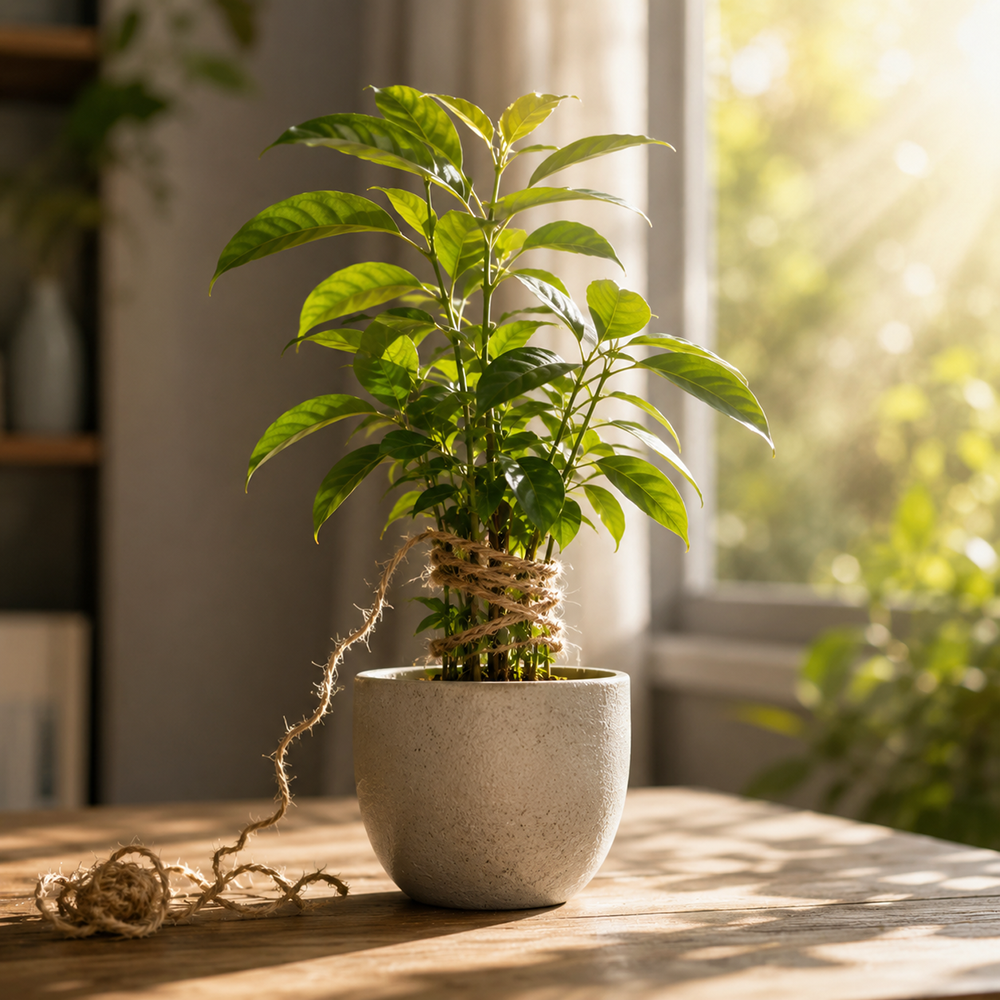
Family Is Something We Practice, Not Just Something We Are Called
Family is a powerful word.
For many people, it represents some of the most beautiful parts of being human.
Love.
Belonging.
Support.
Memories.
People who celebrate with us in our happiest moments and sit beside us during our hardest ones.
A place where we know: “I do not have to face life alone.”
That kind of family is something worth cherishing.
A title can tell us someone’s role.
Parent.
Sibling.
Relative.
Partner.
Friend.
But a title alone cannot create connection.
A title does not automatically create trust.
A title does not automatically erase harm.
Because relationships are built through thousands of moments where people choose:
- How do I treat this person?
- Do I listen?
- Do I care about their experiences?
- Do I respect their boundaries?
- Do I take accountability when I hurt them?
- Do I want to understand them, or do I only want them to agree with me?
 Jessica Carey
A healthy family is not a family where everyone is perfect.
It is not a family where nobody struggles.
It is not a family where mistakes never happen.
Healthy families are still made of humans.
And humans are messy.
The difference is what happens after.
When someone says: “That hurt me.”
A healthy response moves toward connection:
- “Help me understand.”
- “I did not realize.”
- “I’m sorry.”
- “How can we do better?”
An unhealthy response moves toward protection of the pattern:
- “You are too sensitive.”
- “That never happened.”
- “You are ungrateful.”
- “After everything I have done for you.”
- “You are ruining the family.”
But the person naming harm is not always the person causing harm.
Sometimes noticing that something feels wrong is not weakness — it is information worth understanding.
 Jessica Carey
Sometimes they are simply the first person willing to stop pretending.
 Jessica Carey
There is a difference between someone who makes mistakes while trying to love you… and someone who repeatedly harms you while expecting their title to excuse it.
Family does not mean: “You can treat me however you want because I am required to stay.”
Family means: “Our connection matters enough that we care about protecting it.”
Because love is not just something we feel toward someone.
Love is something we practice with someone.
Through patience.
Through kindness.
Through honesty.
Through respect.
Through repair.
 Jessica Carey
And sometimes the people who practice family are not the people we expected.
Sometimes someone unrelated to us shows up with compassion.
Sometimes someone who barely knows us offers safety.
Sometimes someone with no obligation reminds us what care actually feels like.
Not because biology does not matter.
Not because history does not matter.
But because love has never been proven by proximity alone.
It has always been revealed through action.
Someone can share your last name and still not know how to hold your heart carefully.
Someone can enter your life unexpectedly and remind you: “This is what kindness feels like.”
Family can also be something we build.
The friends who show up consistently.
The communities where we are welcomed.
The people who celebrate our growth instead of fearing our change.
The connections where kindness is freely given instead of used as a debt to repay.
Sometimes family is not only where our story began.
Sometimes family is found in the people who help us write healthier chapters.
Real family is not about ownership.
It is not about control.
It is not about owing someone your silence because of what they have done for you.
Real family says: “You are not just valuable because of what you provide. You are valuable because you are you.”
 Jessica Carey
Keeping the Peace Is Not the Same as Having Peace
Many people are taught that a good family “keeps the peace.”
Do not argue.
Do not bring up problems.
Do not make people uncomfortable.
Do not create tension.
Just forgive.
Just move on.
Just let it go.
 Jessica Carey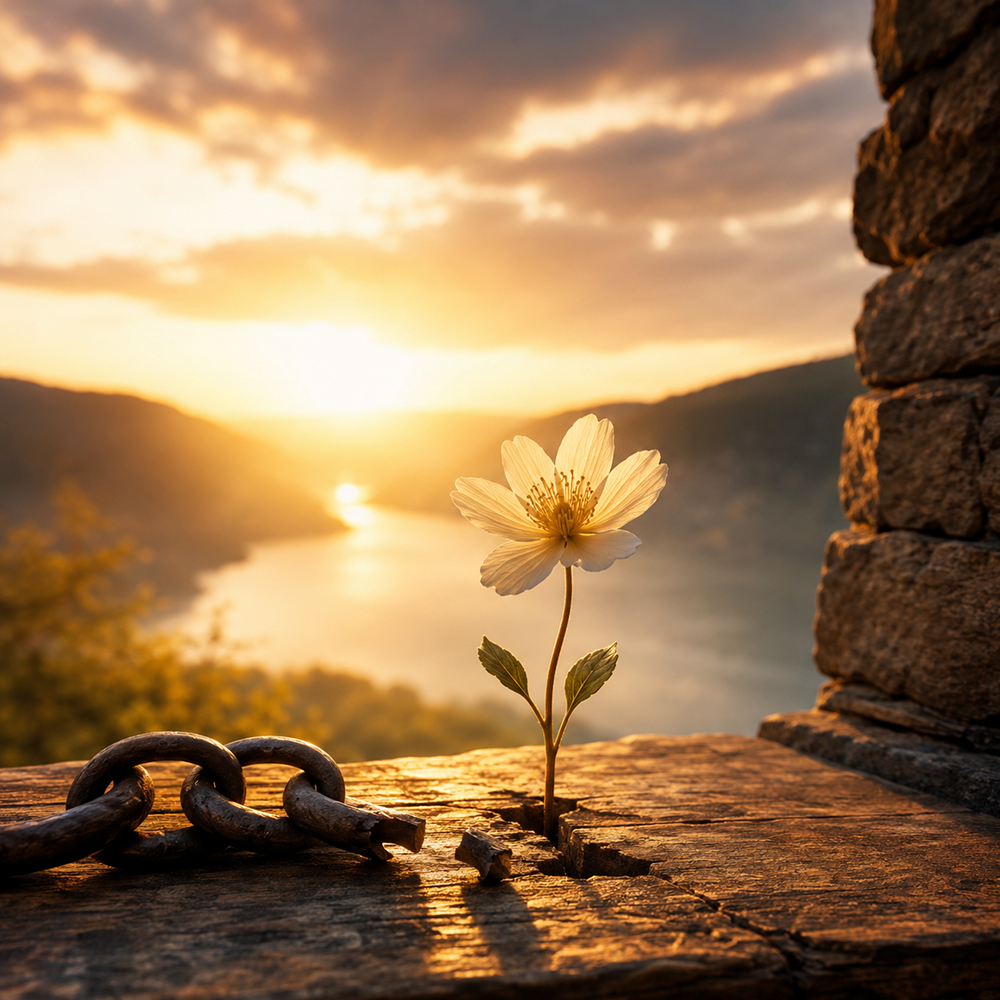
And sometimes letting something go is healthy.
Not every disagreement needs to become a battle.
Not every mistake needs to be carried forever.
Not every imperfect moment defines an entire relationship.
Grace matters.
Forgiveness matters.
Understanding matters.
But ignoring harm is not the same thing as healing harm.
Silence is not the same thing as peace.
And pretending something is okay does not make it okay.
Sometimes “keeping the peace” really means:
- “Everyone else gets to stay comfortable as long as you stay quiet.”
- “Everyone else gets to avoid accountability as long as you carry the consequences.”
- “Everyone else gets to pretend nothing happened as long as you absorb the pain.”
But that is not peace.
That is one person becoming the container for everyone else’s discomfort.
Real peace does not require someone to disappear.
Real peace does not require someone to abandon their own needs, feelings, boundaries, and well-being so nobody else has to reflect.
 Jessica Carey
Because healthy families do not protect the appearance of harmony more than the people inside the family.
They do not sweep everything under the rug until someone trips over the pile and then blame them for falling.
Sometimes the person who speaks up is labeled the problem.
The difficult one.
The dramatic one.
The one causing conflict.
The one “ruining everything.”
But pointing toward a fire is not the same thing as lighting the match.
Naming a problem is not the same thing as creating it.
Saying:
- “This hurts.”
- “This pattern is damaging.”
- “Something needs to change.”
Is not an attack on a healthy relationship.
Sometimes it is an attempt to save one.
 Jessica Carey
Because when someone truly cares about a relationship, they care about understanding how their actions impact the other person.
They care more about repairing the connection than protecting the illusion that nothing went wrong.
A healthy family does not say: “You hurt my feelings by telling me I hurt yours.”
A healthy family says: “I may not have realized that was happening, but I care enough about you to listen.”
Love does not mean never having uncomfortable conversations.
Sometimes love means having them.
With kindness.
With respect.
With humility.
With the willingness to grow.
Because a home where nobody can speak honestly is not peaceful.
It is just quiet.
A home where everyone walks on eggshells is not peaceful.
It is just controlled.
A home where one person carries everyone else’s emotions is not peaceful.
It is just imbalance.
True peace is not fragile.
It does not shatter the moment someone has a need.
It does not collapse the moment someone says: “I am hurting.”
True peace has room for honesty.
Room for repair.
Room for mistakes.
Room for growth.
Room for every person to be fully human.
Because home is not where everyone pretends nothing is wrong.
Home is where people care enough to make things right.
 Jessica Carey
Gratitude Should Not Require Self-Abandonment
Gratitude is a beautiful thing.
Recognizing kindness matters.
Appreciating what others do for us matters.
Remembering the good moments matters.
Human beings are complex, and most relationships are not made of only one thing.
Someone can have good qualities.
Someone can have beautiful moments.
Someone can have times where they tried.
And those moments can be real.
But gratitude was never supposed to require pretending pain does not exist.
It was never supposed to mean:
- “Only remember the good.”
- “Only focus on what they gave you.”
- “Never acknowledge what hurt you.”
Because a full picture requires seeing the whole story.
Not only the beautiful parts.
Not only the painful parts.
All of it.
 Jessica Carey
Someone providing for you does not mean your feelings disappear.
Someone helping you does not mean your boundaries disappear.
Someone loving you in the ways they know how does not mean there is no room to talk about the ways that caused harm.
Healthy love does not keep a scoreboard.
It does not say:
- “I did this for you, so now I own your silence.”
- “I helped you, so now you owe me unlimited access.”
- “I supported you, so you are not allowed to disagree.”
 Jessica Carey
Genuine kindness is a gift.
Not a contract someone never told you that you were signing.
When someone does something kind, appreciation is healthy.
But kindness used as a tool for control stops feeling like kindness.
Because love is not supposed to create invisible debts someone spends their whole life trying to repay.
Imagine giving a plant sunlight.
Water.
Soil.
Care.
Those things matter.
The plant needs them.
But if that plant starts wilting, we would not say: “How dare you wilt after everything the gardener did for you?”
We would ask:
- “What else does this plant need?”
- “What conditions are preventing it from thriving?”
- “What is happening beneath the surface?”
 Jessica Carey
Humans are living things, too.
Meeting one need does not erase all others.
Someone can be fed and still need kindness.
Someone can have shelter and still need safety.
Someone can be surrounded by people and still need connection.
A person is not ungrateful for having needs.
They are not selfish for needing respect.
They are not cruel for acknowledging pain alongside appreciation.
Because love does not say: “After everything I have done for you, you owe me yourself.”
Love says: “Because I care about you, I want you to be whole.”
And sometimes people struggle with this because acknowledging harm feels like erasing the good.
But both can exist.
You can appreciate what someone gave you and acknowledge what was missing.
You can recognize someone’s effort and recognize their impact.
You can understand why someone became who they are and still decide certain patterns cannot continue.
Life is rarely as simple as: “This person was all good.”
Or “This person was all bad.”
Most stories are more complicated.
But complexity does not mean ignoring reality.
It means having the courage to see all of it.
The love.
The hurt.
The intentions.
The impact.
The beautiful moments.
The broken ones.
And real love does not require disappearing.
 Jessica Carey
Home Is Where You Are Allowed to Breathe
Sometimes you do not realize how heavy something was until you finally experience what it feels like to set it down.
Sometimes you do not realize how much energy you spent surviving until you find yourself somewhere you no longer have to.
Living in survival mode for too long can affect our ability to rest, create, and reconnect with ourselves.
 Jessica Carey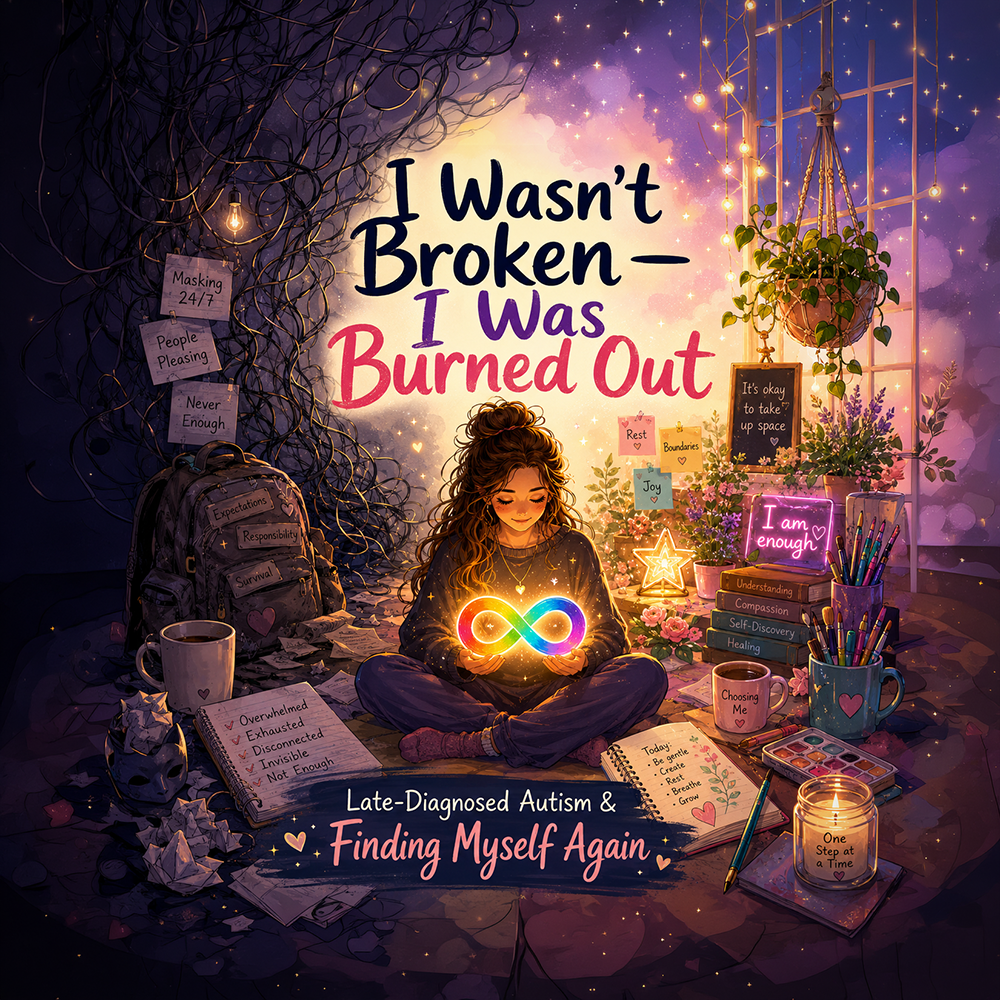
A safe home feels different.
Not because everything is perfect.
Not because nobody ever struggles.
Not because life suddenly becomes easy.
But because your nervous system finally gets the message: “I can breathe here.”
Home is not only the place where you sleep.
It is the place where you are allowed to exist.
Not as a role.
Not as a responsibility.
Not as what you can provide.
Just as yourself.
Home is where you can laugh loudly.
Cry when you are hurting.
Rest when you are tired.
Celebrate when something wonderful happens.
Ask for support when life becomes heavy.
 Jessica Carey
Home is where you are not only loved when you are easy.
When you are agreeable.
When you are helpful.
When you have no needs of your own.
Because people are not decorations.
They are not tools.
They are not objects that exist to make everyone else comfortable.
They are living beings.
And living beings need care.
A flower does not only need to provide beauty.
It also needs sunlight.
Water.
Space.
The right environment to grow.
Humans are the same.
We need places where we can receive.
Places where we can rest.
Places where we are not constantly proving that we deserve kindness.
 Jessica Carey
And sometimes home appears somewhere unexpected.
Sometimes it is not the place you grew up.
Sometimes it is not the people you share a name with.
Sometimes it is a quiet room where you finally sleep peacefully.
A conversation where someone truly listens.
A moment where someone offers kindness without asking what they will get back.
A place where your body quietly realizes: “Oh, this is what safe feels like.”
That realization can be beautiful.
And it can also be heartbreaking.
Because experiencing genuine care can bring grief for all the moments you needed it before.
Sometimes receiving kindness does not only heal the present.
It reveals what was missing in the past.
But discovering what home feels like later does not make it any less real.
You are allowed to build new connections.
Create new traditions.
Find new places of belonging.
Because home was never just a building.
It was never just a title.
It was never just proximity.
Home is created in the small moments:
The kindness freely given.
The conversations where people listen.
The apologies that rebuild trust.
The laughter that fills a room.
The quiet understanding of: “I am accepted here.”
A true home makes enough room for people to grow.
True kindness is not about creating invisible debts. It is about care freely given.
 Jessica Carey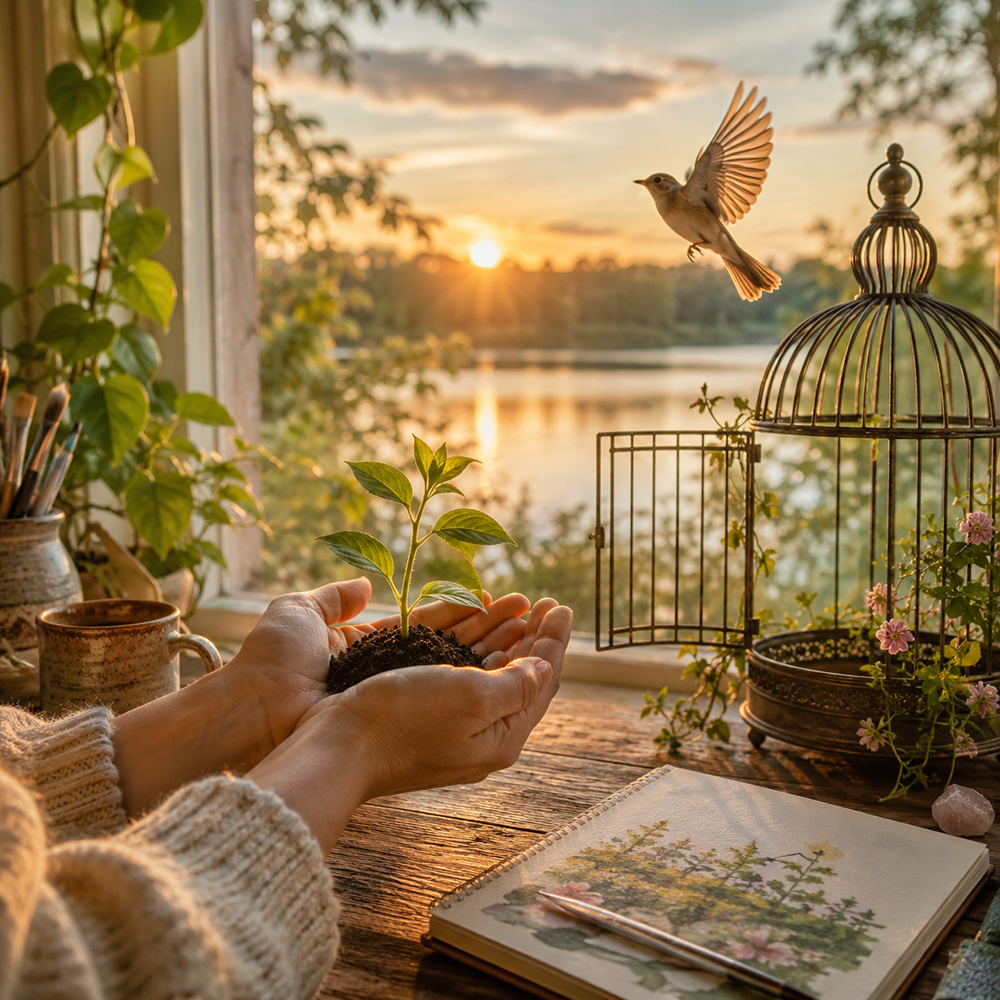
You Can Still Find Home
Sometimes realizing what home truly means comes with grief.
Grief for what you needed.
Grief for what you hoped for.
Grief for the version of things you wish existed.
Sometimes grief is not only about losing something you had.
Sometimes it is grieving something you needed but never truly received.
The version of a relationship you kept hoping would appear.
The home you kept searching for inside a place that could not provide it.
Because humans are wired for connection.
Most people do not want to walk away from places and people they love.
Most people do not want distance.
Most people do not want broken relationships.
They want things to be healthy.
They want things to change.
They want home to finally feel like home.
And sometimes it does.
Sometimes people learn.
Sometimes relationships heal.
Sometimes families choose accountability, growth, and repair.
Those stories are beautiful.
But sometimes people spend years standing outside a locked door, hoping someone else will choose to open it.
Explaining.
Waiting.
Trying harder.
Believing if they can just find the perfect words, maybe everything will finally change.
But connection requires more than one person knocking.
Relationships require participation.
A home cannot be built by only one person holding all the tools.
Sometimes healing means realizing: “I can hope this changes someday.”
And: “I cannot keep living like it already has.” can exist together.
You can love people from your past and still choose something different for your future.
You can appreciate moments that were good and still acknowledge moments that hurt.
You can wish someone healing and still protect your own.
Because finding home does not always mean returning somewhere.
Sometimes it means creating something new.
Sometimes home is found in the friendships where you are finally seen.
The communities where you belong.
The spaces where your creativity comes alive.
The quiet moments where your body finally feels safe.
The people who remind you that love can feel gentle.
 Jessica Carey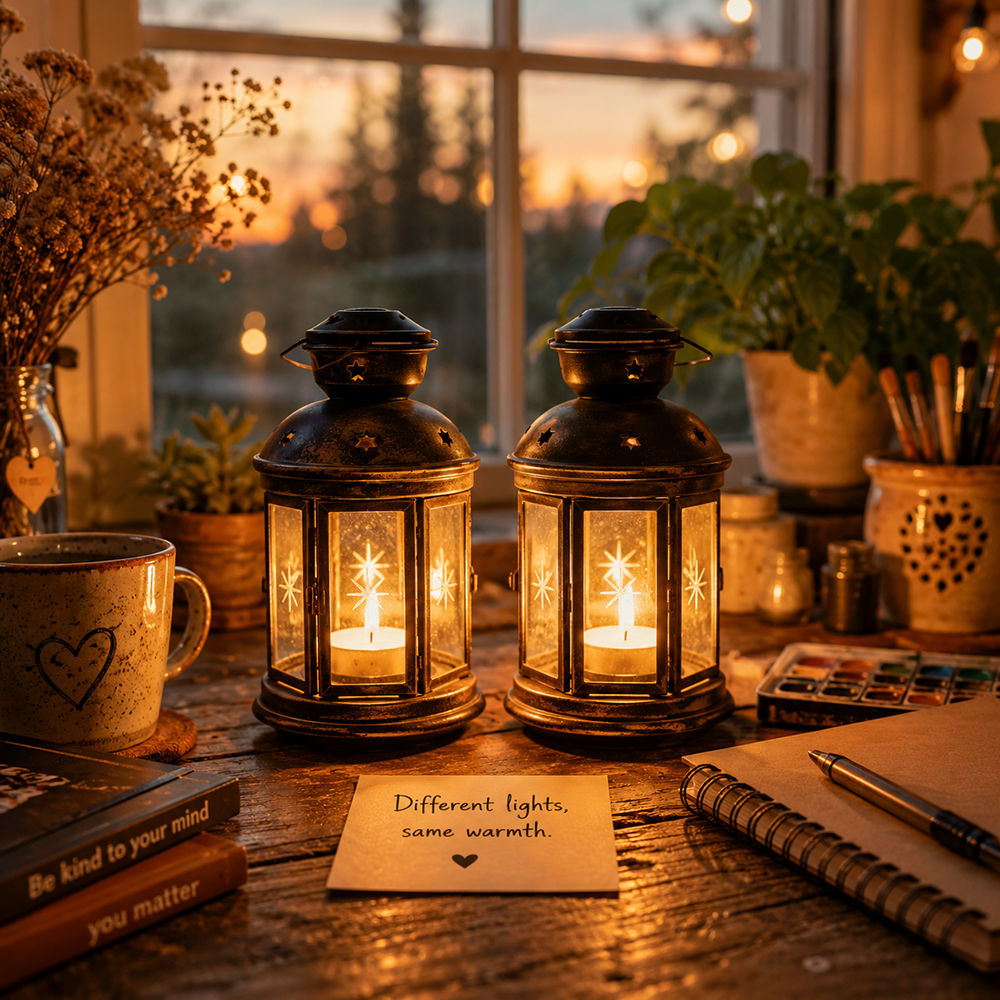
Sometimes home is a place.
Sometimes home is a person.
Sometimes home is a community.
Sometimes home is the relationship you rebuild with yourself after years of believing your needs did not matter.
Because you were never meant to be only useful.
Only convenient.
Only acceptable when you made life easier for everyone else.
You were meant to exist.
To grow.
To learn.
To rest.
To create.
To receive love, not only give it.
And maybe the most beautiful homes are not the ones that are perfect.
Maybe they are the ones where imperfect people keep choosing:
Kindness.
Understanding.
Honesty.
Respect.
Repair.
The places where someone can walk through the door, take a deep breath, and feel:
- “I am safe here.”
- “I am accepted here.”
- “I belong here.”
Because home was never just where you came from.
Sometimes home is what you find.
Sometimes home is what you build.
And sometimes, after searching for a long time, home is where you finally get to become yourself.
 Jessica Carey
Want even more content about creativity and art?
Be sure to check out all of our creative chronicles!
If you'd like to see examples of my work, you can find some of my art and creations at Redbubble and Gumroad!
Looking to learn more about my recent journey?
Check some of these articles:
-The Difference Between Resting and Giving Up
-Hidden Gems for St. Louis Artists
-Hidden Gems for Autistic & Neurodivergent Adults
-I Think I Might Be Autistic... Now What?
 Jessica Carey