
When Something Small Makes a Difference
Sometimes, the simplest creations make a greater difference than we ever anticipated.
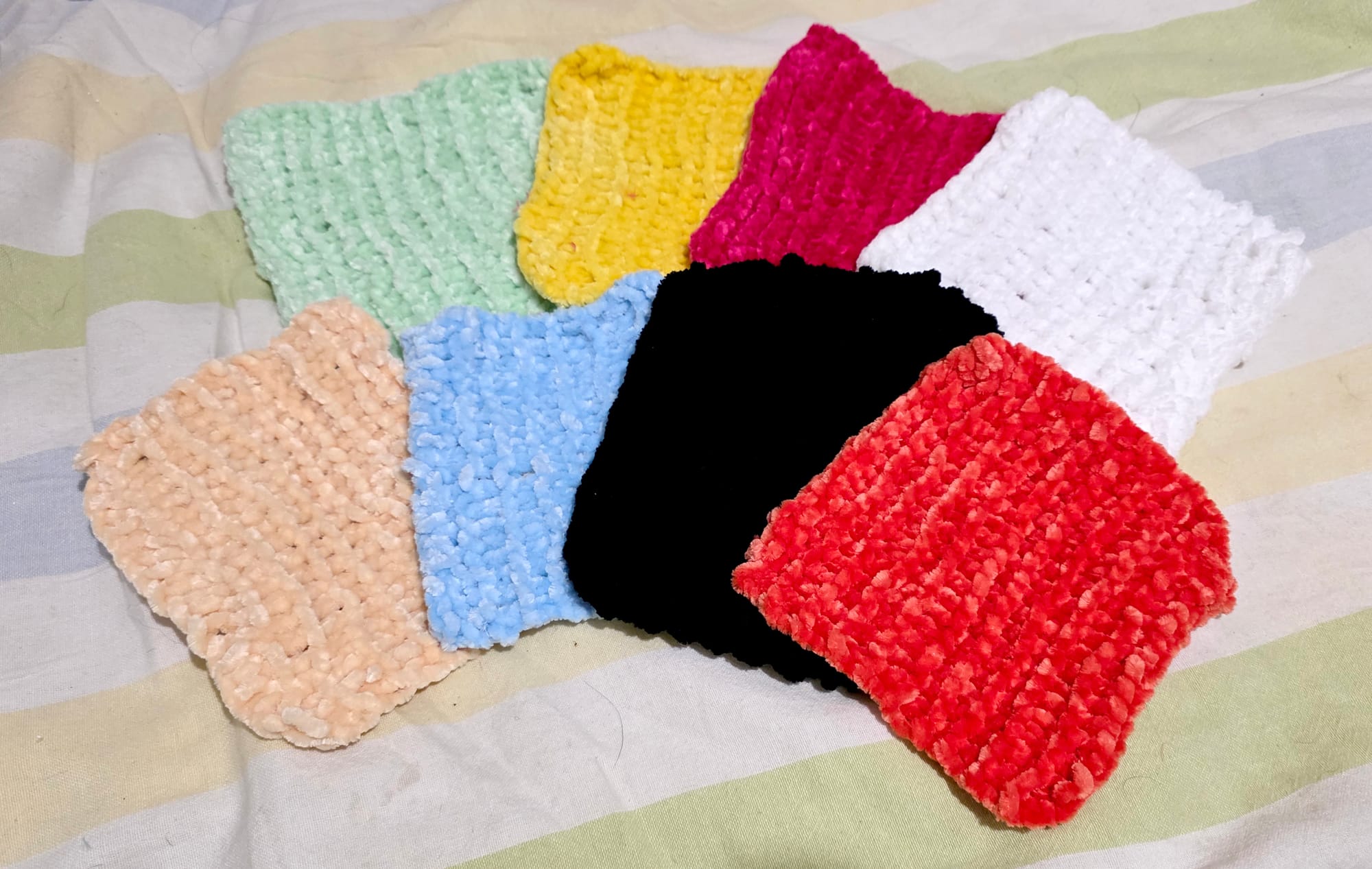
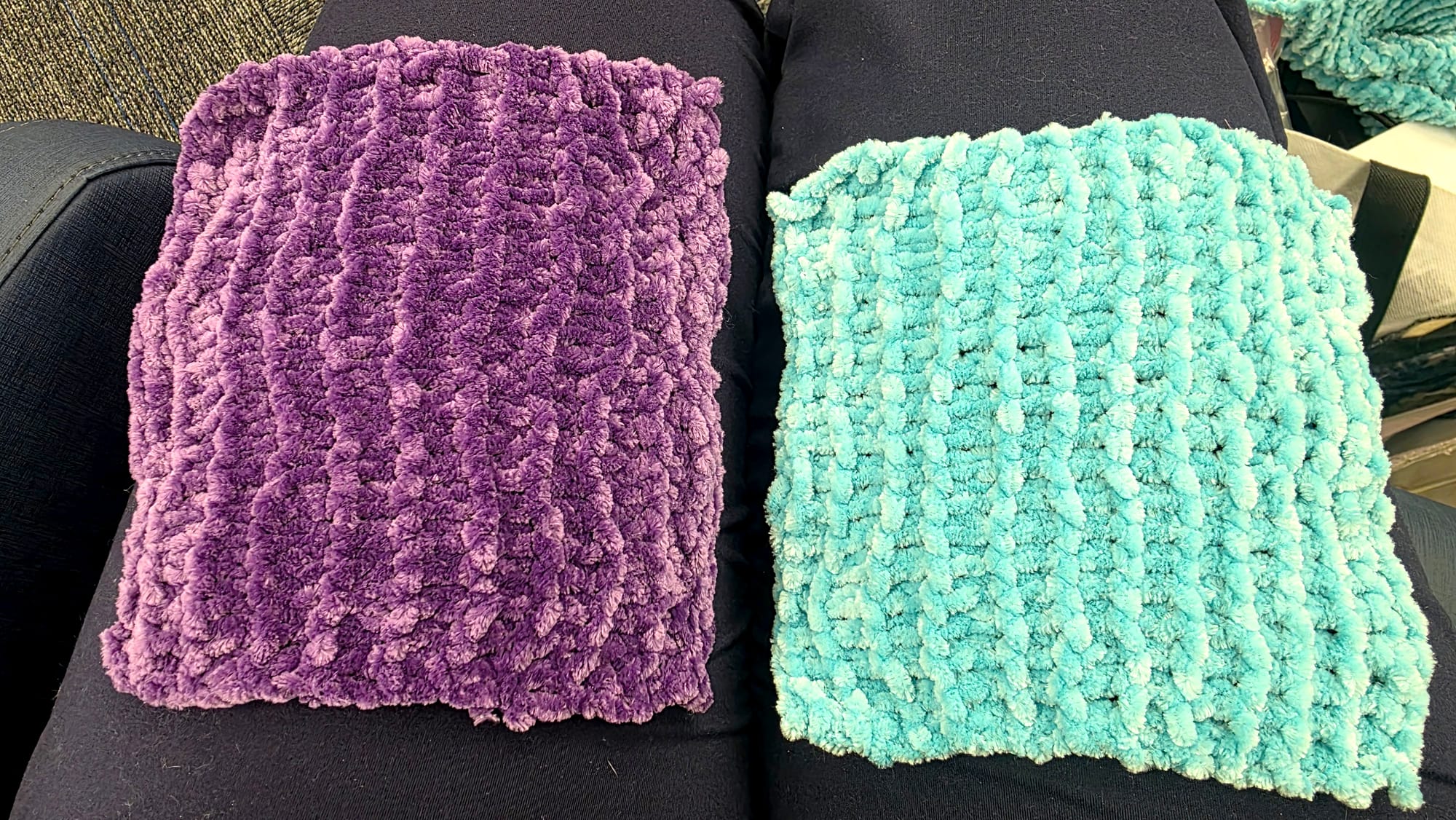
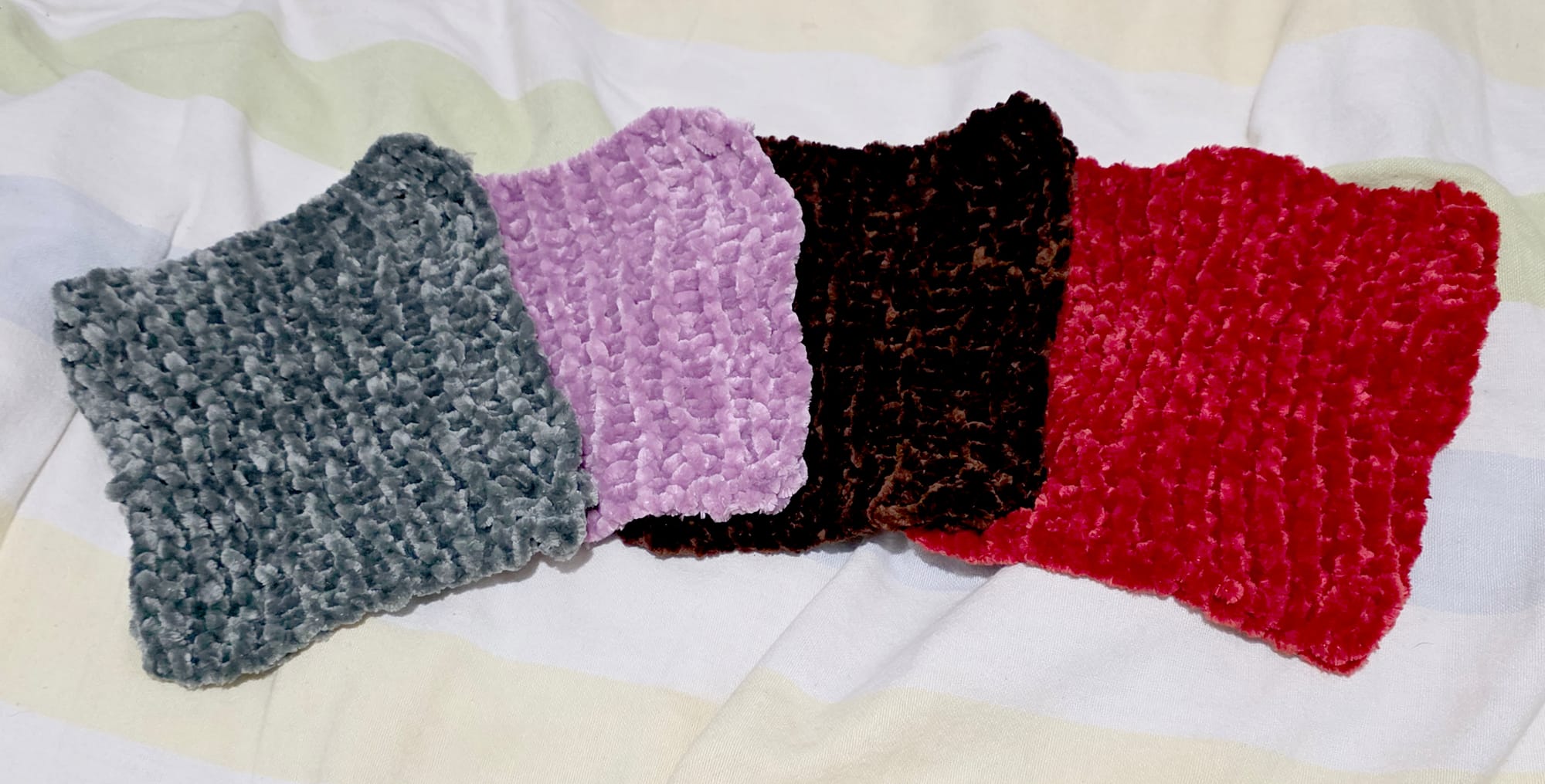
Not long ago, I knitted approximately twenty small squares using particularly soft yarn; they weren't elaborate creations, and I didn't follow a special pattern.
I simply used a basic knit stitch to make little pieces of fabric that could fit comfortably in someone's hand.
The idea came from something I've understood through personal experience: sometimes, having something soft to touch can make an overwhelming moment a little more manageable.
I've always found comfort in soft textures; there's something soothing about running my fingers over a gentle surface, feeling the fibers against my skin, or having something familiar to hold when the surrounding environment feels like too much.
As an autistic adult and former art educator, I'm also familiar with how overwhelming school environments can become.
Between the noise, movement, bright lights, social expectations, and constant demands for attention, classrooms can present significant sensory challenges.
I can't single-handedly change those environments; I can't eliminate every overwhelming sound, adjust every classroom's lighting, or ensure that every student receives the accommodations they need.
But I did learn how to knit, and I had some soft yarn, so I made sensory squares.
I shared them with a woman from my support group who had recently started teaching second grade.
My hope was simply that the squares might offer her students a little comfort when they needed it.
Later, she told me something that stayed with me.
One of her students, who happens to be neurodivergent, had become particularly attached to the soft squares; he frequently asked for one, rubbing and squishing the fabric in his hand to help himself settle.
She was delighted when I brought her more because she'd seen how much that simple piece of knitted fabric meant to him.
It wasn't a complicated sensory device; there were no electronics, specialized mechanisms, or expensive materials involved.
It was just yarn, a basic stitch, and a little time.
Yet, for that child, it had become something worth seeking out.
That experience reminded me that usefulness isn't always measured by complexity.
Sometimes, an ordinary handmade object can meet a need that more elaborate solutions overlook.
A Conversation That Opened New Possibilities
When I shared this experience with someone I'd recently connected with, she was immediately intrigued.
She wanted to know what sensory squares were, whether I sold them, whether there was a pattern available, and whether someone else could help make them.
She explained that her adult daughter enjoys knitting and coloring but faces significant barriers to traditional employment because of disabilities.
The possibility of making sensory items from home caught her attention as something that might combine creativity, accessibility, and an opportunity to earn income.
Our conversation soon expanded beyond knitted squares.
She shared concerns about the materials used in commercially manufactured squishy toys, particularly in light of her own health experiences; she was interested in exploring alternatives made from natural fibers and other materials that might better align with her preferences.
She also brought up the comfort people can experience through interactions with animals, especially the soothing sensation of petting a cat.
- But what happens when someone lives in a place where animals aren't allowed?
- Or when a classroom, hospital, or other setting makes animal companionship impractical?
- Could a soft handmade object offer at least some of that tactile comfort?
That question opened the door to all kinds of possibilities.
That conversation opened possibilities ranging from knitted and crocheted textures to fabric pouches, sensory blankets, animal-inspired comfort objects, and creations made from reclaimed textiles.
The more we discussed it, the more I realized that sensory comfort doesn't have to come in one particular form.
And it doesn't necessarily have to come from a store.
Looking Beyond the Conventional Sensory Toy
Many people associate sensory tools with brightly colored fidget toys, stretchy objects, squishy foam figures, or commercially manufactured products marketed specifically for sensory needs.
Those items can certainly be useful for some people, but they aren't the only options, and they don't suit everyone's preferences.
Some people prefer natural fibers.
Others enjoy heavier objects, textured fabrics, or materials that offer gentle resistance when squeezed.
Some find particular synthetic textures unpleasant, while others actively seek them out.
There are also practical questions worth considering:
- What materials are being used?
- How easily can an item be cleaned?
- Will it withstand repeated handling?
- Is it appropriate for the person using it?
- Could something similar be made from materials already available?
Natural materials aren't automatically safer than synthetic ones, and handmade objects still require thoughtful attention to durability, hygiene, and potential hazards.
But exploring different materials can offer greater choice and help people find options suited to their individual needs.
This is where creativity becomes particularly interesting.
A leftover ball of yarn might become a comforting sensory square.
Fabric scraps might become a textured patchwork object.
A worn but clean cotton garment might find new purpose as the outer layer of a handmade comfort item.
Materials that might otherwise be overlooked can become opportunities for experimentation, connection, and care.
And sometimes, those experiments begin with a very simple question: what could this become?
In this article, I want to explore the role of tactile experiences in sensory comfort, the possibilities offered by natural and upcycled materials, and some of the ways handmade objects can support accessibility and connection.
We'll also look at practical considerations, including material safety, different textures and fillings, and the potential for creative activities to become more accessible opportunities for people whose circumstances make traditional work difficult.
Because sometimes, a small piece of knitted fabric is more than just a square.
Sometimes, it's a reminder that meaningful support can begin with what we already have.
Understanding Sensory Comfort: Why Texture Matters
Touch is one of the ways we experience and interact with the world.
From the softness of a favorite blanket to the roughness of an unfamiliar fabric, different textures can influence how comfortable, calm, or overwhelmed we feel.
But sensory experiences aren't universal; what feels soothing to one person may be irritating or even distressing to another.
Sensory Seeking, Avoidance, and Individual Preferences
Some people actively seek certain sensory experiences.
They might enjoy rubbing soft fabrics, squeezing objects, running their fingers over textured surfaces, or feeling gentle pressure against their skin.
These repetitive movements can provide predictable sensory input that helps them feel more settled.
Others experience heightened sensitivity to particular textures.
Scratchy clothing, sticky substances, unexpected touch, or certain synthetic materials may feel intensely uncomfortable.
It's also possible to experience both sensory seeking and sensory avoidance; someone might love the softness of cotton while finding wool unbearable, or enjoy firm pressure while disliking light, unexpected touch.
These preferences aren't limited to autistic people or those with ADHD; everyone has sensory preferences.
However, research has documented differences in sensory processing among autistic individuals, including heightened or reduced responsiveness to sensory input.
For some, these differences can significantly affect daily activities and participation in everyday environments.
How Tactile Experiences Can Support Regulation
Sensory regulation involves responding to sensory input in ways that help the nervous system maintain or regain a manageable level of alertness.
For some people, touching a familiar object provides a predictable sensation amid an unpredictable environment.
Repeatedly squeezing a soft object or rubbing a textured surface may help with concentration, emotional regulation, or managing stress.
This helps explain why a small knitted square might become so meaningful to a child navigating a busy classroom.
The square doesn't eliminate the noise, movement, or demands surrounding him, but it offers something familiar and comforting that he can engage with when needed.
Importantly, sensory tools aren't cures, and their effectiveness varies from person to person.
They are one possible form of support, not a substitute for accommodations or addressing overwhelming environments.
Comfort Doesn't Have an Age Limit
Although sensory tools are frequently marketed toward children, tactile comfort can be valuable throughout life.
Adults may enjoy soft blankets, textured clothing, worry stones, or other objects they can manipulate with their hands.
Older adults may appreciate tactile blankets or familiar fabrics, particularly when those objects provide enjoyable sensory engagement.
The specific object matters less than how it feels to the person using it.
Ultimately, sensory comfort is about choice, individual needs, and having access to experiences that feel supportive rather than overwhelming.
And that raises another question: what makes something as simple as a handmade sensory square useful, and how might its design be adapted to different preferences?
 Jessica Carey

The Sensory Squares: A Simple Idea With Unexpected Reach
One of the things I appreciate most about the knitted sensory squares is their simplicity; they don't require advanced knitting skills, specialized equipment, or complicated patterns.
The squares I made were small enough to fit comfortably in a hand or pocket, using a basic knit stitch and particularly soft yarn.
Their purpose wasn't to look impressive; it was to provide something pleasant to touch, hold, rub, or gently squeeze.
That simplicity also makes the idea remarkably adaptable.
Exploring Different Stitches and Textures
Knitting and crochet offer numerous possibilities for creating tactile variety without adding extra components.
For example:
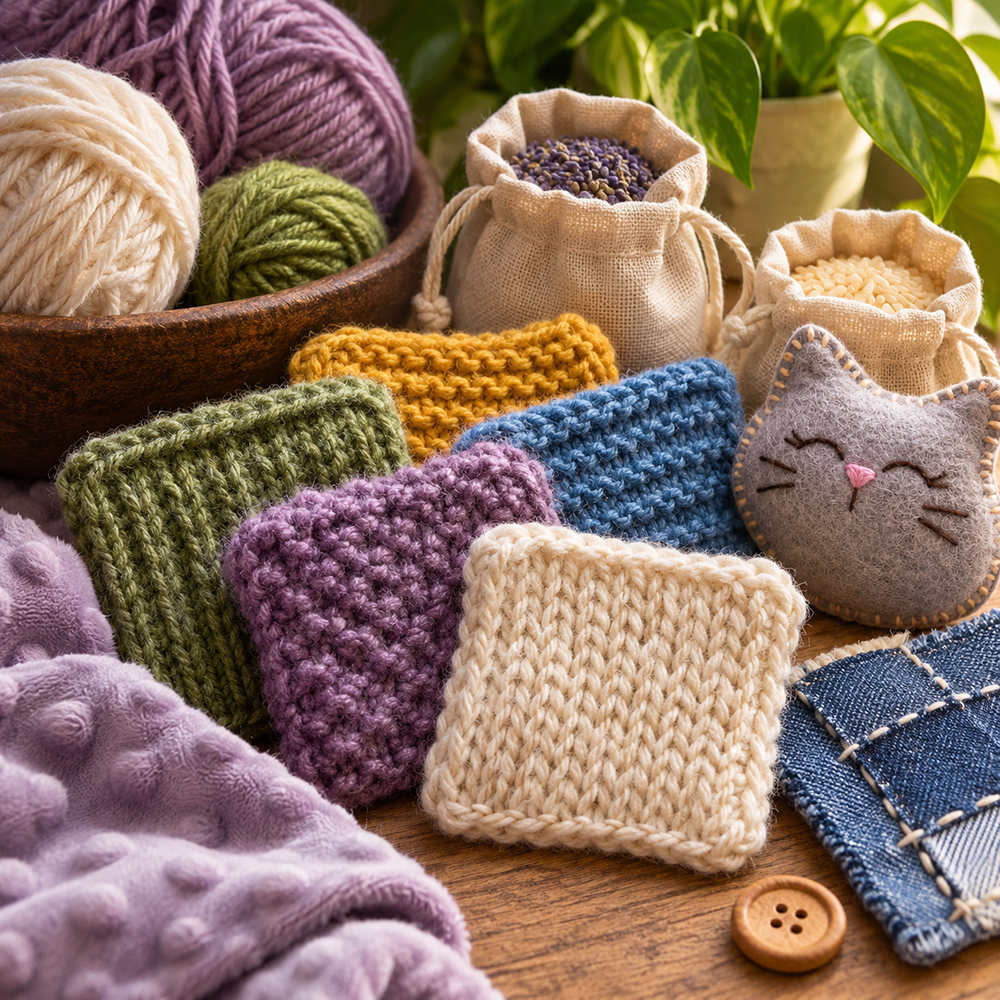
- Garter stitch: Creates soft, raised ridges that fingers can follow.
- Stockinette stitch: Produces a smoother surface on one side and a bumpier texture on the other.
- Seed stitch: Alternates knit and purl stitches to create small, textured bumps.
- Ribbing: Creates stretchy, raised columns that offer a different tactile experience.
- Crochet stitches: Can produce everything from dense, sturdy textures to softer, more flexible surfaces.
Even changing the yarn can significantly affect how a finished square feels.
Cotton, wool, bamboo-derived yarns, and other fibers offer different combinations of softness, texture, weight, and stretch.
The important consideration isn't which stitch or material is objectively best, but which feels comfortable to the individual.
Small, Portable, and Personal
Travel-sized sensory squares have several practical advantages; they're lightweight, relatively inexpensive to make, and easy to tuck into a pocket, bag, or desk.
Depending on the materials used, they may also be washable and durable enough for repeated handling.
Different colors, stitches, yarn weights, and shapes can provide opportunities for personalization without making the design unnecessarily complicated.
And because the basic concept is accessible to beginners, sensory squares can also become a creative activity for individuals or groups interested in making something useful for themselves or others.
Sometimes, thoughtful design isn't about adding more features; it's about recognizing what already works and exploring how a simple idea can meet different needs.
Rethinking Sensory Materials: Natural, Synthetic, and Upcycled Options
When exploring sensory tools, we often focus on how something feels, but what about the materials themselves?
Many commercially manufactured sensory toys use synthetic foams, plastics, gels, or rubber-like materials.
While these products can be useful, some people prefer alternatives because of sensitivities, environmental concerns, or questions about chemical exposure.
This raises an interesting possibility: what if we looked beyond conventional sensory toys and explored materials already available in our homes and communities?
Natural Doesn't Automatically Mean Safer
Cotton, linen, wool, and hemp can offer appealing textures and alternatives to some synthetic materials.
However, natural fibers aren't automatically safer.
Material safety depends on factors such as chemical treatments, dyes, manufacturing processes, allergies, durability, and how an item is used.
For example, wool may feel wonderfully soft to one person but irritating to another.
Natural latex can cause allergic reactions, while some synthetic fabrics may be comfortable, washable, and appropriate for repeated use.
Similarly, concerns about potentially harmful substances in plastic products should be evaluated based on specific materials and exposure.
The goal isn't to label every material as good or bad; it's to make informed choices based on individual needs and available evidence.
Exploring Natural Fibers and Everyday Materials
Different materials offer different tactile experiences:
- Cotton: Often soft, breathable, and relatively easy to wash.
- Linen: Typically firmer, with a distinctive woven texture.
- Wool: Can provide warmth, softness, or a more pronounced texture depending on its preparation.
- Hemp: Often sturdy, with a texture that may soften through use.
- Fabric remnants: Offer opportunities to combine different textures while reducing waste.
The possibilities extend beyond fibers.
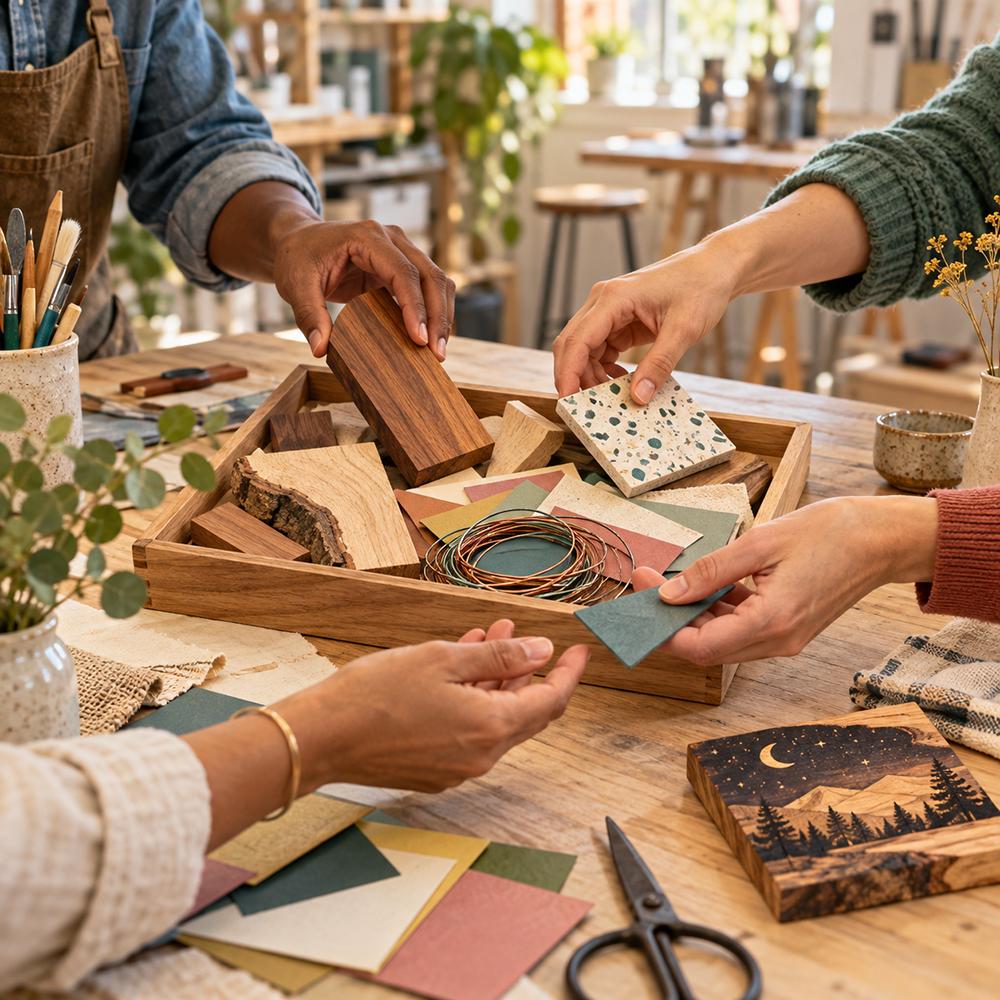
Clean fabric scraps, leftover yarn, and suitable reclaimed textiles can become the foundation for handmade sensory objects.
Creative Reuse as an Opportunity
This connects directly to something I frequently explore through my Materials Lab: finding new possibilities in overlooked materials.
A leftover ball of yarn might become a sensory square.
Cotton fabric remnants could become a textured pouch.
Small pieces of flannel might be transformed into a comforting handmade object.
Of course, reclaimed materials should be clean, structurally sound, and appropriate for their intended use.
Unknown coatings, deteriorating fabrics, and potentially hazardous components are best avoided.
But with thoughtful selection, creative reuse can make sensory exploration more affordable, accessible, and environmentally conscious.
The question isn't simply whether a material is natural or synthetic; it's whether that material is suitable, comfortable, and thoughtfully chosen for the person using it.
 Jessica Carey
Handmade Sensory Ideas: Exploring Different Textures and Fillings
One of the exciting things about handmade sensory objects is how many possibilities exist beyond commercially manufactured toys.
Different fibers, stitches, fillings, and construction methods can create entirely different tactile experiences.
Even familiar household materials can become opportunities for experimentation.
Here are several approaches worth exploring.
Soft and Textured: Knitted and Crocheted Creations
The same techniques used to make sensory squares can be adapted into textured strips, small cushions, soft balls, and other handheld creations.
Combining different stitches, yarn weights, and fiber textures allows makers to explore a variety of tactile experiences within a single object.
Yarn selection also matters; some people prefer silky, smooth fibers, while others enjoy fluffy, thick, or more structured textures.
Heavier and Shifting: Fabric Sensory Pouches
Small fabric pouches filled with dry materials can provide a different experience from ordinary stuffed objects.
Rice, dried beans, lentils, and similar materials shift when handled, creating gentle resistance and movement.
Different fillings can produce different weights, sounds, and sensations.
A securely sewn inner pouch with a removable, washable outer cover could make cleaning easier.
However, loose fillings introduce risks if seams fail, particularly for young children or people who may put objects in their mouths.
Such designs require careful construction and aren't appropriate for every setting.
Squishy and Soft: Handmade Plush Objects
Knitted or crocheted shapes can also be filled with soft materials to create squeezable comfort objects.
Cotton batting, wool stuffing, and clean fabric scraps offer different levels of firmness and resistance.
A loosely filled object may feel more flexible, while denser stuffing creates a firmer surface.
Small cushions, soft spheres, or simple animal shapes could provide comforting tactile experiences without complicated construction.
Interactive Textures: Sensory Blankets and Fabric Panels
Sensory objects don't have to fit in someone's hand.
My cousin's girlfriend previously made sensory lap blankets for older adults, incorporating different textures and interactive fabric elements.
Similar creations might combine smooth cotton, soft fleece, ribbed knitting, quilted sections, or fabric ties.
Some designs also incorporate buttons, zippers, and other manipulable components.
However, detachable pieces and fasteners can introduce safety concerns, especially for children or people who may mouth objects. Securely stitched fabric textures are often a more suitable starting point.
Animal-Inspired Comfort Objects
For people who find animals soothing but cannot have them nearby, handmade animal-inspired objects offer another possibility.
A soft cat-shaped cushion, knitted paw, or small crocheted companion might provide a familiar shape and pleasant texture.
These creations cannot reproduce the companionship of a living animal, but they may offer some tactile comfort, particularly when made from materials the individual enjoys.
Experimenting With Purpose
The possibilities are extensive, but more complicated doesn't necessarily mean more effective.
A useful starting point is identifying the desired sensation: softness, firmness, texture, movement, or gentle resistance.
From there, materials and construction methods can be selected to suit the individual.
A design suitable for an adult may not be appropriate for a young child or someone who frequently puts objects in their mouth.
Age, abilities, supervision needs, and how an object will actually be used should guide its construction.
The goal isn't to create the most elaborate sensory object; it's to create something comfortable, practical, and appropriate for the person who will use it.
What About Homemade Stress Balls and Squishy Toys?
Squishy toys and stress balls are popular sensory objects because they provide a different experience from simply touching soft fabric.
Rather than offering only surface texture, these objects respond to pressure; they can be squeezed, compressed, and manipulated, providing tactile feedback that some people find calming or satisfying.
But do these objects have to be commercially manufactured?
Exploring Homemade Alternatives
Traditional DIY stress balls often involve filling balloons with flour, cornstarch, rice, or similar materials.
Each filling creates a different sensation.
Flour and cornstarch can produce a soft, moldable consistency, while rice and other grains create a more textured, shifting sensation.
Other possibilities include fabric-covered cushions, knitted or crocheted shapes with flexible stuffing, and small handmade objects designed to compress when squeezed.
Even the outer material changes the experience.
Stretchy fabric, tightly knitted yarn, and soft cotton each respond differently to pressure.
These variations offer opportunities to experiment with tactile preferences using relatively familiar materials.
Considering Safety and Durability
Not every homemade sensory object is suitable for children or repeated use.
Balloons can rupture, releasing their contents and creating choking hazards.
Fine powders may become airborne if a container breaks, while grains and other organic fillings can absorb moisture and deteriorate.
Fabric isn't automatically leakproof, either.
Flour or cornstarch can escape through loosely woven materials, and even double-layered designs may eventually fail.
For objects intended for frequent handling, especially in classrooms, securely sewn fabric exteriors with appropriate soft stuffing may be more practical than balloons or loose powders.
Washability, seam strength, allergies, and the intended user's age and abilities should all influence material choices.
An object made for personal experimentation isn't necessarily suitable for classroom distribution or commercial sale; those uses may introduce additional safety, hygiene, supervision, and regulatory considerations.
Choosing the Experience, Not Just the Appearance
The appeal of a squishy object isn't necessarily its bright colors or unusual shape.
Often, it's the sensation of applying pressure and feeling the material respond.
Understanding that experience opens the door to alternatives that don't need to imitate commercial toys exactly.
A handmade sensory object doesn't have to recreate every feature of a store-bought squishy; it only needs to offer a tactile experience that is comfortable, useful, and appropriate for its intended user.
Sensory Comfort and Our Connection With Animals
For many people, sensory comfort doesn't come from an object at all; it comes from interacting with another living being.
The softness of an animal's fur, the warmth of their body, and the repetitive motion of gently petting them can create a soothing sensory experience.
This is one reason animals are sometimes incorporated into therapeutic and supportive environments.
The Comfort of Animal Companionship
Research suggests that positive interactions with animals can help reduce perceived stress and promote relaxation.
The benefits may involve several factors, including physical touch, companionship, emotional connection, and opportunities for calm, repetitive activity.
Of course, not everyone finds animals comforting.
Allergies, fear, sensory sensitivities, and personal preferences all influence these experiences.
As someone who has always loved cats, I particularly appreciate their softness, warmth, and companionship.
There's something wonderfully comforting about having a relaxed cat nearby, especially when they're purring contentedly.
What About the Healing Frequencies of Cat Purrs?
Cat purring produces low-frequency vibrations that people can feel while holding or petting a cat.
These vibrations have potential healing properties, including effects on bones, muscles, and tissue repair.
The gentle vibration, familiar sound, and connection with a beloved animal may still provide genuine comfort without needing to attribute unproven medical effects to specific frequencies.
When Animals Aren't an Option
Unfortunately, access to animals isn't always possible.
Apartments may prohibit pets, while schools, hospitals, and other facilities may restrict animals for practical, safety, or hygiene reasons.
This raises an interesting creative question: could handmade objects offer some of the sensory qualities people appreciate about animals?
A soft cat-shaped cushion, knitted companion, or textured fabric object cannot replace the relationship with a living animal.
However, it might provide a comforting surface to touch, squeeze, or hold.
For someone who finds soft fur soothing, a carefully selected fabric might offer a similarly pleasant tactile experience.
The goal isn't to replace animals, but to explore additional ways of making sensory comfort accessible when animal companionship isn't available.
Accessibility Is About More Than the Object
Sensory tools can provide meaningful comfort, but accessibility involves more than giving someone an object to hold.
A soft knitted square might help a student navigate an overwhelming classroom, but it doesn't eliminate excessive noise, harsh lighting, crowded spaces, or other environmental stressors.
This distinction matters because supporting someone's ability to cope shouldn't replace efforts to make environments more accommodating.
Accommodations Should Address the Environment, Too
When someone struggles in a particular setting, the focus often falls on helping that individual adapt.
But sometimes, the environment itself needs to change.
For example, a student who becomes overwhelmed by classroom noise might benefit from a sensory object, but they might also need access to a quieter space, reduced auditory distractions, or opportunities for movement and breaks.
Similarly, an adult experiencing sensory overload at work may benefit from a comforting object while still needing adjustments to lighting, noise levels, scheduling, or other workplace conditions.
Sensory tools can complement these accommodations, but they shouldn't become substitutes for them.
 Jessica Carey

Choice, Consent, and Individual Needs
Another important aspect of accessibility is recognizing that people experience sensory input differently.
A particular texture might feel wonderful to one person and unbearable to another.
Even an object designed with comfort in mind can cause distress if someone is pressured to use it.
Offering choices allows individuals to explore what works for them without assuming that everyone needs the same solution.
Sensory supports should be offered rather than imposed, with each person free to accept, decline, or stop using an object at any time.
This includes respecting someone's decision not to touch or use a particular material.
Accessibility isn't about finding one perfect sensory tool; it's about creating opportunities for people to meet their needs in ways that respect their preferences and autonomy.
Making Sensory Supports Practical and Inclusive
Thoughtful design also considers how an object will be used.
- Can it be cleaned easily?
- Is it durable enough for repeated handling?
- Does it contain loose parts or materials that could pose risks?
- Is it appropriate for the person's age, abilities, and environment?
For shared settings such as classrooms, washable objects with secure construction and minimal detachable components may be especially practical.
Affordability and availability matter, too.
Handmade sensory items can offer opportunities to create personalized supports without requiring expensive specialized products.
Ultimately, accessibility isn't about making everyone comfortable in exactly the same way; it's about recognizing different needs and creating environments where people have meaningful options for meeting them.
Creating From Home: Sensory Crafts as an Accessible Creative Opportunity
One of the unexpected directions my conversation took was the possibility of handmade sensory objects becoming a source of income.
The woman I was speaking with explained that her adult daughter enjoys knitting and coloring but faces barriers to traditional employment because of disabilities.
She wondered whether making sensory items from home might offer an opportunity to use those creative skills while accommodating her circumstances.
It's a possibility worth exploring, especially when conventional workplaces aren't designed around everyone's needs.
Building on Existing Skills
Knitting, crochet, sewing, and other fiber arts can be adapted to different interests, abilities, and energy levels.
Someone who enjoys working with color might create coordinated sets of sensory squares.
Another person might prefer experimenting with stitch patterns, fabric combinations, or small stuffed objects.
Because many of these projects can be completed in stages, they may offer more flexibility than work requiring fixed hours or continuous activity.
However, flexibility doesn't automatically make an activity accessible.
Repetitive movements, material costs, deadlines, and the demands of selling products can introduce challenges of their own.
Starting Small Without Unnecessary Pressure
For someone interested in exploring sensory crafts as a potential business, starting with a few simple designs may be more manageable than immediately developing an extensive product line.
Small batches can provide opportunities to evaluate materials, production time, durability, and customer interest before making larger commitments.
Products designed or marketed for children may be subject to specific safety standards, testing, certification, and labeling requirements.
In the United States, the Consumer Product Safety Commission explains that children's products covered by applicable safety rules must meet those requirements, even when they're handmade or produced by small businesses.
Certain testing exceptions may apply, but they don't automatically eliminate the responsibility to comply with applicable safety standards.
And importantly, a creative activity doesn't have to generate income to have value.
Making something for personal enjoyment, sharing it with others, or experimenting without a commercial goal are equally meaningful possibilities.
Creativity Should Accommodate the Creator
Perhaps the most important consideration is whether an opportunity genuinely fits the person pursuing it.
Accessible creative work should allow room for individual strengths, limitations, preferences, and changing capacity rather than recreating the same pressures that make conventional employment difficult.
For some people, selling handmade sensory objects might become a manageable source of supplemental income.
For others, the greater benefit may come from creative expression, connection, or simply enjoying the process.
Neither outcome is inherently more valuable.
The opportunity lies not only in what someone can create, but in finding ways to participate that respect their needs and circumstances.
 Jessica Carey

From Scraps to Support: Creative Reuse and Community Care
One of the ideas that continually shapes my creative practice is that useful possibilities often exist in places we overlook.
A leftover ball of yarn, a fabric remnant, or an unfamiliar material might not seem particularly significant on its own, but with a little curiosity and experimentation, something ordinary can become meaningful to someone else.
This philosophy is central to my Materials Lab, where I explore creative possibilities using samples, scraps, surplus materials, and other resources that might otherwise go unused.
Sensory objects offer another opportunity to put that philosophy into practice.
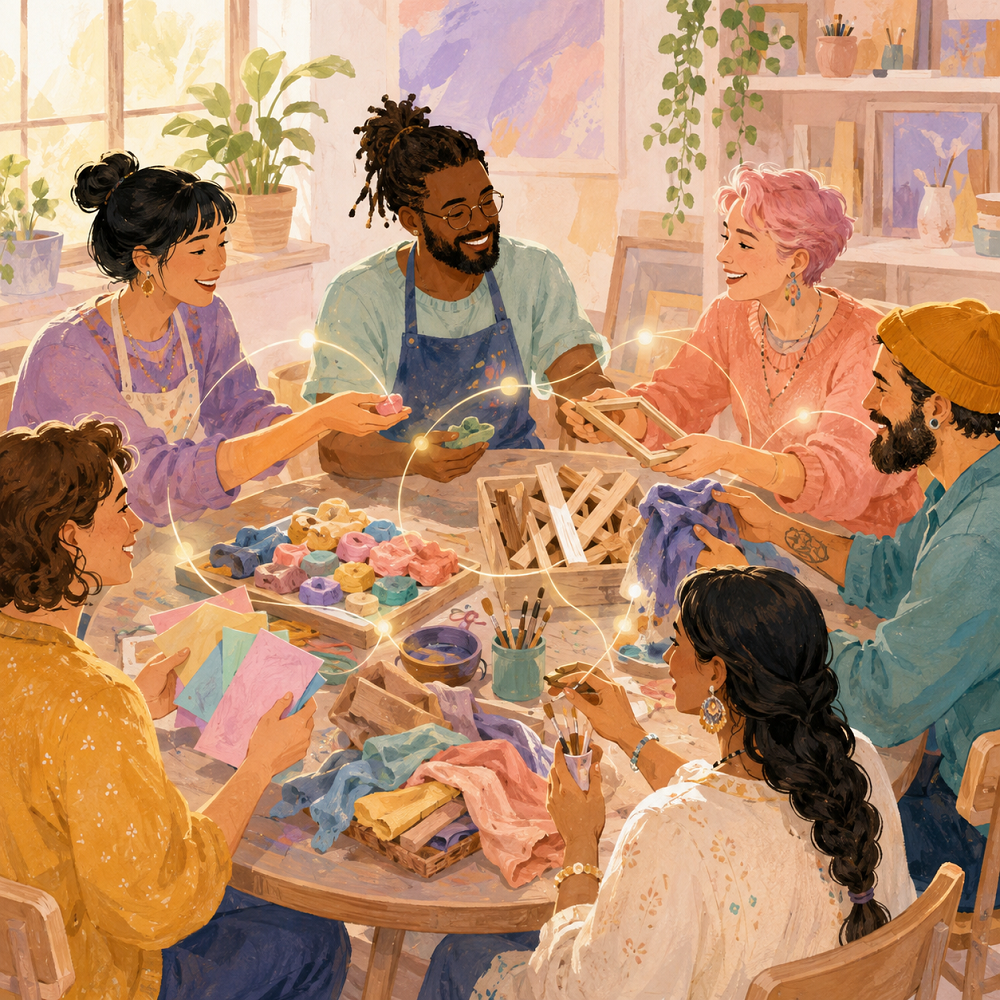
Sharing Resources, Skills, and Possibilities
Not everyone has access to specialized sensory products, expensive craft supplies, or the knowledge needed to make particular objects.
But creativity doesn't have to happen in isolation.
Someone might have leftover yarn.
Another person might know how to crochet. Someone else might have sewing experience, access to fabric remnants, or an understanding of particular sensory needs.
When those resources and experiences are shared, possibilities expand.
My original sensory squares were simply something I could make with the skills and materials available to me, but sharing that experience sparked a conversation about other designs, different materials, and opportunities for someone else to participate.
That's one of the beautiful things about creativity: an idea doesn't have to remain with the person who first explored it.
 Jessica Carey
Creativity as Community Care
This also connects to the vision behind the Everyone Creates Project: making creative opportunities, materials, and experiences more accessible to people with different needs and circumstances.
Community care doesn't always require elaborate programs or large financial investments.
Sometimes, it begins with noticing an unmet need, sharing a skill, offering available materials, or helping someone explore a possibility they hadn't previously considered.
Of course, small acts of generosity cannot replace accessible services, adequate financial support, or broader systemic changes, but they can still make meaningful differences in people's everyday experiences.
Sometimes, the greatest potential of an ordinary material isn't simply what we can make from it, but what becomes possible when we share it.
 Jessica Carey

Getting Started: A Gentle Invitation to Experiment
Exploring handmade sensory objects doesn't require an extensive collection of supplies or advanced crafting skills.
Sometimes, the best place to begin is with a single material and a little curiosity.
Start With the Sensory Experience
Before choosing a project, consider what kind of sensation might be enjoyable or comforting.
- Is the preference for something soft and smooth?
- Firm and squeezable?
- Textured, stretchy, or slightly weighted?
There isn't one correct answer; sensory preferences are individual, and experimentation can help reveal what feels best.
Work With What You Have
Look through available yarn, fabric remnants, or other suitable materials.
A small knitted square, crocheted swatch, or securely sewn fabric cushion can be a manageable starting point.
There's no need to create multiple designs immediately.
Making one simple sample provides an opportunity to explore how the material feels and responds to handling.
Consider durability, washability, and safety from the beginning, especially if the object will be shared with children or used in a classroom.
Experiment, Observe, and Adapt
Once a sample is finished, notice what works.
- Does the texture feel pleasant?
- Is the object comfortable to hold?
- Would a different stitch, fabric, size, or firmness improve the experience?
If making something for another person, invite their feedback rather than assuming what they'll enjoy.
And remember, an experiment doesn't have to become a finished product to be worthwhile.
Discovering that a particular texture isn't comfortable can be just as informative as finding one that is.
The goal isn't perfection or productivity; it's curiosity, thoughtful experimentation, and discovering what brings comfort.
Sometimes Comfort Begins With What We Already Have
When I first knitted those little sensory squares, I wasn't trying to develop a new product or solve a complicated problem.
I simply knew that soft textures had brought me comfort, and I wondered whether something I could make might offer that same comfort to someone else.
I couldn't have anticipated how much one student would appreciate those squares or how sharing that experience would spark conversations about natural materials, accessibility, creative opportunities, and community care.
But perhaps that's part of what makes creativity so meaningful.
An ordinary material can become something useful.
A simple skill can help meet an overlooked need.
And an idea shared freely can inspire possibilities beyond anything its original creator imagined.
Not every sensory tool will work for every person, and handmade objects aren't substitutes for the accommodations, services, and support people need.
But thoughtfully created objects can still offer meaningful moments of comfort and connection.
We don't always need elaborate equipment, expensive supplies, or perfectly developed plans to begin making a difference.
Sometimes, we can start by noticing what's needed, considering what's available, and experimenting with what might help.
Because sometimes, making a difference begins with something as simple as a little yarn, a pair of knitting needles, and the willingness to care.
Want even more content about creativity and art?
Be sure to check out all of our creative chronicles!
If you'd like to see examples of my work, you can find some of my art and creations at Redbubble and Gumroad!
Looking to learn more about my recent journey?
Check out some of these articles:
-Hidden Gems for St. Louis Artists
-Hidden Gems for Autistic & Neurodivergent Adults
-Learning What Love Was Supposed to Feel Like
-The Difference Between Resting and Giving Up
-What Chronic Autistic Burnout Actually Feels Like
-Building a Life from What Remains
 Jessica Carey