

When people hear the word "safety," they often think about physical protection.
Seatbelts.
Smoke detectors.
Locked doors.
Helmets.
Emergency plans.
Those things matter.
They help protect our bodies.
But healthy relationships require another kind of safety—one we cannot always see, yet one that shapes nearly every part of our lives.
There is a kind of safety that allows people to speak honestly.
To ask questions.
To make mistakes.
To say: "I don't know."
To say: "I need help."
To say: "I see this differently."
To be fully human without constantly wondering whether their humanity will be used against them.
That is emotional safety.
And it is one of the most overlooked foundations of healthy relationships.
Many people misunderstand what safety actually looks like.
They imagine that safe relationships are relationships where nobody disagrees.
Nobody ever feels uncomfortable.
Nobody makes mistakes.
Nobody experiences conflict.
But that is not safety.
That is perfection.
And perfection has never been possible.
Real safety does not mean life is free from disagreement.
It means disagreement does not destroy the relationship.
Real safety does not mean nobody ever gets hurt.
It means hurt is acknowledged instead of denied.
Mistakes are repaired instead of defended.
Conversations remain possible instead of becoming weapons.
Safety is not built by pretending everything is okay.
It is built by knowing that when something is not okay, people will respond with honesty, humility, and care.
A truly safe relationship is not one where vulnerability never exists.
It is one where vulnerability will not be weaponized.
It is a place where honesty will not be punished.
Questions will not be mocked.
Boundaries will not be treated as betrayal.
Differences will not erase belonging.
Safety is what allows trust to grow.
It gives respect somewhere to live.
It gives kindness room to flourish.
It gives love the freedom to breathe.
Without safety, people often begin protecting themselves.
They hide parts of who they are.
They stay silent.
They avoid difficult conversations.
They walk on eggshells.
They become whoever they believe they need to be in order to survive.
But human beings were never meant to spend their lives surviving relationships.
We were meant to grow within them.
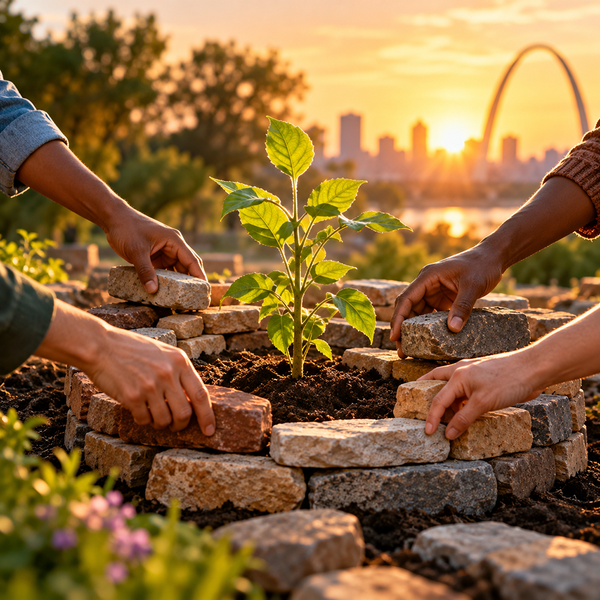
Think about a seed.
A seed cannot be forced to bloom by pulling on its stem.
It cannot be shouted into growing faster.
It cannot be criticized into becoming stronger.
It needs healthy soil.
Water.
Light.
Time.
The right conditions.
People are remarkably similar.
We do not become our healthiest selves because someone controls us into changing.
We grow when we are given an environment where growth is possible.
That is what genuine safety creates.
Not perfection.
Not comfort all the time.
Not the absence of challenge.
But the steady confidence that, even when life becomes difficult, our humanity will still be treated with care.
And perhaps that is the invisible foundation beneath every healthy relationship.
Because where genuine safety exists... people finally have room to become who they were always capable of being.
 Jessica Carey
Safety Is Not the Absence of Conflict
One of the greatest misunderstandings about safety is the belief that safe relationships never experience conflict.
No disagreements.
No difficult conversations.
No hurt feelings.
No tension.
But conflict is part of being human.
No two people will think the same way all the time.
No two people will have identical needs.
No two people will always understand one another perfectly.
Healthy relationships are not free from conflict.
They are able to move through conflict without destroying one another.
Safety is not measured by how often people disagree.
It is measured by what happens when they do.
- Can people speak honestly without being punished?
- Can they admit mistakes without being humiliated?
- Can they ask questions without being mocked?
- Can they express a boundary without being treated like the enemy?
Those are the questions that reveal whether a relationship is truly safe.
In unsafe relationships, conflict often becomes a battle to win.
Someone has to be right.
Someone has to lose.
Someone has to carry the blame.
Conversations become competitions instead of opportunities for understanding.
Listening becomes waiting for a turn to defend.
Differences become threats.
Mistakes become evidence that someone is fundamentally flawed.
 Jessica Carey
Over time, people begin adapting to survive.
They stop bringing up concerns.
They stop asking for help.
They stop expressing their needs.
They become quieter.
Smaller.
More careful.
Not because everything is okay.
But because speaking honestly no longer feels safe.
From the outside, this can look like peace.
 Jessica Carey
There are fewer arguments.
Less disagreement.
Less visible tension.
But silence is not the same as safety.
Sometimes silence is simply fear that has run out of words.
Healthy safety looks different.
People can disagree without attacking one another's character.
They can feel frustrated without becoming cruel.
They can say, "I see this differently," without treating the other person as a problem to solve or an opponent to defeat.
 Jessica Carey
Conflict also does not have to be resolved immediately.
Sometimes people need time to calm their nervous systems.
To think.
To reflect.
To return to the conversation with clearer minds and softer hearts.
Taking space is not the same as abandoning the relationship.
Sometimes it is what makes respectful communication possible.
Safety is not the absence of emotion.
It is knowing that emotions do not give us permission to abandon kindness.
Anger does not justify humiliation.
Fear does not justify control.
Frustration does not justify disrespect.
Hurt does not justify harming someone else in return.
Real safety is not created because people never experience difficult moments.
It is created because everyone involved is committed to handling those moments with honesty, humility, and care.
That is why safety does not ask: "How do we avoid conflict?"
It asks: "How do we move through conflict without forgetting each other's humanity?"
 Jessica Carey
Safety Means You Can Be Honest
One of the clearest signs of a safe relationship is this: you can tell the truth.
Not because telling the truth is always easy.
But because honesty is welcomed instead of punished.
There are many kinds of honesty.
Saying:
- "I made a mistake."
- "I don't understand."
- "I need help."
- "I'm overwhelmed."
- "I'm hurt."
- "I see this differently."
- "I've changed my mind."
- "I don't have the capacity today."
None of those statements are signs of failure.
They are signs of being human.
Yet many people learn that honesty is dangerous.
Not because honesty itself causes harm.
But because of what happened when they tried to be honest.
Perhaps they were mocked.
Dismissed.
Punished.
Ignored.
Blamed.
Shamed.
Accused of being "too sensitive."
Told they were overreacting.
Or made responsible for someone else's emotional reactions.
Over time, honesty begins to feel unsafe.
Instead of asking: "What is true?"
People begin asking: "What is safest to say?"
Those are very different questions.
When people constantly have to filter every word...
Carefully predict someone else's reaction...
Or rehearse conversations in their head before speaking...
Something important has been lost.
Not because conflict exists.
But because honesty no longer feels safe enough to exist alongside it.
Healthy relationships make room for truth.
Even when the truth is uncomfortable.
That does not mean honesty should become cruelty.
Being truthful is not permission to be harsh.
Honesty and kindness are not opposites.
In healthy relationships, they work together.
We can tell the truth with gentleness.
We can disagree with respect.
We can acknowledge difficult realities without attacking another person's dignity.
 Jessica Carey
Sometimes honesty sounds like: "I know you meant well, but this hurt me."
Sometimes it sounds like: "I don't think this is working anymore."
Sometimes it sounds like: "I need to set a boundary."
Sometimes it sounds like: "I was wrong."
Honesty is not only about speaking.
It is also about listening.
A safe relationship allows people to tell the truth...
And trusts that the other person will make a genuine effort to hear it.
Not necessarily to agree with every part.
But to understand before rushing to defend.
One of the greatest gifts we can offer another person is making it safe for them to be honest with us.
To know they do not have to pretend.
Hide.
Perform.
Or become someone else to preserve the relationship.
 Jessica Carey
Ironically, many people fear honesty because they worry it will damage the relationship.
But more often than not, it is the inability to be honest that slowly damages it.
Unspoken hurt becomes resentment.
Unasked questions become assumptions.
Hidden struggles become isolation.
Honesty may create uncomfortable moments.
But dishonesty creates distance.
Safety does not require that every conversation be easy.
It requires knowing that truth is more welcome than pretending.
Because when people know they can bring their real thoughts, real questions, real emotions, and real experiences into a relationship without fear of humiliation or retaliation...
They no longer have to spend so much energy protecting themselves.
Our nervous systems are always asking a quiet question: "Am I safe enough to relax?"
When the answer is consistently "no," our bodies often remain on high alert. We become watchful. We scan for danger. We rehearse conversations before they happen. We struggle to rest because part of us is still preparing for what might come next.
Genuine safety allows that constant vigilance to soften. It reminds both our minds and bodies that not every moment requires protection.
When people finally feel safe, they can finally spend their energy connecting instead.
And perhaps that is one of the greatest gifts safety offers.
Not the absence of difficult conversations.
But the freedom to have them honestly, knowing that the goal is not to punish one another... it is to understand, to grow, and to care.
Friends should make honesty feel safe.
 Jessica Carey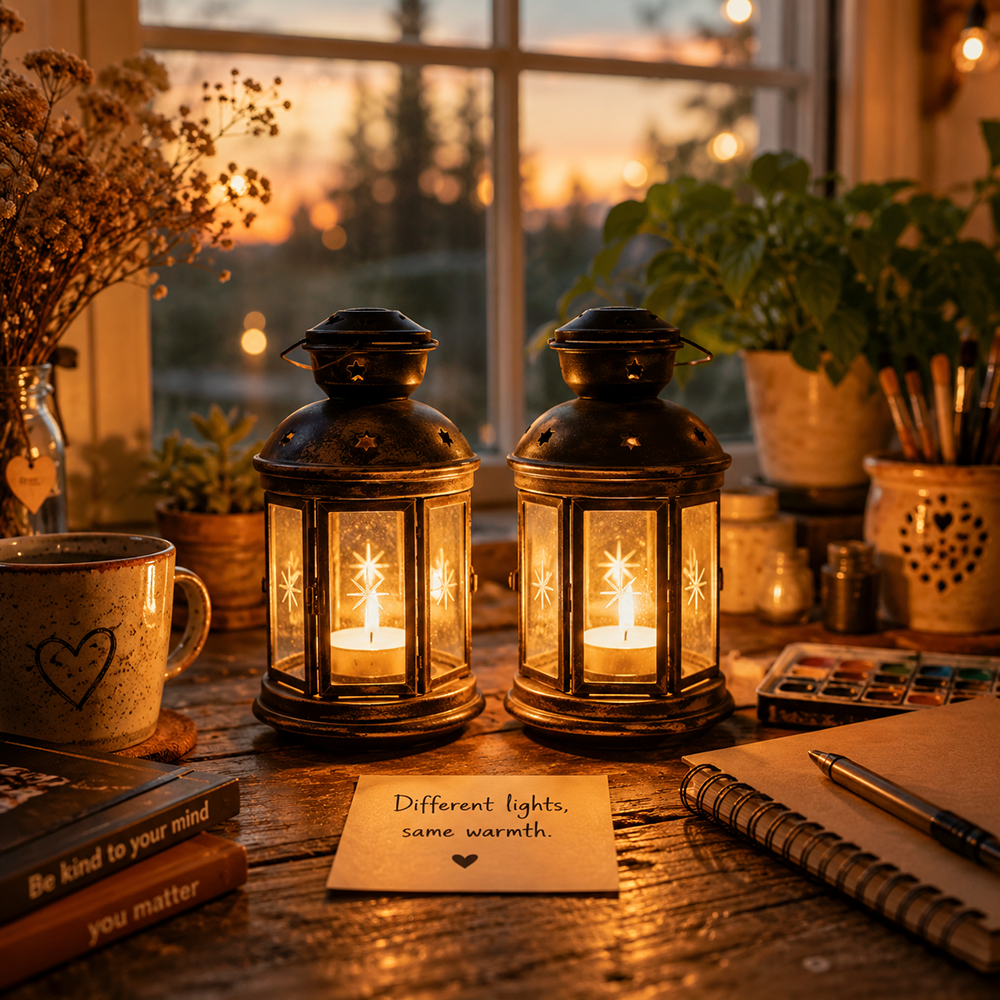
Safety Means Vulnerability Will Not Be Weaponized
Being vulnerable is one of the bravest things a person can do.
It is allowing someone to see parts of ourselves that are tender.
The places where we are uncertain.
The places where we are still healing.
The places we do not show everyone.
Vulnerability sounds like:
- "I'm struggling."
- "I'm scared."
- "I don't know what to do."
- "This really hurt me."
- "I've never told anyone this before."
- "I need support."
Those moments are gifts.
Not because they are easy.
But because someone is trusting us with a part of their inner world.
Healthy relationships treat those moments with care.
Not because vulnerability makes someone weak.
But because it reveals something deeply human.
Unfortunately, not every relationship responds that way.
Sometimes vulnerability becomes ammunition.
A fear shared in confidence is mocked during an argument.
A painful memory is brought up to win a disagreement.
A mistake is repeated over and over as proof that someone will never change.
A deeply personal struggle becomes gossip.
A person's openness is treated as an opportunity to manipulate, shame, or gain power over them.
When that happens, something important begins to change.
People stop feeling safe enough to be known.
Instead of asking: "What is true?"
They begin asking: "What parts of myself do I have to hide?"
They become more careful.
More guarded.
More distant.
Not because they no longer care about the relationship.
But because they are trying to protect the parts of themselves that have already been hurt.
Healthy safety creates a different experience.
It says: "What you trusted me with will remain something I handle with care."
 Jessica Carey
That does not mean we never have difficult conversations.
Sometimes we need to address painful truths.
Sometimes we need to acknowledge patterns that are causing harm.
Sometimes accountability requires honesty.
But there is a profound difference between addressing a problem... and using someone's vulnerability as a weapon against them.
One seeks healing.
The other seeks victory.
Healthy relationships do not collect another person's fears, mistakes, or insecurities to use later.
They protect them.
Think about someone handing you a small bird that has been injured.
You would not squeeze it tighter to make sure it stayed.
You would not throw it because you were frustrated.
You would not mock it for being unable to fly.
You would instinctively become gentler.
Human hearts deserve that same kind of care.
The things people entrust to us are not opportunities to gain leverage.
They are invitations to become trustworthy.
That trust is built in countless quiet moments.
When someone cries and is met with compassion instead of judgment.
When someone admits a mistake and is met with accountability instead of humiliation.
When someone shares a fear and is met with understanding instead of ridicule.
Safety grows every time a person learns:
- "I can bring my real self here."
- "My struggles will not become entertainment."
- "My honesty will not become ammunition."
- "My humanity will be treated with care."
Perhaps that is one of the deepest expressions of love, friendship, trust, and respect.
Not that we know another person's most vulnerable places.
But that we choose to protect them.
Because genuine safety is not simply the absence of harm.
It is the quiet confidence that the parts of us requiring the greatest care... will be met with the greatest gentleness.
Vulnerability is impossible where love is used as leverage.
 Jessica Carey
Safety Means Boundaries Are Welcomed, Not Punished
One of the clearest signs of emotional safety is this:
You are allowed to have boundaries.
Not because boundaries create distance.
But because healthy boundaries create clarity.
A boundary is simply an honest expression of where one person ends and another begins.
It communicates:
- "This is what I need."
- "This is what I am comfortable with."
- "This is what I can genuinely give."
- "This is where I need to stop."
 Jessica Carey
Healthy relationships understand that boundaries are not rejection.
They are communication.
Yet many people learn the opposite.
They discover that saying "no" is followed by guilt.
That asking for space is interpreted as abandonment.
That expressing discomfort becomes an invitation for debate.
That protecting their well-being is labeled selfishness.
Over time, they stop asking themselves: "What do I honestly need?"
Instead, they begin asking: "What will upset people the least?"
That is not safety.
That is survival.
In emotionally safe relationships, boundaries are not viewed as obstacles to overcome.
They are treated as important information.
A healthy response to a boundary might sound like:
- "Thank you for telling me."
- "I appreciate your honesty."
- "I may be disappointed, but I respect your decision."
- "Help me understand what you need."
 Jessica Carey
Notice something important.
None of those responses require the other person to like the boundary.
Disappointment is human.
Frustration is human.
Needing time to adjust is human.
Respecting a boundary does not mean pretending we never wished for a different answer.
It means recognizing that another person's autonomy is not ours to negotiate away.
In contrast, unsafe relationships often respond very differently.
Boundaries become arguments.
Needs become inconveniences.
"No" becomes something to wear down rather than honor.
People may pressure, guilt, manipulate, bargain, or shame until the boundary begins to disappear.
When this happens repeatedly, people often stop expressing their limits altogether.
Not because they no longer have them.
But because experience has taught them that honesty comes at too high a cost.
Eventually, resentment begins growing where honesty used to live.
Not because boundaries damaged the relationship.
But because they were never allowed to exist within it.
Healthy boundaries do not weaken connection.
They strengthen it.
When people know they can be honest about their capacity, their needs, and their limits...
They no longer have to pretend.
They no longer have to silently carry more than they can sustain.
They no longer have to choose between belonging and being authentic.
Perhaps one of the greatest gifts safety offers is this:
The freedom to say: "Yes," when we genuinely mean yes.
And the freedom to say: "No," without fearing that love, respect, or belonging will disappear.
Because safety does not require us to abandon ourselves in order to remain connected.
It allows us to remain fully ourselves... while continuing to care deeply for one another.
 Jessica Carey
Safety Makes Growth Possible
Human beings are remarkably adaptable.
When an environment feels unsafe, we learn how to survive it.
We become quieter.
More watchful.
More guarded.
We learn to predict reactions.
To avoid conflict.
To hide parts of ourselves.
To carry burdens alone.
Those adaptations are not signs of weakness.
Often, they are signs of wisdom.
They helped us navigate environments where openness did not feel safe.
But survival and growth are not the same thing.
Imagine trying to grow a garden in frozen ground.
The seed is not broken.
It simply does not have the conditions it needs to flourish.
People are much the same.
When we feel emotionally unsafe, enormous amounts of energy are spent protecting ourselves.
Watching.
Analyzing.
Second-guessing.
Preparing for what might happen next.
Trying not to make mistakes.
Trying not to become "too much."
Trying not to need too much.
Trying not to upset anyone.
That energy has to come from somewhere.
And often, it comes from the very parts of ourselves that long to create...
to explore...
to connect...
to laugh...
to rest...
to dream.
Safety gives that energy back.
When people know they will not be humiliated for asking a question... they become curious.
When they know mistakes can be repaired... they become willing to try.
When they know honesty will not be punished... they become more authentic.
When they know boundaries will be respected... they become more open.
When they know vulnerability will be met with care... they become more deeply connected.
Growth does not happen because someone is constantly being pushed.
Growth happens because someone finally has enough safety to stretch.
Think about how children learn to walk.
They stumble.
Fall.
Stand back up.
Try again.
No one expects perfection from the very first step.
The falls are not evidence that they should stop learning.
They are part of learning.
The same is true throughout life.
Healthy relationships create space where people can experiment, learn, and grow without believing every mistake defines who they are.
That does not mean there are no consequences.
Growth still requires responsibility.
Learning still requires accountability.
But accountability sounds very different in a safe environment.
Instead of saying: "You failed."
Safety asks: "What can we learn from this?"
Instead of saying: "You'll never change."
Safety asks: "What would help you grow?"
Instead of creating shame... safety creates possibility.
One of the greatest gifts we can offer another person is not constant advice.
It is an environment where they feel safe enough to discover their own strength.
Sometimes helping someone grow does not mean doing things for them.
 Jessica Carey
It means believing they are capable of learning.
Offering encouragement instead of control.
Support instead of rescue.
Guidance instead of domination.
Because people become stronger when they are trusted with opportunities to grow.
Not when every challenge is removed from their path.
Real safety does not eliminate difficulty.
It creates the confidence that difficulty can be faced without losing love, belonging, or dignity.
And perhaps that is why safety matters so deeply.
Not because it protects us from every hardship.
But because it gives us the freedom to keep becoming who we are capable of being.
 Jessica Carey
Safety Is Built Through Small, Consistent Choices
Safety rarely arrives all at once.
It is not created by one grand promise.
One emotional conversation.
One thoughtful gift.
Or one perfect day.
Safety is built quietly.
Moment by moment.
Choice by choice.
Day after day.
It grows every time someone keeps their word.
Every time someone listens before assuming.
Every time someone admits a mistake.
Every time someone apologizes sincerely.
Every time someone respects a boundary.
Every time someone chooses curiosity instead of judgment.
None of those moments seem extraordinary on their own.
But together... they become the foundation people learn they can stand on.
Think about building a bridge.
No single board creates the bridge.
No single bolt makes it safe.
No single beam carries all the weight.
Its strength comes from hundreds of pieces working together.
Each one supporting the next.
Healthy relationships are remarkably similar.
Safety grows when people's actions become predictable in the healthiest sense.
Not predictable because they are controlling.
Predictable because they are consistent.
Over time, we begin to quietly learn things like:
- "If I make a mistake, they'll help me learn."
- "If I tell the truth, they'll listen."
- "If I need a boundary, they'll respect it."
- "If we disagree, we can work through it."
- "If something goes wrong, we'll repair it together."
 Jessica Carey
Those experiences begin reshaping something deep within us.
The nervous system no longer has to remain constantly alert.
The heart no longer has to brace for every conversation.
The mind no longer has to rehearse every sentence before speaking.
Instead of asking: "What might happen this time?"
We slowly begin believing: "I have a pretty good idea."
Not because life has become predictable.
But because the relationship has become trustworthy.
Of course, consistency does not mean perfection.
Everyone has difficult days.
Everyone becomes tired.
Everyone occasionally misunderstands.
Safety is not built because someone never slips.
It is built because, when they do, they return.
They acknowledge it.
They repair it.
And their actions continue moving in the direction of care.
That consistency creates something extraordinary.
It allows people to stop measuring every interaction as though they are beginning from zero.
Instead, they begin carrying a growing history of experiences that quietly says: "This relationship has earned my confidence."
Just as safety is built through repeated acts of care...
It can also be slowly eroded through repeated acts of disregard.
One broken promise may be repaired.
One misunderstanding may become an opportunity to grow.
One mistake rarely defines a relationship.
But when dismissal becomes routine...
When honesty is repeatedly punished...
When boundaries are consistently ignored...
When accountability never comes...
The foundation begins to weaken.
Not because people are expecting perfection.
But because patterns teach us what we can expect.
Our lives are shaped less by isolated moments... and more by repeated ones.
That is why the smallest acts of kindness, respect, honesty, and accountability matter so much.
They are not "small" at all.
They are the individual stones from which emotional safety is built.
Perhaps that is one of the most hopeful truths about healthy relationships.
We do not create safety by becoming extraordinary people.
We create it by choosing ordinary acts of care... over and over again.
Until someone no longer has to wonder: "Am I safe here?"
Because every small choice has already been quietly answering: "Yes."
Communities are built through repeated small choices.
 Jessica Carey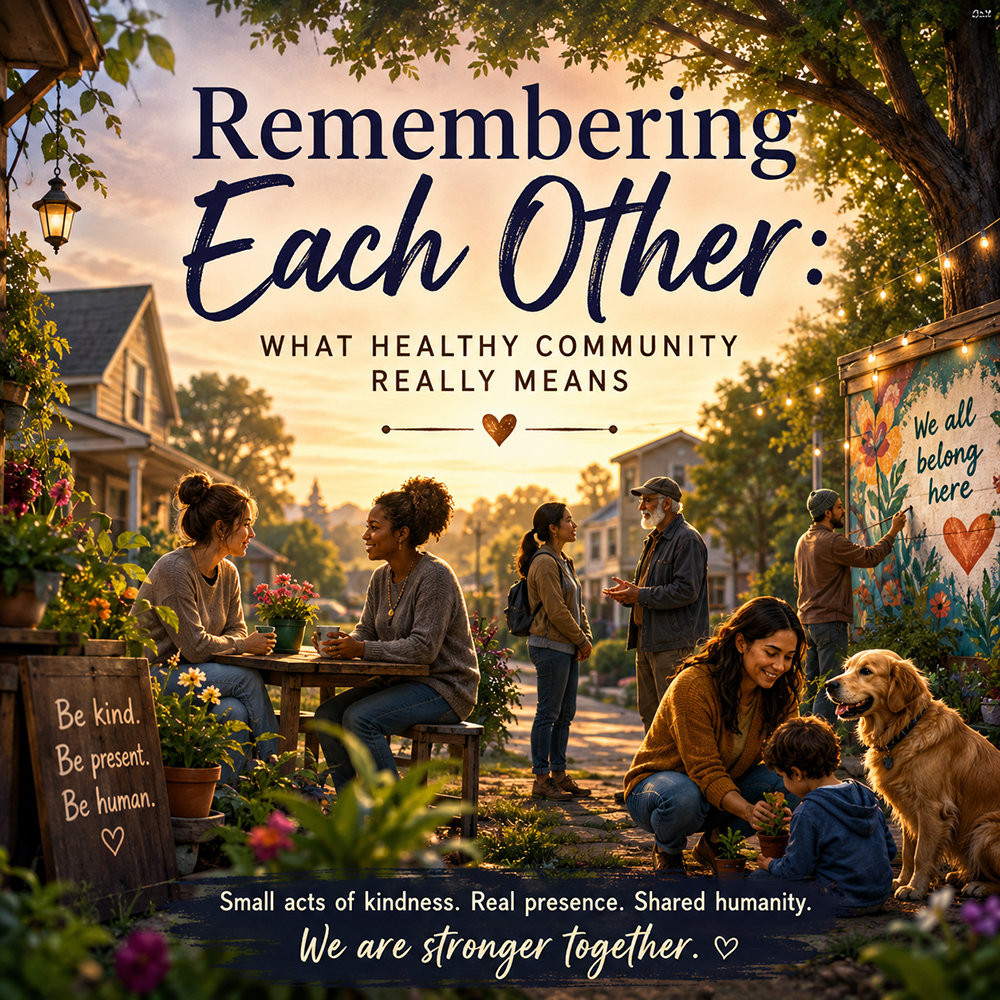
Sometimes the Safest Choice Is Creating Distance
One of the most difficult truths about healthy relationships is this: not every relationship is physically and/or emotionally safe.
We may deeply care about someone.
We may sincerely hope things will change.
We may remember moments of genuine love, kindness, or connection.
But hope alone cannot create safety.
Safety requires participation.
It requires honesty.
Respect.
Accountability.
Repair.
A willingness from everyone involved to care for the relationship.
One person cannot build that alone.
Sometimes people carry the entire weight of a relationship for years.
They are the one apologizing.
The one initiating conversations.
The one trying to understand.
The one making compromises.
The one extending grace.
The one hoping this time will be different.
Meanwhile, the other person continues choosing the same harmful patterns.
Promises are repeated.
The same wounds reopen.
The same conversations happen again.
Nothing truly changes.
It is important to recognize the difference between someone who is learning... and someone who continually refuses to learn.
Healthy relationships make room for mistakes.
Mistakes are part of being human.
People misunderstand one another.
They become defensive.
They say things they wish they hadn't.
But healthy relationships also make room for accountability.
For sincere apologies.
For repair.
For genuine effort to grow.
There is a profound difference between making a mistake... and repeatedly making the same choice after its impact has been clearly communicated.
Growth is rarely perfect.
But it does move.
Sometimes slowly.
Sometimes unevenly.
Sometimes with setbacks.
But there is movement.
A willingness to listen.
A willingness to reflect.
A willingness to become healthier than yesterday.
When that willingness is consistently absent... the relationship itself begins communicating something important.
Not through words.
Through patterns.
 Jessica Carey
Patterns teach us what we can reasonably expect.
Not with absolute certainty.
People can change.
Healing is possible.
Growth remains possible for every human being willing to embrace it.
But change cannot be forced.
No amount of love can make another person choose accountability.
No amount of patience can make another person become curious.
No amount of sacrifice can make someone respect boundaries they continually choose to ignore.
Sometimes the most compassionate thing we can do is acknowledge reality as it is today... rather than living only in hope for what it could become someday.
Creating distance is not always about punishment.
Sometimes it is protection.
Sometimes it is healing.
Sometimes it is creating enough space for truth to become visible.
Distance does not necessarily mean hatred.
It does not automatically mean giving up on another person's worth.
It does not mean believing they can never change.
Sometimes it simply means recognizing:
- "I cannot make your choices for you."
- "I cannot heal for you."
- "I cannot keep sacrificing my well-being in hopes that one day you will choose differently."
There are seasons when love means drawing closer.
And there are seasons when love—including love for yourself—means stepping back.
Because safety is not created by enduring unlimited harm.
It is created by honoring the humanity of everyone involved.
Including your own.
If a relationship continually asks you to abandon your voice...
Ignore your instincts...
Accept repeated disrespect...
Or betray your own well-being simply to keep the peace...
It is worth asking a gentle but honest question: "Is this relationship asking me to stay connected... or asking me to stop being myself?"
Healthy relationships never require someone to disappear in order to belong.
They make room for everyone to remain fully human.
 Jessica Carey
Choosing to Become a Safe Place
Perhaps one of the greatest gifts we can offer another person is not having all the answers.
It is becoming someone who is safe enough for honesty.
Safe enough for questions.
Safe enough for growth.
Safe enough for another human being to exist without constantly feeling they must defend, explain, or hide themselves.
Safety is not something we announce.
It is something people experience.
We cannot convince someone they are safe by repeatedly telling them they are.
Safety is communicated through consistent actions.
People believe what they repeatedly experience.
Safety is felt in the calm after a mistake, when someone responds with curiosity instead of condemnation.
It is felt when a boundary is honored without guilt.
It is felt when vulnerability is protected instead of exploited.
It is felt when truth is welcomed instead of punished.
It is felt when disagreements become opportunities to understand instead of battles to win.
These moments may seem ordinary.
But they quietly shape the way people move through the world.
A person who experiences genuine safety often begins carrying it with them.
They become more willing to ask questions.
More willing to admit mistakes.
More willing to try again after failing.
More willing to trust.
More willing to love.
More willing to create.
Not because life suddenly became easy.
But because they no longer have to spend every moment protecting themselves.
Safety gives people room to breathe.
Room to rest.
Room to laugh.
Room to wonder.
Room to become.
Think again about the seed.
No amount of pulling on its stem will make it grow.
No amount of shouting at it will make it bloom sooner.
Growth cannot be forced.
But healthy soil.
Steady water.
Warm light.
Patient care.
Those create the conditions where life naturally unfolds.
People are much the same.
We do not flourish because someone controls us into becoming better.
We flourish because we are surrounded by relationships where honesty is welcomed, respect is practiced, trust is earned, kindness is consistent, and repair is possible.
That does not mean every relationship will become safe.
Some people will continue choosing control over curiosity.
Pride over humility.
Fear over trust.
Power over connection.
We cannot make those choices for them.
What we can choose is the kind of person we become.
The kind of friend who listens before assuming.
The kind of family member who apologizes when they're wrong.
The kind of partner who welcomes honesty instead of punishing it.
The kind of neighbor who remembers that everyone is carrying a story we cannot fully see.
The kind of community member who helps others feel that they belong without asking them to stop being themselves.
Perhaps that is where genuine safety begins.
Not in perfect people.
Not in perfect relationships.
But in ordinary people making extraordinary choices, one conversation at a time.
Because safety has never been about removing every challenge from life.
It has always been about creating an environment where people know this:
- "I can tell the truth here."
- "I can learn here."
- "I can make mistakes here."
- "I can have boundaries here."
- "I can be treated with dignity here."
- "I can grow here."
And maybe that is one of the deepest expressions of love we can offer another human being.
Not to make them smaller.
Not to make them dependent.
Not to make them become who we think they should be.
But to help create a place where they are free to become who they were always capable of being.
Because every person deserves more than relationships that merely help them survive.
Every person deserves relationships where they can truly live.
 Jessica Carey
Want even more content about creativity and art?
Be sure to check out all of our creative chronicles!
If you'd like to see examples of my work, you can find some of my art and creations at Redbubble and Gumroad!
Looking to learn more about my recent journey?
Check some of these articles:
-The Difference Between Resting and Giving Up
-Hidden Gems for St. Louis Artists
-Hidden Gems for Autistic & Neurodivergent Adults
-I Think I Might Be Autistic... Now What?
 Jessica Carey