
Human beings have never had more ways to communicate.
Messages can travel across the world instantly.
We can see updates from hundreds of people.
We can connect with someone we have never met from a place we may never visit.
In many ways, that is incredible.
Technology has allowed people to find friendships, support, resources, and communities they may never have discovered otherwise.
And yet...
Many people feel more alone than ever.
Because connection was never only about access.
It was never only about being near someone.
Knowing someone’s name.
Living beside someone.
Following someone’s updates.
Connection is created through presence.
Through kindness.
Through curiosity.
Through remembering: “There is another living being in front of me.”
Somewhere along the way, it can feel like many people learned to see each other as obstacles instead of neighbors.
Competition instead of community.
Strangers instead of stories.
Someone struggling becomes: “Not my problem.”
Someone needing help becomes: “What are they trying to take from me?”
Someone different becomes: “Why can’t they just be like me?”
And slowly, walls grow.
People become more guarded.
More suspicious.
More disconnected.
Of course, boundaries matter.
Discernment matters.
Not every person is safe.
Not every situation is healthy.
Caring about others does not mean ignoring your own well-being.
But there is a difference between having healthy boundaries... and closing our hearts completely.
Because a world where everyone only protects themselves is not a world where everyone becomes safe.
It is a world where everyone becomes alone.
Humans were never meant to survive only beside each other.
We were meant to live with each other.
To see each other.
To remember that underneath our different stories, experiences, and struggles...
there is another person looking back.
 Jessica Carey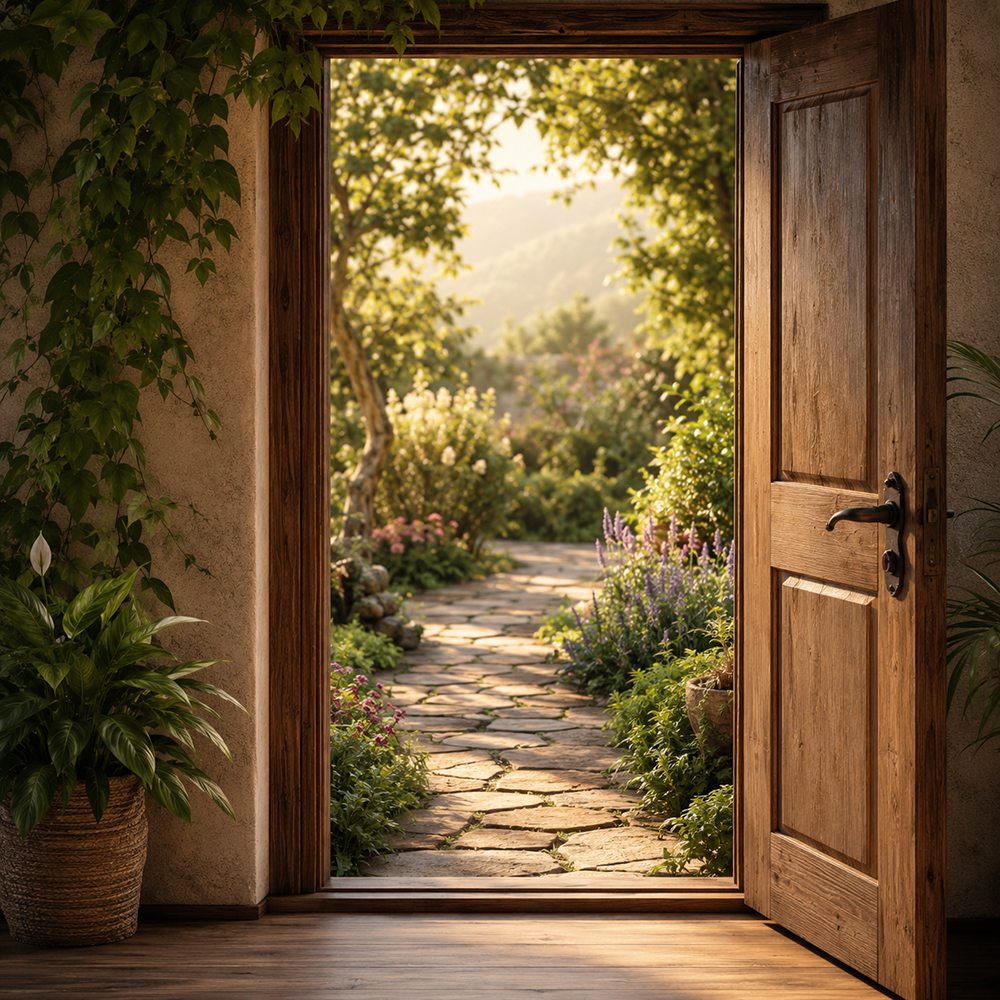
Kindness Is Not Weakness
Sometimes people close their hearts because somewhere along the way, they learned opening them was dangerous.
They trusted someone who hurt them.
They helped someone who used them.
They cared about someone who did not care back.
They saw examples of kindness being taken advantage of and decided: “Never again.”
And honestly?
That reaction makes sense.
Pain teaches.
Experience shapes us.
Human beings naturally try to avoid being hurt twice.
But sometimes the walls we build to keep pain away do not only block pain.
They block compassion.
Connection.
Understanding.
The very things that make life meaningful.
Because there is a difference between learning wisdom... and letting pain convince us that kindness itself was the mistake.
There will always be people who misuse generosity.
There will always be people who take advantage of trust.
 Jessica Carey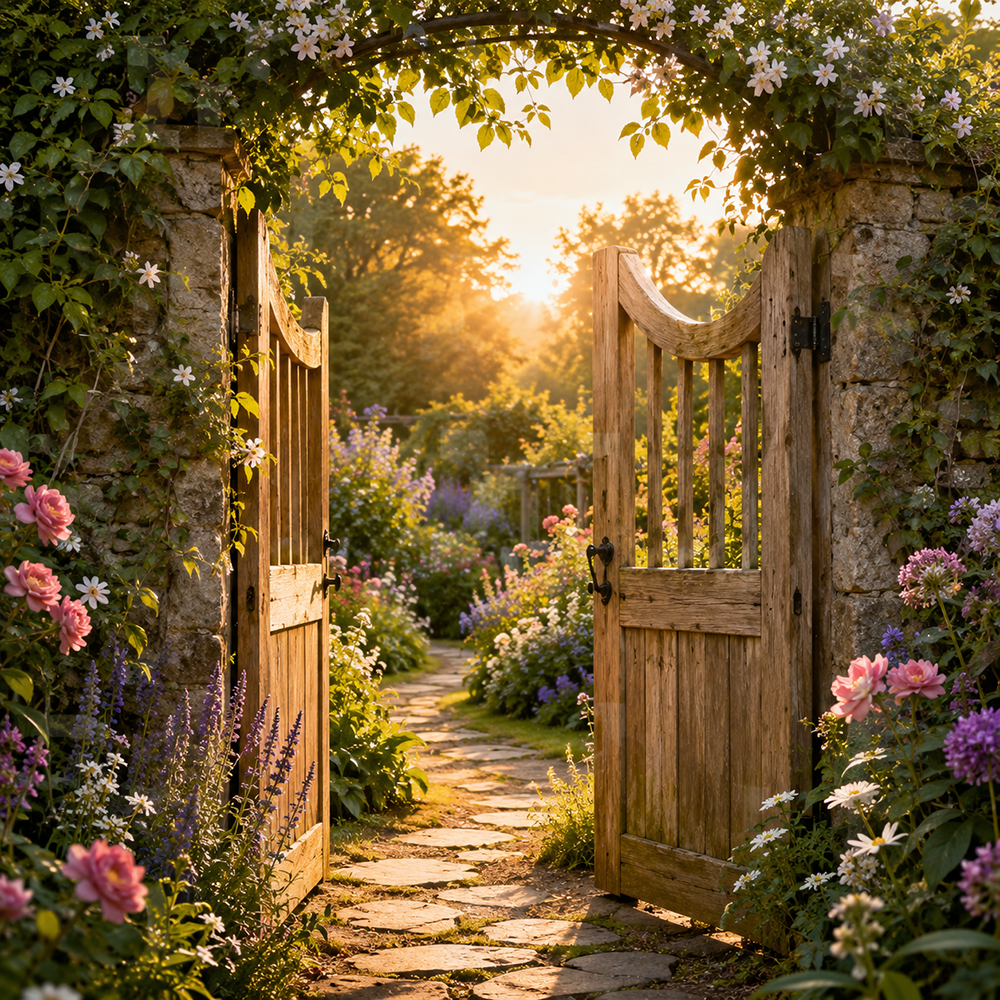
There will always be moments where someone’s kindness is not appreciated.
That is part of living in an imperfect world.
But someone else choosing dishonesty does not mean kindness was foolish.
It means they made a choice about who they wanted to be.
And we still get to make a choice about who we want to be.
A world where everyone says: “Someone might take advantage of me, so I will never help anyone.” is not a safer world.
It is a lonelier one.
Because what happens to the person who truly needed help?
The person having the hardest day of their life?
The person quietly hoping someone will notice?
The person who has been overlooked so many times that one small act of kindness could remind them: “I still matter.”
Compassion does not mean ignoring reality.
It does not mean abandoning boundaries.
It does not mean giving everything we have until there is nothing left.
Healthy kindness is not: “I must save everyone.”
Healthy kindness is: “I will remember there is another living being in front of me.”
Sometimes kindness looks like giving.
Sometimes kindness looks like listening.
Sometimes kindness looks like patience.
Sometimes kindness looks like simply treating someone with dignity.
Not every problem is ours to solve.
But every person is someone worthy of being seen.
And maybe that is something we have started forgetting.
It is easy to care about humanity as an idea.
It is harder to practice kindness with the actual humans in front of us.
The person who is inconvenient.
The person who is struggling.
The person who sees the world differently.
The person whose story we do not know.
But compassion was never meant only for situations where it costs nothing.
Kindness means the most when we have the choice not to offer it.
Because a closed heart may feel protected.
But a world full of closed hearts is exactly the kind of world so many people are trying to protect themselves from.
The goal was never to become someone who cannot be hurt.
The goal is becoming someone who can say:
- “I have boundaries.”
- “I have wisdom.”
- “I will protect myself.”
- “And I will still choose not to lose my humanity.”
True kindness is not about ignoring yourself or creating invisible debts. It is learning how to care with both compassion and wisdom.
 Jessica Carey
Comfort Is Not the Same Thing as Safety
Feeling uncomfortable and being unsafe are not always the same thing.
Sometimes discomfort is an important warning.
A signal.
A message that something needs attention.
Our instincts exist for a reason.
But sometimes discomfort appears because something challenges what we know.
A different perspective.
A difficult conversation.
A boundary we are not used to.
A situation that asks us to grow.
And part of building healthier relationships and communities is learning the difference.
 Jessica Carey
Because when we mistake all discomfort for danger, we can start seeing people as threats simply because they are inconvenient.
Because they need something.
Because they disagree.
Because their experience does not match our own.
Because they ask us to consider something we never had to think about before.
Someone else needing compassion is not automatically an attack.
Someone setting a boundary is not automatically rejection.
Someone communicating pain is not automatically blame.
Someone being different is not automatically wrong.
Healthy communities require space for different humans to exist.
Not perfectly.
Not without conflict.
Not without misunderstandings.
But with a willingness to listen.
Because connection cannot grow where everyone is only protecting their own comfort.
 Jessica Carey
Imagine a garden where every flower decided: “Only plants exactly like me belong here.”
The roses rejected the wildflowers.
The trees rejected the moss.
The sunflowers rejected anything shorter.
The vines rejected anything growing a different way.
The garden would lose the very thing that made it beautiful.
Life thrives through diversity.
Different colors.
Different needs.
Different strengths.
Different ways of growing.
Humans are no different.
A healthy community does not require everyone to be identical.
It requires people to recognize:
- “Your existence does not erase mine.”
- “Your needs do not automatically threaten mine.”
- “Your differences do not make you my enemy.”
Of course, this does not mean tolerating harm.
Kindness does not require accepting cruelty.
Understanding someone does not mean allowing them unlimited access.
Compassion and boundaries can exist together.
But there is a difference between protecting yourself from harm... and protecting yourself from ever having to consider another person.
Sometimes caring about others will inconvenience us.
Sometimes relationships require compromise.
Sometimes community asks us to think beyond: “What benefits me right now?”
Because a world built only around individual comfort eventually becomes a world where nobody feels truly cared for.
Real safety is not created by controlling everything and everyone around us.
It is created through trust.
Respect.
Communication.
Accountability.
Care.
It is created when people can say: “I matter.”
And also: “So do you.”
Healthy relationships are not built through control. They are built through trust, respect, and understanding.
 Jessica Carey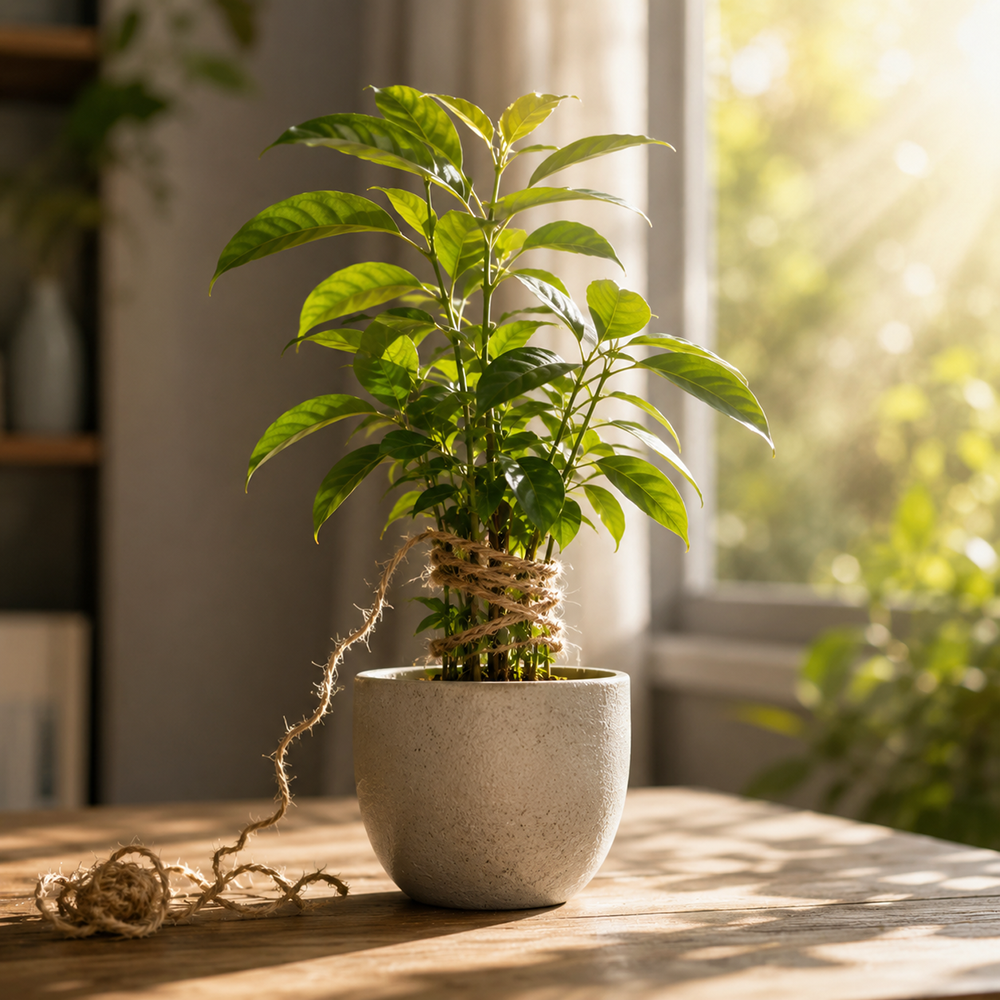
Goodness Is Something We Practice, Not Something We Perform
Most people want to believe they are good people.
And honestly, most people carry the capacity for goodness within them.
Moments where they care.
Moments where they try.
Moments where they want to do the right thing.
But goodness is not a title we earn once and carry forever.
It is not a label.
It is not an image.
It is not something proven only when everyone is watching.
It is something we practice.
Again and again.
Through choices.
Through actions.
Through how we treat the living beings around us.
Because kindness is easy when it costs nothing.
It is easy to care when caring is convenient.
It is easy to be generous when generosity also gives us praise, recognition, or the feeling of being someone who helps.
But character is often revealed in quieter moments.
- How do we treat someone who has nothing to offer us?
- How do we respond when someone’s needs inconvenience us?
- How do we handle being told our actions hurt someone?
- How do we treat people when nobody else will know?
 Jessica Carey
Those moments matter.
Because kindness was never supposed to be a costume we put on when the world is watching.
It was meant to become part of how we move through the world.
A person can donate publicly and still be unkind privately.
A person can say beautiful words and still refuse to listen.
A person can talk about compassion and still ignore the person hurting right beside them.
And at the same time, a person can make mistakes and still be someone trying to live with kindness.
Because this is not about perfection.
Healthy communities are not built by perfect people.
Perfect people do not exist.
They are built by people willing to notice.
To learn.
To apologize.
To repair.
To ask: “Did my actions match the values I say I believe in?”
Because sometimes the hardest test of our kindness is not strangers.
It is the people closest to us.
The people who see us tired.
The people who see us frustrated.
The people who have needs when we are already overwhelmed.
The people whose struggles do not disappear just because they are inconvenient.
 Jessica Carey
True kindness asks us to remember: “This person is not an obstacle interrupting my life. This person has a life, too.”
A healthy community grows when people stop asking only: “What can I get?”
And begin asking: “What kind of environment am I helping create?”
- Am I adding more patience?
- More understanding?
- More honesty?
- More compassion?
- More safety?
- Or am I asking everyone else to create a better world while I refuse to examine my own choices?
Because a kinder world is not created only through grand gestures.
It is created in ordinary moments.
The conversation where someone feels heard.
The apology someone never expected.
The neighbor someone notices.
The encouragement someone needed.
The choice to pause before assuming the worst.
Small moments become patterns.
Patterns become relationships.
Relationships become communities.
And maybe changing the world has always started smaller than we imagined.
Not with everyone suddenly becoming perfect.
But with more people choosing, little by little: “I want to leave things better than I found them.”
 Jessica Carey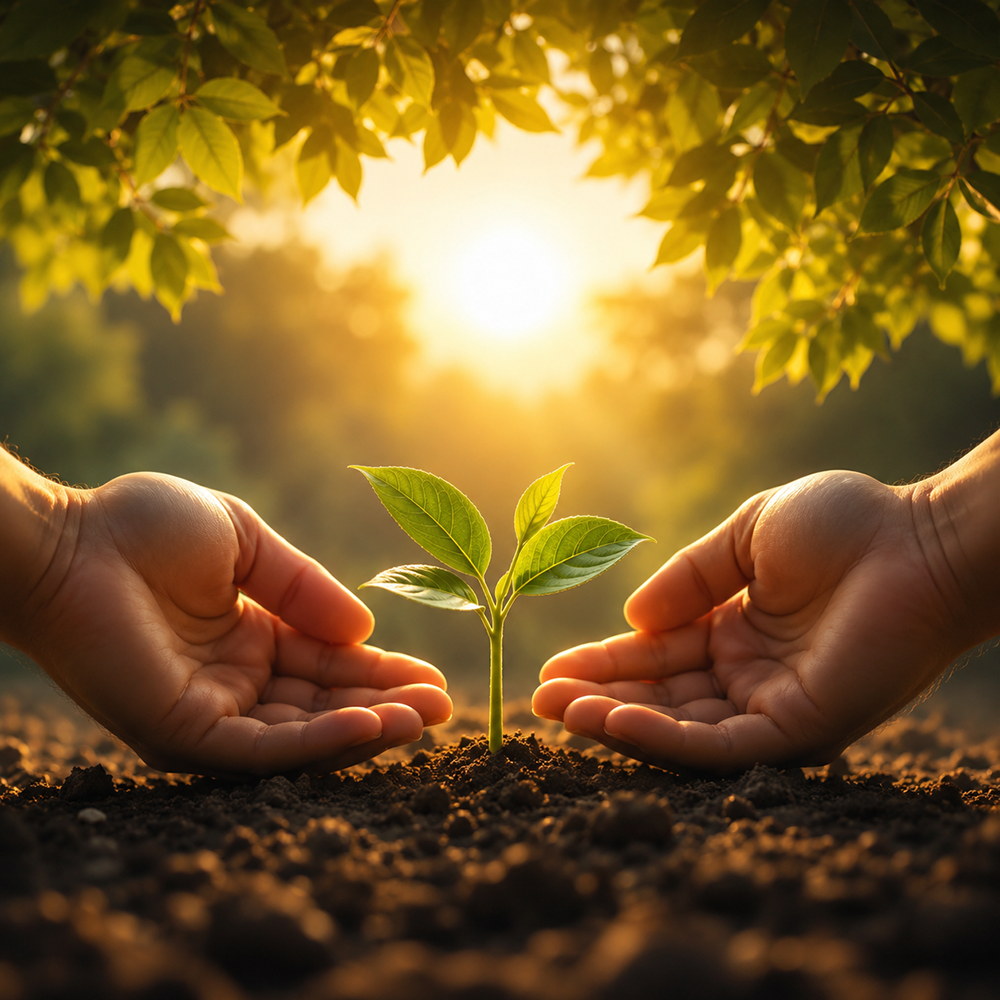
Presence Is One of the Greatest Gifts We Give
Connection is not only about being near someone.
Two people can sit in the same room and feel worlds apart.
Two people can live under the same roof and barely know each other.
Two people can pass each other every day and never truly see one another.
Because presence is more than proximity.
Presence means:
- “I notice you.”
- “I am here with you.”
- “This moment matters.”
 Jessica Carey
In many ways, technology has given us incredible opportunities.
People can find communities they never would have discovered.
People can maintain friendships across oceans.
People can learn, create, share, and connect in ways previous generations never imagined.
That is beautiful.
But like any tool, how we use it matters.
A bridge can connect people.
But we still have to choose to walk across it.
Because sometimes we become so focused on capturing moments that we forget to live them.
So focused on updates that we forget conversations.
So surrounded by information that we forget the person sitting beside us.
And slowly, connection becomes something we observe instead of something we experience.
A child does not only need someone physically in the same room.
They need someone who looks up.
Someone who listens to their story.
Someone who notices the picture they drew.
Someone who celebrates their excitement over something small.
A friend does not only need a response.
They need to feel heard.
Genuine friendship grows when people feel seen, valued, and safe enough to be themselves.
 Jessica Carey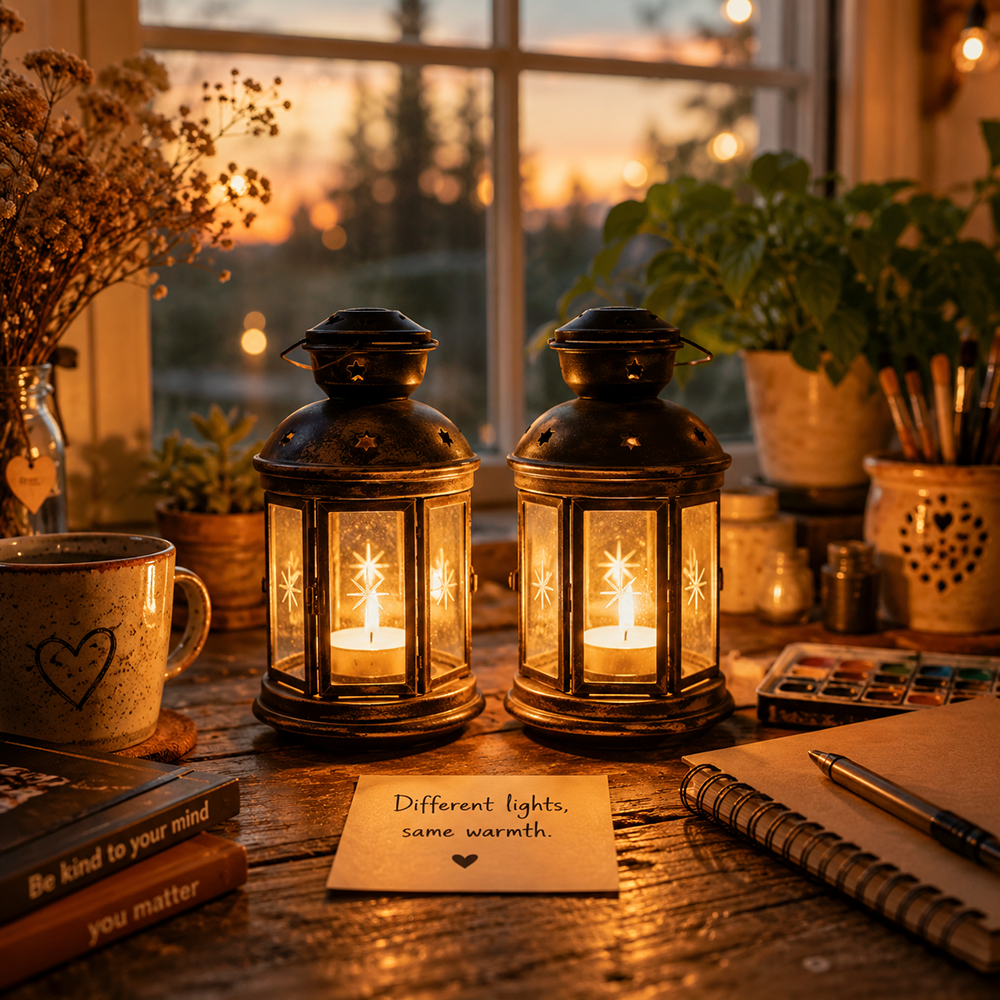
A neighbor does not only need someone living nearby.
They need community.
A family does not only need people sharing a house.
They need people sharing care.
A true home is created through safety, warmth, respect, and belonging — not simply sharing the same space.
 Jessica Carey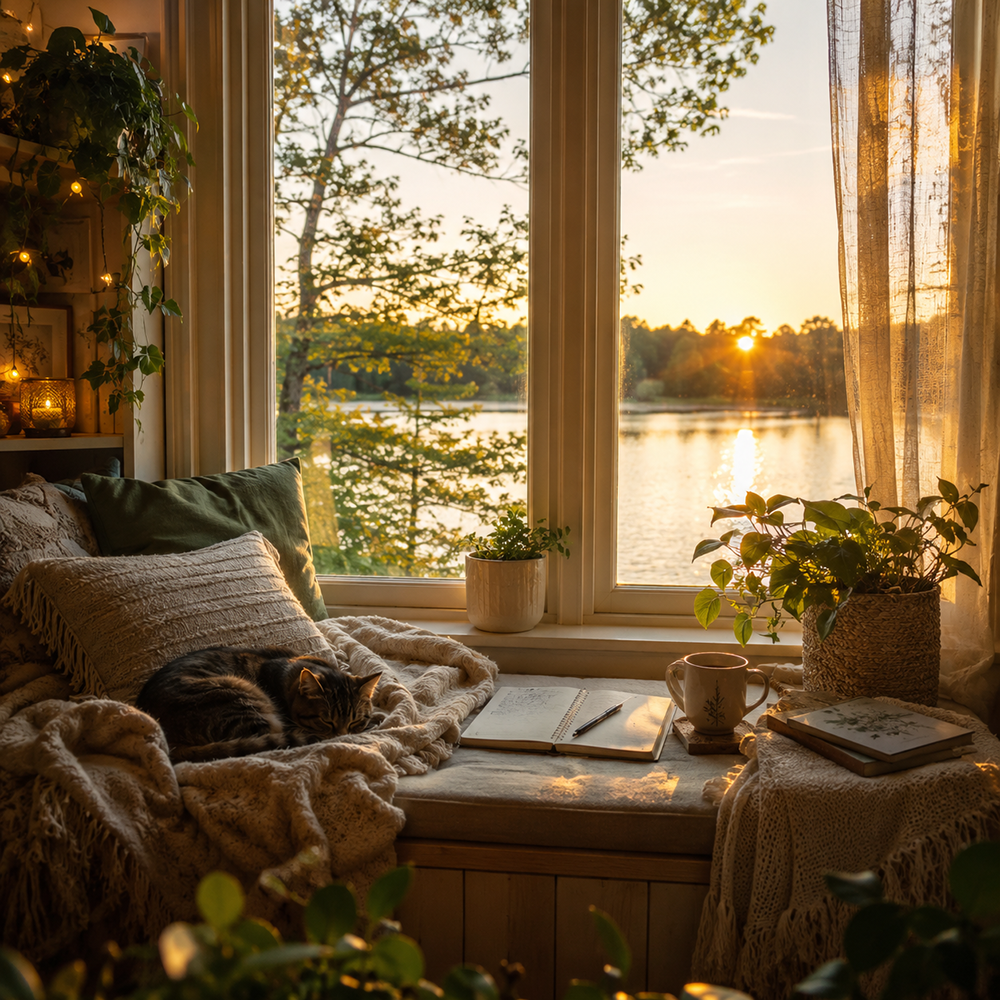
Because relationships are built through little moments.
The conversations that seem ordinary.
The laughter while making dinner.
The walks around the neighborhood.
The questions of: “How are you really doing?”
The willingness to pause and listen to the answer.
Those small moments may not seem important.
But they are often where love actually lives.
A healthy community is not created only through big events.
It is created through thousands of tiny choices where people say: “You matter enough for me to notice.”
And sometimes noticing is the thing someone desperately needed.
Someone to remember their name.
Someone to ask if they are okay.
Someone to include them.
Someone to remind them: “You are not invisible.”
Because loneliness is not always caused by being physically alone.
Sometimes the loneliest feeling is being surrounded by people who never truly see you.
We do not need to reject technology to rebuild connection.
We do not need to return to some perfect version of the past that never fully existed.
We simply need to remember:
The people around us are not background characters in our story.
They are living their own.
With fears.
Dreams.
Struggles.
Hopes.
Memories.
A whole world inside them that we may never know unless we take the time to ask.
And sometimes one of the greatest gifts we can give another person is beautifully simple:
Our presence.
A moment where they feel:
- “I am seen.”
- “I am heard.”
- “I am not alone.”
 Jessica Carey
Healthy Communities Remember Everyone Has a Story
Every person we meet is carrying a story we cannot see.
The stranger at the store.
The neighbor down the street.
The person asking for help.
The person quietly sitting beside us.
Every person has lived through thousands of moments we know nothing about.
Things that shaped them.
Things that hurt them.
Things that changed them.
Things they are still trying to heal from.
But when we stop seeing each other clearly, it becomes easy to turn people into categories.
Labels.
Assumptions.
Problems to solve.
Problems to avoid.
We stop seeing a person and only see:
A situation.
A struggle.
A difference.
A single moment from an entire lifetime.
And when someone becomes only a label, it becomes much easier to stop caring.
But people are not labels.
People are stories.
Someone struggling is not only their struggle.
Someone needing help is not only their need.
Someone who made mistakes is not only their worst moment.
Someone who sees life differently is not only their difference.
They are a whole human being.
With memories.
Dreams.
Fears.
Strengths.
Pain.
Joy.
A life just as complex as our own.
 Jessica Carey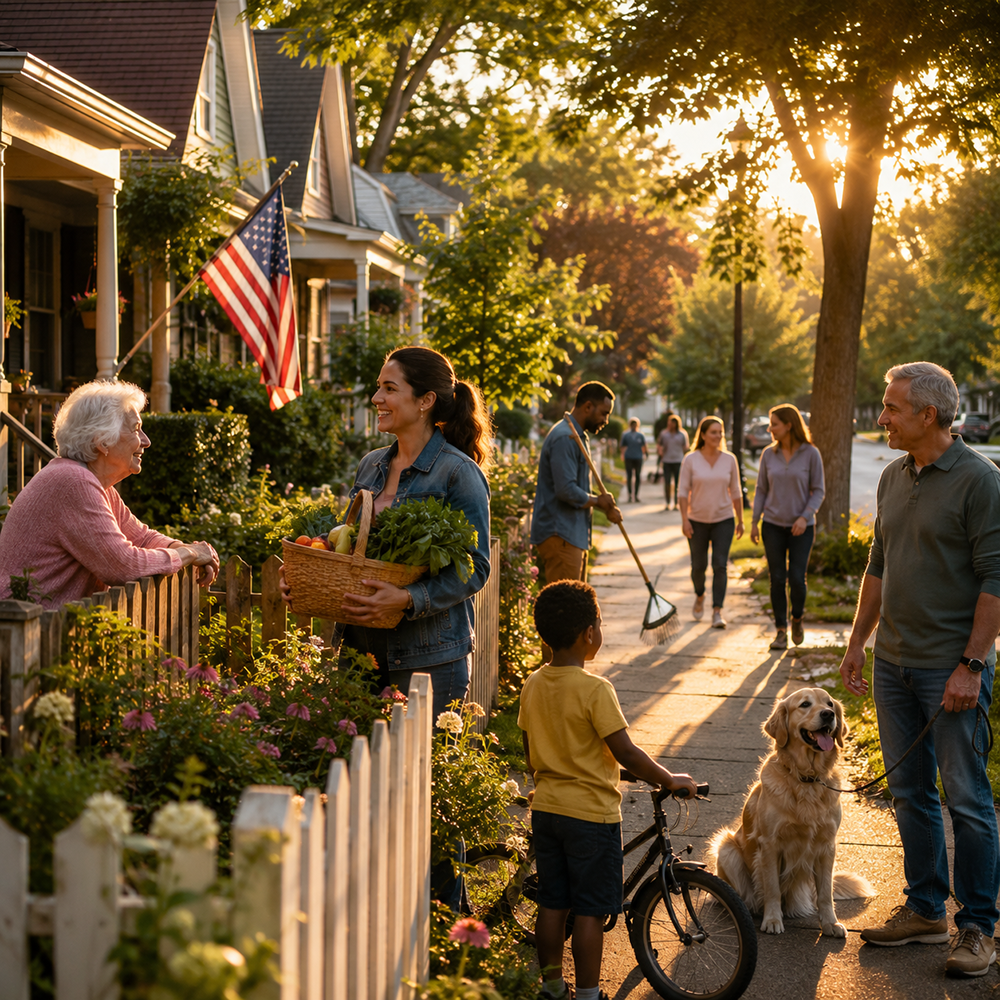
That does not mean every person needs access to us.
It does not mean every behavior is acceptable.
It does not mean compassion requires ignoring harm.
Because understanding why something happened does not automatically make it okay.
Someone’s story can explain their actions without excusing every choice.
But compassion asks us to remember: “There is more here than what I can immediately see.”
Maybe the person having a difficult day is carrying something heavy.
Maybe the person who seems quiet has spent years feeling unheard.
Maybe the person who needs help never imagined they would be the one needing it.
Maybe the person we judged quickly has a story we never stopped long enough to learn.
Sometimes noticing and caring deeply is not weakness. It is part of staying connected to our humanity.
 Jessica Carey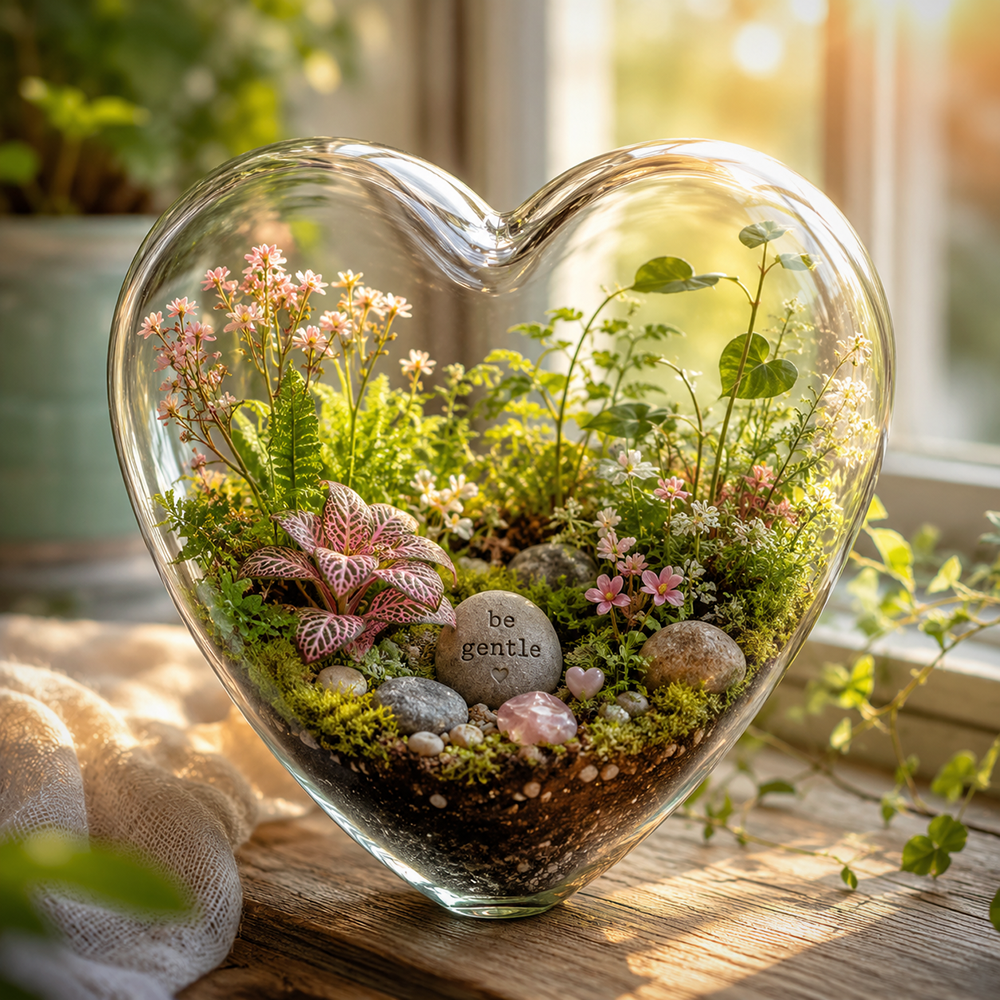
We all hope others will see our full humanity.
Not just our hardest moments.
Not just our mistakes.
Not just the chapters where we struggled.
And healthy communities are created when we offer that same humanity back.
When we replace: “What is wrong with them?” with: “I wonder what they have been through.”
When we replace: “That could never be me.” with: “Life is complicated, and everyone’s path is different.”
When we replace: “They do not matter because they are not connected to me.” with: “They matter because they are a living being.”
Because community is not only caring about the people who are already inside our circle.
It is remembering that the circle can grow.
A kinder world begins when more people choose to pause before assuming.
Listen before dismissing.
Understand before judging.
And remember: every person we meet is more than the tiny piece of their story we happened to walk into.
 Jessica Carey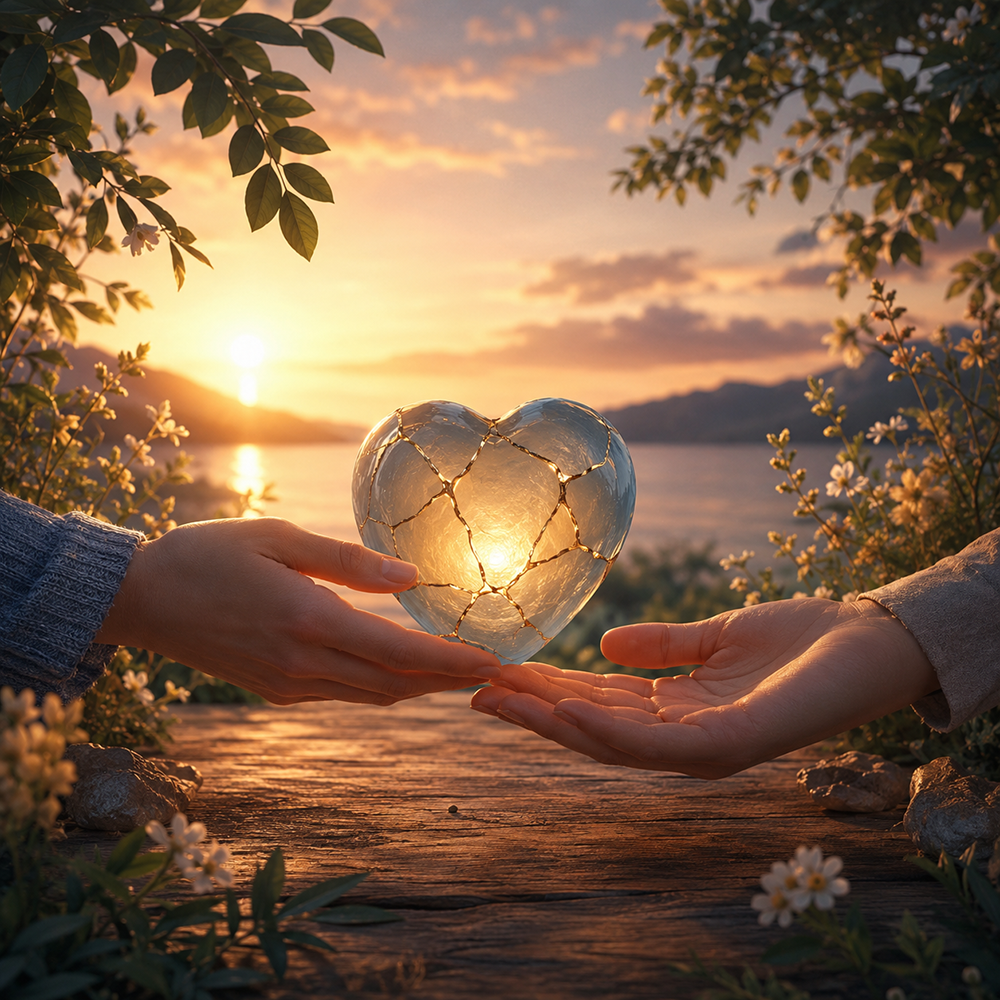
Community Is Something We Build Together
A healthier world is not created by one perfect person.
It is not created by one grand gesture.
It is not created by waiting for someone else to finally fix everything.
Community is built through thousands of small choices.
Small moments.
Small acts of care that slowly create something bigger than ourselves.
Someone sharing knowledge.
Someone offering encouragement.
Someone creating a safe space.
Someone listening.
Someone noticing a need.
Someone saying: “I have something I can contribute.”
Not everything.
Something.
Because one of the easiest ways to become overwhelmed is believing kindness requires us to carry the entire world.
That if we cannot solve everything, nothing we do matters.
But that was never how community was supposed to work.
A single flower does not create a garden.
A single thread does not create a blanket.
A single star does not create the night sky.
The beauty comes from many pieces coming together.
Some people have resources to share.
Some people have knowledge.
Some people have creativity.
Some people have experience.
Some people have time.
Some people have encouragement.
Some people simply have the ability to remind someone: “You are not alone.”
Different contributions.
Same humanity.
A healthy community does not say: “You are only valuable if you can give the most.”
It also does not say: “You only have to care about yourself.”
It says:
- “We all have something to offer.”
- “And we all have seasons where we need support, too.”
Because every person will experience being human.
Everyone will eventually know what it feels like to need.
To struggle.
To make mistakes.
To hope someone shows patience.
To hope someone chooses kindness.
Community remembers that.
 Jessica Carey
It understands that life is not a competition where someone else receiving care means there is less room for us.
Someone else finding support does not erase our own needs.
Someone else’s light does not make ours disappear.
When we stop seeing each other as threats, we can start seeing each other as teammates.
People with different strengths.
Different perspectives.
Different stories.
Different pieces of the puzzle.
And maybe that is where a lot of healing begins:
Not with everyone suddenly becoming the same.
Not with everyone agreeing on everything.
Not with a perfect world where nobody ever makes mistakes.
But with more people deciding: “I want my presence here to make things a little better.”
A smile.
A conversation.
A repaired relationship.
A shared resource.
A moment of patience.
A choice to understand before judging.
Tiny things.
Human things.
Things that remind us:
We belong to something bigger than ourselves.
Because community is not just a place we find.
It is something we create.
Every day.
Through how we choose to treat the living beings sharing this world with us.
Healthy community also means remembering we are allowed to receive the kindness we hope others experience.
Sometimes we are the person offering support.
Sometimes we are the person who needs someone to sit beside us.
Both are part of being human.
A garden where every flower tries to be the sun eventually forgets that flowers need warmth, too.
Caring about others does not mean carrying everything alone.
 Jessica Carey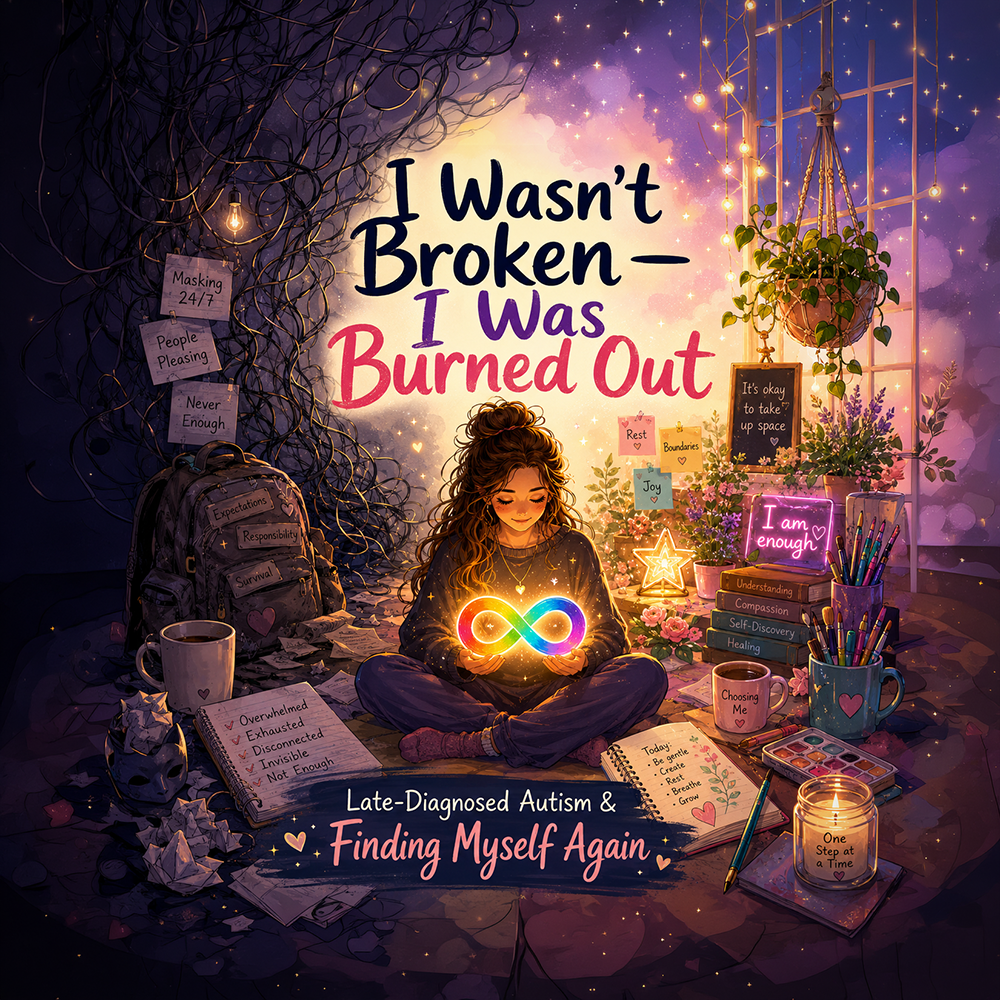
Choosing a More Human World
It is easy to look around and feel discouraged.
To see the division.
The loneliness.
The anger.
The way people sometimes forget there is another human being on the other side of their words and choices.
It is easy to wonder: “When did we stop caring?”
But maybe the better question is: “How do we remember?”
Because kindness was never something humanity either permanently had or permanently lost.
It has always been something we choose.
Again.
And again.
And again.
Every generation.
Every community.
Every person.
We choose whether we listen or dismiss.
Whether we assume or ask.
Whether we connect or withdraw.
Whether we add more understanding to the world or more walls.
And no, one person cannot fix everything.
One person cannot heal every wound.
Solve every problem.
Repair every broken system.
Carry the weight of the entire world.
We were never meant to.
That is the whole point of community.
A forest is not created by one tree.
A garden is not created by one flower.
A night sky is not created by one star.
Beautiful things are created when many small pieces come together.
 Jessica Carey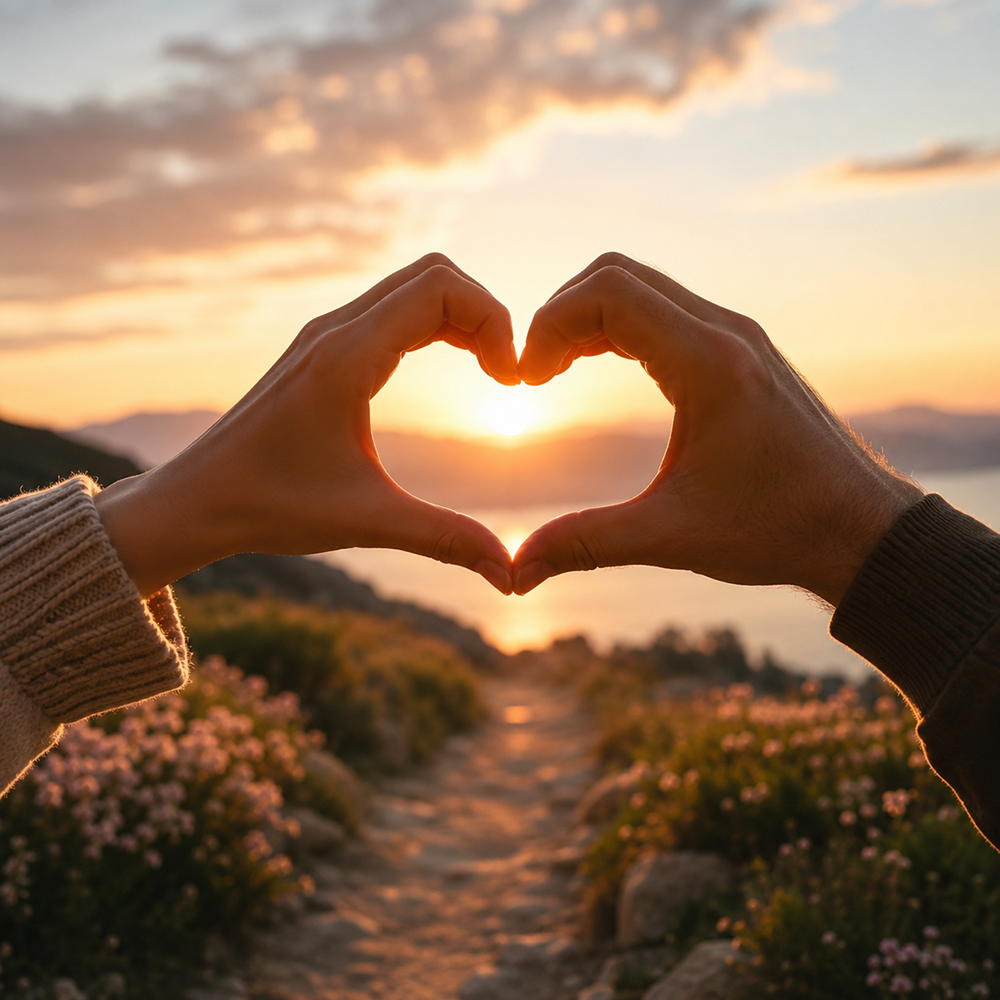
Maybe your piece is creating.
Maybe it is teaching.
Maybe it is listening.
Maybe it is encouraging.
Maybe it is sharing what you have learned.
Maybe it is simply choosing patience in a moment where frustration would have been easier.
Small does not mean meaningless.
 Jessica Carey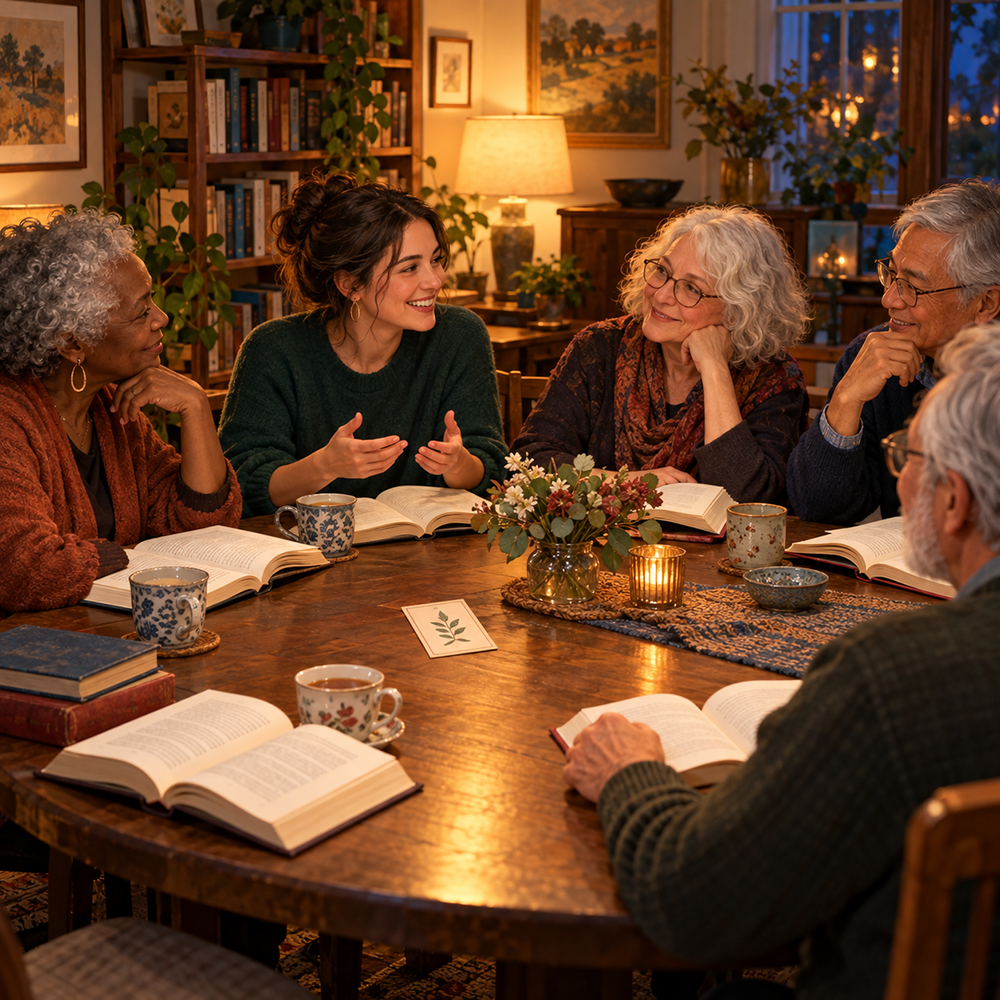
Because we rarely know the full impact of the kindness we offer.
The conversation someone remembers years later.
The encouragement that kept someone going.
The moment someone felt seen when they were starting to believe nobody cared.
Tiny moments can become turning points.
And maybe building a kinder world starts with remembering something simple:
The people around us are real.
Not background characters.
Not obstacles.
Not problems.
Not competition.
People.
Living beings with stories just as complex as our own.
People who need kindness.
People who need connection.
People who need somewhere they belong.
Just like we do.
A healthier world does not come from everyone becoming exactly the same.
It comes from remembering how to share this world while being different.
Different stories.
Different experiences.
Different strengths.
Different ways of seeing.
All learning how to exist together.
Maybe we cannot control whether everyone chooses kindness.
Maybe we cannot make every person care.
Maybe we cannot force the world to become softer overnight.
But we can decide what we add to it.
And every time someone chooses compassion over cruelty...
Curiosity over judgment...
Connection over indifference...
Repair over pride...
Humanity over ego...
They create a small reminder:
A different way is possible.
Because community was never only something we lost.
It is something we can rebuild.
One conversation.
One choice.
One act of kindness.
One moment of remembering: “We are sharing this world together.”
With people.
With animals.
With nature.
With countless lives connected in ways we may never fully see.
 Jessica Carey
Want even more content about creativity and art?
Be sure to check out all of our creative chronicles!
If you'd like to see examples of my work, you can find some of my art and creations at Redbubble and Gumroad!
Looking to learn more about my recent journey?
Check some of these articles:
-The Difference Between Resting and Giving Up
-Hidden Gems for St. Louis Artists
-Hidden Gems for Autistic & Neurodivergent Adults
-I Think I Might Be Autistic... Now What?
 Jessica Carey