

Why We Mistake Obsession for Love
If so many people use the words love and obsession interchangeably, it's worth asking an important question: why?
How did so many of us come to believe that all-consuming attachment, jealousy, and emotional dependency are signs of deep love?
It's not merely because people are foolish.
In fact, many of us are trying to describe something profoundly human.
We want to matter.
We want to feel chosen.
We want to know someone treasures us.
We want to know our absence would be noticed and our presence genuinely celebrated.
There is nothing unhealthy about those desires.
The problem begins when we mistake obsession for the thing that fulfills them.
For generations, our culture has romanticized obsession.
Movies tell us that true love means: "I can't live without you."
Songs tell us that devotion sounds like: "You're my everything."
Stories often portray jealousy as passion, possessiveness as protection, and emotional dependency as proof that two people are meant to be together.
We hear phrases like:
- "You complete me."
- "You're my other half."
- "If I can't have you, no one can."
- "I'd die without you."
- "You're all I need."
These statements are often presented as the height of romance.
But are they?
Or have we confused intensity with intimacy... dependency with devotion... and possession with love?
Because something can feel overwhelming, all-consuming, and impossible to walk away from while still not being healthy.
Intensity alone tells us very little.
Fear can be intense.
Anxiety can be intense.
Infatuation can be intense.
Trauma bonds can be intense.
So can grief, uncertainty, and loneliness.
The strength of a feeling does not automatically reveal its source.
One of the reasons obsession is so often mistaken for love is because intensity feels significant.
Our minds naturally assume: "If I feel this strongly, it must mean something important."
Sometimes it does.
But intensity is not the same thing as health.
Nor is it the same thing as love.
Sometimes what feels like extraordinary chemistry is actually uncertainty.
Sometimes what feels like passion is anxiety.
Sometimes what feels like being inseparable is emotional dependency.
And sometimes what feels like love is actually the fear of losing something we've come to rely on.
Another reason people romanticize obsession is because it can feel incredibly validating.
There is something deeply affirming about knowing someone thinks about you often.
Misses you.
Prioritizes you.
Remembers the little things.
Delights in your presence.
Those experiences can make us feel deeply loved.
But notice something important.
None of them actually require obsession.
They require attention.
Intentionality.
Affection.
Care.
Delight.
Healthy love can absolutely make someone feel treasured without ever making them feel possessed.
One of the deepest reasons we confuse obsession with love is because, beneath the longing to be someone's whole world, there is often another longing entirely:
- I want to know I matter.
- I want to know I'll be remembered.
- I want to know someone will keep choosing me.
- I want to know I'm safe in someone's heart.
Those are not unhealthy desires.
They are profoundly human.
Many of us carry experiences of rejection, loneliness, neglect, betrayal, or inconsistent love.
When that's true, the idea of someone being "obsessed" with us can sound comforting.
It can seem like a guarantee.
- "They'll never leave."
- "They'll never forget me."
- "I'll always matter."
But obsession cannot actually promise any of those things.
In fact, obsession is often driven by fear.
And fear is a fragile foundation upon which to build a relationship.
Healthy love creates safety in a different way.
Not because someone is consumed by us...
But because they consistently choose us.
Not because they cannot function without us...
But because, day after day, they freely decide to build a life alongside us.
That is a quieter kind of love.
Perhaps even less dramatic.
But it is also far steadier.
Because one of the most important truths we can learn is this:
Love is not measured by how impossible it feels to live without someone. It is measured by how faithfully two whole people choose to build a life that helps both of them flourish.
Human beings don't merely long to be wanted. We long to be wanted for who we are, not because someone needs us to fill an emptiness within themselves.
 Jessica Carey
What People Usually Mean When They Say They Want Someone "Obsessed" With Them
Whenever someone says: "I want someone to be obsessed with me," it's worth pausing before taking those words at face value.
Because most people aren't asking to be monitored.
Or controlled.
Or isolated from everyone else they love.
They aren't asking to become responsible for another person's emotional stability.
They aren't asking to lose the freedom to be fully themselves.
More often, those words point toward something much more tender:
- A longing to matter
- A longing to be deeply loved
- A longing to feel chosen
- A longing to know that their presence brings genuine joy to another person's life
Those longings are not unhealthy.
In many ways, they are among the deepest longings of the human heart.
We all want to know that our existence matters.
That someone delights in our presence.
That if we walk into a room, someone's face lights up because we're there.
That our absence would be noticed.
That our joys would be celebrated.
That our sorrows would not be carried alone.
The desire to be deeply loved is not the problem.
The difficulty begins when we mistake that beautiful longing for something that eventually asks us to become smaller instead of more fully ourselves.
One of the deepest desires beneath the word obsession is the desire to be chosen.
To know that, out of all the people in the world, someone looks at us and says:
- "I want to build a life with you."
- "I want to know you."
- "I enjoy who you are."
- "I'm grateful you're here."
Being intentionally chosen can be profoundly healing, especially for people who have experienced rejection, loneliness, inconsistency, or relationships where they felt invisible.
Being chosen says: "I see you, and I want you in my life."
That is beautiful.
But being chosen and being possessed are not the same thing.
Healthy love says: "I choose you."
Possession quietly says: "I need to keep you."
One is rooted in freedom.
The other is often rooted in fear.
Many people also use the word obsessed when what they truly long for is to feel treasured.
To be known well enough that someone remembers the little things.
- Their favorite flower
- Their coffee order
- The story they told months ago
- The dream they've been quietly working toward
- The song that always makes them smile
There is something profoundly moving about being remembered in those ordinary ways.
Not because someone was keeping score, but because they were paying attention.
Healthy love notices.
It listens.
It remembers.
It delights in learning another person's inner world.
None of those things require obsession.
They require attentiveness.
Presence.
Curiosity.
Care.
There is also a longing to feel important.
Not important in the sense of being worshipped.
Important in the sense of knowing that our life genuinely matters to another person's life.
Most people don't want to feel interchangeable.
They don't want to wonder whether anyone would notice if they quietly disappeared.
They want to know that their existence has become woven into someone else's story.
Healthy love offers that reassurance.
Not by making someone responsible for another person's happiness.
But by consistently communicating:
- "Your life matters to me."
- "I'm grateful you're here."
- "I'm better because you're part of my world."
Perhaps the deepest longing of all is the longing for security.
To know that love will remain.
To know that another person will continue choosing the relationship, even when life becomes ordinary.
For someone who has experienced abandonment, betrayal, or inconsistent care, obsession can sound like certainty.
- "If they're obsessed with me, they'll never leave."
- "If they need me, I'll always matter."
Yet dependency cannot create the kind of safety that love promises.
In fact, dependency often becomes fragile because it asks another person to carry a weight they were never meant to bear.
Healthy love creates security differently.
Not through emotional captivity.
Not through possessiveness.
Not through making another person our entire world.
But through trust.
Consistency.
Repair.
Showing up again and again.
Freely.
That is why being cherished is ultimately more beautiful than being obsessed over.
Obsession often asks: "How can I keep you close enough to quiet my fears?"
Healthy love asks: "How can I help you flourish while we continue building something beautiful together?"
One is trying to hold on.
The other is learning how to hold gently.
Because what the human heart has been longing for all along was never obsession.
It was the experience of being deeply known...
deeply valued...
deeply chosen...
and deeply loved.
Those are not the same thing.
And the distinction changes everything.
 Jessica Carey
Healthy Attachment Is Not Obsession
One of the reasons conversations about obsession can become confusing is because they often overlook something both ordinary and beautiful:
Human beings are meant to become attached to one another.
Attachment is not a flaw in our design.
It is part of how we survive, grow, and experience love.
From the moment we enter the world, we are wired for connection.
We seek comfort when we're afraid.
We reach for people we trust.
We miss those we love when they're away.
We feel joy when they're near.
None of those experiences are signs that something has gone wrong.
They are signs that relationships matter.
The goal of healthy relationships is not emotional independence from everyone else.
Nor is it emotional dependence upon them.
Instead, healthy love creates a secure kind of attachment—one where closeness and freedom exist together.
Healthy attachment sounds like:
- "I miss you, and I'm looking forward to seeing you again."
- "I feel safe with you."
- "I'm grateful you're part of my life."
- "I know we'll reconnect after time apart."
- "I trust that our relationship doesn't disappear simply because we're busy today."
These experiences aren't weakness.
They're evidence that a meaningful bond has formed.
Healthy attachment allows us to depend on one another without requiring another person to become responsible for our identity.
 Jessica Carey
Obsession Quietly Crosses a Line
Obsession often begins where healthy attachment ends.
Instead of enjoying connection, it begins needing constant access.
Instead of trusting the relationship, it continually searches for reassurance.
Instead of appreciating another person's presence, it becomes distressed by their absence.
Instead of supporting another person's individuality, it begins fearing it.
The difference isn't that one person cares more.
It's that one person's emotional stability has gradually become dependent on another person's constant availability.
Perhaps the simplest way to understand the difference is this: security.
Healthy attachment says: "Even when we're apart, I trust that our relationship remains."
Obsession says: "When we're apart, I'm afraid I'm losing you."
Healthy attachment says: "I love being close to you."
Obsession says: "I can't tolerate distance."
Healthy attachment says: "I choose you."
Obsession says: "I need you."
Healthy attachment creates room for both closeness and individuality.
Obsession gradually makes those two things feel incompatible.
 Jessica Carey
Love Was Never Meant to Eliminate Attachment
Sometimes, after learning about unhealthy relationships, people begin worrying that needing anyone at all must be unhealthy.
But healthy love has never asked us to stop needing people.
It invites us to need one another in healthy ways.
To lean on one another without collapsing into one another.
To receive support without surrendering our individuality.
To build lives that are deeply intertwined while still allowing each person to remain fully themselves.
Perhaps that is one of the greatest gifts of healthy love.
It teaches us that closeness and freedom are not opposites.
They are partners.
The Difference Between Loving Deeply and Becoming Consumed
One of the greatest misunderstandings surrounding obsession is the assumption that caring deeply for someone is automatically unhealthy.
It isn't.
- Thinking about someone often isn't obsession.
- Missing someone isn't obsession.
- Wanting to spend time together isn't obsession.
- Being excited about a relationship isn't obsession.
- Loving someone with your whole heart isn't obsession.
- Neither is becoming deeply invested in another person's life.
Many healthy relationships are built on exactly those things.
Partners often delight in one another.
They think about each other throughout the day.
They remember tiny details.
They look forward to spending time together.
They continue learning about one another year after year.
Deep love naturally invites deep investment.
The question is not: "How much do I care?"
The deeper question is: "What is happening underneath my care?"
Because love and obsession may sometimes look similar from the outside while being driven by entirely different motivations.
Healthy love often sounds like:
- "I enjoy being with you."
- "I love learning about you."
- "I miss you when we're apart."
- "I'm excited to build a life with you."
- "Your happiness genuinely matters to me."
Obsession often sounds different:
- "I need you to feel okay."
- "I don't know who I am without you."
- "Your attention determines my happiness."
- "I can't tolerate being apart."
- "I need constant reassurance that you won't leave."
At first glance, both can appear deeply devoted.
The difference is not found in the intensity of the feelings.
It is found in the role the relationship begins to play.
Healthy love enriches a person's life.
Obsession gradually becomes the center of it.
One of the clearest distinctions is that healthy love continues to recognize another person's separateness.
It understands:
- They have friendships that matter.
- They have interests beyond the relationship.
- They need time alone sometimes.
- They have dreams that don't always involve us.
- They are an entire human being, not simply our partner.
Rather than feeling threatened by those realities, healthy love becomes curious about them.
It delights in watching another person continue becoming who they are.
Obsession often struggles with that same separateness.
Distance can begin to feel like rejection.
Boundaries can feel like abandonment.
Friendships may feel like competition.
Independence may feel frightening rather than beautiful.
The relationship slowly shifts from sharing a life... to trying to secure one.
The clearest difference is this:
Healthy love says: "I want to know you."
Obsession quietly begins saying: "I need access to you."
Those may sound similar at first.
They are not.
One is rooted in curiosity.
The other is rooted in fear.
 Jessica Carey
Love Sometimes Has Seasons of Intensity
Healthy love is not emotionally flat.
There are seasons when someone naturally occupies much of our attention.
- Falling in love
- Caring for a newborn
- Supporting someone through illness
- Grieving a loss
- Preparing for a wedding
- Walking through a family crisis
During these seasons, another person may become the center of our attention for a time.
That isn't obsession.
It's responsiveness.
The difference is that healthy love eventually returns to balance.
It doesn't permanently erase either person's individuality.
Healthy love is never meant to become one person endlessly giving while the other endlessly receiving.
It asks both people to:
- Listen
- Learn
- Repair
- Encourage
- Apologize
- Celebrate
- Support
Love isn't a performance one person gives.
It's something two people continually build together.
 Jessica Carey
Deep Investment Is Not Possession
This distinction is especially important because it is often misunderstood.
Someone can be deeply invested in a relationship without becoming possessive.
They can:
- Think about someone often.
- Remember meaningful details.
- Love spending time together.
- Miss them when they're apart.
- Enjoy learning everything they can about them.
- Create thoughtful gifts.
- Feel excited whenever they share life together.
None of those things are unhealthy on their own.
In fact, many healthy relationships are filled with exactly those experiences.
The difference is that healthy investment always leaves room for another person's humanity.
It leaves room for choice.
For boundaries.
For friendships.
For individuality.
For freedom.
Healthy investment says: "You matter deeply to me."
Possession quietly says: "You belong to me."
Healthy investment says: "I cherish our relationship."
Possession says: "I need our relationship to regulate me."
The issue has never been the depth of love; the issue is whether that love still allows two whole people to remain whole.
 Jessica Carey
Neurodivergence and Loving Deeply
This distinction becomes especially important when conversations turn toward neurodivergence.
Many neurodivergent people—particularly autistic and ADHD individuals—experience intense interests, deep focus, and remarkable attentiveness.
That attentiveness often becomes one of the ways they express love.
It may look like:
- Remembering tiny details from conversations months ago.
- Researching topics that matter to someone they care about.
- Creating deeply personal gifts.
- Wanting to understand another person's interests.
- Thinking about loved ones often.
- Finding great joy in learning who another person is.
Sometimes these expressions of care are casually labeled as "obsession."
But they are not necessarily obsession at all.
They may simply be thoughtful, intentional ways of loving.
Likewise, a hyperfixation involving another person is not automatically unhealthy.
The important questions are not:
- "How often do I think about this person?"
- "How excited am I to spend time with them?"
The more important questions are:
- "Can I respect their autonomy?"
- "Can I celebrate their independence?"
- "Can I tolerate healthy time apart?"
- "Do I still recognize that they are a whole person separate from me?"
- "Am I making either of us responsible for regulating the other's emotions?"
Those questions reveal far more than the intensity of the feelings ever could.
Because intensity alone tells us very little.
Love can be intense.
Joy can be intense.
Grief can be intense.
Wonder can be intense.
Intensity is simply energy.
Health is revealed by where that energy leads.
Healthy love expands two people's lives.
Obsession gradually narrows them.
And that may be one of the simplest ways to recognize the difference.
 Jessica Carey
The Difference Between Cherishing Someone and Possessing Them
The clearest difference between healthy love and obsession can be found in one simple question: what is the relationship trying to protect?
Love seeks to protect the relationship.
Obsession often seeks to protect access to the person.
At first, those may seem like the same thing.
They aren't.
Healthy love cherishes another person's humanity.
It delights in who they are.
It celebrates their joys.
It grieves alongside their sorrows.
It remains curious about the life unfolding within them.
It doesn't ask them to become less themselves in order to make the relationship feel more secure.
Possession quietly moves in another direction.
Instead of delighting in another person's humanity, it gradually begins relating to them as something that must be secured, protected, or kept.
The relationship slowly shifts from: "I love sharing life with you."
To "I need to make sure I don't lose you."
That difference changes everything.
To Cherish Someone Is to Delight in Their Existence
One of the most beautiful things we can do in any relationship is to genuinely cherish another person.
To cherish someone means appreciating them for who they are, not simply for what they provide.
It sounds like:
- "I love hearing your thoughts."
- "I'm grateful you're in my life."
- "I love watching you become more fully yourself."
- "Your happiness genuinely matters to me."
- "I enjoy discovering new parts of who you are."
There is warmth in those words.
There is freedom.
Because cherishing someone does not require ownership; it simply requires appreciation.
Healthy love enjoys another person's presence without believing it is entitled to it.
Their attention becomes a gift.
Their trust becomes a gift.
Their affection becomes a gift.
Gratitude quietly replaces entitlement.
That is why healthy love often feels so spacious.
Nothing is forced, and nothing is demanded.
Two people continue choosing one another because they genuinely want to share life together.
 Jessica Carey
Possession Quietly Changes the Relationship
Possession often begins much more subtly.
At first, it may even feel flattering.
Someone always wants to spend time together.
They text constantly.
They miss you every moment you're apart.
They want to know where you are.
They always want to be included.
Initially, those behaviors can feel affirming.
Especially if you've spent much of your life feeling unseen.
But over time, something begins to shift.
Instead of asking: "How can I love this person well?"
The relationship quietly begins asking: "How can I make sure I don't lose them?"
That fear can begin changing how someone interprets ordinary moments.
A night with friends becomes a threat.
Time alone feels like rejection.
Healthy boundaries feel like distance.
Independence feels dangerous.
Another person's world slowly starts feeling like competition instead of something beautiful.
Love Expands. Possession Constricts.
One of the simplest ways to recognize the difference is to notice what happens to each person's world.
Healthy love tends to make life bigger.
People often feel:
- More supported
- More confident
- More peaceful
- More connected to family and friends
- More willing to pursue dreams
- More fully themselves
The relationship becomes an environment where flourishing is possible.
Possession often creates the opposite experience.
Life gradually becomes smaller.
Someone may begin feeling:
- Responsible for another person's emotions
- Guilty for spending time elsewhere
- Afraid to disappoint them
- Increasingly isolated
- Less connected to hobbies, friendships, or community
- As though they are slowly disappearing into the relationship
Healthy love creates room to breathe.
Possession quietly asks someone to shrink until they fit inside another person's fears.
The Difference Between Gratitude and Entitlement
One of the clearest distinctions between healthy love and possession is the posture they take toward another person's presence.
Healthy love sounds like:
- "Thank you for spending today with me."
- "I appreciate the time we share."
- "I'm grateful I get to know you."
- "I never want to take you for granted."
Possession begins sounding different:
- "Why weren't you available?"
- "You should have invited me."
- "Why do you need anyone else?"
- "I should come first."
One posture is rooted in gratitude.
The other quietly slips toward entitlement.
Over time, gratitude nurtures closeness.
Entitlement often erodes it.
Because people flourish where they are appreciated.
Not where they are treated as something owed.
Love Wants Someone to Flourish
This is the deepest distinction of all.
Healthy love doesn't ask: "How can I become your entire world?"
It asks: "How can I help your world become richer?"
It celebrates friendships.
Encourages dreams.
Respects boundaries.
Welcomes growth.
Delights in seeing another person's life become fuller, even when every part of that fullness doesn't revolve around the relationship.
Possession struggles with that.
It often fears whatever reminds it that another person has a life beyond itself.
Love celebrates that very thing.
Because love recognizes something profoundly important.
The person we love is not an extension of ourselves.
They are an entire universe.
With their own thoughts.
Their own memories.
Their own hopes.
Their own calling.
Their own relationships.
Their own story.
Healthy love doesn't try to absorb that universe.
It stands beside it in wonder.
That is why the deepest forms of love never ask: "How can I keep you?"
They ask: "How can I care for you while honoring who you truly are?"
Because to cherish someone is to delight in the miracle of another person's humanity.
To possess someone is to slowly reduce that humanity into something we believe exists for us.
One expands a person's life.
The other quietly diminishes it.
And that may be one of the clearest ways to tell the difference between love and obsession.
Love Makes Room
One of the most romanticized ideas in our culture is the belief that the greatest expression of love is becoming someone's entire world.
We hear phrases like:
- "You're my everything."
- "You're all I need."
- "I don't need anyone else as long as I have you."
- "You complete me."
At first, these statements can sound deeply romantic.
After all, who doesn't want to know they matter?
Who doesn't want to feel deeply important to someone they love?
Beneath those words is another beautiful human longing: "I want to know our relationship is meaningful."
There is nothing wrong with that desire.
The difficulty arises when one relationship is expected to carry the weight of every relationship.
No one person can be everything.
No partner can be our:
- Romantic companion
- Best friend
- Therapist
- Parent
- Entire support system
- Favorite hobby partner
- Sole source of belonging
- Only confidant
- Only source of encouragement
- Entire community
That isn't because people aren't capable of loving deeply.
It's because human beings were never designed to carry that much weight alone.
Every relationship has gifts it offers, but every relationship also has limits.
Healthy love respects both.
 Jessica Carey
Love Wants a Full Life, Not a Smaller One
One of the quiet differences between love and obsession is what each wants for the other person's life.
Healthy love wants someone's world to become richer.
It celebrates when they:
- Develop meaningful friendships
- Discover new passions
- Grow in confidence
- Pursue long-held dreams
- Learn new skills
- Find supportive communities
- Continue becoming more fully themselves
Healthy love doesn't compete with those things.
It delights in them.
Because another person's flourishing is never a threat to genuine love.
It is one of love's greatest joys.
Healthy love doesn't ask: "How can I become your entire world?"
It asks: "How can I become one meaningful part of a life that is rich with love, purpose, and belonging?"
 Jessica Carey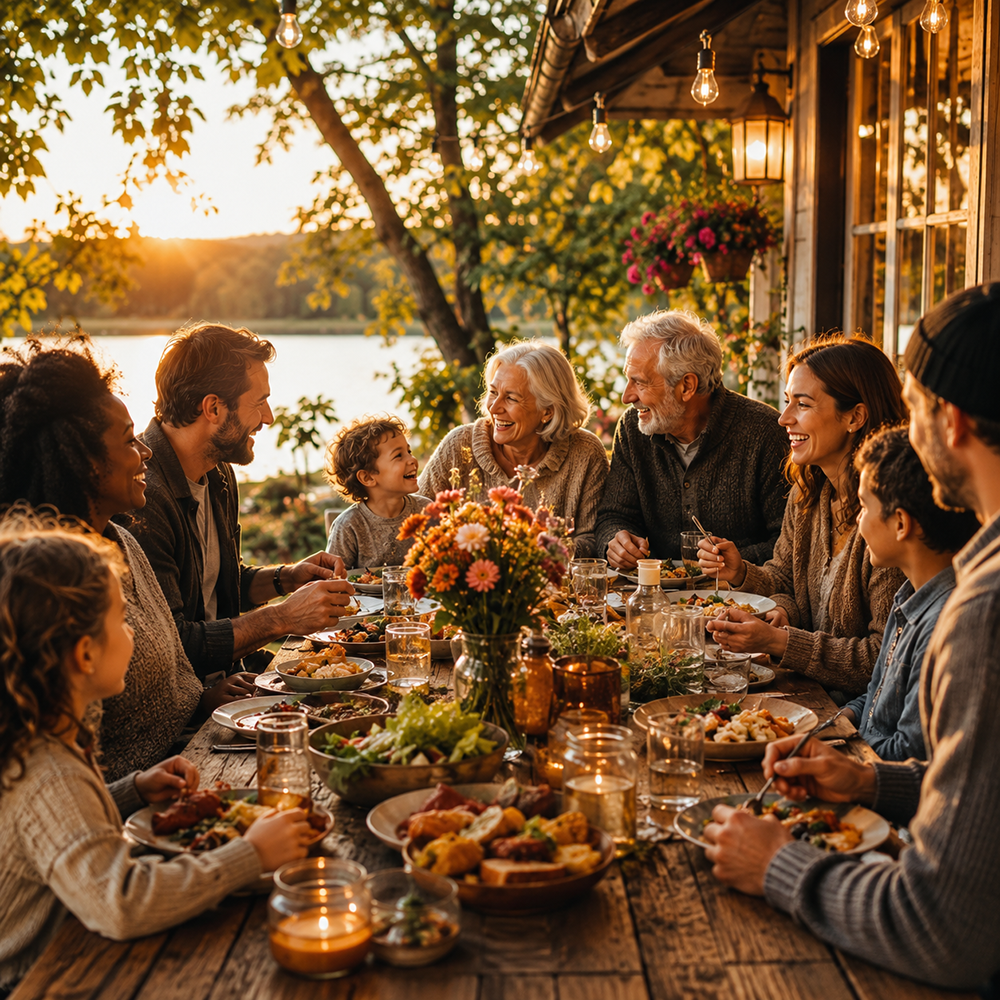
Community Doesn't Weaken Love—It Strengthens It
Sometimes people worry that encouraging friendships, hobbies, or community somehow makes a romantic relationship less important.
The opposite is often true.
When people have healthy support systems, they aren't forced to pour every emotional need into one relationship.
Different relationships naturally meet different needs.
One friend may share your creativity.
Another may understand your sense of humor.
A mentor may offer wisdom.
Family members may preserve treasured memories.
A spouse or partner shares a life with you in a way no one else does.
None of those relationships compete with one another.
They complement one another.
Like instruments in an orchestra, each contributes something unique that the others cannot fully replace.
The beauty isn't found in every instrument playing the same notes.
It's found in how they work together to create something richer than any one instrument could produce alone.
Healthy relationships function much the same way.
 Jessica Carey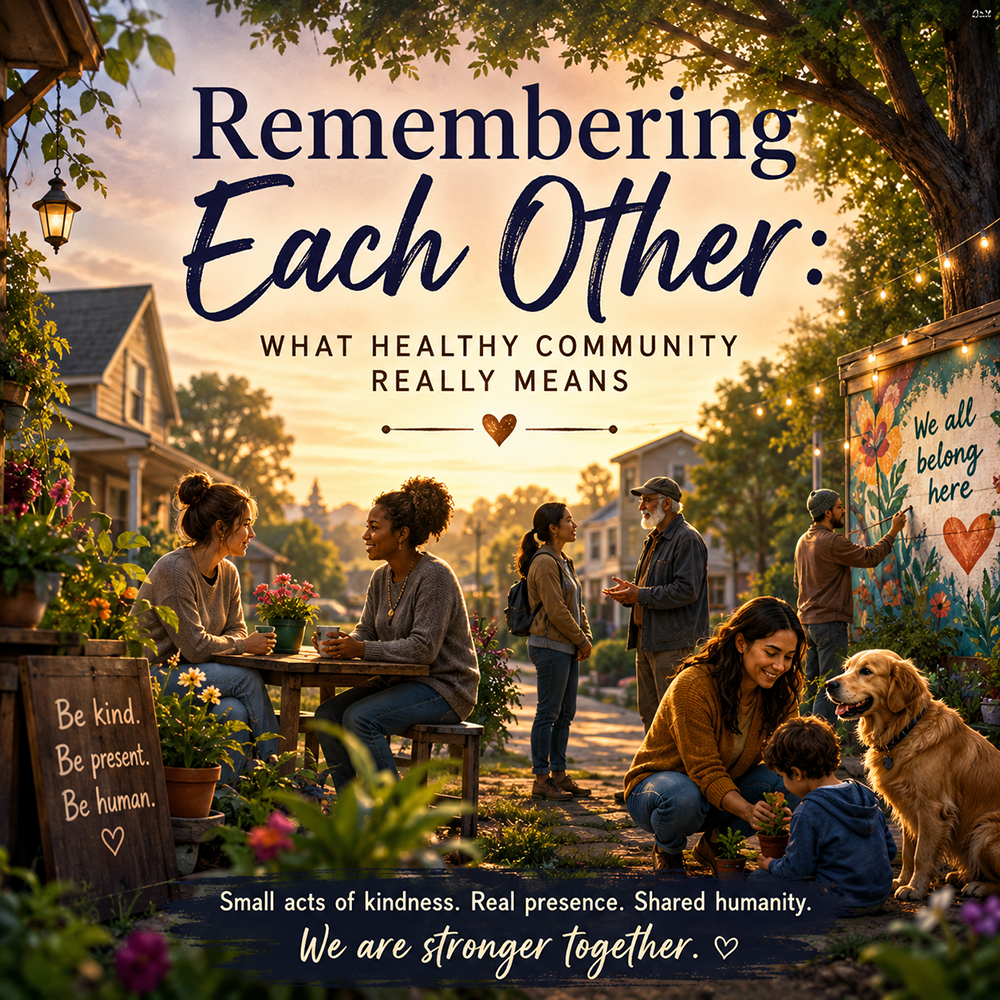
Love Celebrates Other Loves
One of the clearest differences between healthy love and possessiveness is how each responds to other meaningful relationships.
Possessiveness often sees them as competition.
Love sees them as gifts.
Healthy love is able to say:
- "I'm glad you have wonderful friends."
- "I hope you continue pursuing the things that bring you joy."
- "I love seeing you grow."
- "I'm grateful you have people who care about you."
- "Your life is better because they're in it, and that makes me happy."
That doesn't make the relationship less special.
If anything, it reflects a deeper confidence in it.
Love doesn't need to isolate someone in order to feel secure.
It trusts that meaningful relationships can coexist.
 Jessica Carey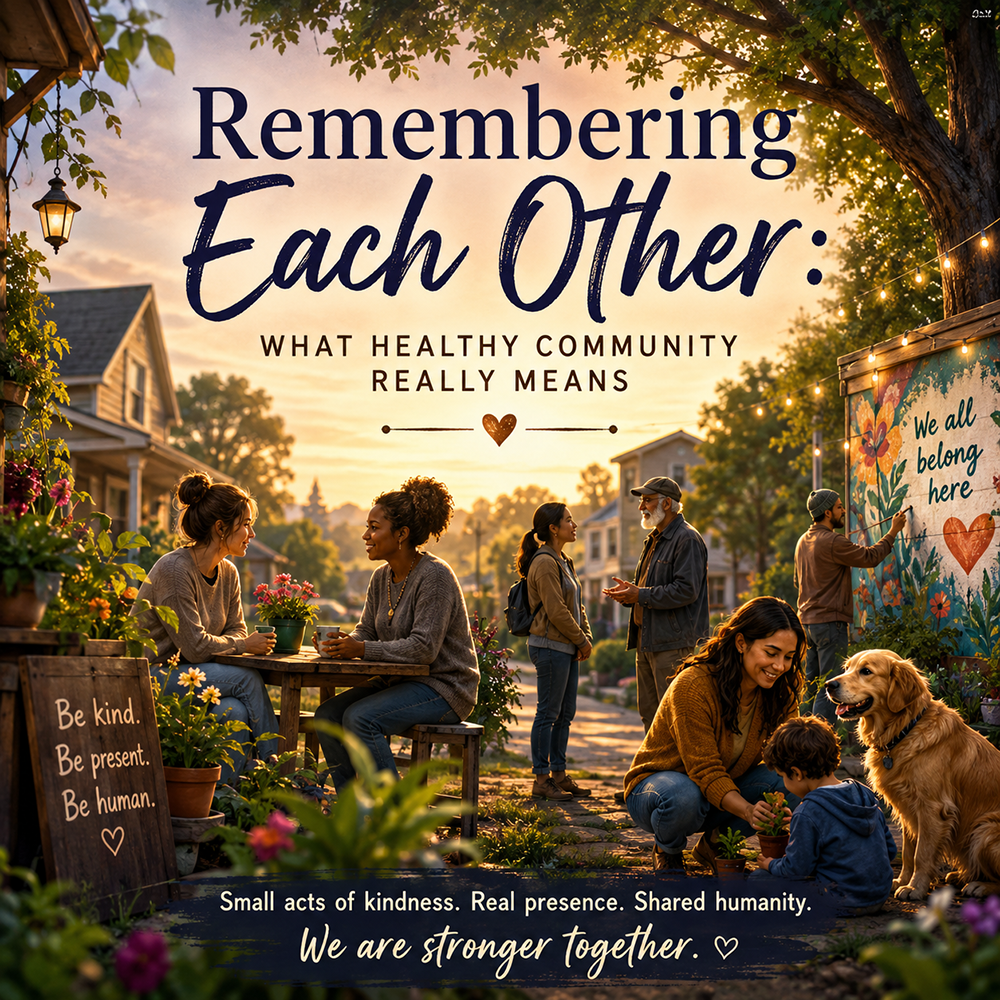
Intimacy Is Not the Same as Exclusivity
This is a distinction that often gets overlooked.
Exclusivity and intimacy are not the same thing.
Two people can spend nearly every waking moment together and still feel lonely.
They can know each other's routines without knowing each other's hearts.
Meanwhile, two people can have strong friendships, meaningful communities, independent interests, and still share extraordinary intimacy.
Because intimacy isn't created by eliminating everyone else.
It grows through things like:
- Trust
- Emotional honesty
- Curiosity
- Vulnerability
- Consistency
- Mutual respect
- Repair
- Shared experiences
Those things create closeness.
Isolation does not.
Healthy love isn't one person expanding while the other disappears.
Both lives become larger.
Both people continue growing.
Both people become more themselves.
 Jessica Carey
The Healthiest Love Expands the World
One of the simplest ways to recognize healthy love is to notice what happens to life after it enters.
Does life become smaller?
Or does it become bigger?
Healthy love often makes people more courageous.
More hopeful.
More generous.
More connected.
More willing to try new things.
More fully themselves.
It doesn't erase individuality.
It gives it room to flourish.
That's why healthy love feels less like standing in a locked room...
and more like opening the front door to a home filled with light.
Not because the relationship becomes less important.
But because it becomes the kind of place where people are free to come alive.
Healthy love doesn't ask someone to give up their world.
It becomes part of what makes their world more beautiful.
 Jessica Carey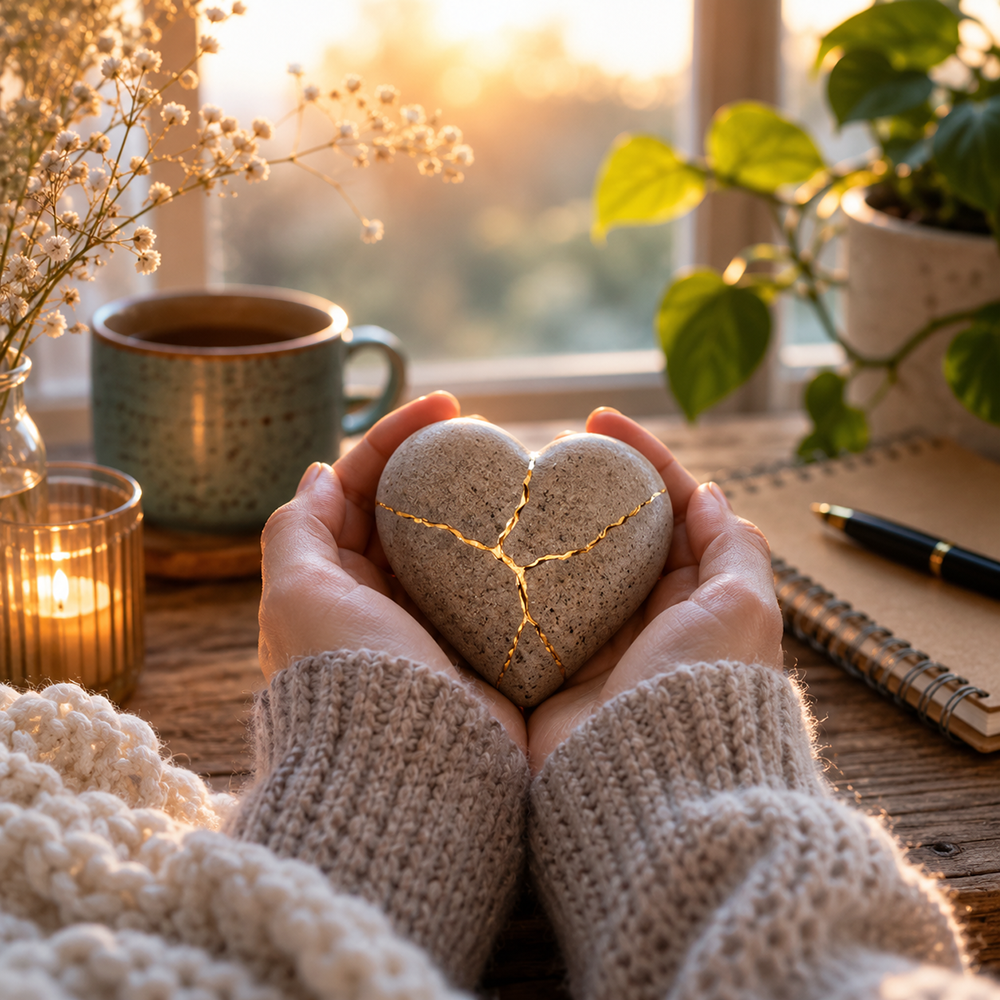
Why Obsession Eventually Burns Out
One reason obsession is so often mistaken for love is because it can feel incredibly powerful in the beginning.
Everything feels exciting.
Conversations last for hours.
Every text brings a rush of anticipation.
Time together seems effortless.
The relationship feels all-consuming.
Many people describe it as though they've finally found the missing piece they've been searching for.
Those experiences are real.
The feelings are real.
But powerful beginnings are not the same thing as lasting foundations.
Relationships are not sustained by intensity alone.
They are sustained by qualities that are often much quieter.
- Trust
- Consistency
- Mutual respect
- Honest communication
- Repair after conflict
- Patience
- Kindness
- Shared commitment
Those things rarely feel as dramatic as obsession.
Yet they are what allow love to grow over years rather than simply burning brightly for a season.
 Jessica Carey
Fireworks and Fireplaces
One way to picture the difference is to imagine fireworks and a fireplace.
Fireworks are breathtaking.
They explode with brilliant color.
They command our attention.
For a few moments, they light up the entire sky.
Then...
They're gone.
A fireplace is different.
It doesn't demand attention.
It quietly fills a home with warmth.
People gather around it.
Conversations happen beside it.
Meals are shared near it.
Children grow up remembering it.
It doesn't exist for spectacle.
It exists for life.
Healthy love often resembles the fireplace far more than the fireworks.
Its beauty isn't found in constant emotional intensity.
Its beauty is found in its ability to continue providing warmth, comfort, and steadiness long after the excitement of something new has faded.
 Jessica Carey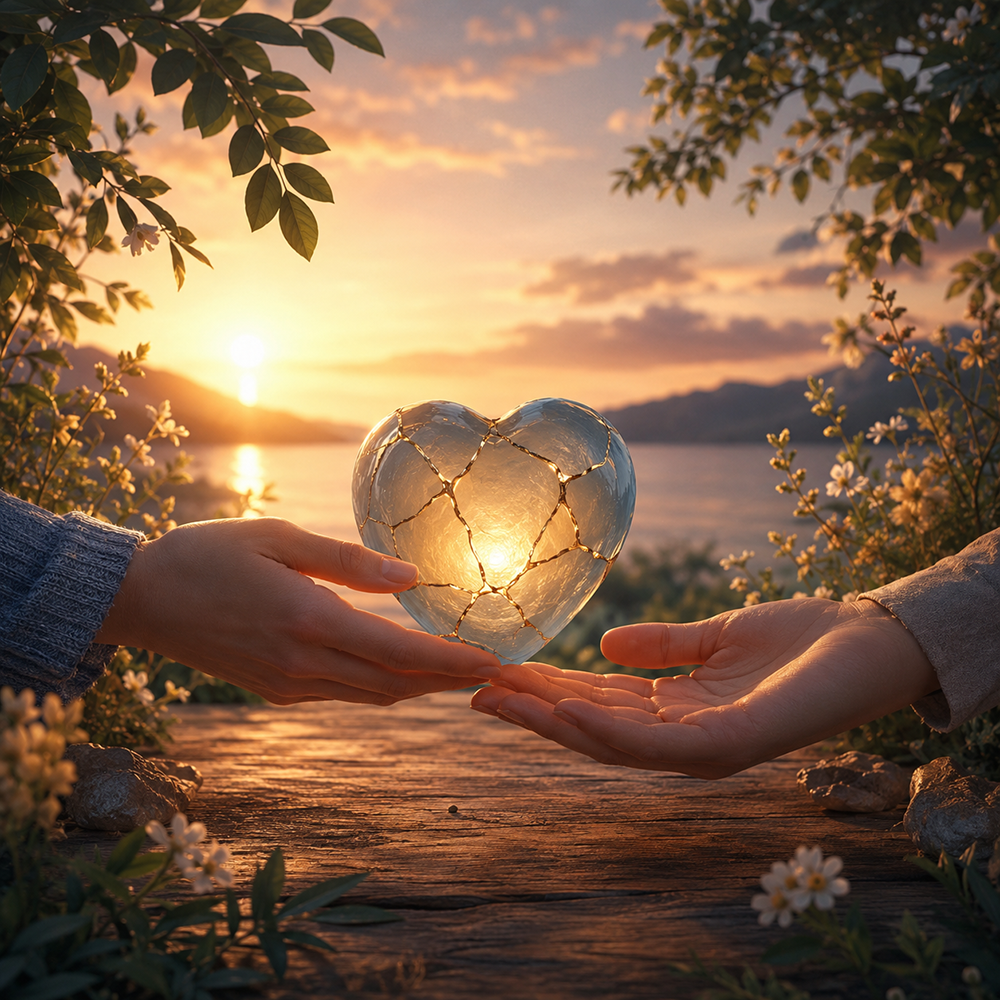
When Fear Becomes the Fuel
Another reason obsession eventually burns out is because fear makes a poor source of fuel.
Fear continually asks questions like:
- "What if they leave?"
- "What if they stop loving me?"
- "What if someone else matters more?"
- "What if I lose what we have?"
Fear rarely finds lasting reassurance.
Even when those questions are answered today, they often return tomorrow.
The relationship slowly becomes centered on managing anxiety rather than nurturing connection.
Healthy love is not completely free from fear.
Every meaningful relationship involves vulnerability.
Every meaningful relationship carries the possibility of loss.
The difference is that healthy love refuses to let fear become the architect of the relationship.
Instead, it keeps returning to trust.
Returning to honesty.
Returning to choice.
Returning to love.
Healthy love gradually replaces the need for constant reassurance with the quiet confidence that trust has been built over time.
 Jessica Carey
Relationships Cannot Survive Constant Pressure
Every relationship needs room to breathe.
Just as a plant cannot flourish if someone continually digs it up to check whether its roots are growing, relationships struggle when they are subjected to constant pressure.
Questions that arise from genuine curiosity can deepen intimacy.
Questions that arise from constant fear can slowly exhaust it.
When reassurance becomes endless...
When every boundary feels threatening...
When every independent choice feels personal...
The relationship begins carrying a weight it was never designed to bear.
Love grows best in an atmosphere of trust.
Not continual surveillance.
Fantasy Eventually Meets Reality
Another reason obsession often fades is because no human being can permanently sustain an idealized image.
At the beginning of a relationship, it's easy to imagine someone as perfect.
Over time, however, reality gently introduces itself.
We discover:
- They have flaws.
- They make mistakes.
- They become tired.
- They need solitude sometimes.
- They forget things.
- They disappoint us occasionally.
- They continue growing and changing.
Healthy love welcomes those discoveries.
It doesn't require perfection to continue loving.
Obsession often struggles here.
If someone has been turned into an ideal rather than appreciated as a human being, reality can feel like betrayal.
The problem isn't that the person changed.
It's that they were never allowed to be fully human in the first place.
Letting go of obsession can feel surprisingly painful—not because healthy love is smaller, but because we are releasing the illusion that another person could carry the weight of needs no human being was designed to fulfill.
Healthy love doesn't ask us to stop longing.
It gently redirects those longings toward something steadier, freer, and more life-giving.
 Jessica Carey
Lasting Love Chooses Again
This is one of the greatest differences between obsession and love.
Obsession often asks: "How long can I keep feeling this?"
Love quietly asks: "How can I keep choosing this person?"
Feelings naturally rise and fall.
Life changes.
Stress comes and goes.
Seasons shift.
No relationship remains emotionally intense every moment of every day.
Healthy love doesn't depend on that.
Instead, it continues choosing kindness when life becomes ordinary.
It continues choosing patience after misunderstandings.
It continues choosing repair after conflict because every relationship causes hurt.
The question is never: "Will we make mistakes?"
The question is: "What do we do after we make them?"
Healthy love repairs.
It apologizes.
It listens.
It changes.
Obsession often becomes defensive because admitting fault threatens the relationship it is desperately trying to preserve.
Love knows relationships become stronger through accountability, not perfection.
It continues choosing gratitude after years together.
That doesn't make love less beautiful.
It makes it deeper.
 Jessica Carey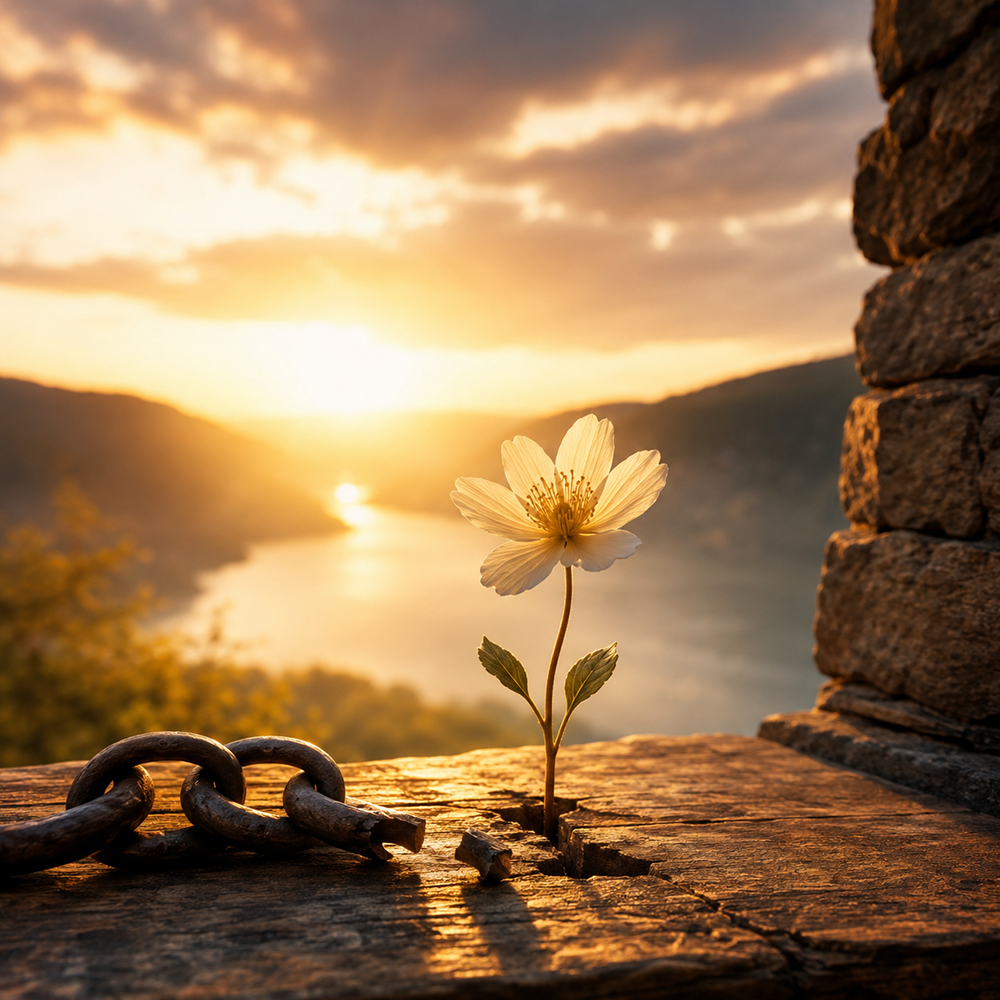
Love Was Never Meant to Be Constant Excitement
One of the greatest gifts healthy love offers is the freedom to stop performing.
To stop chasing the next emotional high.
To stop wondering whether every ordinary day means something has gone wrong.
Some of the most beautiful relationships are wonderfully ordinary.
They are built through:
- Shared meals
- Quiet conversations
- Running errands together
- Laughing over inside jokes
- Sitting comfortably in silence
- Caring for one another through difficult seasons
- Choosing one another again and again
These moments rarely become the focus of movies or love songs.
Yet they are often the moments that build a lifetime.
Because healthy love isn't sustained by constant excitement.
It is sustained by countless ordinary acts of care that slowly become an extraordinary life together.
 Jessica Carey
What Healthy Love Actually Looks Like
If obsession asks: "How can I keep you?"
Healthy love asks: "How can we help one another flourish?"
That may sound like a small difference.
It isn't.
One question is primarily concerned with preventing loss.
The other is concerned with nurturing life.
Healthy love is not passive.
It is deeply intentional.
It invests.
It notices.
It remembers.
It celebrates.
It grieves.
It repairs.
It keeps choosing.
But it does all of those things while continuing to honor the humanity of the other person.
Rather than trying to possess someone, healthy love creates an environment where both people are free to become more fully themselves.
 Jessica Carey
Healthy Love Feels Safe
Safety doesn't mean life is free from conflict.
It doesn't mean two people always agree.
It doesn't mean there are never misunderstandings.
Instead, safety means knowing the relationship itself is not constantly at risk.
Healthy love creates an environment where people can:
- Speak honestly without fear of retaliation
- Admit mistakes without fear of humiliation
- Express emotions without being punished for them
- Maintain healthy boundaries without guilt
- Ask questions without walking on eggshells
- Continue growing without fearing they'll be abandoned for changing
Safety allows people to exhale.
Not because life is perfect.
But because love has become trustworthy.
 Jessica Carey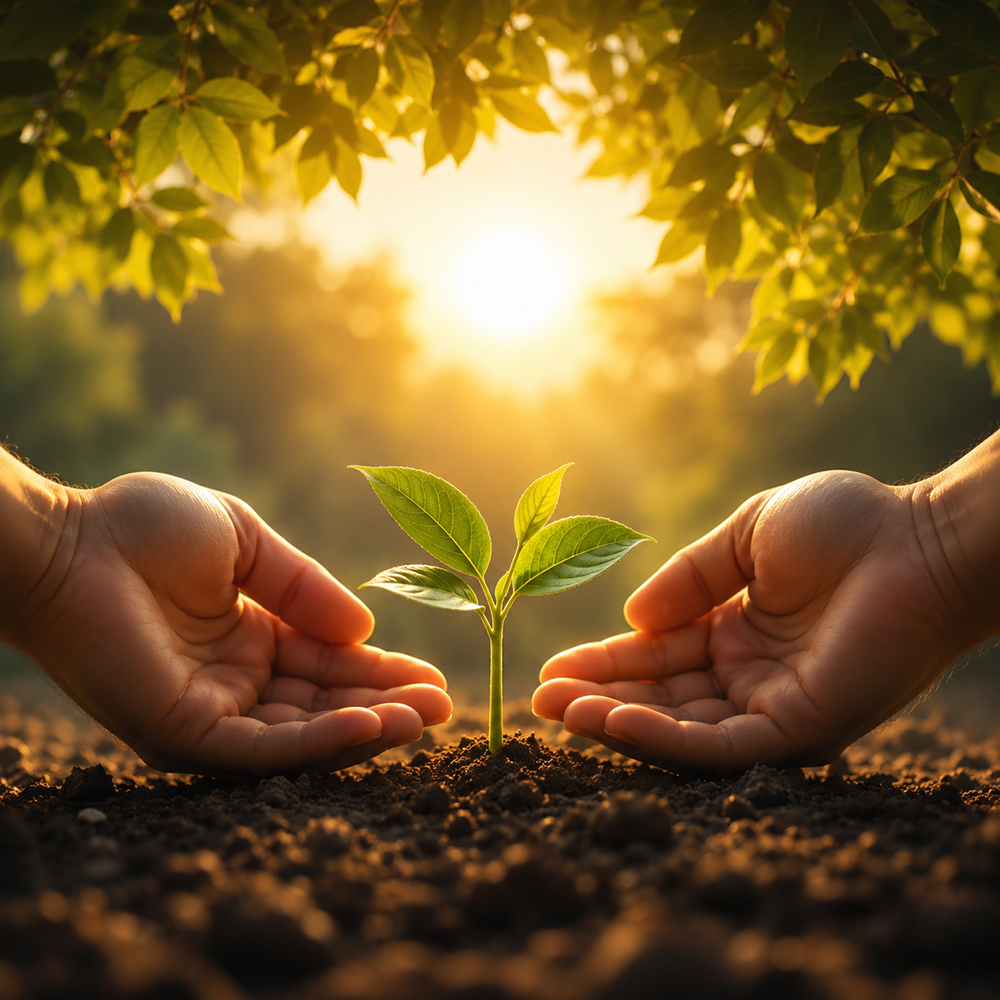
Healthy Love Makes Both People Bigger
One of the simplest questions we can ask about any relationship is this: who am I becoming because of this relationship?
Healthy love often helps people become:
- Kinder
- More courageous
- More patient
- More peaceful
- More emotionally honest
- More generous
- More connected to others
- More confident in who they are
The relationship doesn't erase individuality.
It strengthens it.
Neither person disappears into the relationship.
Instead, both people become more fully themselves because they are consistently loved well.
 Jessica Carey
Healthy Love Chooses Curiosity Over Control
Every person remains a mystery.
No matter how many years we spend together, there will always be new parts of another person's inner world waiting to be discovered.
Healthy love approaches that mystery with curiosity.
It asks questions.
It listens carefully.
It remains teachable.
It doesn't assume it already knows everything.
Control moves in the opposite direction.
It replaces curiosity with certainty.
Instead of wondering: "Help me understand."
It begins declaring: "I already know why you did that."
Curiosity keeps relationships growing.
Control often keeps them stuck.
 Jessica Carey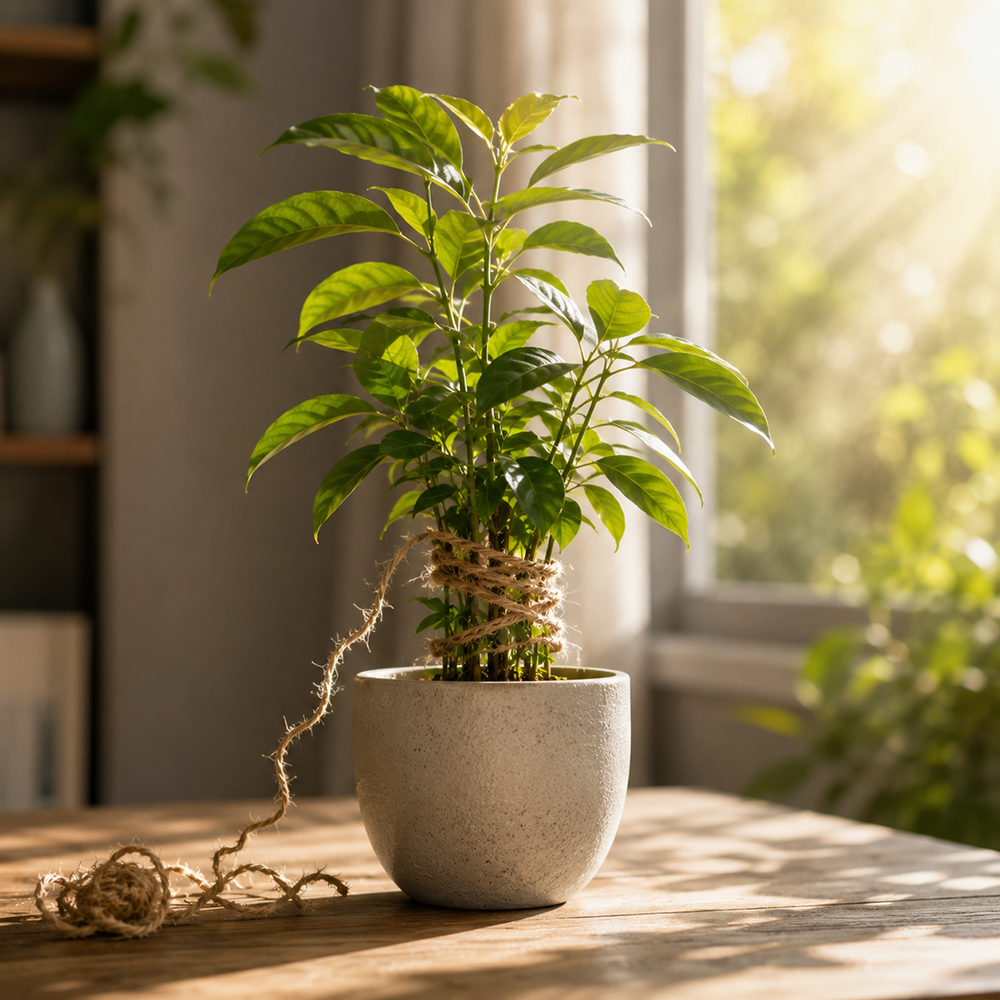
Healthy Love Practices Freedom and Responsibility Together
Freedom is sometimes misunderstood as the absence of commitment.
Healthy love demonstrates something different.
It shows that freedom and commitment can exist together.
Healthy love freely chooses to:
- Keep promises
- Show up consistently
- Tell the truth
- Repair after conflict
- Respect boundaries
- Offer encouragement
- Care for one another
These aren't obligations forced by fear.
They are choices rooted in love.
That is what makes them so meaningful.
Love is never most beautiful when it is coerced.
It is most beautiful when it is freely given.
 Jessica Carey
Healthy Love Continues Choosing
Eventually, every relationship becomes ordinary.
The excitement of something new settles into the rhythm of everyday life.
Laundry still needs to be folded.
Bills still need to be paid.
People become tired.
Schedules become full.
Difficult seasons come and go.
Healthy love doesn't disappear when life becomes ordinary.
It quietly keeps choosing.
It chooses to:
- Listen
- Laugh together
- Apologize
- Forgive
- Encourage
- Show appreciation
- Stay curious
- Continue building a shared life
Those choices rarely make headlines.
Yet they become the foundation upon which extraordinary relationships are built.
Love was never meant to be measured by how desperately two people cling to one another.
It is better measured by what grows in the space between them.
- Does trust grow?
- Does kindness grow?
- Does joy grow?
- Does honesty grow?
- Does freedom grow?
- Does peace grow?
- Does each person's capacity to love others grow?
Healthy love leaves fingerprints on a person's life.
Not fingerprints of control... but fingerprints of flourishing.
After experiencing healthy love, people often find themselves becoming:
- More compassionate
- More secure
- More open-hearted
- More willing to trust
- More able to extend love to others
Love doesn't merely create a healthy relationship.
It helps create healthier people.
And healthier people, in turn, become capable of building healthier families, friendships, neighborhoods, workplaces, and communities.
That is why genuine love has always been about something much larger than two people finding one another.
It has always been about creating environments where life can continue to flourish.
 Jessica Carey
We Were Never Looking for Obsession
Very few people truly want obsession.
What many of us have been searching for is something much more beautiful.
We want to know that we matter.
We want someone who delights in our presence.
We want to feel chosen.
Treasured.
Remembered.
Safe.
We want someone who notices the little things.
Who celebrates our joys.
Who sits beside us in our grief.
Who continues choosing us through ordinary days as well as extraordinary ones.
Those are deeply human longings.
There is nothing wrong with them.
Perhaps the only mistake has been giving those longings the wrong name.
Obsession promises certainty.
Love offers trust.
Obsession promises intensity.
Love offers steadiness.
Obsession promises that someone will never let go.
Love promises to keep showing up with kindness, honesty, and care.
One seeks to possess.
The other seeks to nurture.
One narrows a person's world.
The other helps it bloom.
 Jessica Carey
We Have Been Measuring Love by the Wrong Things
For generations, many of us have been taught to recognize love by its intensity.
The louder the emotions...
The grander the gestures...
The stronger the jealousy...
The greater the sacrifice...
The more consuming the relationship...
The more we assumed it must be love.
Yet none of those things, by themselves, tell us whether a relationship is healthy.
Better questions are these:
- Does this relationship help both people flourish?
- Can each person remain fully themselves?
- Is there room for honesty and repair?
- Do both people feel respected?
- Does love grow alongside freedom rather than replacing it?
- Are both people becoming kinder, wiser, and more at peace because of this relationship?
Those questions reveal far more than intensity ever could.
Because love is not measured by how loudly it burns.
It is measured by the life it helps create.
Love Leaves People More Fully Alive
Healthy love has a quiet way of changing people.
Not by asking them to become someone else.
But by creating the kind of environment where they no longer have to hide who they already are.
It becomes a place where people can:
- Laugh freely
- Cry honestly
- Grow without fear
- Rest without guilt
- Speak truthfully
- Dream boldly
- Make mistakes
- Repair together
- Continue becoming
Love doesn't shrink a person's humanity.
It gives it room to unfold.
That is why healthy love often feels surprisingly peaceful.
Not because it lacks passion.
But because it no longer needs fear to sustain it.
The healthiest relationships are not the ones that leave us saying: "I couldn't live without you."
They are the ones that inspire us to say: "Because you loved me well, I have become more fully myself."
Or even: "Because we have loved one another well, both of our lives have grown richer."
Healthy love doesn't erase individuality.
It doesn't ask two lives to become one indistinguishable existence.
Instead, it creates something remarkable.
Two whole people.
Walking beside one another.
Choosing one another.
Encouraging one another.
Helping one another become more fully alive.
In the end, we were never searching for someone who would be obsessed with us.
We were searching for someone who would know us... and still choose us.
- Someone who would cherish rather than possess.
- Someone who would celebrate rather than control.
- Someone who would make room rather than demand it.
- Someone who would love us deeply enough to care not only about the relationship... but about the person within it.
Because genuine love has never been about becoming someone's entire world.
It has always been about becoming a faithful presence within one another's lives.
A presence marked by kindness.
By respect.
By trust.
By freedom.
By gratitude.
By the quiet, ordinary choice to keep nurturing something beautiful together.
Perhaps that has been love all along.
Perhaps love was never meant to consume us.
Perhaps it was always meant to cultivate us.
To make us kinder.
Safer.
More generous.
More truthful.
More fully ourselves.
Perhaps the greatest love stories are not the ones that leave two people unable to live without one another.
Perhaps they are the ones where, years later, both people can quietly say,
"Because we loved one another well, we each became more fully alive."
Maybe that has been the deeper longing beneath all our searching.
Not to be possessed.
Not to be someone's entire world.
But to be deeply known...
deeply cherished...
and to spend our lives helping one another flourish.
 Jessica Carey
Want even more content about creativity and art?
Be sure to check out all of our creative chronicles!
If you'd like to see examples of my work, you can find some of my art and creations at Redbubble and Gumroad!
Looking to learn more about my recent journey?
Check some of these articles:
-The Difference Between Resting and Giving Up
-Hidden Gems for St. Louis Artists
-Hidden Gems for Autistic & Neurodivergent Adults
-I Think I Might Be Autistic... Now What?
 Jessica Carey